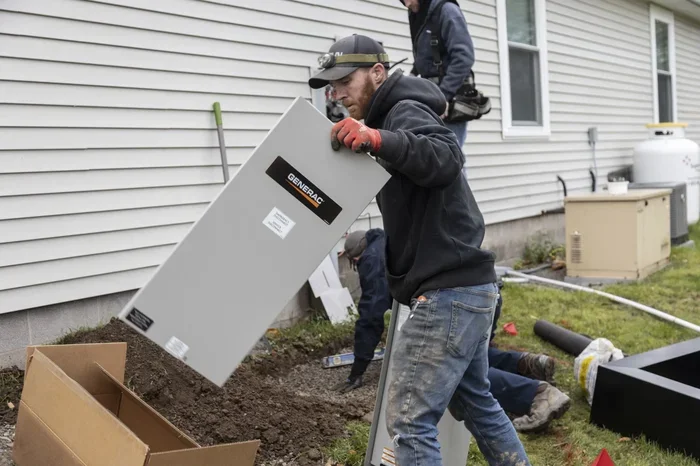
Home Standby Generator Cost What to Expect Before Buying
The average home standby generator cost ranges from $2,000 to $20,000+ depending on size, fuel type, and installation complexity. Most homeowners spend between $4,000 and $8,000 for a quality unit properly installed. Understanding what drives the price helps you make a smart buying decision and avoid hidden surprises.
Planning to buy a home standby generator cost is one of the smartest investments you can make for your family. Power outages are more common than most people think, and they can cause real damage to your home and wallet. A standby generator keeps your lights on, your fridge running, and your family safe when the grid goes down.
But here is the thing most people do not realize. The price tag on the generator itself is only part of the story. Installation, fuel, maintenance, and permits all add up fast. This guide breaks down every cost so you know exactly what to expect before you spend a single dollar.
Whether you are looking at a small unit for basic needs or a whole-house system that powers everything, understanding the home standby generator cost upfront saves you from nasty surprises later. Let us walk through it together.
Key Takeaways
- Standby generators cost between $2,000 and $20,000: The wide range depends on wattage, fuel type, brand, and installation requirements.
- Installation adds $500 to $5,000+: Electrical wiring, permits, and site prep all contribute to the final price.
- Fuel type matters for long-term savings: Natural gas and propane have different running costs and availability in your area.
- Proper sizing prevents wasted money: Buying a unit too large or too small wastes both upfront and ongoing costs.
- Maintenance adds $200 to $500 yearly: Factor in annual service costs when calculating total ownership cost.
- Brand reputation affects price: Generac, Kohler, and Cummins carry different price tags but offer varying levels of reliability and warranty.
- Get multiple quotes before committing: Comparing installation bids can save you hundreds of dollars.
📑 Table of Contents
- What Is a Home Standby Generator?
- How Much Does a Home Standby Generator Cost?
- What Affects the Home Standby Generator Cost?
- Running Costs and Long-Term Expenses
- How to Choose the Right Generator Size
- Portable vs Standby Generator: Which Is Right for You?
- Common Mistakes That Increase Your Generator Cost
- Expert Insights: Is a Standby Generator Worth the Cost?
- Final Thoughts on Home Standby Generator Cost
What Is a Home Standby Generator?
A home standby generator is a permanent backup power system installed outside your house. Unlike a portable generator you wheel out from the garage, a standby unit turns on automatically within seconds of a power outage. It runs on natural gas or propane and connects directly to your home’s electrical panel.
These generators come in different sizes. A smaller unit might keep your fridge, lights, and furnace running. A larger one can power your entire home including air conditioning, water heaters, and kitchen appliances. The size you need directly impacts the standby generator cost, so choosing wisely matters.
Most homeowners choose a unit between 7kW and 24kW. A 7kW system handles essential circuits. A 24kW system can run a full house. The sweet spot for most families falls somewhere in the middle, around 12kW to 18kW.
How Much Does a Home Standby Generator Cost?
The home standby generator cost depends on several factors. The generator unit itself is the biggest expense, but installation and accessories add to the total. Here is a realistic breakdown of what you can expect to pay.
Generator Unit Prices by Size
The size of the generator is the first thing that drives the price. Here is a general idea of what different sizes cost before installation:
- 7kW to 10kW units: $2,000 to $4,500. These handle basic essentials like lights, fridge, and a few outlets.
- 12kW to 16kW units: $4,000 to $7,500. This range covers most homes comfortably, including a window AC unit.
- 18kW to 22kW units: $6,500 to $12,000. These can power most or all of a medium-sized home.
- 24kW and above: $10,000 to $20,000+. Whole-house coverage with room to spare.
Brand also plays a big role. Generac is one of the most popular names, and their prices tend to sit in the mid-range. Kohler and Cummins models often cost more but come with stronger warranties and build quality. You can learn more about what the average cost of a Generac generator looks like across different models.
Installation Costs Breakdown
Installation is where many homeowners get shocked. The home standby generator cost for professional installation typically runs between $500 and $5,000. Here is what that covers:
- Electrical panel connection: $300 to $800 for the transfer switch and wiring.
- Concrete pad or mounting: $200 to $500 for a stable base.
- Gas line connection: $300 to $1,000 depending on distance from your gas meter.
- Permits and inspections: $100 to $500 depending on your local building codes.
- Site preparation: $100 to $300 for grading, drainage, and cleanup.
Some installers bundle these costs into one flat fee. Others itemize everything. Always ask for a detailed quote so you know exactly what you are paying for. You can check what the average Generac generator installation cost looks like in your area as a benchmark.
What Affects the Home Standby Generator Cost?
Not all generators cost the same. Several factors push the price up or pull it down. Understanding these helps you make a smarter purchase decision.
Fuel Type
The fuel your generator uses affects both the upfront cost and the long-term running cost. Here is a quick comparison:
- Natural Gas: Most convenient if you already have a gas line. Lower fuel cost per hour but slightly higher unit price.
- Propane: Great for areas without natural gas. Propane tanks need refilling, and fuel costs vary by region.
- Dual Fuel: Runs on both natural gas and propane. Costs more upfront but gives you flexibility.
If you are curious about fuel consumption, a 20kW generator uses roughly 2 to 3 gallons of propane per hour under full load. Natural gas usage is measured in cubic feet per hour and tends to be more affordable on a monthly basis.
Generator Brand and Warranty
Big-name brands like Generac, Kohler, and Briggs & Stratton charge premium prices. But they also offer better customer support, longer warranties, and proven reliability. A cheaper off-brand unit might save you money upfront but could cost more in repairs over time.
Most reputable brands offer warranties between 5 and 10 years. Some include limited lifetime warranties on the engine. Always read the warranty details carefully. A longer warranty can offset a higher home standby generator cost in the long run.
Local Labor Rates and Permit Fees
Installation costs vary wildly depending on where you live. A contractor in a major city might charge $150 per hour. In a rural area, rates could be half that. Permit fees also vary by municipality and can add $100 to $500 to your total.
One tip: ask your installer if they handle the permit process for you. Many do, and it saves you the hassle of navigating local building departments on your own.
Additional Accessories and Add-Ons
Do not forget about the extras. These small add-ons can add $500 to $2,000 to your total:
- Automatic transfer switch: Essential for seamless power switching.
- Weather enclosure: Protects the unit from rain, snow, and debris.
- Sound shield: Reduces noise, which matters if you have close neighbors.
- Remote monitoring system: Lets you check your generator status from your phone.
- Extended warranty plan: Adds coverage beyond the standard warranty period.
Running Costs and Long-Term Expenses
Buying the generator is only half the equation. You also need to think about what it costs to run and maintain it over the years. The home standby generator cost does not end at purchase.
Monthly Fuel Costs
A standby generator running for a few hours during an outage uses relatively little fuel. But if you run it frequently or for extended periods, costs add up. Natural gas typically costs $15 to $30 per month in fuel during heavy outage seasons. Propane can be slightly more expensive depending on tank refill prices.
To put this in perspective, a 20kW generator running at 75% load for 24 hours uses about 18 to 24 gallons of propane or roughly 200 to 250 cubic feet of natural gas. That translates to about $30 to $60 per day in fuel costs.
Annual Maintenance Costs
Regular maintenance keeps your generator running smoothly and extends its life. Most experts recommend a professional service check once a year. This typically costs between $200 and $500 and includes:
- Oil and filter changes
- Spark plug inspection and replacement
- Fuel system cleaning
- Battery testing and replacement if needed
- General performance check
Skipping maintenance might save you $200 to $500 per year, but it can lead to expensive repairs or a unit that fails when you need it most. Think of it like car maintenance. A little care now saves a lot of money later.
Expected Lifespan and Replacement Value
A well-maintained standby generator lasts between 25 and 30 years. That is a long time, and it means your investment pays for itself many times over. In fact, the home standby generator cost can actually increase your home value. Many buyers look for homes with backup power already installed.
To learn more about how long these systems last and what affects their longevity, you can read about how long a whole house generator lasts and what factors influence its lifespan.
How to Choose the Right Generator Size
Picking the wrong size is one of the most common and costly mistakes homeowners make. Too small and you will be running your generator at full capacity, which wears it out fast. Too big and you waste money on a unit you do not need.
Calculate Your Power Needs
Start by listing the essential items you want to keep running during an outage. Here is a simple breakdown:
- Refrigerator: 700 to 1,200 watts
- Freezer: 500 to 800 watts
- Furnace blower: 600 to 800 watts
- Lights (5-10 rooms): 500 to 1,500 watts
- Window AC unit: 1,000 to 2,000 watts
- Well pump: 1,000 to 2,500 watts
- Sump pump: 800 to 1,200 watts
Add up the wattage of everything you want to run at the same time. Then add a 20% buffer for startup surges. This gives you the minimum generator size you need.
For most families, a 12kW to 16kW unit hits the sweet spot. It covers essentials and a few comforts without breaking the bank. If you want to know more about what size generator you need for specific appliances, that guide can help you fine-tune your choice.
Quick Tips for Sizing Your Generator
- Do not guess. Use a wattage calculator or consult a professional.
- Think about future needs. If you plan to add a central AC, size up now.
- Consider a load management system. It lets a smaller generator power more circuits by cycling them on and off.
- Ask your installer for a load analysis. Most do this for free during the quote process.
Portable vs Standby Generator: Which Is Right for You?
Some people wonder if a portable generator is enough instead of investing in a standby system. The answer depends on your needs and budget.
A portable generator costs $500 to $2,000 upfront, which is much less than a standby unit. But it has serious limitations. You have to manually set it up, run extension cords, and refuel it by hand. It is also much louder and less safe than a standby system.
A home standby generator is a permanent, automatic solution. It turns on by itself, runs on a permanent fuel line, and powers your whole electrical panel. The higher home standby generator cost pays for itself in convenience, safety, and protection.
If you only need power for a few items during short outages, a portable unit works fine. But for whole-home backup and peace of mind, a standby system is the clear winner.
Common Mistakes That Increase Your Generator Cost
Avoiding these mistakes can save you hundreds or even thousands of dollars:
- Skipping the site assessment: Your installation location affects costs. A unit far from your gas line or electrical panel costs more to connect.
- Choosing the cheapest installer: The lowest bid often means lower quality work. Poor installation leads to problems down the road.
- Ignoring local codes: Failing to get proper permits can result in fines and costly rework.
- Not budgeting for fuel lines: If you need a new gas line run to your unit, costs can jump significantly.
- Forgetting about noise ordinances: Some neighborhoods have strict noise rules. You may need to pay extra for a sound enclosure.
Taking the time to plan ahead and get multiple quotes helps you avoid these expensive pitfalls.
Expert Insights: Is a Standby Generator Worth the Cost?
Most home experts agree that a standby generator is worth the investment for homeowners in areas prone to power outages. Severe weather events, aging electrical infrastructure, and growing energy demand all point toward more frequent and longer outages in the future.
A standby generator also protects your home from secondary damage caused by power loss. Frozen pipes, spoiled food, sump pump failures, and HVAC shutdowns during extreme weather can all lead to expensive repairs. A generator prevents these problems before they start.
Beyond practical benefits, many homeowners report feeling safer and more comfortable knowing they have backup power. That peace of mind is hard to put a price on.
For more details on how generators connect to your home and what the setup process looks like, check out our guide on how to run a generator to your house safely and efficiently.
Final Thoughts on Home Standby Generator Cost
The home standby generator cost might seem steep at first glance. But when you break it down, it is a lot like buying insurance. You hope you never need it, but when the power goes out and your neighbors are sitting in the dark, you will be glad you invested.
Most homeowners spend between $4,000 and $8,000 for a quality 12kW to 16kW standby generator with professional installation. That price includes the unit, the transfer switch, the gas line connection, permits, and the pad or enclosure. It is a solid investment that pays dividends every time the lights go out.
Start by getting at least three quotes from licensed installers in your area. Compare what each quote includes. Ask about warranty coverage, fuel type options, and ongoing maintenance costs. The more informed you are, the better decision you will make.
Remember, the cheapest option is not always the best value. Look for a balance of quality, reliability, and fair pricing. Your family and your home will thank you for it.
Frequently Asked Questions
What is the average home standby generator cost including installation?
Most homeowners pay between $4,000 and $8,000 total for a 12kW to 16kW standby generator with professional installation. This covers the unit, transfer switch, gas line connection, permits, and the concrete pad. Larger or more complex installations can push the total above $10,000.
How much does a standby generator cost per month to run?
Running costs depend on fuel type and usage. Natural gas typically costs $15 to $30 per month during heavy outage seasons. Propane can be slightly more expensive. If you run the generator frequently for long periods, expect higher monthly fuel bills.
Is it cheaper to buy a generator online and install it yourself?
You might save on the unit price, but DIY installation is risky and often violates local building codes. Improper wiring can damage your home or create safety hazards. Most manufacturers also void the warranty if the unit is not professionally installed. Hiring a licensed installer is always the safer choice.
What size generator do I need for a 2000 square foot house?
A 12kW to 16kW generator typically handles a 2,000 square foot home comfortably. This size covers essentials like the fridge, furnace, lights, and a window AC unit. If you want to run your central air and all appliances simultaneously, consider a 20kW or larger unit.
How long does a home standby generator last?
A well-maintained standby generator lasts 25 to 30 years. Regular annual maintenance, including oil changes and inspections, is key to reaching that lifespan. Generators that sit unused for long periods may need more frequent servicing to stay reliable when needed.
Can a standby generator increase my home value?
Yes. Many real estate professionals agree that a backup power system adds value to a home. Buyers in areas with frequent outages especially appreciate having a standby generator already installed. It can be a strong selling point during a home sale.