How to Run Generator to House and Power Your Home Safely
Running a generator to your house is the best way to keep your home powered during outages. This guide walks you through every step, from choosing the right generator to installing a transfer switch safely. You will learn how to connect your generator to house wiring without risking injury or damage.
Power outages can happen without warning. Storms, grid failures, and equipment issues leave thousands of homes in the dark every year. When the lights go out, having a backup plan makes all the difference. One of the best solutions is learning how to run generator to house safely and effectively.
This guide covers everything you need to know. We will walk you through generator types, setup steps, safety rules, and common mistakes. Whether you own a portable unit or are considering a standby system, this article has you covered. Let us get started.
Key Takeaways
- Choose the right generator type: Portable or standby units each have unique benefits for home power needs.
- Always use a transfer switch: It prevents backfeed and keeps your home electrical system safe.
- Placement matters: Position your generator outdoors, far from windows and doors.
- Match wattage to your needs: Calculate total load before buying or connecting a generator.
- Follow safety rules strictly: Carbon monoxide, fuel handling, and proper grounding are non-negotiable.
- Regular maintenance keeps it running: Oil changes, fuel checks, and load testing extend generator life.
- Hire a professional if unsure: Electrical work can be dangerous without proper knowledge and permits.
📑 Table of Contents
Why You Need to Run a Generator to Your House
Electricity powers nearly every part of modern life. Your refrigerator, heating system, medical devices, and internet router all depend on it. A prolonged outage can cause food spoilage, frozen pipes, and lost work. Running a generator to house wiring solves these problems fast.
Beyond convenience, backup power protects your home. Sump pumps stop working during outages, which can lead to basement flooding. Security systems go dark too. A properly connected generator keeps all of these systems running until grid power returns.
Many homeowners also see a financial benefit. Food stays frozen, electronics avoid damage from surges, and daily life continues with minimal disruption. Learning how to run generator to house wiring correctly gives you peace of mind year-round.
Who Benefits Most from Home Generator Power
Certain households gain more from backup power than others. Families in areas prone to severe weather benefit greatly. Rural homes on the grid often face longer restoration times too. If anyone in your home relies on medical equipment, a generator is essential.
Homeowners with home offices also need reliable power. A short outage can ruin work progress and cause data loss. Even casual users enjoy the comfort of keeping lights on and meals cooking during storms.
Types of Generators for Home Use
Not all generators are the same. Choosing the right type is the first step in learning how to run generator to house setups safely. Each option has different power capacity, fuel needs, and installation requirements.
Portable Generators
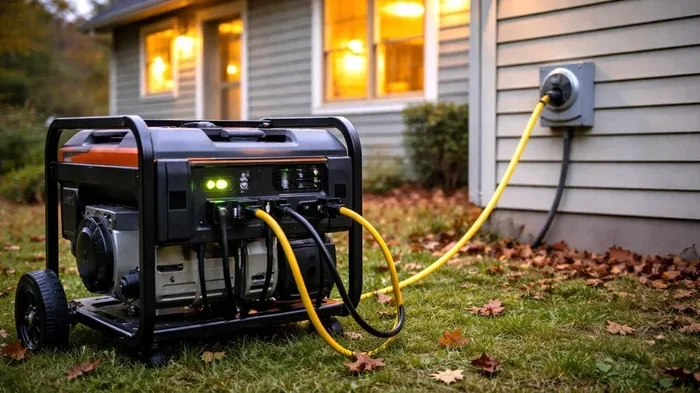
Portable generators are the most popular choice for many homes. They are affordable, easy to move, and simple to set up. Most portable units run on gasoline, though some models use propane or dual fuel options.
These units typically produce between 3,000 and 8,500 watts. That is enough to run essentials like a refrigerator, a few lights, and a phone charger. You connect a portable generator to house circuits using a heavy-duty generator cord or a manual transfer switch.
The main downside is that you must refuel them manually. They also need to be placed outdoors, at least 20 feet from any window or door. Portable generators work well for short-term outages and occasional use.
Standby Generators
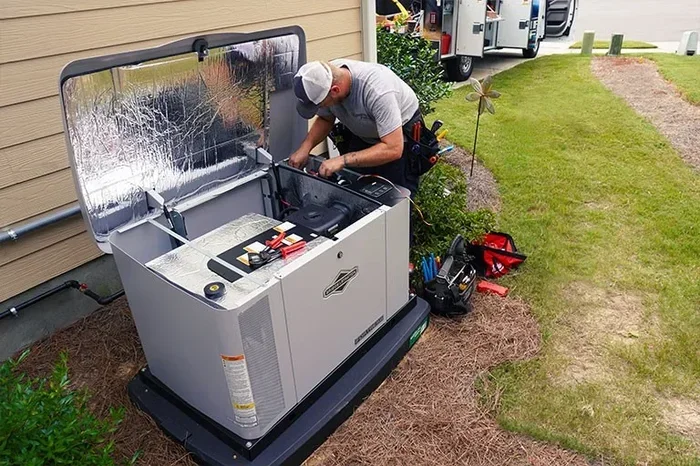
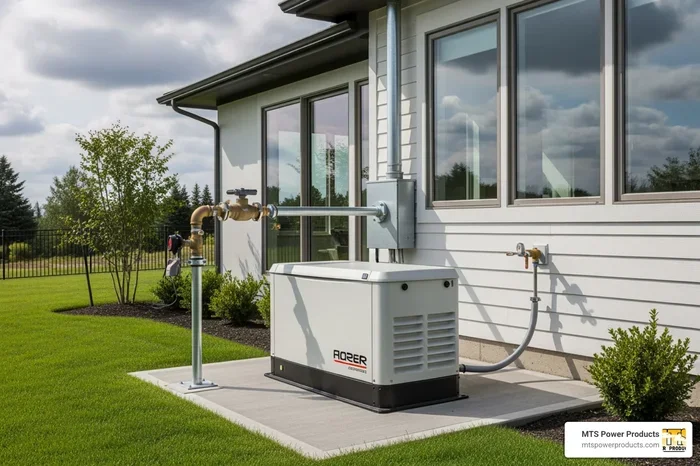
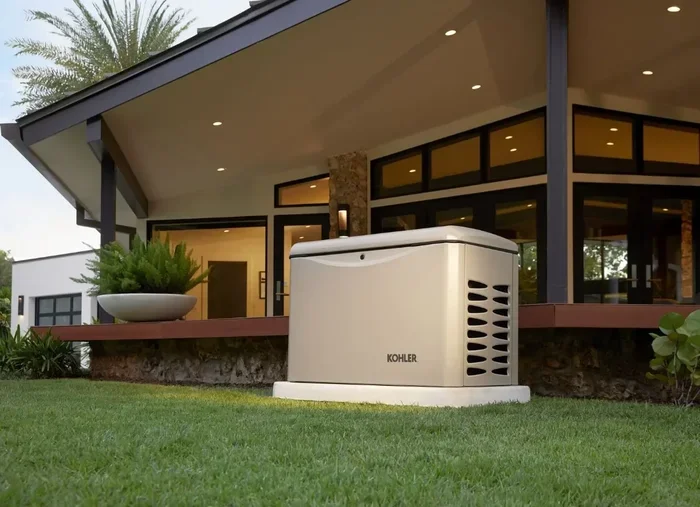
Standby generators are permanent installations. They connect directly to your home electrical panel and fuel supply. When power goes out, a standby unit automatically kicks in within seconds. No manual setup is required.
These units run on natural gas or propane. They can produce 7,000 to 24,000 watts or more. A standby generator to house connection requires professional installation, including a dedicated pad and electrical permits.
Standby generators cost more upfront, but they offer unmatched convenience. They are ideal for homeowners who want automatic backup power without any effort during an outage.
Inverter Generators
Inverter generators produce clean, stable power. They are quieter and more fuel-efficient than conventional portable models. These units are perfect for sensitive electronics like laptops and TVs.
Inverter generators usually have lower wattage output, so they work best for running a few key devices. They are a great choice for camping trips or as a supplement to a larger home backup system.
How to Run Generator to House: Step-by-Step Guide
Setting up your generator correctly is critical for safety and performance. Follow these steps carefully to ensure a proper connection every time.
Step 1: Calculate Your Power Needs
Before buying or connecting any generator, list the appliances you want to power. Add up the wattage of each device. Include startup watts for motor-driven items like refrigerators and air conditioners.
For example, a refrigerator needs about 700 running watts but 2,200 startup watts. A sump pump might need 1,300 running watts. Write everything down and total the numbers. This tells you what size generator you need for your home.
Always buy a unit with a little extra capacity. Running a generator at full load constantly shortens its lifespan and reduces efficiency.
Step 2: Choose Your Connection Method
There are two main ways to connect a generator to your home. The first is a generator cord plugged directly into a heavy-duty outlet. The second is a transfer switch wired into your electrical panel.
A generator cord is simple and affordable. You plug the cord into the generator and then into a dedicated outdoor outlet on your home. However, this method only powers a few circuits at a time.
A transfer switch is safer and more versatile. It connects to your main electrical panel and lets you power your entire home. There are two types of transfer switches you should know about.
Manual Transfer Switch
A manual transfer switch requires you to flip the switch by hand. You start the generator, wait for it to stabilize, and then switch your home over from grid power to generator power. This type is common with portable generators.
Manual switches are affordable and easy to install. They typically cost between $300 and $800 for the unit, plus installation labor. A licensed electrician should handle the wiring to meet local codes.
Automatic Transfer Switch
An automatic transfer switch, or ATS, detects power loss and starts the generator on its own. It switches your home over seamlessly, often within seconds. This is the standard for standby generator setups.
ATS units cost more, typically $500 to $1,500 or more. But the convenience and protection they offer are worth it for many homeowners. They are especially valuable for homes with medical equipment or sump pumps.
Step 3: Position Your Generator Safely
Where you place your generator matters a lot. Generators produce carbon monoxide, a deadly, odorless gas. Never run a generator indoors, in a garage, or near open windows.
Place the unit at least 20 feet from your home. Point the exhaust away from doors, windows, and vents. Use a generator extension cord to reach your home if needed. A level, dry surface is ideal for stable operation.
In rainy weather, use a generator tent or canopy. Never cover a running generator with a tarp while it is on, as this can cause overheating.
Step 4: Connect the Generator Properly
For a generator cord setup, plug the cord into the generator first, then into the home outlet. Make sure the cord is rated for the amperage your generator produces. A 30-amp or 50-amp cord is typical for most home setups.
For a transfer switch setup, the electrician will wire the switch between the generator inlet and your main panel. Once connected, you can run a generator to house circuits by simply selecting which circuits you want to power.
Never plug a generator directly into a wall outlet. This practice, known as backfeeding, is extremely dangerous. It can energize lines that utility workers think are dead, causing serious injury or death.
Step 5: Start and Monitor
Before starting, make sure all breakers in the transfer switch are off. Start the generator and let it warm up for a few minutes. Then turn on the generator breaker one at a time.
Monitor the generator while it runs. Check the oil level, fuel gauge, and output voltage. Keep the load balanced across phases if your unit supports it. Never exceed the rated wattage of your generator.
When grid power returns, let the generator run for a minute, then switch back to utility power. Turn off individual breakers before switching, and let the generator cool down before refueling.
Safety Tips You Must Follow
Running a generator safely requires attention to several important details. These rules protect your family and your home from serious harm.
Carbon Monoxide Prevention
Carbon monoxide is the biggest danger with any generator. It kills silently because you cannot see, smell, or taste it. Always run your generator outdoors with plenty of airflow. Install carbon monoxide detectors on every level of your home and test them regularly.
If you feel dizzy, nauseous, or confused while a generator is running, move outside immediately. These are signs of carbon monoxide exposure. Call emergency services right away.
Electrical Safety
Water and electricity are a deadly combination. Keep your generator dry at all times. Operate it on a dry surface under a canopy, never in rain or standing water.
Make sure all connections are dry and secure before touching them. Use ground fault circuit interrupter outlets where possible. Always turn off the generator before making any connections or disconnections.
Fuel Safety
Store generator fuel in approved containers away from living areas. Never refuel a hot generator. Let it cool for at least two minutes before adding fuel. Gasoline vapors can ignite easily around hot engine parts.
Keep a fire extinguisher near your generator at all times. Know how to use it before an emergency happens.
Load Management
Do not plug everything into your generator at once. Spread out high-wattage appliances across different circuits if possible. This prevents overloads and keeps your generator running smoothly.
If your generator has a built-in load management system, let it prioritize circuits for you. This feature automatically cycles loads to prevent overloading.
Common Mistakes to Avoid
Even well-intentioned homeowners make mistakes when setting up a generator. Knowing what to avoid saves time, money, and lives.
Backfeeding through a wall outlet is the most dangerous mistake. It sends power backward into your home wiring and out to the utility grid. This can electrocute linemen working to restore power. Always use a transfer switch or a dedicated generator inlet box.
Ignoring the owner manual is another common error. Every generator has specific operating instructions, including grounding requirements and load limits. Skipping the manual can void your warranty or create safety hazards.
Undersizing the generator leads to problems too. A unit that is too small will overheat, trip breakers, or fail to start your HVAC system. Always calculate your total load and choose a generator with at least 20% extra capacity.
Neglecting maintenance is a mistake that comes back to bite you. A generator that sits unused for months may not start when you need it most. Run your unit under load for at least 15 minutes every month to keep it ready.
Placing the generator too close to the house is risky. Exhaust fumes can seep through windows, vents, and doors. Always maintain the recommended distance and direct exhaust away from your home.
Maintenance Tips for Your Generator Setup
A well-maintained generator runs longer and performs better when you need it most. Follow these simple maintenance tips to keep your system in top shape.
Regular Oil and Filter Changes
Change the engine oil after the first 20 hours of use, then every 100 hours or at least once per season. Use the oil type recommended by the manufacturer. Check the oil filter and replace it at the same interval.
Fuel Management
Stale fuel causes starting problems. If you do not plan to use your generator for more than 30 days, add a fuel stabilizer to the tank. Alternatively, drain the fuel completely and store it in a proper container.
For standby generators connected to natural gas, fuel management is simpler. The gas line stays connected, but check for leaks and ensure the line is clear.
Battery and Starter Checks
If your generator has an electric start, check the battery quarterly. A weak battery means a frustrating no-start situation during an outage. Clean terminals and replace the battery every two to three years.
Load Testing
Run your generator under a partial load at least once a month. This keeps the engine and alternator in good condition. It also lets you verify that the output voltage and frequency are within safe ranges.
Professional Inspections
For standby generators, schedule a professional inspection once a year. An electrician can check the transfer switch, wiring, and grounding. They can also run a full load test to confirm everything works correctly.
Expert Insights on Generator Safety
Fire departments and electrical safety organizations strongly recommend following specific guidelines when using backup power. The National Fire Protection Association, or NFPA, advises that all generators be used outdoors only and connected through proper transfer equipment.
Many fire departments report that generator-related carbon monoxide poisonings spike after major storms. The most common cause is improper placement too close to the home. Even a few feet of extra distance can save lives.
Licensed electricians also emphasize the importance of permits. In most areas, generator installation requires a permit and inspection. This ensures the setup meets local electrical codes and is safe for your home and neighbors.
Finally, experts recommend having a plan. Know which circuits you will power, where your generator will sit, and how you will start it. Practicing the setup before an outage makes the real thing much smoother.
Frequently Asked Questions
Can I run a generator to my house without a transfer switch?
You can use a generator cord plugged into a dedicated outdoor outlet, but this only powers a few circuits. A transfer switch is the safest and most complete way to connect a generator to house wiring. It prevents backfeeding and lets you power your entire home safely.
How far should a generator be from my house?
Place your generator at least 20 feet from any door, window, or vent. This distance prevents carbon monoxide from entering your home. Always point the exhaust away from your house and neighboring properties.
What size generator do I need to run my house?
The size depends on what you want to power. Essentials like a refrigerator, lights, and a furnace need around 5,000 to 7,500 watts. A full-house setup, including air conditioning and multiple appliances, may require 10,000 to 20,000 watts or a standby generator.
Is it illegal to backfeed a generator into my home?
Yes, backfeeding is illegal in most areas and extremely dangerous. It sends power backward into utility lines, which can kill workers trying to restore power. Always use a transfer switch or generator inlet box to connect your generator properly.
Can I leave my standby generator running all night?
Yes, standby generators are designed to run continuously for extended periods. They have built-in safety features like low-oil shutdowns and automatic load management. Just make sure you have enough fuel and that the unit is properly maintained.
How do I protect my generator from rain?
Use a generator tent or canopy designed for your model. Never use a tarp directly over a running generator, as this can trap heat and cause a fire. Keep the generator on a dry, level surface and ensure all connections stay dry.
Conclusion
Learning how to run generator to house safely is one of the smartest things a homeowner can do. A backup power system keeps your family comfortable, your food safe, and your home protected during outages. Whether you choose a portable unit or a standby system, the key is proper setup and strict safety practices.
Always use a transfer switch, position your generator outdoors, and follow every manufacturer guideline. Regular maintenance ensures your generator starts when you need it most. With the right preparation, you can power your home confidently no matter what the weather brings.
Take the time to plan your setup today. Your future self will thank you when the lights stay on while everyone else is in the dark.