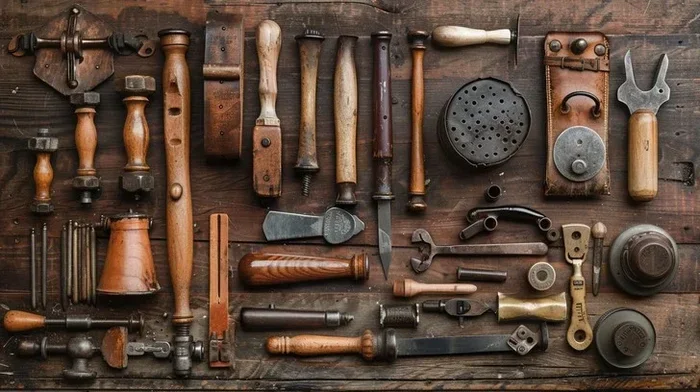
Where to Sell Antique Tools and Earn Top Dollar Today
If you have antique tools collecting dust in your garage, now is the perfect time to turn them into cash. Whether you own vintage hand planes, old saws, or rare farm equipment, the right selling platform can dramatically increase your profit. This guide reveals the best places to sell antique tools online and offline, helping you reach serious collectors who are willing to pay top dollar for quality pieces.
Where to Sell Antique Tools and Earn Top Dollar Today
If you have a collection of antique tools gathering dust in your garage or workshop, you might be sitting on a goldmine. Where to sell antique tools is a question many collectors and hobbyists ask every day. The truth is, there are more buyers than ever looking for vintage hand tools, old power tools, and rare equipment from decades past. Whether you inherited a toolbox from a grandparent or cleaned out a retired carpenter’s shop, you can turn those old tools into cash. This guide walks you through every option available today, from online marketplaces to local venues and everything in between.
Selling antique tools is not just about making money. It is about preserving history and passing prized items to people who truly appreciate them. A well-placed vintage hand plane or a rust-free set of antique wrenches can fetch surprising prices when they reach the right buyer. In this article, you will learn the best platforms, local spots, and insider tips to help you sell antique tools for top dollar. We also cover how to value your collection, avoid common pitfalls, and present your tools in the best possible light.
Let us dive in and explore every avenue you can use to turn your old tools into real money. You will come away with a clear action plan and the confidence to start selling right away.
Key Takeaways
- Online marketplaces connect you with global buyers who actively search for rare antique tools daily.
- Tool condition drives most of its value so clean and document yours before listing.
- Research comparable sold listings first to set a fair and profitable asking price.
- Specialty dealers and collectors pay top dollar for well-preserved vintage and antique hand tools.
- High-quality photos and detailed descriptions sell faster and attract serious buyers instantly.
- Listing on multiple platforms maximizes your exposure and increases the chance of top offers.
- Provenance and original packaging boost resale value significantly so keep all paperwork and boxes.
📑 Table of Contents
- Why Antique Tools Are Worth Selling Today
- Online Marketplaces to Sell Antique Tools
- Local Venues and In-Person Selling Options
- Auction Houses and Specialty Dealers
- How to Determine the Value of Your Antique Tools
- Tips for Getting the Best Price When Selling
- Common Mistakes to Avoid When Selling Antique Tools
- Key Takeaways
Why Antique Tools Are Worth Selling Today
The antique tool market has grown steadily over the past decade. More people are embracing vintage craftsmanship and DIY projects with a nostalgic twist. This rising interest means your old tools may be worth far more than you think. Let us look at some of the key reasons why now is a great time to sell.
Nostalgia and Craftsmanship Drive Demand
Many buyers today want tools that were built to last. Modern mass-produced tools often feel cheap and break quickly. In contrast, antique hand tools from brands like Stanley, Craftsman, and Starrett were forged with solid steel and wooden handles that can survive generations. This durability is exactly what collectors and woodworkers seek out.
Woodworking enthusiasts especially love vintage hand planes, chisels, and saws. These tools offer a feel and precision that modern equivalents often lack. When you sell antique tools to this audience, you are offering something they cannot find in a big-box store.
Restoration and DIY Culture Are Booming
The restoration movement is stronger than ever. People love bringing old tools back to life. A rusty vintage drill press or a weathered bench vise becomes a project in itself. Buyers enjoy the process of cleaning, restoring, and using these tools in their workshops.
This trend has pushed prices up for many categories of antique tools. Even tools that need work can sell for good money if the right buyer finds them. The key is knowing where to sell antique tools so they reach people who value them.
Estate Sales and Downsizing Create Opportunities
As older generations downsize or pass on, many antique tool collections come to market. This steady supply of inventory keeps the market active and creates consistent demand. If you have tools sitting unused, this is the perfect time to list them. Buyers are actively searching for quality vintage pieces, and the competition among sellers is manageable if you know your channels.
Online Marketplaces to Sell Antique Tools
The internet has changed how we buy and sell almost everything, and antique tools are no exception. Online platforms give you access to buyers across the country and even around the world. Here are the best online options for selling antique tools and earning top dollar.
eBay: The Classic Choice for Tool Sellers
eBay remains one of the most popular platforms for selling vintage and antique tools. It has a massive built-in audience of collectors and bargain hunters. You can list individual tools or entire collections. The auction format works especially well for rare or hard-to-find pieces.
When selling on eBay, take clear photos from multiple angles. Write detailed descriptions that include brand names, model numbers, and condition notes. Mention any rust, damage, or restoration work. Honest listings build trust and lead to better sales. eBay also offers seller protection, which adds a layer of security for first-time sellers.
Facebook Marketplace and Tool Groups
Facebook Marketplace is a fantastic free option for local sales. Many tool collectors search Facebook daily for vintage finds. You can also join dedicated tool collector groups where members buy and sell regularly. These groups often have members who appreciate the value of antique tools and are willing to pay fair prices.
Posting in niche groups like vintage tool collectors or antique hardware enthusiasts can lead to faster sales. People in these communities understand what a good tool is worth. They are also more likely to buy from someone who shares their passion for vintage tool collecting.
Etsy: A Great Spot for Unique Vintage Pieces
Etsy attracts buyers who love handmade, vintage, and one-of-a-kind items. If you have particularly rare or beautifully crafted antique tools, Etsy could be your best bet. The platform’s audience expects and appreciates items with history and character.
Setting up an Etsy shop is straightforward. You pay a small listing fee per item, plus a transaction fee when something sells. The benefit is that Etsy buyers are often willing to pay premium prices for quality vintage pieces. This makes it a strong choice if you want to sell antique tools online for the highest possible return.
Ruby Lane and Specialty Antique Sites
Ruby Lane is an online marketplace focused on antiques and collectibles. It has a more curated feel than eBay, which can appeal to serious collectors. The site charges monthly fees, but the audience is highly targeted. If you have high-value antique tools, Ruby Lane can connect you with buyers who understand their worth.
Other specialty sites like TIAS.com and Collectors Weekly also cater to antique tool enthusiasts. These platforms may have smaller audiences, but the buyers who visit them are serious collectors. They are less likely to lowball you and more likely to appreciate the items you are offering.
Local Venues and In-Person Selling Options
Not everyone wants to deal with shipping boxes and tracking numbers. Local selling has its own advantages, especially for heavy or fragile antique tools. Let us explore the best in-person options.
Estate Sales and Garage Sales
Estate sales are one of the most effective ways to sell a large collection of antique tools. When someone passes away or moves into a smaller home, their entire contents often go up for sale. You can either organize your own estate sale or partner with a professional company that handles the process for you.
Garage sales work well for smaller collections. A well-staged table of vintage tools can attract tool enthusiasts who happen to drive by. The key is to display tools neatly and price them clearly. Use signs that say “Vintage Tools” or “Antique Collection” to draw attention. Many garage sale shoppers are hunters looking for hidden gems, and antique tools fit that bill perfectly.
Flea Markets and Swap Meets
Flea markets and swap meets are treasure troves for tool sellers. These events draw crowds of collectors, hobbyists, and bargain seekers every weekend. Setting up a booth lets you interact face-to-face with buyers who appreciate the value of what you have.
You will usually pay a small booth fee, but the foot traffic can lead to quick sales. Bring your best pieces and display them prominently. Have price tags ready and be prepared to negotiate. Flea markets are also great for finding buyers who might purchase an entire collection in one transaction.
Local Antique Shops and Pawn Shops
Antique shops in your area may buy antique tools outright or sell them on consignment. Consignment means the shop sells the tool for you and takes a percentage of the final price. This is a low-effort way to reach local buyers without managing the sale yourself.
Pawn shops are another option, though they typically offer lower prices since they need to make a profit on resale. Still, pawn shops can provide quick cash if you need to sell fast. Visit several shops in your area to compare offers and find the best deal for your tools.
What to Do With Tools You Cannot Sell
Sometimes you will have tools that simply do not sell. Rather than letting them collect dust, consider what to do with old equipment that still has some life left. Many communities have tool libraries or maker spaces that accept donations of usable tools. You could also list them for free on local buy-nothing groups on Facebook. Someone will always find a use for them, and you clear space in your workshop.
Auction Houses and Specialty Dealers
For high-value or rare antique tools, auction houses and specialty dealers offer a premium selling experience. These channels connect you with serious collectors who are willing to pay top dollar for exceptional pieces.
Working With Auction Houses
Local and regional auction houses often host antique tool sales or general antiques auctions that include tools. You can consign your tools to the auction house, and they handle marketing, display, and the sale. Auction houses charge a commission, usually a percentage of the final sale price, but they reach a buyer base that is actively looking for rare items.
Major auction houses like Christie’s and Sotheby’s occasionally feature tool collections, though these are typically for extremely rare or historically significant pieces. For most sellers, local auction houses provide the best balance of reach and cost.
Specialty Antique Tool Dealers
There are dealers who specialize specifically in antique tools. These experts know the market inside and out. They can appraise your collection, advise on pricing, and handle the sale for you. The trade-off is that dealers take a larger cut, sometimes 30 to 50 percent of the sale price.
However, dealers also save you time and effort. They know which tools sell fast and which ones need more patience. If you have a valuable collection and want a hassle-free experience, working with a specialty dealer is a solid choice. You can find these dealers through antique tool shows, forums, and online directories.
How to Determine the Value of Your Antique Tools
Knowing what your antique tools are worth is essential before you list them for sale. Pricing too high scares buyers away, and pricing too low means leaving money on the table. Here is how to get a realistic value for your collection.
Research Comparable Sales
The best way to value antique tools is to look at what similar items have sold for recently. Search completed listings on eBay and note the final prices, not the starting bids. Check completed sales on Etsy and other marketplaces too. This gives you a real-world picture of what buyers are willing to pay.
Pay attention to factors that affect price. Condition matters enormously. A tool in original, unrestored condition can be worth more than a refurbished one if collectors prefer authenticity. Rarity also plays a big role. Limited production runs, unique features, and tools from famous manufacturers command higher prices.
Get a Professional Appraisal
For high-value pieces, consider getting a professional appraisal. Antique tool appraisers have the expertise to identify brands, dates, and rare features that affect value. An appraisal costs money upfront, but it can help you set a price that reflects the true worth of your tools.
Appraisers also provide documentation that can increase buyer confidence. When a buyer sees that a tool has been professionally appraised, they feel more secure in the purchase. This can lead to faster sales and better prices.
Condition Grading and Its Impact on Price
Condition grading is standard in the antique tool world. Here is a simple scale most collectors use:
- Mint: Looks new or barely used. No rust, no damage. Original finish intact.
- Excellent: Very good condition with minor signs of age. Light surface rust or small scratches.
- Good: Functional with visible wear. May need cleaning or light restoration.
- Fair: Shows significant wear or damage. Still usable but not cosmetically appealing.
- Poor: Broken, heavily rusted, or missing parts. Usually sold for parts or restoration projects.
Tools in mint or excellent condition sell for the highest prices. Even tools in fair or poor condition have value, especially if they are rare or from a desirable manufacturer. Be honest about condition in your listings to build trust and avoid disputes.
Tips for Getting the Best Price When Selling
Once you know what you have and where to sell it, the next step is maximizing your return. A few smart strategies can make a big difference in the final price you receive.
Clean and Present Your Tools Properly
First impressions matter a lot when selling antique tools. A thorough but gentle cleaning can dramatically improve how your tools look in photos and in person. Use a soft cloth and a mild cleaning solution to remove surface rust and grime. Do not use harsh chemicals that might damage the original patina.
For wooden handles, a light application of linseed oil can bring back the warmth and grain. Polish metal parts with a gentle metal cleaner. The goal is to show the tool at its best without making it look refinished. Collectors often prefer original finish over a fresh coat of paint.
Photograph Your Tools Like a Pro
Good photos sell tools faster and for more money. Use natural lighting and a clean background. Shoot from multiple angles, including close-ups of brand names, markings, and any unique features. If the tool has a box or original packaging, include it in the photos. Original packaging adds significant value.
Blur-free, well-lit images show buyers that you are serious and trustworthy. This small effort pays off in higher offers and fewer questions from potential buyers.
Write Detailed and Honest Descriptions
Your listing description is your sales pitch. Include the brand, model, size, and condition of each tool. Mention any flaws honestly. Buyers appreciate transparency, and it builds confidence in your listings.
Use keywords naturally in your descriptions so buyers searching for specific items can find you. Instead of just saying “old wrench,” describe it as a “vintage adjustable wrench from the 1940s in excellent working condition.” Specific details help buyers understand exactly what they are getting.
Bundle Tools for Higher Sales
Selling tools as a bundle often brings in more money than selling them individually. A lot of tools creates a sense of value and saves the buyer time and shipping costs. If you have a collection, consider offering it as a single lot at a slight discount from the combined individual prices.
Bundling works especially well for entire workshop sets or collections from the same maker. It also reduces the number of individual transactions you need to manage, saving you time and effort.
Maintain Your Tools to Preserve Value
If you are not ready to sell yet, proper storage and maintenance protect your tools’ value. Keep tools in a dry environment to prevent rust. Store them in organized cases or on pegboards where they will not get damaged. Regular light maintenance, like oiling moving parts and wiping down surfaces, keeps tools in top condition.
Well-maintained tools hold their value better over time. If you follow proper building maintenance tools practices, your collection stays in excellent shape and commands higher prices when you are ready to sell.
Common Mistakes to Avoid When Selling Antique Tools
Even experienced sellers make mistakes that cost them money. Being aware of these pitfalls helps you avoid them and get the best results from your sales.
One common mistake is underpricing your tools. Many sellers assume old tools are worthless because they are used. In reality, antique tools often have significant value, especially if they are from sought-after brands or in good condition. Do your research before setting a price.
Another mistake is poor photography or vague descriptions. Buyers cannot see the tool in person, so your photos and words are all they have. Blurry pictures and incomplete descriptions lead to low offers or no interest at all.
Shipping mistakes can also hurt your sales. Antique tools need careful packaging to survive transit. Use bubble wrap, foam padding, and sturdy boxes. A damaged tool leads to negative reviews and refund requests. Invest time in packing to protect your tools and your reputation as a seller.
Finally, do not ignore local buyers. While online platforms are convenient, local sales save on shipping and can close faster. Use Facebook Marketplace, Craigslist, and local antique shops to reach buyers in your area. A mix of online and local selling channels gives you the best chance to move your tools quickly and at the best price.
Key Takeaways
Selling antique tools is a rewarding way to turn your collection into cash while connecting these tools with people who appreciate them. The best approach combines online marketplaces, local venues, and smart pricing strategies. Here is a quick recap of what you should do:
- Research your tools thoroughly to understand their true value.
- Use multiple selling channels to reach the widest audience.
- Take high-quality photos and write honest, detailed descriptions.
- Clean and present your tools to make them appealing.
- Consider bundling tools for higher overall sales.
- Avoid common mistakes like poor packaging and underpricing.
The market for antique tools is strong and growing. Whether you have a few pieces or an entire workshop collection, there are buyers out there ready to purchase. Start with the platforms and venues that feel most comfortable to you, and refine your approach as you gain experience. The tools you have been storing in your garage could be the next thing someone treasures in their own workshop.
Frequently Asked Questions
Where Can I Sell Antique Tools and Get the Best Price?
You can sell antique tools through online marketplaces like eBay and Etsy, specialized auction houses, local antique shops, and flea markets. Each platform has its own audience, so choosing the right one depends on the type and rarity of your tools. Researching comparable sales helps you set a competitive price and attract serious buyers.
How Do I Determine the Value of My Antique Tools Before Selling?
Start by checking completed listings on auction sites to see what similar tools have recently sold for. Condition, rarity, brand, and historical significance all play a big role in定价. Consulting a qualified appraiser or joining online collector forums can also give you a more accurate estimate of your tools’ worth.
What Types of Antique Tools Sell the Fastest?
Hand planes, vintage wrenches, early woodworking chisels, and blacksmith tools tend to move quickly among collectors. Tools from well-known manufacturers like Stanley, Craftsman, and Snap-on often command higher prices. Items with original handles, markings, and minimal restoration usually attract the most interest from buyers.
Should I Sell Antique Tools Online or Locally?
Online platforms like eBay, Ruby Lane, and specialty antique forums give you access to a global audience of serious collectors. Selling locally through estate sales, antique malls, or flea markets saves on shipping costs and allows buyers to inspect the tools in person. A combination of both approaches often yields the best results for maximizing your sales.
How Should I Prepare My Antique Tools for Sale?
Clean each tool gently with appropriate methods to preserve its original patina and character. Take clear, well-lit photos from multiple angles and write detailed descriptions that include measurements, condition, and any markings. Honest and thorough listings build trust and help you earn top dollar from buyers.
Are There Specialty Buyers Who Purchase Antique Tools in Bulk?
Yes, many dealers and collectors specialize in buying antique tool collections, especially estate lots and garage sale finds. Online platforms like Collectors Weekly and regional antique tool societies can connect you with buyers looking for bulk purchases. Selling in groups often saves time and can lead to better overall offers compared to selling individual pieces.