What Do You Use an Air Compressor For Besides Tires
An air compressor is one of the most versatile tools you can own. People use it for far more than just inflating tires, from powering nail guns and paint sprayers to cleaning tight spaces and running workshop tools. This guide covers the top uses, practical tips, and expert insights to help you get the most out of your compressor.
Key Takeaways
- Versatile Tool: Air compressors power a wide range of pneumatic tools for home projects and professional work.
- Cleaning Power: Compressed air makes quick work of dust, debris, and hard-to-reach messes.
- Painting Made Easy: Paint sprayers attached to compressors deliver smooth, even finishes on any surface.
- Smart Choice Matters: Choosing the right compressor size and type ensures you get the job done efficiently.
- Maintenance Matters: Regular upkeep keeps your compressor running strong for years.
- Energy Efficient: Air-powered tools use less energy and last longer than their electric counterparts.
- DIY Friendly: Even beginners can use compressors for simple home improvement tasks with great results.
📑 Table of Contents
- What Is an Air Compressor and Why It Matters
- Top Uses for an Air Compressor Beyond Tires
- How to Choose the Right Compressor for Your Needs
- Power Sources and Energy Considerations
- Maintenance Tips to Keep Your Compressor Running Strong
- Common Mistakes People Make With Air Compressors
- Expert Insights: Getting More Value From Your Compressor
- Conclusion
What Is an Air Compressor and Why It Matters
An air compressor is a machine that takes in air and squeezes it into a smaller space. This creates stored compressed air that you can use to power all kinds of tools and equipment. It is one of those devices that quietly sits in your garage but does some serious heavy lifting when you need it.
Most people know compressors for one job: filling up car tires. But that barely scratches the surface. The truth is, air compressor uses go way beyond tire inflation. From building furniture to cleaning a messy workshop, a compressor makes life easier in dozens of ways.
Whether you are a weekend DIY enthusiast or a professional contractor, understanding what your compressor can do opens up a whole new world of possibilities. Let us dive into the many ways people put these machines to work.
Top Uses for an Air Compressor Beyond Tires
You might be surprised by how many tasks a simple compressor can handle. Here are the most common and useful applications that go far beyond just tire pressure checks.
Powering Pneumatic Tools
This is the big one. Pneumatic tools run on compressed air, and they are incredibly powerful. You plug them into your compressor with a compressor hose, and they do the work for you. Some popular pneumatic tools include:
- Nail guns for framing, trim work, and roofing
- Impact wrenches for loosening tight bolts and lug nuts
- Drills and grinders for cutting and shaping materials
- Sanders for smoothing wood, metal, and drywall
- Ratchets for fastening in tight spaces
These tools are lighter than their electric versions and deliver more torque. That is why you see them on construction sites and in auto shops every single day. If you have ever wondered why pros love them so much, this is the reason.
Cleaning and Blowing Dust
Compressed air makes an amazing cleaning tool. A quick burst of air can blow dust, debris, and crumbs out of places your vacuum simply cannot reach. Here are some cleaning scenarios where a compressor shines:
- Blowing dust off computer keyboards and electronics
- Cleaning sawdust out of workshop corners
- Blowing leaves and dirt off driveways and patios
- Removing debris from tight spaces in engines or machinery
- Cleaning air filters on HVAC units and tools
A lot of people do not realize how useful a compressor is for everyday cleaning tasks. It is fast, powerful, and leaves no residue behind. That is a huge advantage over using rags or chemical cleaners.
Paint Spraying and Finishing
Want a smooth, professional-looking paint job? A compressor paired with a paint sprayer is the way to go. Whether you are painting a fence, refinishing furniture, or touching up a wall, an air sprayer gives you an even coat that brushes and rollers simply cannot match.
Many homeowners use their compressors for seasonal projects. Think about painting outdoor furniture in the spring or refinishing a deck before summer. The results look amazing, and the job goes much faster than doing it by hand.
Inflating Sports Equipment and Toys
Beyond car tires, compressors can inflate basketballs, soccer balls, inflatable pools, and even air mattresses. If you have kids or host outdoor gatherings, this is a handy feature you will use more than you think. A simple air inflation attachment makes the process quick and effortless.
Running Air Tools in the Workshop
A home workshop becomes ten times more productive when you add compressed air to the mix. Woodworkers, metalworkers, and hobbyists all rely on workshop equipment powered by air. These tools are quieter, lighter, and do not create sparks, which makes them safer in many environments.
Many people who start with a small compressor for tire inflation end up buying bigger models as they discover new uses. It is a natural progression that almost every tool owner goes through.
How to Choose the Right Compressor for Your Needs
Not all compressors are created equal. Picking the right one depends on what you plan to do with it. Let us break down the key factors that matter most.
Understanding PSI and CFM
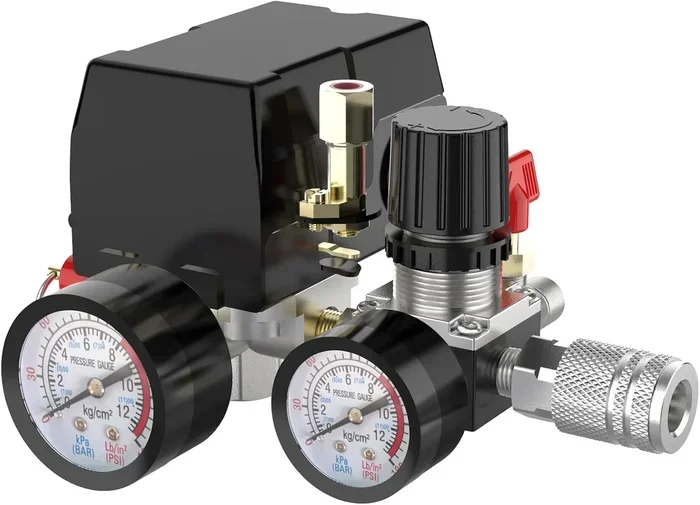
Two numbers matter when choosing a compressor: PSI (pounds per square inch) and CFM (cubic feet per minute). PSI measures how much pressure the machine can produce. CFM measures how much air it delivers over time.
- Low PSI (0-90): Great for inflating tires and balls
- Medium PSI (90-150): Good for most home DIY projects
- High PSI (150+): Needed for heavy-duty power tools
Always check the requirements of the tools you plan to use. Each tool has a minimum PSI and CFM rating. If your compressor cannot meet those numbers, the tool will not work properly.
Tank Size and Portability
Compressors come with either a tank or a tankless design. Tank models store compressed air and deliver it in bursts. They are great for tools that need short bursts of energy. Tankless models deliver a continuous flow of air and are perfect for tasks that need constant pressure.
If you plan to move your compressor around the garage or job site, look for a portable compressor with wheels and a handle. These are much easier to transport than large stationary units.
Oil-Free vs. Oil-Lubricated Models
Oil-free compressors require less maintenance and are lighter in weight. They are a great choice for most homeowners. Oil-lubricated models last longer and run cooler, but they need regular oil changes and more upkeep.
For casual home use, an oil-free unit is usually the smarter pick. It saves you time and hassle in the long run.
Power Sources and Energy Considerations
Air compressors need a power source to run. Most home models plug into a standard wall outlet. But what about larger setups or backup power situations? Some homeowners connect their compressors to a whole house generator to keep their workshop equipment running during power outages. If you are curious about sizing a generator for your home, check out this guide on what size whole house generator do I need to make sure you have enough backup power for all your tools.
Portable gas-powered compressors exist too. These are popular on job sites where electricity is not available. They run on gasoline and give you the freedom to work anywhere. However, they are louder and produce exhaust, so they are best suited for outdoor use.
When choosing a power source, think about where you will use the compressor most often. A reliable electric model works great for a home garage. A gas unit makes more sense for remote construction sites or outdoor projects.
Maintenance Tips to Keep Your Compressor Running Strong
Like any tool, your compressor needs regular care to perform its best. A well-maintained machine lasts longer and runs more efficiently. Here are some simple maintenance steps you should follow.
Drain the Tank Regularly
Moisture builds up inside the tank every time you use the compressor. Over time, this can cause rust and reduce the tank’s lifespan. Make it a habit to drain the tank after each use. It only takes a few seconds and saves you from costly repairs down the road.
Check the Air Filter
A clogged air filter restricts airflow and makes the motor work harder. Inspect the filter every few weeks and clean or replace it when it looks dirty. This simple step keeps your compressor running smoothly and extends its life significantly.
Inspect the Hose and Connections
A leaky hose wastes compressed air and reduces tool performance. Check all connections and the compressor hose for cracks or wear. Tighten any loose fittings and replace damaged hoses right away. This keeps your system efficient and safe.
Store It Properly
When not in use, store your compressor in a dry, cool place. Moisture and extreme temperatures can damage the motor and tank over time. A clean, covered compressor will serve you well for many years.
Common Mistakes People Make With Air Compressors
Even experienced users make mistakes that shorten the life of their compressor or lead to poor results. Here are a few pitfalls to avoid.
- Overinflating tires: Too much air pressure can damage tires and be dangerous on the road. Always check the recommended PSI for your vehicle.
- Ignoring moisture buildup: Skipping tank drainage leads to rust and eventual tank failure.
- Using the wrong tools: Not all pneumatic tools work with every compressor. Match your tools to your machine’s PSI and CFM ratings.
- Skipping maintenance: Regular upkeep takes minutes but prevents hours of headaches later.
- Overloading the compressor: Running too many tools at once can exceed the compressor’s capacity and cause it to overheat.
Avoiding these simple mistakes keeps your compressor in top shape and ensures you get the best results from every project.
Expert Insights: Getting More Value From Your Compressor
Professional contractors and experienced hobbyists have a few tricks that can help you get more out of your machine. Here are some tips from the pros.
First, invest in a good moisture trap. This small attachment fits between the compressor and your tool. It removes water from the compressed air before it reaches your equipment. This prevents rust inside your tools and gives you cleaner, drier air for painting and finishing work.
Second, consider your air compressor maintenance schedule seriously. Many people only think about their compressor when something goes wrong. A little prevention goes a long way. Change the oil, check the filters, and inspect the hoses on a regular schedule. Your future self will thank you.
Third, think about how you use your compressor in relation to your other workshop tools. If you use a lot of power-hungry equipment, you might want to look into a larger model or even a backup power solution. Some homeowners pair their compressor with a portable generator for added flexibility. If you want to learn more about generator sizing for your needs, this guide on how much is a generator for a house offers helpful insights on budgeting for backup power.
Finally, do not underestimate the value of a good compressor hose. A high-quality hose with quick-connect fittings makes switching between tools fast and easy. It is a small upgrade that makes a big difference in your workflow.
Conclusion
The air compressor is one of the most underrated and useful tools you can own. From powering pneumatic tools and paint sprayers to cleaning workspaces and inflating anything that holds air, the uses go far beyond simple tire inflation. Once you start exploring what your compressor can do, you will find yourself reaching for it again and again.
Choose the right size, maintain it properly, and invest in quality attachments. A good compressor serves you well for years and opens up new possibilities for both home projects and professional work. The next time you need to tackle a job, remember that your compressor is ready to do a lot more than just fill up a tire.
Frequently Asked Questions
Can I use an air compressor to clean my car?
Absolutely. Compressed air is excellent for blowing off dirt, dust, and debris from your car’s exterior and engine bay. Just keep the PSI moderate and hold the nozzle a few inches away from the surface to avoid any damage. It is a quick and effective alternative to a traditional car wash for light cleaning.
What size air compressor do I need for home use?
For most home tasks like inflating tires, running a nail gun, or light painting, a compressor with 1-3 HP and a tank size of 6-8 gallons works well. If you plan to run multiple tools at once, you will need a larger model with higher CFM ratings. Check the requirements of your tools before purchasing.
Is an oil-free compressor good enough for home use?
Yes, for most homeowners, an oil-free compressor is the best choice. It requires less maintenance, is lighter, and is easier to move around. Oil-free models work perfectly for powering pneumatic tools, inflating items, and light cleaning tasks around the house.
Can I use my air compressor indoors?
Electric compressors are safe for indoor use as long as you have proper ventilation. Gas-powered compressors should only be used outdoors because they produce carbon monoxide exhaust. Always read the manufacturer’s guidelines before using any compressor in an enclosed space.
How often should I drain my compressor tank?
You should drain the tank after every use to prevent moisture buildup. Moisture inside the tank can cause rust and reduce the life of the machine. It only takes a few seconds and is one of the simplest maintenance steps you can take.
What is the difference between a portable and stationary compressor?
A portable compressor is smaller, lighter, and often has wheels for easy movement. It is ideal for home garages and small workshops. A stationary compressor is larger and more powerful, designed for permanent setups in professional workshops or job sites where mobility is less of a concern.