2300 Watt Generator What Will It Run and Power Things
A 2300 watt generator what will it run is one of the most common questions homeowners and campers ask. This size generator can power most household essentials, smaller power tools, and outdoor equipment. It strikes the perfect balance between portability and power output, making it a top choice for emergency power and recreational use.
Key Takeaways
- Versatile Power Source: A 2300 watt generator can run most essential household appliances, smaller power tools, and outdoor devices efficiently.
- Understand Wattage Basics: Knowing the difference between running watts and starting watts is critical to avoiding overload.
- Fuel Efficiency: These generators typically offer excellent fuel economy, lasting 8-10 hours on a single tank at half load.
- Best for Partial Backup: While not ideal for powering an entire home, it works great for home emergency backup of key circuits.
- Portable and Practical: Their compact size makes them easy to transport for camping, tailgating, and job sites.
- Proper Sizing Matters: Always calculate your total electrical load before purchasing to ensure the generator meets your needs.
📑 Table of Contents
- 2300 Watt Generator What Will It Run and Power Things
- What Can a 2300 Watt Generator Run?
- Understanding Wattage: Running Watts vs Starting Watts
- How to Size Your Generator Correctly
- Fuel Efficiency and Runtime of a 2300 Watt Generator
- Best Uses for a 2300 Watt Generator
- Common Mistakes When Choosing a Generator
- Quick Tips for Getting the Most Out of Your 2300 Watt Generator
- Expert Insights on Generator Sizing
- Conclusion
2300 Watt Generator What Will It Run and Power Things
So you are thinking about buying a 2300 watt generator? Maybe you want emergency power for your home, or perhaps you need something reliable for camping trips and outdoor events. Whatever the reason, this is one of the most popular generator sizes on the market. And for good reason too. A 2300 watt generator what will it run is a question that crosses the minds of many buyers before they make a purchase.
The good news is that this generator size is incredibly versatile. It can handle most household essentials like refrigerators, lights, and fans. It can also power smaller power tools and outdoor equipment with ease. But like any generator, it has limits. Understanding those limits is the key to getting the most out of your investment. In this guide, we will walk you through everything you need to know. We will cover what appliances it can run, how to size it correctly, fuel efficiency, and common mistakes to avoid. By the end, you will know exactly what this generator can handle and whether it is the right fit for you.
Whether you are a homeowner preparing for storms or an outdoor enthusiast looking for portable power, this article has you covered. Let us dive in and explore the full capabilities of a 2300 watt generator.
What Can a 2300 Watt Generator Run?
This is the million-dollar question. The answer depends on a few things, including the wattage capacity of the devices you want to run and whether they have surge or starting requirements. Let us break it down by category so you can see exactly what is possible.
Common Household Appliances
A 2300 watt generator handles most everyday household items without breaking a sweat. Here is a list of common appliances and their typical wattage needs:
- Refrigerator: 600-800 running watts, 1200-1500 starting watts
- Microwave: 600-1000 running watts
- Television: 100-400 running watts
- Lights (LED): 10-50 per bulb
- Fan: 50-100 running watts
- Laptop: 50-100 running watts
- Phone Charger: 5-15 running watts
- Window AC Unit (small): 500-700 running watts
As you can see, you can run several of these at the same time. For example, you could power your refrigerator, a few LED lights, your TV, and charge your phone all at once. That would total roughly 1200-1500 watts. That leaves you plenty of room to spare. Just be careful with devices that have high surge wattage. A microwave and a refrigerator running together can push your limits if both surge at the same time.
Power Tools and Outdoor Equipment
If you are a DIYer or work on job sites, a 2300 watt generator has you covered too. Here are some common power tools and their approximate wattage:
- Drill: 300-600 running watts
- Circular Saw: 800-1200 running watts
- Sander: 300-500 running watts
- Pressure Washer: 1200-1500 running watts
- Welder (small): 1000-1500 running watts
- Air Compressor (small): 1000-1500 running watts
Smaller tools like drills, sanders, and grinders work perfectly. You can run one large tool at a time comfortably. Just remember that some tools draw more power on startup. Always check the starting watts before plugging in multiple devices.
Understanding Wattage: Running Watts vs Starting Watts
This is the part that trips up most people. There are two types of wattage you need to understand. Ignoring this distinction can lead to overloads, tripped breakers, or even generator damage.
Why This Matters
Running watts (also called rated watts) are the continuous power a device needs to operate. Starting watts (also called surge watts) are the extra power needed when a motor kicks on. Think about your refrigerator. It runs smoothly at about 700 watts. But when the compressor starts up, it needs a sudden burst of 1500 watts or more. That brief spike is the starting wattage.
A 2300 watt generator can typically handle surge wattage up to its rated limit. But if two devices surge at the exact same moment, you might hit the cap. This is why proper load management is so important. Always stagger startup times for motor-driven appliances when you can.
Some generators list peak wattage too. This is the absolute maximum output for a very short time. Do not rely on this number for planning. Stick to the running and starting wattage figures for safe operation.
How to Size Your Generator Correctly
Sizing a generator does not have to be complicated. Follow these simple steps and you will get it right every time.
Step-by-Step Guide
- List Everything You Want to Power: Walk through your home or campsite. Write down every device and appliance you plan to run simultaneously.
- Find the Wattage for Each Item: Check the label on each device or look up the specifications. You need both the running and starting watts.
- Add Up the Totals: Start with the running watts for all devices. Then add the highest single starting wattage (not all of them, just the biggest one). This gives you a realistic total.
- Compare to Your Generator: If your total is under 2300 watts, you are good. If it is close to 2300, consider trimming some loads.
- Leave a Buffer: Ideally, keep your load at about 75-80 percent of the generator capacity. This extends the life of the unit and improves fuel efficiency.
For a more detailed guide on connecting a generator to your home, check out our article on how to run generator to house. It walks you through the setup process step by step.
Fuel Efficiency and Runtime of a 2300 Watt Generator
One of the biggest advantages of a 2300 watt generator is its fuel efficiency. Smaller units in this range often feature optimized engines that stretch every drop of fuel. Here is what you can typically expect.
How Long Will It Last?
- At Half Load (about 1150 watts): Most units run 8-10 hours on a full tank of gasoline.
- At Full Load (2300 watts): Runtime drops to about 3-5 hours depending on the tank size.
- At Quarter Load (under 600 watts): You could stretch runtime to 12+ hours on some models.
These numbers vary by brand and model. Tank sizes usually range from 1 to 3 gallons. Some models also feature eco-throttle modes that automatically adjust engine speed based on the load. This is a fantastic feature for extending runtime. If you want to learn more about fuel consumption specifics, our article on how much propane does a 20kw generator use per hour provides useful fuel comparison data even though it focuses on a larger unit.
Propane is another popular fuel option. Many 2300 watt generators are dual-fuel, meaning they can run on both gasoline and propane. This gives you flexibility during emergencies when one fuel might be hard to find.
Best Uses for a 2300 Watt Generator
So where does this generator size truly shine? Let us look at the most popular use cases.
Camping and Outdoor Activities
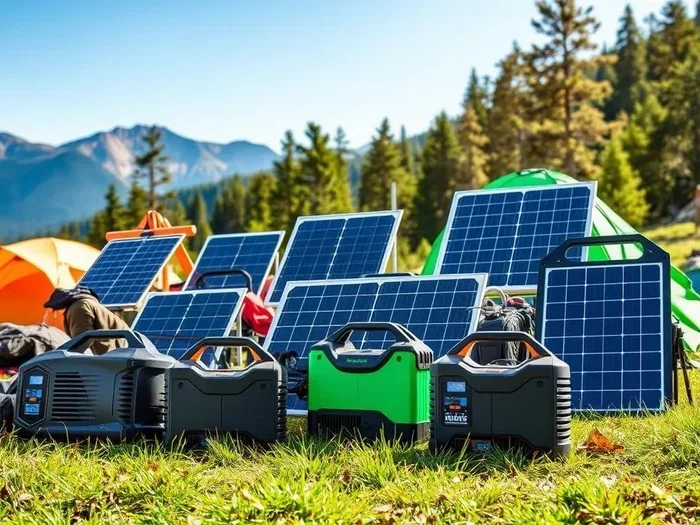
If you love camping, a 2300 watt generator is practically a dream. It is compact enough to fit in most vehicles. Yet powerful enough to run a camp stove, charge devices, power lights, and even run a small fan or heater. Many campers prefer inverter-style generators in this range because they run quietly. You will not wake up the entire campsite with engine noise.
For tailgating parties, this generator can handle a small TV, a sound system, and cooking equipment. It is the perfect companion for outdoor fun without the bulk of a full-size unit.
Home Emergency Backup
Power outages happen. Storms, grid failures, and equipment malfunctions can leave you sitting in the dark. A 2300 watt generator serves as an excellent partial backup solution. You can keep your refrigerator running, power essential lights, charge phones and laptops, and run a small heater or fan for comfort.
However, it is important to set realistic expectations. A unit this size will not power an entire house. For whole-house coverage, you would need a larger system. Our guide on what size generator will run a whole house can help you determine if a bigger unit is needed. You can also read about what powers a Generac home generator to understand how standby systems work for full-home protection.
For most households, a 2300 watt generator covers the essentials until power is restored. Just prioritize your loads and you will be comfortable through any short outage.
Job Sites and Workshops
Contractors and hobbyists appreciate these generators for smaller job sites. They power drills, saws, sanders, and compressors with ease. The portability factor is a huge plus. You can carry them into tight spaces or load them into a truck bed without strain. Just make sure you are not running heavy-duty equipment simultaneously. Space out your tool usage to avoid exceeding the power output limits.
Common Mistakes When Choosing a Generator
Even experienced buyers make mistakes. Here are a few pitfalls to watch out for.
- Ignoring Surge Wattage: This is the number one mistake. People add up running watts and forget about starting surges. Always account for the highest single surge in your calculation.
- Overloading the Unit: Pushing a generator to its absolute limit wears it out faster. It also increases fuel consumption and creates safety hazards. Keep your load below 80 percent.
- Choosing the Wrong Type: There are portable generators and inverter generators. Inverter models are quieter and produce cleaner power. They are better for sensitive electronics like laptops and phones.
- Skipping Maintenance: Generators need regular care. Change the oil, check the spark plug, and run the unit periodically. A neglected generator may fail when you need it most.
- Not Considering Noise: Some generators are loud. If you plan to use them in residential areas or campsites, look for models with low noise ratings. A portable generator with an inverter technology often runs at 50-60 decibels, which is comparable to normal conversation.
Quick Tips for Getting the Most Out of Your 2300 Watt Generator
- Use a power strip with a built-in surge protector to safely manage multiple devices.
- Turn off unused appliances to free up wattage for essential items.
- Run the generator outdoors only. Never use it indoors or in enclosed spaces due to carbon monoxide risk.
- Keep extra fuel stored safely for extended outages or long trips.
- Invest in a transfer switch if you plan to use the generator for home circuits. This makes switching between grid and generator power seamless and safe.
Expert Insights on Generator Sizing
Industry experts recommend matching your generator to your most critical loads rather than trying to power everything. A 2300 watt unit is best treated as a home backup power solution for essentials. Focus on keeping your freezer running, your lights on, and your communication devices charged. Everything else is a bonus. This approach keeps your load manageable, extends runtime, and ensures your generator lasts for years.
Another pro tip is to test your generator regularly. Run it under load at least once a month. This keeps the engine lubricated and the electrical components active. You will also discover any issues before an actual emergency strikes. Taking care of your electrical load management upfront saves headaches later.
Conclusion
A 2300 watt generator what will it run is a fantastic question, and now you have the complete answer. This size generator handles most household essentials, smaller power tools, and outdoor equipment with ease. It offers great fuel efficiency, portability, and reliable power output for partial home backup, camping trips, and job sites. Understanding the difference between running and starting watts is the key to safe and efficient use.
Remember to size your loads carefully, leave a buffer, and maintain your unit regularly. Avoid the common mistakes that trip up so many buyers. With proper planning, a 2300 watt generator will serve you well for years to come. Whether you are preparing for the next storm or heading out for a weekend in the woods, this versatile machine has your back. Take the time to calculate your needs, choose the right model, and enjoy the peace of mind that comes with reliable portable power.
Frequently Asked Questions
Can a 2300 watt generator run a whole house?
No, a 2300 watt generator cannot power an entire house. It can run essential circuits like lights, refrigerator, fans, and phone charging. For full-home coverage, you would need a larger standby generator. A 2300 watt unit is best used as a partial emergency backup for the most critical loads.
Will a 2300 watt generator run a central air conditioner?
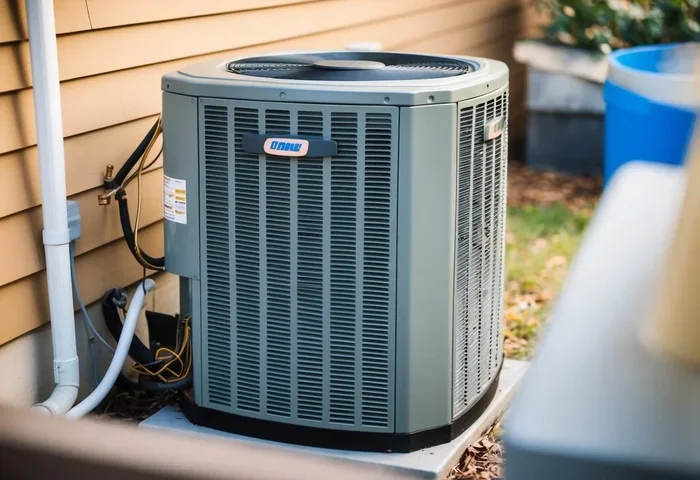
Most central air conditioners require 2000-3000+ running watts with surges up to 4000-5000 watts. A 2300 watt generator typically cannot handle a central AC unit. However, it can run a small window unit (500-700 watts) comfortably. Always check your AC specifications before connecting it to the generator.
How long can a 2300 watt generator run continuously?
On a full tank of gasoline, a 2300 watt generator typically runs 8-10 hours at half load and 3-5 hours at full load. Runtime depends on tank size, load level, and the specific model. Some dual-fuel units can run even longer when using propane, since propane tanks can be larger than gasoline tanks.
Can a 2300 watt generator run a well pump?
It depends on the well pump size. Smaller pumps under 1 horsepower (around 1000-1500 running watts) can usually run on a 2300 watt generator. Larger pumps may exceed the capacity. Check the pump’s starting and running watts, and stagger it with other loads to avoid tripping the breaker.
Is a 2300 watt generator enough for a refrigerator and freezer?
Yes, a 2300 watt generator can handle both a refrigerator and a freezer simultaneously. A typical refrigerator uses 600-800 running watts and a freezer uses 500-700 running watts. Combined, they draw about 1100-1500 watts. Just make sure you do not plug in additional high-wattage appliances at the same time.
What is the difference between a 2300 watt portable generator and an inverter generator?
A standard portable generator at 2300 watts produces raw power suitable for tools and basic appliances. An inverter generator of similar wattage produces cleaner electricity that is safe for sensitive electronics like laptops and smartphones. Inverter models are also quieter and more fuel-efficient due to variable engine speed. They cost more but offer better quality power output.