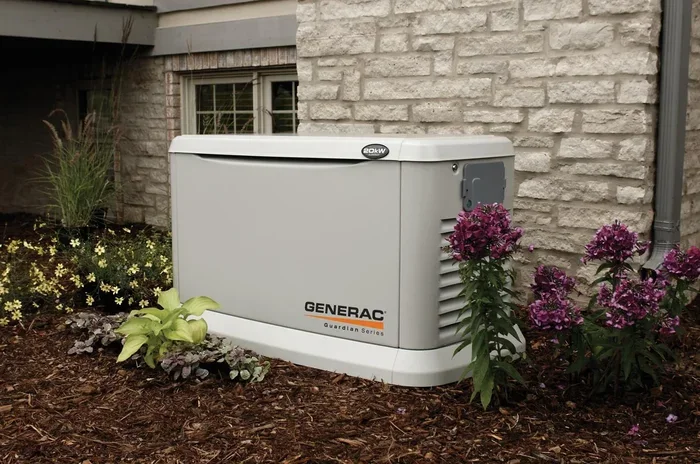
What Powers a Generac Home Generator and How It Works
What powers a Generac home generator is the answer every homeowner needs to know before a storm hits. Generac standby generators run on natural gas, propane, or diesel fuel, and they use a combustion engine to produce reliable emergency power for your entire home. Understanding how your generator works helps you choose the right fuel type, maintain it properly, and keep your family comfortable during outages.
Key Takeaways
- Generac generators run on natural gas, propane, or diesel fuel to produce backup power.
- The combustion engine converts fuel energy into electricity through a simple process.
- An automatic transfer switch detects outages and starts your generator within seconds.
- Proper maintenance keeps your generator running reliably for 20 to 30 years.
- Matching your generator size to your home’s power needs prevents overload issues.
- Natural gas offers the most convenient fuel source for standby generators.
- Regular generator maintenance tasks are simple and affordable for most homeowners.
📑 Table of Contents
- What Powers a Generac Home Generator and How It Works
- Fuel Types That Power Generac Home Generators
- How a Generac Generator Produces Electricity
- The Automatic Transfer Switch: The Key to Seamless Power
- Generator Maintenance Tips for Reliable Performance
- Common Mistakes Homeowners Make with Generac Generators
- Final Thoughts: Keeping Your Home Powered and Protected
What Powers a Generac Home Generator and How It Works
Power outages can happen without warning. Storms, downed trees, equipment failures, and extreme weather all disrupt your electricity supply. When the lights go out, a home backup generator becomes your best friend. But have you ever wondered what powers a Generac home generator and how it actually works?
The answer is simpler than you might think. A Generac standby generator runs on fuel, uses an engine to create mechanical energy, and then converts that energy into electrical power for your home. Whether you face a short outage or a multi-day blackout, understanding how your whole house generator works gives you peace of mind. Let us walk through everything you need to know.
Generac is one of the most trusted names in the standby generator industry. Their units power millions of homes across North America. From the fuel source to the control panel, every component plays a role in keeping your lights on. In this guide, we will break it all down in plain language.
The Basics of Generator Power
At its core, a generator engine works like a car engine. It burns fuel to create motion. That motion spins a rotor inside a stator. The spinning motion generates electrical current. This current then flows through your home’s wiring to power your appliances, lights, and systems.
Generac home generators come in different sizes. Smaller units handle essential circuits like your refrigerator, furnace, and lights. Larger units can power your entire home. The generator capacity you need depends on your household energy use. A professional installer can help you calculate the right size.
The beauty of a Generac unit is its automation. When the power grid goes down, your generator detects the loss and starts itself. You do not need to flip any switches or run outside in the dark. This seamless process is what makes standby generators so valuable for emergency power needs.
Fuel Types That Power Generac Home Generators
The fuel source is the heart of any generator. Different generator fuel types offer different advantages. Your choice depends on your budget, local fuel availability, and how long you need power during an outage. Let us look at the three main options.
Natural Gas: The Most Popular Fuel
Natural gas is the most common fuel for Generac standby generators. It connects directly to your home’s existing gas line. This means you never need to refill a tank. As long as the utility company delivers gas, your generator has fuel.
Many homeowners prefer natural gas because it is clean-burning. It produces fewer emissions than other fuels. It also costs less per hour of operation compared to propane. If you already have natural gas service in your home, this is usually the best choice for your home backup generator.
One downside is that natural gas service can sometimes be interrupted during severe disasters. However, this is rare. For most households, natural gas provides reliable and convenient fuel for power generation.
Propane: A Flexible and Clean Alternative
Propane is another popular choice for Generac generators. It burns cleanly and stores easily in tanks above or below ground. Many homeowners with propane heating systems already have propane tanks on their property.
Propane has a long shelf life. Unlike gasoline, it does not degrade over time. This makes it an excellent option for emergency power situations where you might not use your generator for months. You simply connect the tank and go.
The main consideration with propane is tank size and refilling. A larger tank costs more upfront but gives you longer generator runtime. Most Generac propane systems use a dual-tank setup for extended runtime during long outages.
Diesel Fuel for Heavy-Duty Needs
Diesel fuel powers some larger Generac models. Diesel is energy-dense, meaning it delivers more power per gallon. This makes diesel a great choice for homes with high energy demands.
However, diesel generators require more maintenance. The fuel can gel in extremely cold temperatures. Diesel units also tend to cost more upfront. For most residential homes, natural gas or propane is the preferred generator fuel type.
How a Generac Generator Produces Electricity
Now let us look under the hood. Understanding the power generation process helps you appreciate what your generator does for you every day. The process involves several key steps.
The Engine: Where It All Starts
The generator engine is a small internal combustion engine. It works on the same principle as your car engine. Fuel mixes with air and ignites inside a cylinder. The explosion pushes a piston down. That motion turns a crankshaft. The crankshaft connects to the alternator.
Generac engines are designed for durability. They run on either air-cooled or liquid-cooled systems. Air-cooled engines work well for smaller units. They use fans to blow air across the engine block. Liquid-cooled engines use a radiator and coolant. They run cooler and last longer, making them ideal for larger whole house generator models.
Most residential Generac units use air-cooled engines up to about 22 kilowatts. Anything larger typically uses a liquid-cooled engine. Both types are reliable and built to last for thousands of hours of operation.
The Alternator: Converting Motion to Power
The alternator is where the magic happens. Inside the alternator, a rotor spins inside a stator. The rotor creates a magnetic field. This field moves through copper coils in the stator. That movement generates alternating current, or AC power.
This AC power matches the same electricity that comes from your utility company. Your generator produces clean, stable power. Generac units include voltage regulators that keep the output steady. This protects your sensitive electronics like computers, TVs, and smart home devices.
The Control Panel: Your Generator’s Brain
The generator control panel is the command center. It monitors fuel levels, engine temperature, and electrical output. If something goes wrong, the panel shuts the unit down automatically. This protects both the generator and your home.
Modern Generac models include digital displays. You can check runtime hours, fuel status, and error codes from the panel. Some models connect to your smartphone through Wi-Fi. This lets you monitor your generator from anywhere.
The Automatic Transfer Switch: The Key to Seamless Power
An automatic transfer switch, or ATS, is a critical component. It sits between your generator and your home’s electrical panel. The ATS monitors the power grid constantly.
When it detects a power loss, it sends a signal to the generator. The generator starts within seconds. The ATS then switches your home’s load from the grid to the generator. This all happens automatically. You do not need to lift a finger.
When utility power returns, the ATS reverses the process. It shifts your home back to the grid. The generator runs for a cool-down period and then shuts off. This seamless process keeps your home comfortable and your appliances safe.
The ATS also prevents backfeed. Backfeed is when generator power flows back into the utility lines. This is dangerous for line workers. The ATS ensures your generator only powers your home, not the entire neighborhood.
Generator Maintenance Tips for Reliable Performance
Owning a standby generator comes with some upkeep. Regular generator maintenance keeps your unit running smoothly. A well-maintained generator can last 20 to 30 years or more. Here are the most important tasks.
Routine Maintenance Tasks
- Check oil levels monthly and change oil annually or after 100 hours of use.
- Inspect the air filter every few months and clean or replace it as needed.
- Test the battery regularly. A dead battery is the most common reason generators fail to start.
- Run the generator monthly for about 30 minutes. This keeps the engine lubricated and the battery charged.
- Check fuel lines and connections for leaks or cracks at least twice a year.
- Schedule professional service annually. A trained technician can spot problems early.
Why Maintenance Matters
Skipping maintenance leads to problems. Dirty oil causes engine wear. Clogged air filters reduce efficiency. A weak battery means your generator won’t start when you need it most. Taking a few minutes each month saves you from costly repairs later.
Many homeowners set calendar reminders for their generator maintenance schedule. This simple habit keeps everything on track. Some people also keep a maintenance log. This record helps you track what has been done and what still needs attention.
Common Mistakes Homeowners Make with Generac Generators
Even the best generators can cause problems if you make mistakes. Here are the most common errors homeowners make with their home backup generator.
Buying the Wrong Size
Too many homeowners choose a generator based on price alone. They pick the cheapest option without considering their actual power needs. An undersized generator will overload during use. This can damage both the generator and your appliances.
Take the time to calculate your power needs. Add up the wattage of the appliances and systems you want to run. Then choose a generator with enough capacity to handle that load. A professional installer can help you get this right.
Ignoring Fuel Quality
Old or contaminated fuel causes starting problems. Gasoline degrades within a few months. Propane is more stable, but tanks should still be checked for moisture or debris. Always use fresh fuel and store it properly.
Skipping Monthly Test Runs
Some homeowners install their generator and forget about it. But a generator that sits unused for months may not start when you need it. Running it monthly keeps everything in working order.
Neglecting the Transfer Switch
The ATS needs occasional inspection too. Loose wiring or a faulty switch can cause problems. Have a professional check your transfer switch during your annual generator service visit.
Final Thoughts: Keeping Your Home Powered and Protected
Understanding what powers a Generac home generator helps you feel more confident about your investment. From the fuel source to the control panel, every part works together to deliver reliable emergency power when you need it most.
Natural gas, propane, and diesel each have their strengths. Natural gas offers convenience. Propane provides flexibility. Diesel delivers raw power for larger homes. Choose the fuel that fits your home and your budget.
Regular maintenance keeps your generator ready to go. Monthly test runs, annual oil changes, and professional inspections go a long way. Treat your generator well, and it will treat you well in return.
A home backup generator is more than a convenience. It is a safeguard for your family. It keeps your food cold, your heat running, and your home comfortable no matter what the weather brings. Take the time to learn how your system works. The knowledge gives you confidence and control.
Now that you know how your Generac generator works, you can enjoy the peace of mind that comes with being prepared. Power outages do not have to be stressful. With the right generator and the right fuel, your home stays powered and your family stays safe.
Frequently Asked Questions
What fuel types can power a Generac home generator?
Generac home generators run on natural gas, propane, or diesel fuel. Natural gas is the most popular choice because it connects directly to your home’s gas line and never needs refilling. Propane is a great alternative for homes without natural gas service. Diesel fuel is used in some larger models for higher power output.
How long can a Generac generator run on a full tank of fuel?
Generator runtime depends on the fuel type and load. A natural gas generator can run indefinitely as long as gas flows from the utility line. A propane generator typically runs 5 to 8 days on a standard 500-gallon tank. Diesel units offer long runtime per gallon due to their energy-dense fuel.
Do I need an automatic transfer switch for my Generac generator?
Yes, an automatic transfer switch is essential for standby generators. It detects power outages and starts your generator automatically. It also switches your home’s electrical load safely from the grid to the generator. Without an ATS, you would need to start the generator manually each time.
How often should I maintain my Generac generator?
You should run your generator monthly for about 30 minutes. Check oil levels monthly and change the oil annually. Replace the air filter as needed. Schedule a professional inspection once a year. Consistent generator maintenance extends the life of your unit significantly.
Can a Generac generator power my entire house?
Yes, Generac makes whole house generators that can power every circuit in your home. The key is choosing the right generator capacity. A professional installer will calculate your home’s power needs and recommend the right size unit. Proper sizing prevents overload and ensures reliable performance.
Is it safe to run a Generac generator during a storm?
Yes, Generac standby generators are designed to operate safely in all weather conditions. They are installed outside your home with proper clearance and weather protection. The generator control panel monitors engine conditions and shuts down the unit if any issue is detected. Always follow local installation codes for maximum safety.
=== CONCLUSION ===
What powers a Generac home generator comes down to three things: fuel, an engine, and an automatic transfer switch. Natural gas, propane, and diesel fuel provide the energy source. The combustion engine converts that fuel into mechanical motion. The alternator turns that motion into electrical power for your home. Together, these components create a reliable home backup generator system that keeps your family comfortable during outages.
Regular generator maintenance and smart fuel choices ensure your system works when you need it most. Whether you have a small air-cooled unit or a large liquid-cooled model, understanding how your generator works gives you confidence. Take care of your generator, and it will take care of your home.