What Is the Best Solar Generator for Your Home and Cabin
The best solar generator depends on your power needs, budget, and location. A solar generator uses sunlight to create clean, quiet electricity for your home or cabin. We reviewed top brands, key features, and costs so you can make a smart choice without confusion.
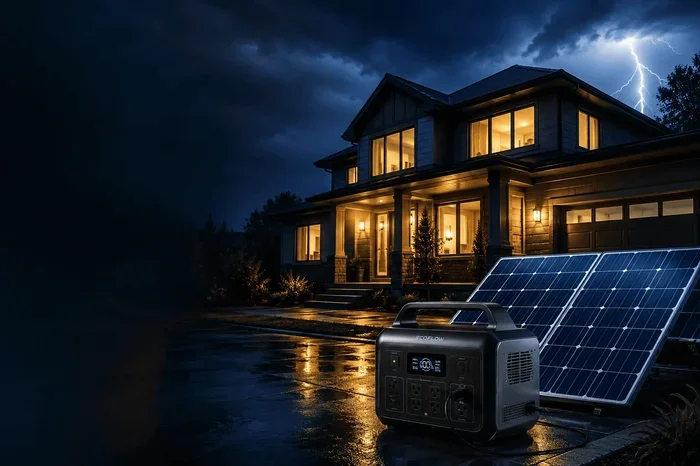
Solar generators are changing the way people power their homes and cabins. Unlike gas generators, a solar generator runs silently and produces zero emissions. It captures sunlight through panels, stores it in a battery, and delivers clean electricity whenever you need it.
Whether you want backup power during outages or a reliable off-grid source for your mountain cabin, the right solar generator makes a big difference. But with so many options on the market, how do you pick the best one? This guide breaks it all down.
We looked at top brands, real-world performance, battery capacity, and price points. By the end, you will know exactly what to look for and which model fits your situation best. Let us dive in.
Key Takeaways
- Solar generators are clean and quiet: They produce power without fuel, noise, or fumes, making them ideal for homes and cabins.
- Size matters: You need to match your generator’s wattage to your actual power needs to avoid shortfalls or wasted money.
- Battery type is critical: Lithium-ion batteries offer the best performance, lifespan, and value for most users.
- Top brands lead the market: Brands like Jackery, EcoFlow, Bluetti, and Goal Zero dominate the portable and home solar generator space.
- Cost varies widely: Prices range from a few hundred dollars for small units to several thousand for whole-home systems.
- Pair panels with your generator: A quality solar panel kit boosts charging speed and overall system efficiency.
📑 Table of Contents
- What Exactly Is a Solar Generator?
- Why Choose a Solar Generator for Your Home?
- Top Solar Generator Brands Compared
- How to Size Your Solar Generator
- Solar Generators for Cabins and Off-Grid Homes
- How Long Does a Solar Generator Last?
- Common Mistakes to Avoid When Buying a Solar Generator
- Quick Tips for Getting the Most Out of Your Solar Generator
- Final Thoughts: Finding the Best Solar Generator for You
What Exactly Is a Solar Generator?
A solar generator is a portable or stationary power system that uses solar panels to charge a built-in battery. It then converts that stored energy into usable electricity through an inverter. Think of it as a mini power plant that runs on sunshine.
Most systems include three main parts:
- Solar panels: These capture sunlight and turn it into direct current (DC) electricity.
- Battery bank: This stores the energy for use when the sun goes down or during cloudy days.
- Inverter: This converts DC power into alternating current (AC) power that your appliances can use.
Some units come as all-in-one kits with everything included. Others let you build your system piece by piece. The best choice depends on your setup and how much power you need.
Why Choose a Solar Generator for Your Home?
More homeowners are switching to solar power for good reasons. A solar generator offers benefits that traditional gas generators simply cannot match.
Silent and Clean Operation
Gas generators are loud. They rattle, vibrate, and produce exhaust fumes. A solar generator runs almost silently. You can place it near your home without disturbing your household or your neighbors. It also produces no harmful emissions, which is better for the environment and your health.
Energy Independence
When you rely on the grid, you are at the mercy of power companies and weather-related outages. A solar generator gives you energy independence. You generate your own power from a free, renewable source: sunlight. This is especially valuable in areas prone to storms or grid failures.
Low Operating Costs
Once you buy your system, fuel costs drop to zero. Sunlight is free. Maintenance costs are also much lower than gas generators since there are no moving engine parts to worry about. Over time, a solar generator saves you significant money.
Top Solar Generator Brands Compared
The market is filled with options, but a few brands stand out as the best in the industry. Here is a closer look at the leading solar generator brands and what makes them special.
Jackery
Jackery offers a wide range of portable and home solar generators. Their Explorer series is popular for its balance of capacity and portability. The Jackery SolarSaga panels are also highly rated for efficiency. If you want a reliable portable solar generator, Jackery is a strong contender.
EcoFlow
EcoFlow is known for fast charging speeds. Their Delta and River series can recharge quickly using solar panels, which is a huge advantage. EcoFlow units also feature smart app controls, letting you monitor power usage from your phone. This brand appeals to tech-savvy users who want renewable energy with modern features.
Bluetti
Bluetti focuses on high-capacity systems for serious power needs. Their AC series offers some of the highest battery capacities on the market. If you need a solar generator that can run heavy appliances or power your entire cabin for days, Bluetti delivers.
Goal Zero
Goal Zero has been in the solar power game for a long time. They build rugged, durable units designed for outdoor use. Their Yeti series is a favorite among campers and cabin owners alike. Goal Zero also offers excellent customer support and a reputation for quality.
| Brand | Best For | Price Range | Key Strength |
|---|---|---|---|
| Jackery | Portability and ease of use | $200 – $3,000 | Balanced performance |
| EcoFlow | Fast charging and smart features | $300 – $3,500 | Quick recharge times |
| Bluetti | High capacity and long runs | $300 – $4,000 | Large battery banks |
| Goal Zero | Durability and outdoor use | $200 – $2,500 | Rugged build quality |
How to Size Your Solar Generator
Choosing the right size is the most important decision you will make. A unit that is too small will not power your essentials. One that is too large wastes money and space. Here is how to get it right.
Calculate Your Power Needs
Start by listing the appliances and devices you want to run. Note the wattage of each item. Add them up to find your total daily watt-hour needs. For example, a refrigerator uses about 400 watts, a furnace blower around 600 watts, and lights can add another 100 to 300 watts.
If you are unsure about your power needs, check out what size generator will run a whole house for helpful guidance on sizing your system correctly.
Match Capacity to Usage
Once you know your daily watt-hour needs, choose a solar generator with enough battery capacity to cover them. Most brands list capacity in watt-hours (Wh) or kilowatt-hours (kWh). As a rule of thumb, add a 20 percent buffer to your total to account for efficiency losses and unexpected usage.
Consider Charging Speed
How fast your unit recharges matters, especially during cloudy periods. Look for a model that supports high-wattage solar input. A unit that accepts 400 watts or more from panels will recharge much faster than one limited to 200 watts.
Solar Generators for Cabins and Off-Grid Homes
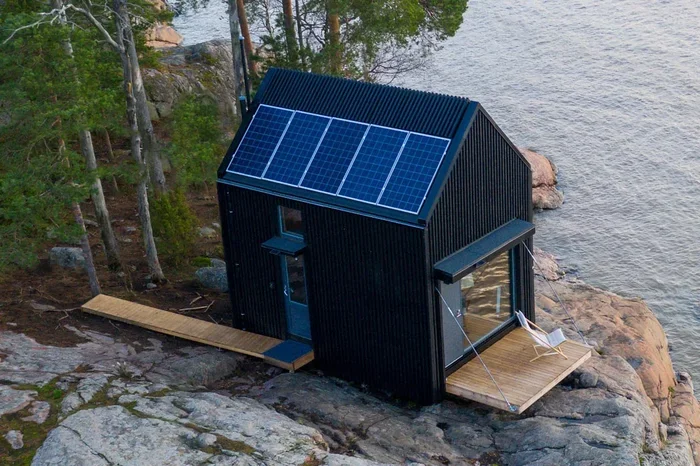
Cabin living and off-grid homes have unique power challenges. You often lack access to the electrical grid, and your power needs can vary by season. A well-chosen solar generator solves these problems elegantly.
Seasonal Power Considerations
Solar panels produce less energy in winter and on cloudy days. If your cabin is in a northern climate, you need a larger battery bank to store enough power for low-sunlight periods. Consider adding extra panels or choosing a unit with expandable battery capacity.
Running Essential Cabin Systems
A typical cabin needs power for lighting, a refrigerator, a furnace or wood stove blower, and device charging. A mid-range solar generator with 2,000 to 3,000 watt-hours of capacity handles these loads comfortably. For heavier needs like power tools or air conditioning, go with a larger system.
If you plan to run your generator directly into your home wiring, learn more about how to run a generator to house safely and effectively.
Maintenance Tips for Cabin Solar Systems
Keep your solar panels clean and free of snow or debris. Check battery connections regularly. Store your unit in a cool, dry place when not in use. These simple steps extend the life of your solar generator and keep it performing at its best for years.
How Long Does a Solar Generator Last?
One of the most common questions buyers ask is about lifespan. A quality solar generator can last anywhere from 10 to 15 years or more with proper care. The battery is the component that wears out first, while panels and inverters often last much longer.
Lithium-ion batteries typically handle 3,000 to 5,000 charge cycles before their capacity drops below 80 percent. That means a well-maintained unit can serve your home or cabin for over a decade. If you want to learn more about generator longevity, check out how long does a whole house generator last for detailed insights on lifespan expectations.
Regular use actually helps maintain battery health. Letting a unit sit unused for months can degrade the battery faster. Try to cycle your solar generator regularly, even if you do not need the power.
Common Mistakes to Avoid When Buying a Solar Generator
Many buyers make avoidable mistakes that cost them time, money, and frustration. Here are the pitfalls to watch out for.
- Buying based on price alone: The cheapest option often lacks capacity, charging speed, or build quality. Always check watt-hours and real-world reviews.
- Ignoring panel compatibility: Not all panels work with every generator. Make sure your panels match the unit’s input requirements.
- Underestimating power needs: Running a space heater or microwave drains battery fast. Always calculate your total load before buying.
- Skipping expandability: Choose a system that allows you to add panels or batteries later as your needs grow.
- Neglecting warranty coverage: A strong warranty protects your investment. Look for at least a two-year warranty on the battery and a five-year warranty on the unit.
Quick Tips for Getting the Most Out of Your Solar Generator
- Place panels in full sun: Angle them toward the south (in the northern hemisphere) for maximum exposure.
- Use energy-efficient appliances: LED lights and ENERGY STAR-rated devices draw far less power than older models.
- Monitor battery levels: Most smart generators have app alerts. Keep an eye on your charge level to avoid surprises.
- Keep panels clean: Dust, leaves, and snow reduce charging efficiency. A quick wipe-down makes a big difference.
- Start small and expand: Buy a unit that meets your current needs, then add panels or batteries later as your budget allows.
Final Thoughts: Finding the Best Solar Generator for You
The best solar generator is the one that matches your power needs, fits your budget, and suits your lifestyle. Whether you need a compact portable unit for weekend camping or a powerful home system for full-time off-grid living, there is a perfect option out there.
Take time to calculate your wattage needs. Compare brands and features. Read real user reviews. And do not forget to factor in the cost of solar panels, since the generator and panels work together as a system.
A solar generator is a smart investment in energy independence and renewable energy. It powers your home quietly, saves you money on fuel, and reduces your carbon footprint. Start with the right unit, and you will enjoy reliable solar power for years to come.
Frequently Asked Questions
What is the best solar generator for a cabin?
For most cabins, a mid-range unit with 2,000 to 3,000 watt-hours of capacity works well. Brands like EcoFlow and Bluetti offer excellent options that balance power output with portability and price. Choose a model that covers your essential loads like lighting, refrigeration, and device charging.
How many solar panels do I need for a solar generator?
The number of panels depends on your generator’s charging input and your energy needs. Most home systems use two to four panels rated between 100 and 400 watts each. Faster charging requires higher-wattage panels or more panels in your solar panel kit.
Can a solar generator power a whole house?
Yes, but only if you choose a high-capacity unit with enough battery storage and solar input. For whole-home coverage, look for systems rated at 3,000 watt-hours or more with expandable battery options. Check out what size generator will run a whole house for detailed sizing guidance.
How long does it take to charge a solar generator?
Charging time varies based on panel wattage and battery size. A 1,000-watt-hour unit with four 400-watt panels can fully recharge in about 4 to 6 hours of direct sunlight. Cloudy days or lower-wattage panels will extend the charging time significantly.
Are solar generators worth the money?
Yes, solar generators offer long-term savings through zero fuel costs and low maintenance. They also provide quiet, clean backup power during outages. Over a 10-year lifespan, a solar generator often pays for itself compared to a gas generator that requires ongoing fuel and upkeep.
What is the lifespan of a solar generator?
A quality solar generator lasts 10 to 15 years or more. The lithium-ion battery typically handles 3,000 to 5,000 charge cycles before needing replacement. Solar panels and inverters often outlast the battery, making the overall system a durable long-term investment.