What Size Air Compressor for Air Tools You Will Love
Choosing the right what size air compressor for air tools depends on your CFM needs, PSI requirements, and the tools you use most. This guide breaks down tank sizes, compressor types, and horsepower so you can match the perfect unit to every job. You will learn how to size a compressor for a nail gun, impact wrench, spray gun, and more — without overspending or underpowered setups.
Selecting the right what size air compressor for air tools can feel confusing at first. You see numbers like CFM, PSI, horsepower, and tank gallons everywhere. It is easy to feel lost. But here is the good news — finding the perfect compressor does not need to be complicated.
Whether you are a weekend DIYer in your garage or a professional running a full shop, this guide will walk you through everything. You will learn how to read air tool requirements, pick the right tank size, and avoid common buying mistakes. By the end, you will feel confident choosing a compressor for air tools that fits your needs and budget.
The right compressor makes every job faster and easier. The wrong one leaves you frustrated, waiting for tanks to refill, or worse — it cannot power your tools at all. Let us fix that right now.
Key Takeaways
- Match CFM to your highest-demand tool: Add 50% extra CFM to ensure steady airflow and avoid compressor short-cycling.
- Tank size affects runtime: Larger tanks (60+ gallons) deliver more air between cycles, ideal for continuous tools like sanders and sprayers.
- Horsepower alone does not tell the whole story: A 5 HP compressor with a small tank may underperform compared to a 3 HP unit with a larger receiver.
- Single-stage vs. two-stage matters for heavy-duty work: Two-stage compressors deliver higher pressure and cooler air, making them better for professional shops.
- Electric and gas compressors serve different needs: Electric units are quieter and cleaner for indoor work, while gas models offer portability for remote job sites.
- Always check your air tool specifications: Every pneumatic tool lists its required CFM and PSI — use those numbers as your starting point.
- Think about future needs: Buying a slightly larger compressor now saves money if you add more pneumatic tools later.
📑 Table of Contents
Understanding Air Compressor Sizes
When people talk about air compressor sizes, they usually mean three things. The first is tank size measured in gallons. The second is airflow measured in CFM. The third is pressure measured in PSI. All three work together to determine what a compressor can handle.
What Does Tank Size Mean?
The tank is the metal container that holds compressed air. Think of it like a gas tank in a car. A bigger tank stores more air. This means the compressor motor runs less often. For tools that need steady airflow — like sanders or spray guns — a larger tank is a big advantage.
Small portable compressors typically have tanks between 1 and 6 gallons. These work great for light tasks. Medium tanks range from 10 to 30 gallons. Large industrial tanks go up to 80 gallons or more. The right size depends entirely on what you plan to do.
What Does CFM Stand For?
CFM stands for cubic feet per minute. It measures how much air the compressor delivers. This is the most important number when you ask yourself what size air compressor for air tools you need. If your tool demands 4 CFM and your compressor only gives 3 CFM, the tool will underperform.
Most air tool manufacturers list the required CFM at a specific PSI. Always check both numbers. A tool might need 4 CFM at 90 PSI. If your compressor hits 90 PSI but only delivers 3 CFM, you will have a problem.
What Does PSI Mean?
PSI stands for pounds per square inch. It measures the pressure of the compressed air. Most common air tools work between 70 and 120 PSI. Some heavy-duty tools need even more. Always match your compressor’s maximum PSI to your tool’s requirements.
A compressor that maxes out at 100 PSI will not run a tool that needs 130 PSI. Simple as that. Check the tool label or the owner’s manual before you buy.
How to Match Your Air Compressor to Your Tools
The best way to choose the right size is to start with your tools. Make a list of every pneumatic tool you plan to use. Write down the CFM and PSI each one needs. Then find the highest CFM number on your list. That is your baseline.
The 50% Rule
Here is a pro tip that saves a lot of headaches. Add 50% to your highest CFM requirement. This gives you breathing room. It prevents the compressor from running constantly. It also lets you add tools later without buying a new compressor.
For example, if your impact wrench needs 5 CFM, aim for a compressor that delivers at least 7.5 CFM. If you also plan to use a nail gun that needs 2.5 CFM, add that too. The total CFM demand might push you to a larger unit.
Common Air Tools and Their CFM Needs
Different tools have very different air demands. Here is a quick look at what common pneumatic tools require:
- Brad nailer: 0.3 to 0.5 CFM at 70 to 90 PSI
- Framing nailer: 2.0 to 2.5 CFM at 70 to 120 PSI
- Impact wrench (1/2 inch): 4.0 to 5.0 CFM at 90 PSI
- Rotary sander: 5.0 to 8.0 CFM at 90 PSI
- Paint sprayer: 3.0 to 6.0 CFM at 40 to 60 PSI
- Die grinder: 4.0 to 5.0 CFM at 90 PSI
- Tire inflator: 2.0 to 4.0 CFM at 30 to 50 PSI
As you can see, the range is huge. A simple brad nailer needs very little air. A sander or impact wrench demands much more. This is exactly why knowing your tools matters so much when choosing compressor size.
Single-Tool vs. Multi-Tool Use
If you only use one air tool at a time, matching the compressor to that single tool is straightforward. But many people run multiple tools. A common setup is a nailer for framing and a sander for finishing. If you switch between them, add their CFM numbers together. That is your combined demand.
Keep in mind that most people do not run two heavy tools at the exact same time. But having a compressor with extra capacity gives you flexibility. It also extends the life of the compressor motor.
CFM and PSI: The Numbers That Matter
Now let us dig deeper into CFM and PSI because these two numbers make or break your compressor choice. Understanding them puts you ahead of most buyers.
Duty Cycle Explained
Duty cycle tells you how long a compressor can run before it needs to rest. It is expressed as a percentage. A 50% duty cycle means the compressor runs for 5 minutes out of every 10. A 100% duty cycle means it can run continuously.
This matters a lot for heavy-duty work. If you are sanding for 30 minutes straight, a compressor with a low duty cycle will keep shutting off. That interrupts your workflow and wears out the motor faster. Look for compressors with at least a 50% duty cycle for regular use.
Why PSI and CFM Work Together
PSI without CFM is useless. A compressor might build up to 150 PSI, but if it only delivers 1 CFM, it will barely move any air. The tool needs both the right pressure and the right volume of air to work properly.
Think of it like a garden hose. PSI is the water pressure pushing through the hose. CFM is how much water actually comes out. You need both a strong pressure and a good flow to get the job done.
Operating PSI vs. Maximum PSI
Many beginners confuse operating PSI with maximum PSI. The maximum PSI is the highest pressure the compressor can build. The operating PSI is the pressure at which it delivers its rated CFM. Always check the operating CFM at your tool’s required PSI.
For instance, a compressor might reach 150 PSI max but only deliver 5 CFM at 90 PSI. If your tool needs 5 CFM at 90 PSI, this unit works. But if it only delivers 3 CFM at 90 PSI, it falls short.
Types of Air Compressors for Different Jobs
Not all compressors are built the same. Different types serve different purposes. Understanding the options helps you pick the right one for your situation.
Portable Electric Compressors
Portable electric compressors are the most popular choice for home garages and light workshops. They are quiet, clean, and easy to move around. Most are oil-free, which means less maintenance. You plug them into a standard 120-volt outlet and they work.
These compressors typically have small to medium tanks. They are perfect for nail guns, staple guns, and light impact wrenches. If you do occasional DIY projects, a portable electric unit is usually all you need.
Stationary Electric Compressors
Stationary electric compressors are bigger and more powerful. They stay in one place — usually a dedicated shop or workshop. They have larger tanks and higher CFM outputs. These units handle continuous tool use much better than portable models.
Many auto body shops and woodworking studios use stationary electric compressors. They are reliable, cost-effective to run, and do not produce exhaust fumes. If you have a dedicated workspace and access to power, this is a great option.
Gas-Powered Compressors
Gas-powered compressors are the choice for remote job sites where electricity is not available. Construction crews, fence installers, and roofing contractors rely on them daily. They deliver serious power and large CFM outputs.
The trade-off is noise and exhaust. You cannot use a gas compressor indoors safely. They also need more maintenance than electric models. But for outdoor work where you need serious air power, nothing beats a gas unit.
Two-Stage vs. Single-Stage Compressors
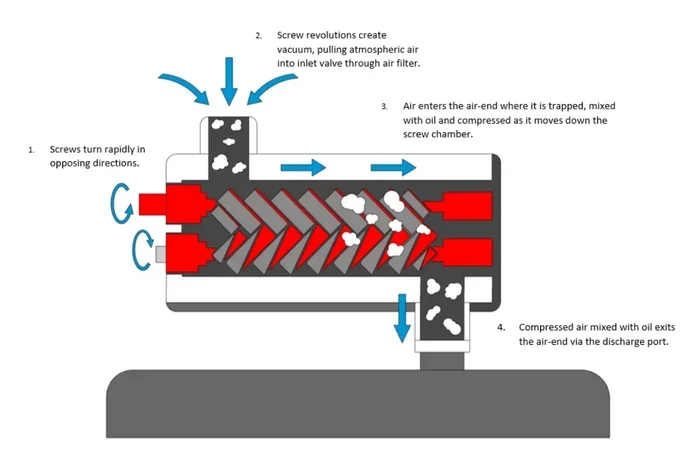
Single-stage compressors compress air in one piston stroke. They typically max out around 120 to 150 PSI. They work well for most common air tools and light-to-medium duty work.
Two-stage compressors compress air twice. The first stage compresses the air, and then a second stage compresses it again. This produces higher pressure — often 175 PSI or more. It also cools the air between stages, which means drier, cleaner output. Two-stage units are ideal for professional shops and heavy-duty tools.
If you run multiple tools for long periods, a two-stage compressor is worth the investment. They last longer and perform more consistently under heavy loads.
Common Mistakes When Choosing Compressor Size
Avoiding mistakes saves you money and frustration. Here are the most common errors people make when buying an air compressor.
Buying Based on Horsepower Alone
Horsepower matters, but it is not the whole picture. A 5 HP compressor with a tiny tank might deliver less usable CFM than a 3 HP compressor with a large tank. Always look at the CFM and PSI ratings first. Horsepower is a secondary consideration.
Think of horsepower like a car engine. A big engine does not mean much if the fuel tank is too small. The compressor needs both the motor power and the air storage to deliver consistent performance.
Ignoring Future Tool Needs
Many people buy a compressor based on what they own today. But what happens when you want to add a new tool next year? If your compressor is already maxed out, you will need to buy another one.
Plan ahead. If you think you might add a sander or a spray gun in the future, size your compressor for that now. The extra cost upfront saves money later.
Underestimating CFM Needs
This is the number one mistake. People buy a compressor that meets their CFM needs exactly — with zero buffer. The problem is that air tools sometimes demand more air than their rated CFM. A compressor running at its maximum limit will overheat and wear out faster.
Always add that 50% buffer. It gives your compressor room to breathe and extends its lifespan significantly.
Forgetting About Air Quality
Some jobs require clean, dry air. Painting, for example, demands moisture-free air. A standard compressor without an aftercooler or moisture trap can ruin a paint job. If you plan to do any spraying, look for compressors with additional air treatment features.
You might also consider adding a separate air dryer or filter system to your setup. This keeps your tools running smoothly and your finished projects looking professional.
How to Size a Compressor: Step-by-Step
Let us put it all together with a simple step-by-step process you can follow right now.
- List all your air tools. Write down every pneumatic tool you plan to use.
- Find the CFM and PSI for each tool. Check the tool label or the owner’s manual.
- Identify the highest CFM requirement. This is your baseline number.
- Add 50% to that number. This gives you your target CFM.
- Match the PSI. Make sure the compressor’s maximum PSI exceeds your highest tool PSI requirement.
- Choose a tank size based on your usage. Small tanks for intermittent use, large tanks for continuous work.
- Pick the right compressor type. Electric for indoor work, gas for outdoor sites, two-stage for professional shops.
Follow these steps and you will end up with a compressor that fits your needs perfectly. It is that simple.
Final Thoughts
Finding the right what size air compressor for air tools comes down to understanding your tools and matching them to the right compressor. Start with CFM and PSI requirements. Add a safety buffer. Choose the right tank size and compressor type for your workspace and job demands.
Do not fall for flashy horsepower numbers or oversized tanks that you do not need. The best compressor is the one that matches your actual use. Whether you need a small portable unit for weekend projects or a heavy-duty two-stage machine for a professional shop, the right choice is out there waiting for you.
Take your time. Do your homework. Check your tool specifications. And when you find the right match, you will wonder why you ever settled for less. Happy compressor shopping!
Frequently Asked Questions
What size air compressor do I need for a nail gun?
A brad nailer needs about 0.5 CFM at 70 PSI, while a framing nailer needs 2.5 CFM at 120 PSI. For most nail gun users, a 2 to 6 gallon compressor with at least 3 CFM output works perfectly. Add 50% buffer if you plan to switch between different nailers.
Can I run multiple air tools at the same time?
Yes, but you must add up the CFM requirements of all the tools you plan to run simultaneously. If your impact wrench needs 5 CFM and your sander needs 6 CFM, you need a compressor that delivers at least 11 CFM. Always add a buffer to avoid short-cycling.
Is a 6-gallon compressor enough for home use?
A 6-gallon compressor is great for light home tasks like nail guns, staplers, and small impact wrenches. It is portable, affordable, and easy to store. However, it may struggle with continuous-use tools like sanders or paint sprayers that demand steady airflow over long periods.
Do I need a two-stage compressor for my garage?
Most home garages do well with a single-stage compressor. Two-stage compressors are better for professional shops that run heavy tools for extended periods. If you do occasional DIY work, a single-stage unit will save you money and still get the job done.
What is the difference between electric and gas compressors?
Electric compressors are quieter, cleaner, and easier to maintain. They work best indoors and in workshops. Gas compressors deliver more power and work anywhere without electricity. They are louder and produce exhaust, so they are best for outdoor job sites.
How often should I maintain my air compressor?
Check the oil level monthly if your compressor is oil-lubricated. Drain the tank moisture after every few uses to prevent rust. Replace air filters every 3 to 6 months depending on use. Regular maintenance keeps your compressor running efficiently for years.
=== CONCLUSION ===
Choosing the right what size air compressor for air tools does not have to be overwhelming. Focus on CFM and PSI first. Match those numbers to your highest-demand tool. Add a 50% buffer for safety and future needs. Pick the right tank size and compressor type for your workspace. Avoid the common mistakes that trap so many buyers.
With the right compressor in your shop or garage, every pneumatic tool will perform at its best. You will work faster, finish cleaner, and enjoy the process more. Use the steps and tips in this guide to make a confident, informed purchase today.