What Is a Carb Compliant Generator and Why It Matters
A carb compliant generator meets the strict air quality standards set by the California Air Resources Board. These generators produce fewer harmful emissions, run more efficiently, and help protect the environment. Whether you live in California or just want cleaner power, choosing a CARB certified generator is a smart move for your home and health.
Key Takeaways
- CARB compliance means cleaner air: A carb compliant generator meets California’s strict emission standards for reduced exhaust output.
- It is legally required in California: Selling or using non-compliant generators in California can result in fines and penalties.
- You get better fuel efficiency: CARB certified engines are designed to burn fuel more completely, saving you money at the pump.
- Multiple types are available: From portable models to standby units, there is a carb compliant option for every need.
- Inverter generators often lead the way: Most modern inverter generators come with CARB certification built in.
- Maintenance matters: Keeping your carb compliant generator well maintained ensures it continues to meet emission standards over time.
📑 Table of Contents
- Understanding CARB and Why Emission Standards Matter
- What Exactly Is a Carb Compliant Generator?
- Key Benefits of a Carb Compliant Generator
- Types of Carb Compliant Generators Available
- How to Choose the Right Carb Compliant Generator
- Common Mistakes to Avoid When Buying a Carb Compliant Generator
- Expert Tips for Getting the Most From Your Carb Compliant Generator
- Conclusion
Understanding CARB and Why Emission Standards Matter
If you have ever shopped for a generator, you have probably seen the term “CARB compliant” printed on the box. But what does it actually mean? And why should you care? Let us break it down in simple terms.
The California Air Resources Board, known as CARB, is a state agency that sets the rules for clean air in California. Their job is to reduce air pollution and protect public health. One of the ways they do this is by setting strict limits on the amount of exhaust gases that small engines can release into the atmosphere.
Generators, lawn mowers, and other small engine equipment all produce emissions. These emissions include harmful pollutants like carbon monoxide, nitrogen oxides, and particulate matter. Over time, these pollutants can hurt the air we breathe and contribute to smog and health problems.
What Exactly Is CARB?
CARB stands for the California Air Resources Board. It was created in 1967, making it one of the oldest air quality agencies in the United States. CARB sets the emission standards that engine manufacturers must follow if they want to sell their products in California.
These standards are often stricter than federal rules set by the EPA. This is because California has a unique geography and climate that makes air pollution a bigger challenge. Mountains trap smog in valleys, and the state’s large population means more vehicles and equipment running every day.
When a generator carries a CARB certification, it means the engine has been tested and approved. It meets the specific limits for exhaust output set by the state. This gives buyers confidence that the product will not pump out excessive pollution.
How Do CARB Standards Work for Generators?
CARB standards for generators focus on a few key areas. First, they measure the amount of hydrocarbons released during operation. Hydrocarbons are unburned fuel particles that contribute to smog. Second, they look at carbon monoxide levels, which are dangerous to breathe in high concentrations.
Manufacturers must run their engines through a series of tests. These tests simulate different operating conditions, like idle speed and full load. If the engine passes all the tests, it earns the CARB compliant label. If it fails, the manufacturer must make changes before it can be sold in California.
It is worth noting that CARB standards apply to generators sold in California, but many manufacturers build their entire product line to CARB specs. This is because it makes business sense. One set of standards is easier to manage than two different ones for different states.
What Exactly Is a Carb Compliant Generator?
A carb compliant generator is a generator that has been certified by the California Air Resources Board as meeting their emission standards. In simple terms, it is a generator that has been proven to produce fewer harmful pollutants than non-compliant models.
These generators use advanced engine technology to burn fuel more completely. This means less waste goes into the air and more energy comes from each drop of fuel. The result is a cleaner, more efficient machine that is better for the environment and your wallet.
How CARB Certification Works
The certification process is thorough. Manufacturers submit their generator models to CARB for testing. The testing evaluates several factors, including the level of exhaust emissions at different engine speeds and loads.
Once a model passes, it receives a CARB certification number. This number is printed on the product label and packaging. You can use this number to verify that a generator is truly compliant before you buy it.
CARB certification is not a one-time deal. Manufacturers must ensure their production models continue to meet the standards. If a model fails a follow-up test, it can lose its certification. This keeps manufacturers honest and ensures consumers get what they pay for.
CARB vs. EPA Standards: What Is the Difference?
Many people confuse CARB standards with EPA standards, but they are not the same thing. The EPA, or Environmental Protection Agency, sets federal emission standards for the entire United States. CARB standards are California-specific and are generally more strict.
A generator that is EPA certified meets the minimum federal requirements. A generator that is CARB compliant goes above and beyond those requirements. In most cases, a CARB compliant generator will also be EPA certified, but the reverse is not always true.
Here is a quick comparison to help you understand the difference:
- CARB Compliant: Meets California’s stricter emission limits. Required for sale in California. Usually includes advanced emission control technology.
- EPA Certified: Meets federal emission standards. Required for sale nationwide. May have less strict limits than CARB.
- Both CARB and EPA: The best of both worlds. Meets all state and federal requirements.
If you live in California, you must have a CARB compliant generator. If you live in another state, you are not legally required to buy one, but there are still many good reasons to consider it.
Key Benefits of a Carb Compliant Generator
Why should you choose a carb compliant generator over a standard model? There are several compelling reasons that go beyond just meeting the law. Let us look at the biggest benefits.
Cleaner Air and Better Health
The most obvious benefit is cleaner air. A carb compliant generator produces fewer harmful pollutants. This means less smog, fewer toxic fumes, and a healthier environment for everyone nearby.
This is especially important if you use your generator indoors or in enclosed spaces like a garage. Even with proper ventilation, a non-compliant generator can release dangerous levels of carbon monoxide. A CARB certified model helps reduce that risk significantly.
For families with children, elderly members, or anyone with respiratory issues, the air quality benefit cannot be overstated. Cleaner exhaust means fewer irritants in the air and a safer backup power source.
Improved Fuel Efficiency
Here is a benefit that hits your wallet directly. Because a carb compliant generator burns fuel more completely, it uses less fuel overall. This means longer run times on a single tank of gas and fewer trips to the fuel station.
Over time, the fuel savings can add up significantly. If you use your generator regularly during power outages or for recreational purposes, the difference in fuel consumption can be quite noticeable. Some users report saving 10 to 15 percent on fuel costs compared to older non-compliant models.
Better fuel efficiency also means less waste. You are not just saving money; you are also reducing the amount of fuel that ends up in the air as unburned hydrocarbons.
Quieter Operation
Many carb compliant generators are also quieter than their non-compliant counterparts. This is because the advanced engine technology that reduces emissions often comes with improved combustion processes. Smoother combustion means less noise.
If you use your generator for camping, tailgating, or powering tools at a job site, noise reduction is a big plus. A quieter generator means less disruption to your surroundings and fewer complaints from neighbors.
Some CARB compliant models operate at noise levels below 60 decibels. That is about as loud as a normal conversation. Compare that to older generators that can exceed 80 decibels, and the difference is dramatic.
Types of Carb Compliant Generators Available
Not all carb compliant generators are the same. There are several types on the market, each designed for different needs and situations. Let us explore the most popular options.
Portable Carb Compliant Generators
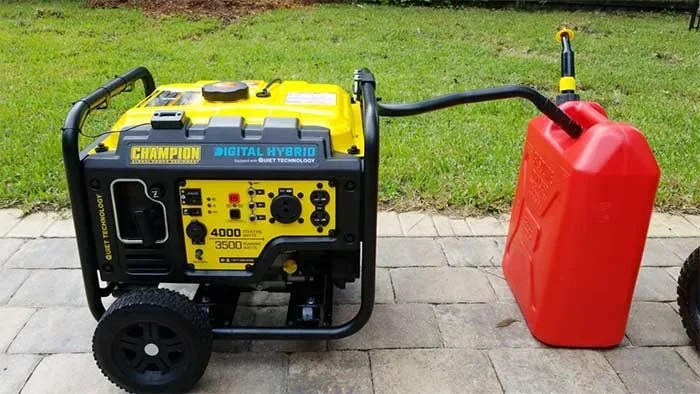
Portable generators are the most common type you will find in the carb compliant lineup. These units are designed to be moved easily from place to place. They typically run on gasoline and can power essential appliances during an outage.
Most portable CARB compliant generators range from 1,000 to 7,500 watts of power output. This makes them suitable for everything from running a few lights and a refrigerator to powering tools on a job site.
Popular brands like Honda, Yamaha, and Westinghouse offer several portable models that meet CARB standards. These generators are built with quality engines that are designed to last for many years with proper maintenance.
Inverter Generators
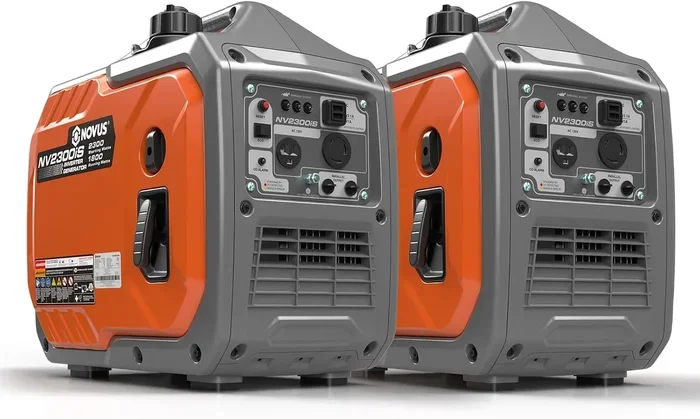
If you want the cleanest and most efficient power, an inverter generator is the way to go. Inverter generators produce electricity in three stages, resulting in a smooth and stable power output. They are ideal for sensitive electronics like laptops, phones, and TVs.
Most modern inverter generators are CARB compliant right out of the box. Brands like Honda, Yamaha, and Briggs & Stratton lead the market in this category. Inverter generators are also known for their fuel efficiency and quiet operation.
The trade-off is price. Inverter generators tend to cost more than conventional portable models. However, the benefits in terms of fuel savings, clean power, and low noise often justify the extra investment.
Standby Generators
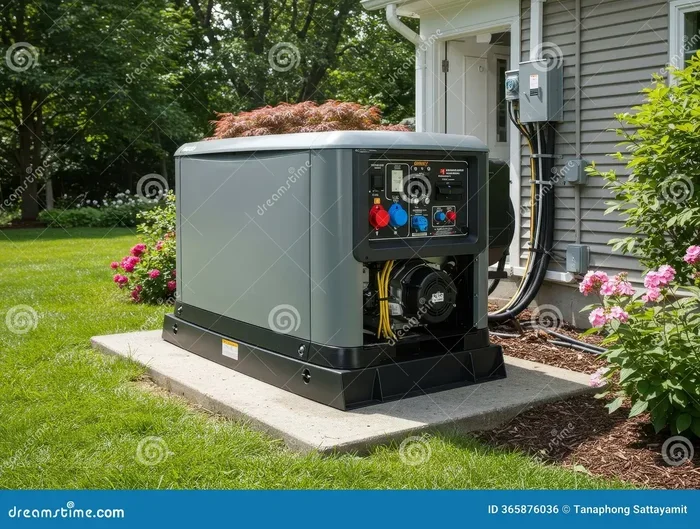
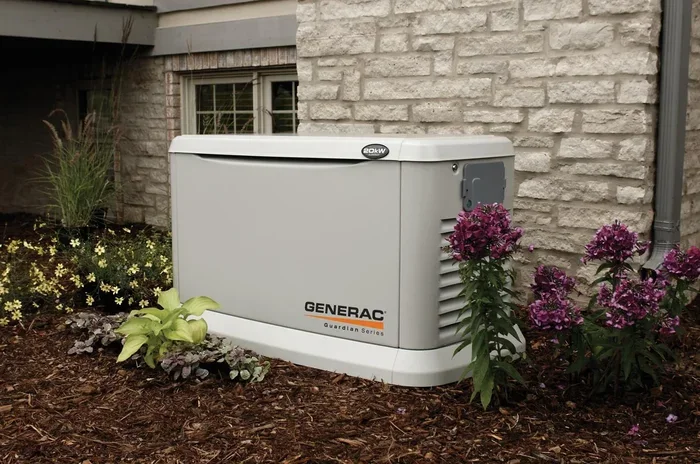
For whole-home backup power, standby generators are the top choice. These units are permanently installed outside your home and kick on automatically when the power goes out. Many standby generator models are now available in CARB compliant versions.
Standby generators run on natural gas or propane, which are cleaner-burning fuels than gasoline. This makes it easier for them to meet CARB emission standards. They can power your entire home, including heating and cooling systems, for hours or even days.
The downside is cost and installation. Standby generators require professional setup and a fuel line connection. They are also more expensive upfront. But if you live in an area prone to frequent outages, the convenience and peace of mind are well worth it.
How to Choose the Right Carb Compliant Generator
With so many options on the market, choosing the right carb compliant generator can feel overwhelming. Here are some key factors to consider before you make a purchase.
Determine Your Power Needs
The first step is figuring out how much power you need. Make a list of the appliances and devices you want to run during an outage. Add up their wattage to get a total power requirement.
Remember to account for starting watts, which are higher than running watts for motor-driven appliances like refrigerators and air conditioners. A good rule of thumb is to add 20 percent to your total running wattage for a safety margin.
For most households, a generator with 3,000 to 5,000 watts is sufficient for essential loads. Larger homes or those with central air conditioning may need 7,000 watts or more.
Consider Fuel Type
Carb compliant generators come in several fuel types. Gasoline models are the most common and easiest to refuel. Propane and natural gas models burn cleaner and are often preferred for standby applications.
Dual fuel generators offer flexibility. You can run them on gasoline or propane depending on what is available. This can be a huge advantage during extended outages when fuel supplies may be limited.
Think about fuel availability in your area. If you live in a rural area, propane might be easier to store long-term than gasoline. Gasoline has a shorter shelf life and can go bad if not used within a few months.
Think About Portability and Size
Do you need to move your generator around frequently? If so, look for a lighter model with wheels and a carry handle. Portable inverter generators are a great choice for people who need flexibility.
If you plan to install a standby generator, size and portability are less of a concern. Focus instead on the power output and fuel type that best suits your home’s needs.
Also consider where you will store the generator. Make sure you have adequate space and that the unit fits through doorways and into its storage area.
Common Mistakes to Avoid When Buying a Carb Compliant Generator
Even with the best intentions, buyers sometimes make mistakes when purchasing a generator. Here are the most common pitfalls and how to avoid them.
Buying a Non-Compliant Model
The biggest mistake is buying a generator that is not actually CARB compliant. Some sellers may advertise a generator as compliant when it is not. Always check the product label and look for the CARB certification number.
You can also visit the CARB website to verify a model’s compliance status. Do not rely solely on the seller’s word. Taking a few extra minutes to confirm can save you from costly fines and headaches down the road.
Ignoring Maintenance Requirements
A carb compliant generator needs regular maintenance to keep performing at its best. Oil changes, air filter cleaning, and spark plug replacements are all essential tasks that should not be skipped.
Neglecting maintenance can cause your generator to produce more emissions over time. It can also reduce fuel efficiency and shorten the lifespan of the engine. Stick to the manufacturer’s maintenance schedule and keep records of all service performed.
Underestimating Power Needs
Many people buy a generator that is too small for their needs. This leads to overloading, which can damage both the generator and your appliances. Always size up if you are unsure. It is better to have extra capacity than to be stuck without enough power.
Make a detailed list of everything you need to power. Include starting watts for motor-driven devices. Then choose a generator that exceeds your total requirement by at least 10 to 20 percent.
Expert Tips for Getting the Most From Your Carb Compliant Generator
Owning a carb compliant generator is just the first step. To get the best performance and longest life from your unit, follow these practical tips.
- Run your generator regularly: Even if you do not need it, start it up once a month and let it run for about 15 minutes. This keeps the engine lubricated and prevents fuel system issues.
- Use fresh fuel: Gasoline degrades over time. Use fuel within 30 days or add a fuel stabilizer to extend its shelf life.
- Keep it clean: Regularly clean the exterior and check for debris around the air intake and exhaust vents. Clean operation means better performance and longer life.
- Store it properly: When not in use, store your generator in a dry, well-ventilated area. Cover it to protect it from dust and moisture.
- Invest in a quality extension cord: Use heavy-duty, outdoor-rated cords to connect your appliances. This reduces power loss and keeps your setup safe.
Following these simple steps will help your generator run efficiently for years. You will also ensure it continues to meet CARB emission standards throughout its useful life.
Conclusion
A carb compliant generator is more than just a legal requirement for California residents. It is a smart investment in cleaner air, better fuel efficiency, and reliable backup power. Whether you choose a portable model, an inverter generator, or a standby unit, going CARB compliant gives you peace of mind and real-world benefits.
The technology behind these generators has come a long way. Modern CARB compliant models are quieter, more efficient, and more powerful than ever before. They represent the future of small engine equipment, and the trend toward cleaner power is only growing.
When you are ready to buy, take the time to compare models, check certifications, and match the generator to your specific needs. The right carb compliant generator will serve you well for many years to come. Start your search today and enjoy the benefits of cleaner, more efficient power.
Frequently Asked Questions
What does CARB compliant mean for generators?
A CARB compliant generator has been certified by the California Air Resources Board as meeting strict emission standards. This means it produces fewer harmful pollutants like hydrocarbons and carbon monoxide compared to non-compliant models. The certification ensures the engine burns fuel more completely and cleanly.
Do I need a CARB compliant generator if I do not live in California?
California is the only state that legally requires CARB compliant generators for sale. However, many manufacturers build their entire product line to CARB standards. Even if you live in another state, buying a CARB compliant generator gives you cleaner operation, better fuel efficiency, and quieter performance.
Can I use a non-CARB generator in California?
No, it is illegal to sell or operate a non-CARB generator in California. The state enforces strict air quality regulations, and using a non-compliant generator can result in fines. Always verify the CARB certification before purchasing a generator if you are in California.
Are inverter generators always CARB compliant?
Most modern inverter generators are CARB compliant, but not all of them. Always check the product specifications and look for the CARB certification label before buying. Inverter generators are popular for their clean power output and fuel efficiency, which aligns well with CARB standards.
How can I verify if a generator is CARB compliant?
You can check the product label for the CARB certification number. You can also visit the CARB website and search their database of certified small off-road engines. If a seller cannot provide proof of CARB compliance, it is best to choose a different model or a different retailer.
Do CARB compliant generators cost more than non-compliant ones?
CARB compliant generators may cost slightly more upfront because of the advanced emission control technology. However, the improved fuel efficiency often offsets this cost over time. Many users find that the long-term savings on fuel and the extended engine life make the investment worthwhile.