Inverter Generator Reviews To Help You Make The Right Choice
Inverter generator reviews help you find the best portable power solution for your needs. These clean-energy generators deliver stable electricity for sensitive electronics like laptops, phones, and medical devices. Our detailed reviews break down top models by power output, fuel efficiency, noise level, and value so you can make the right choice with confidence.
Key Takeaways
- Choose the right size: Match wattage to your actual power needs to avoid waste or shortages.
- Prioritize fuel efficiency: Inverter generators save fuel, so compare runtime per gallon across models before buying.
- Check the warranty: A solid warranty protects your investment and reflects the manufacturer’s confidence in quality.
- Look for parallel capability: Link two units together to double your power output when needed.
- Consider noise levels: Inverter generators run quietly, so pick one that suits your camping or home use.
- Read real user reviews: Honest feedback reveals long-term reliability issues that spec sheets often hide.
📑 Table of Contents
- What Is An Inverter Generator And Why It Matters
- Top Inverter Generator Brands Compared
- Key Features To Look For In Inverter Generator Reviews
- Inverter Generator Power Output And Efficiency
- Best Inverter Generators For Different Needs
- Maintenance Tips And Common Mistakes
- Final Thoughts On Inverter Generator Reviews
What Is An Inverter Generator And Why It Matters
If you have been shopping for a portable power solution, you have probably come across the term inverter generator more than a few times. But what exactly makes these machines different from traditional generators? The short answer is that they produce cleaner, more stable power while running quieter and using less fuel.
A standard conventional generator runs its engine at a constant speed, usually 3600 RPM, to produce 60 Hz electricity. An inverter generator takes a different approach. It generates AC power, converts it to DC, and then inverts it back to clean AC power. This process results in a smooth sine wave that is safe for sensitive electronics like laptops, smartphones, and medical devices.
When you read through inverter generator reviews, you will notice that most experts emphasize three main advantages: clean power output, fuel efficiency, and quiet operation. These are not just marketing buzzwords. They are real benefits that matter whether you are camping in the woods or powering essential appliances during a blackout.
Many people also appreciate the portable design of modern inverter units. Unlike bulky traditional generators that weigh over 100 pounds, some inverter models weigh as little as 30 pounds. This makes them ideal for travel, tailgating, and small worksites where you need to move the unit frequently.
The growing popularity of these units has led to a flood of options on the market. That is exactly why reading thorough inverter generator reviews before making a purchase is so important. Not every model delivers the same value, and the wrong choice can leave you disappointed when you need power the most.
Top Inverter Generator Brands Compared
The inverter generator market is dominated by a handful of trusted brands. Each brand brings its own strengths to the table, and understanding their differences can save you a lot of time and money.
Honda: The Gold Standard
Honda has long been considered the benchmark for inverter generators. Their EU series is known for exceptional reliability, ultra-low noise levels, and excellent fuel economy. Honda units tend to cost more upfront, but their durability often means fewer replacements over the years. Many inverter generator reviews place Honda at the top for good reason.
Westinghouse: The Value Champion
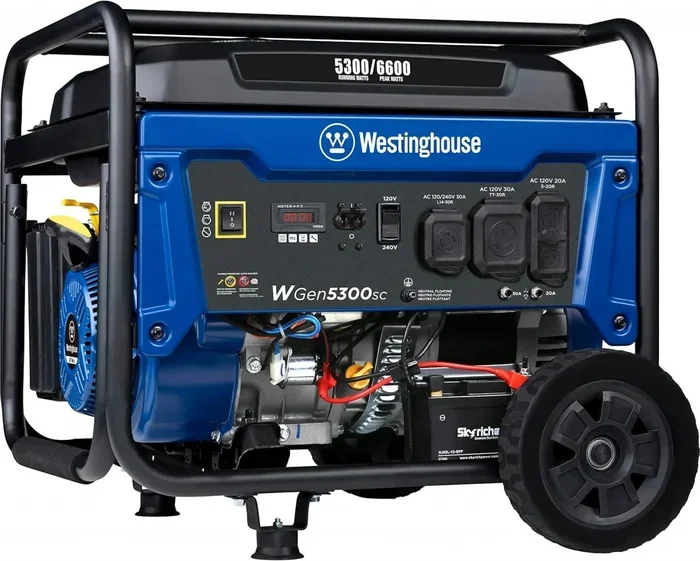
Westinghouse offers a wide range of inverter models at more affordable price points. Their generators often come with features like parallel capability, which lets you connect two units to double your power output. For budget-conscious buyers, Westinghouse delivers solid performance without breaking the bank.
Champion: The Feature-Rich Contender
Champion has built a reputation for packing a lot of features into competitive price tags. Many of their inverter models include dual fuel capability, meaning they can run on either gasoline or propane. This flexibility is a big selling point for RV owners and emergency preparedness enthusiasts.
Generac: The Name You Trust
Generac is a household name in the power equipment world. While they are best known for standby generators, their portable inverter line has been gaining praise. Generac units tend to offer strong running wattage in compact designs, making them a great choice for those who need serious power without a bulky footprint.
Key Features To Look For In Inverter Generator Reviews
Not all inverter generators are created equal. When you are scanning through inverter generator reviews, pay close attention to the following features because they directly impact your user experience.
Power Output And Wattage
The most important spec to check is the running wattage and surge wattage. Running wattage tells you how much power the generator can sustain continuously, while surge wattage shows the peak power it can handle for a short burst. A good rule of thumb is to add up the wattage of all the devices you plan to run and then add a 20% buffer.
- Small units (1000-2000W) work great for charging phones, laptops, and small appliances.
- Medium units (2000-3000W) can handle RV air conditioners and multiple devices simultaneously.
- Large units (3000W+) can power tools, refrigerators, and even entire homes with the right setup.
Fuel Efficiency And Tank Capacity
One of the biggest advantages of inverter generators is their fuel efficiency. Because the engine adjusts its speed based on the load, these units consume less fuel than conventional generators. When reading inverter generator reviews, check the fuel tank capacity and the estimated run time at 25% and 50% load. A larger tank means fewer refills, which is especially important during extended power outages.
Noise Level
If you have ever been near a conventional generator, you know how loud they can be. Inverter generators are significantly quieter, often operating at around 50 to 65 decibels. For comparison, a normal conversation is about 60 decibels. If you are using the generator at a campsite or in a residential neighborhood, low noise level becomes a critical factor.
Portability And Weight
Most inverter generators are designed with portability in mind. Look for models that include built-in handles and, ideally, wheels. The weight of the unit matters a lot if you plan to carry it to a campsite or move it around a worksite. Lightweight models under 50 pounds are the most popular for people who value easy transport.
Parallel Capability
Parallel capability allows you to connect two compatible inverter generators using a parallel kit. This effectively doubles your power output without needing a larger, heavier single unit. This feature is especially useful for people who need flexibility. You can use one generator for light tasks or link two for heavy-duty power demands.
Inverter Generator Power Output And Efficiency
Understanding how inverter generators manage power can help you make a smarter buying decision. The technology behind these units is fascinating and directly affects your electricity costs and environmental footprint.
Traditional generators produce power at a constant engine speed, which means they burn fuel at a constant rate regardless of whether you are running one light bulb or a full refrigerator. Inverter generators use a variable-speed engine that adjusts to match the electrical load. This means less fuel wasted and more clean sine wave power delivered to your devices.
The total harmonic distortion (THD) level is another important metric. Lower THD means cleaner power. Most inverter generators produce less than 3% THD, which is safe for sensitive electronics. Conventional generators often exceed 20% THD, which can damage computers, TVs, and other delicate equipment over time.
When you compare fuel consumption across different models in inverter generator reviews, you will see a clear pattern. Inverter units typically use 20 to 40% less fuel than their conventional counterparts. Over time, these fuel savings can offset the higher initial purchase price, making inverters a smarter long-term investment.
Understanding Running Wattage Vs Surge Wattage
It helps to think of running wattage as the steady stream of power your generator delivers, and surge wattage as the extra punch it can provide when a motor starts up. For example, a refrigerator might need 700 watts to run continuously but could require 2200 watts for a split second when the compressor kicks in. If the generator cannot handle that surge, the unit will trip or the appliance will not start.
| Generator Size | Running Wattage | Surge Wattage | Best For |
|---|---|---|---|
| 1000-2000W | 1000-2000W | 2000-3000W | Phones, laptops, small lights |
| 2000-3000W | 2000-3000W | 3000-4500W | RVs, small appliances, tools |
| 3000-4000W | 3000-4000W | 5000-6000W | Larger RVs, job sites |
| 4000W+ | 4000W+ | 6000W+ | Home backup, heavy equipment |
Best Inverter Generators For Different Needs
Not everyone needs the same type of generator. Your ideal choice depends on how you plan to use it. Here are some scenarios where specific inverter generator strengths shine through.
For Camping And Outdoor Recreation
If you are heading into the wilderness, you need a unit that is lightweight, quiet, and easy to carry. Models in the 1000-2000W range are perfect for charging devices, running a small fan, or powering an LED light setup. The quiet operation of modern inverter generators means you can enjoy nature without the constant drone of a traditional generator.
For RV Owners
RV owners have unique power needs. An air conditioner, microwave, and multiple charging stations all need to run at the same time. A 2500-3000W inverter generator with RV-ready outlets and parallel capability gives you the flexibility to handle most camping scenarios. Some models even offer dual fuel options, letting you switch between gasoline and propane for longer trips.
You might also want to check out our guide on how to run a generator to your house if you plan to use your inverter unit as backup power during outages.
For Home Emergency Backup
When the power goes out during a storm, you need reliable electricity to keep your refrigerator running, charge devices, and maybe power a few lights. A larger inverter generator in the 3000-4000W range can handle these essentials. For extended outages, consider pairing your generator with a fuel stabilizer and learning how long you can safely store gasoline. Our article on how long you can leave gas in a generator covers this topic in detail.
For Job Sites And Heavy-Duty Use
Contractors and tradespeople need generators that can handle power tools like saws, drills, and compressors. These users should look for models with higher surge wattage and durable construction. Some inverter generators now offer electric start features, which eliminate the hassle of pull-starting, especially in cold weather.
Maintenance Tips And Common Mistakes
Owning an inverter generator is relatively low-maintenance, but skipping basic care can shorten its lifespan significantly. Here are some tips to keep your unit running strong for years.
Regular Maintenance Checklist
- Change the oil after the first 20 hours of use, then every 100 hours or at least once per season.
- Check the air filter monthly and clean or replace it when dirty.
- Stabilize fuel before storing the generator for more than 30 days.
- Run the generator under load for at least 15 minutes once a month to keep the engine healthy.
- Inspect spark plugs annually and replace them if they show signs of wear.
Common Mistakes To Avoid
One of the most common mistakes people make is overloading the generator. Every inverter has a maximum running wattage limit, and exceeding it can damage both the generator and your connected devices. Always add up your power needs before plugging anything in.
Another mistake is ignoring fuel quality. Old or contaminated gasoline can clog the carburetor and cause starting problems. If you do not use your generator often, consider using a fuel stabilizer and draining the tank before long-term storage.
Many buyers also underestimate the importance of proper grounding. Without proper grounding, you risk electrical hazards and poor power quality. Always follow the manufacturer’s grounding instructions carefully.
Expert Insight: When To Choose Inverter Vs Conventional
If you only need power for basic tools on a construction site, a conventional generator might save you money upfront. But if you need clean, reliable power for electronics, camping, or home backup, an inverter generator is the better choice. The fuel savings, quieter operation, and clean power output make inverters worth the extra investment for most users.
Reading multiple inverter generator reviews from trusted sources can help you see the full picture. Pay attention to real-world user experiences, not just manufacturer specs. Sometimes the best insights come from everyday users who have lived with the unit for months or even years.
Final Thoughts On Inverter Generator Reviews
Choosing the right inverter generator comes down to understanding your power needs, your budget, and how you plan to use the unit. The market offers incredible options today, from compact camping generators to powerful units that can keep your home running during an outage.
When you take the time to read through detailed inverter generator reviews, you equip yourself with the knowledge to make a confident purchase. Look for models with low THD, good fuel efficiency, parallel capability, and a reputation for reliability. These factors will guide you toward a generator that delivers clean, dependable power for years to come.
Remember that the cheapest option is not always the best value. A slightly more expensive inverter generator with better build quality and fuel economy will save you money and frustration in the long run. Take your time, compare your options, and choose the unit that fits your lifestyle best. The right inverter generator can be a game-changer, whether you are exploring the great outdoors or preparing for the next storm.
Frequently Asked Questions
What is inverter generator reviews?
inverter generator reviews is an important topic with many practical applications and benefits.
How can inverter generator reviews help me?
Understanding inverter generator reviews can improve your knowledge and provide practical solutions.