How Much Does a Generator Cost for a 2000 Sq Ft House
How much is a generator for a 2000 sq ft house? The answer depends on the type, size, and fuel source you choose. A basic portable unit may cost as little as $500, while a whole house standby generator can range from $3,000 to $15,000 or more. This guide breaks down every cost factor so you can make a smart, informed decision for your home.
Key Takeaways
- Generator costs vary widely: Portable generators start around $500, while whole house standby units can reach $15,000 or more.
- Size matters: A 2000 sq ft house typically needs a 5,000 to 7,500 watt generator for essential loads and 10,000 to 15,000 watts for full coverage.
- Installation adds to the price: Professional setup can add $500 to $3,000 depending on complexity and local labor rates.
- Fuel type affects long-term costs: Natural gas and propane have different running costs, and fuel availability matters in your area.
- Ongoing maintenance is essential: Regular upkeep keeps your generator running reliably and extends its lifespan.
- Brand and features play a role: Trusted brands like Generac, Kohler, and Briggs & Stratton offer different value propositions.
- DIY vs. professional installation: Choosing the right route can save money but requires careful consideration of safety and local codes.
📑 Table of Contents
- How Much Is a Generator for a 2000 Sq Ft House?
- Types of Generators for a 2000 Sq Ft Home
- What Size Generator Do You Need?
- Generator Installation Costs
- Ongoing Costs: Fuel and Maintenance
- How to Choose the Right Generator for Your Home
- Quick Tips for Saving Money on Your Generator
- Common Mistakes to Avoid When Buying a Generator
- How Long Does a Generator Last?
- Conclusion
How Much Is a Generator for a 2000 Sq Ft House?
If you have a 2000 square foot home and are thinking about buying a generator, you probably want a clear answer. The truth is, there is no single price. The generator cost for a 2000 sq ft house depends on several factors. These include the type of generator, the fuel source, the wattage you need, and whether you hire a professional for installation.
Some homeowners spend under $1,000 on a simple portable unit. Others invest $10,000 or more in a whole house standby system that kicks on automatically during a power outage. Both choices have their place. The key is knowing what you need before you shop.
This guide will walk you through every cost factor. You will learn about different generator types, what size fits your home, and how to avoid overspending. By the end, you will feel confident making the right choice for your budget and your family’s needs.
Why Generator Costs Vary So Much
The wide price range might seem confusing at first. But when you look at what each type offers, it makes sense. A small portable generator is simple to use and affordable. It can power a few essential appliances during an outage. A standby generator, on the other hand, is a full backup system. It connects to your home’s electrical panel and runs automatically. That level of convenience comes at a higher price.
Location also plays a role. Installation costs differ by region. Permits and electrical upgrades can add to the total. And fuel prices vary depending on where you live. All of these factors shape the final generator price for your home.
Types of Generators for a 2000 Sq Ft Home
Not all generators are the same. Each type serves a different purpose and comes with its own price tag. Let us look at the three main options homeowners consider for a 2000 square foot house.
Portable Generators
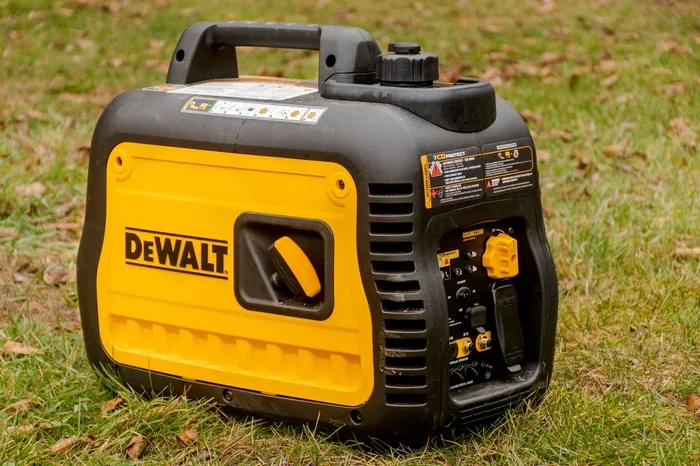
Portable generators are the most affordable option. They typically cost between $500 and $2,500. These units run on gasoline or propane. You place them outside your home and plug in appliances directly or use an extension cord.
Portable generators work well for short-term needs. If you only need to run a refrigerator, a few lights, and a space heater during an outage, a portable unit can handle that. The downside is that you must manually start the generator and connect things yourself. They also have limited runtime and cannot power your entire home at once.
Inverter Generators
Inverter generators are a step up from standard portable units. They cost between $800 and $3,000. What sets them apart is the clean power they produce. Inverter generators adjust engine speed to match the load, which means less fuel consumption and quieter operation.
These units are great for homes that need reliable power for sensitive electronics. Laptops, TVs, and medical devices all work better with the stable current an inverter provides. They are also lighter and more fuel-efficient than conventional portable models.
Standby Generators
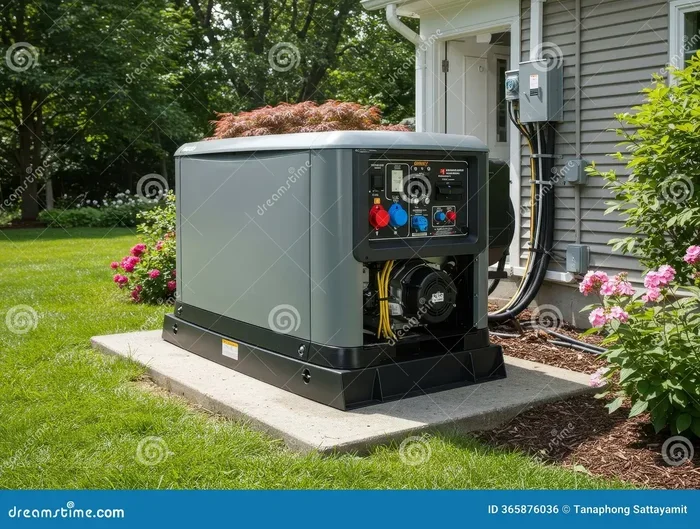
Standby generators are the premium choice. They cost between $3,000 and $15,000 for the unit alone. These permanent systems connect directly to your home’s electrical system. When the power goes out, an automatic transfer switch detects the outage and starts the generator within seconds.
Standby generators run on natural gas or liquid propane. They can power your entire 2000 sq ft house, including central air, water heaters, and kitchen appliances. Many homeowners see them as a long-term investment in comfort and safety. They are especially popular in areas prone to severe weather and frequent outages.
| Generator Type | Typical Cost Range | Power Capacity | Best For |
|---|---|---|---|
| Portable Generator | $500 – $2,500 | 3,000 – 8,000 watts | Essential appliances only |
| Inverter Generator | $800 – $3,000 | 2,000 – 7,000 watts | Sensitive electronics, camping, backup |
| Standby Generator | $3,000 – $15,000+ | 7,000 – 24,000+ watts | Whole house backup power |
What Size Generator Do You Need?
Choosing the right generator size is critical. A unit that is too small will struggle to power your home. A unit that is too large wastes money. For a 2000 sq ft house, the size you need depends on what you want to run during an outage.
Calculating Your Power Needs
Start by listing the appliances and systems you want to keep running. Each device has a wattage rating. Add those up to find your total power need. Here is a quick look at common household items and their approximate wattage:
- Refrigerator: 600 – 800 watts (starting up to 1,200 watts)
- Freezer: 600 watts
- Lights (10 bulbs): 300 – 500 watts
- Window AC unit: 1,000 – 1,500 watts
- Central AC: 2,000 – 5,000 watts
- Water heater: 4,000 watts
- Sump pump: 800 – 1,300 watts
- Microwave: 1,000 watts
- TV and electronics: 200 – 500 watts
If you only need to run essentials like the refrigerator, a few lights, and a sump pump, a 5,000 to 7,500 watt generator will work. If you want full coverage including central air and a water heater, aim for 10,000 to 15,000 watts.
Quick Tips for Sizing Your Generator
- Add a 20% buffer: Always buy a generator with more capacity than your calculated need. This prevents overloading and extends the unit’s lifespan.
- Check starting watts: Some appliances need extra power to start up. Make sure your generator can handle that surge.
- Think about future needs: If you plan to add a hot tub or upgrade your HVAC, factor that into your size choice now.
- Consult an electrician: A professional can assess your home’s electrical panel and recommend the right size with confidence.
Generator Installation Costs
The unit price is only part of the equation. Generator installation costs can add a significant amount to your total investment. Understanding these costs upfront helps you budget accurately.
Portable Generator Setup
Portable generators require minimal installation. You do not need a professional to set one up. Most homeowners just place the unit outside, connect it to appliances, and refuel as needed. The only real cost is the generator price itself. However, you should invest in a carbon monoxide detector near the unit and a heavy-duty extension cord rated for outdoor use.
Standby Generator Installation
Installing a standby generator is a bigger project. Professional installation typically costs between $500 and $3,000. This includes mounting the unit, connecting it to your fuel source, wiring the automatic transfer switch, and ensuring everything meets local electrical codes.
In some cases, you may also need:
- A concrete pad: $200 – $500 for a stable foundation
- Electrical panel upgrade: $1,000 – $3,000 if your current panel cannot handle the generator
- Gas line installation: $500 – $1,500 if natural gas or propane lines need to be added
- Permits and inspections: $100 – $500 depending on your municipality
All of these costs add up. But they are necessary for a safe and code-compliant setup. Skipping any of these steps can lead to dangerous situations or void your warranty.
Expert Insight: Why Professional Installation Matters
Many homeowners try to save money by installing a standby generator themselves. While this is possible for those with electrical experience, it is risky. Improper wiring can backfeed electricity into the grid, which endangers utility workers. It can also cause fires or damage your home’s electrical system. Hiring a licensed professional ensures everything is done safely and correctly. It also keeps your home insurance valid.
Ongoing Costs: Fuel and Maintenance
Buying the generator is only the beginning. You also need to budget for ongoing generator costs. Fuel and maintenance are the two biggest recurring expenses.
Fuel Costs
Fuel costs depend on the generator type, fuel source, and how often you use it. Here is a quick comparison:
- Gasoline: Most portable generators run on gasoline. A 5,000 watt portable unit uses about 0.5 to 0.75 gallons per hour. At current prices, that is roughly $1.50 to $2.50 per hour of operation.
- Propane: Propane is cleaner burning and stores well for long periods. A standby generator on propane uses about 2 to 3 gallons per day under moderate load. A 500-gallon propane tank can last several days.
- Natural gas: This is the most convenient fuel source for standby generators. It connects directly to your home’s gas line, so you never run out. However, natural gas costs vary widely by region.
Maintenance Costs
Regular maintenance keeps your generator running smoothly. Here is what to expect:
- Oil changes: Every 100 to 200 hours of use. Oil and filters cost about $30 to $60 per change.
- Spark plug replacement: Annually or every 200 hours. Cost is around $15 to $30.
- Air filter replacement: Every 6 months or 100 hours. Cost is $10 to $25.
- Professional tune-up: Once a year. This costs $150 to $300 and includes a full inspection and testing.
- Fuel stabilizer: If you use gasoline, add stabilizer to prevent fuel degradation. A bottle costs $10 to $20 and lasts for months.
Budget at least $200 to $400 per year for routine maintenance. This investment pays off by preventing unexpected breakdowns and extending the life of your generator by several years.
How to Choose the Right Generator for Your Home
With so many options available, choosing the right residential generator can feel overwhelming. Here are the key factors to consider before you buy.
Your Budget
Start with a realistic budget. If you have a limited budget, a portable generator is the way to go. It provides essential backup power at an affordable price. If you can invest more, a standby generator offers unmatched convenience and full-home coverage.
How Often You Experience Outages
If you live in an area with frequent storms or power outages, a standby generator is worth the investment. You do not want to be outside in the rain starting a portable generator every time the power goes down. For areas with rare outages, a portable or inverter generator may be all you need.
Noise Tolerance
Generators can be loud. Portable generators typically produce 60 to 80 decibels, which is similar to a lawn mower. Inverter generators are quieter, running at 50 to 65 decibels. Standby generators are usually installed away from windows and bedrooms, which reduces noise complaints.
Brand Reputation
Stick with trusted generator brands like Generac, Kohler, Briggs & Stratton, and Honda. These manufacturers offer reliable products, good warranty coverage, and readily available replacement parts. Avoid no-name brands that may seem cheaper but often have poor build quality and unreliable performance.
Warranty and Support
Check the warranty before you buy. Most standby generators come with a 5-year limited warranty. Portable generators typically have 1 to 3 years of coverage. Good customer support and local service availability also matter. You want to know that help is nearby if something goes wrong.
Quick Tips for Saving Money on Your Generator
Saving money on your generator purchase does not mean cutting corners. It means being smart about your choices. Here are some practical tips:
- Buy during the off-season: Generator prices often drop in spring and fall when demand is lower. Avoid buying during hurricane season or winter storm peaks.
- Compare multiple quotes: Get installation quotes from at least three licensed electricians. Prices can vary significantly by contractor.
- Consider a used standby generator: A professionally refurbished standby generator can save you 30% to 50% off the retail price. Just make sure it comes with a warranty.
- Look for rebates and incentives: Some utility companies offer rebates for installing standby generators. Check with your local provider.
- Maintain your unit regularly: Preventive maintenance is far cheaper than emergency repairs. Staying on top of oil changes and filter replacements avoids costly breakdowns.
- Choose the right fuel source: Natural gas is often cheaper than propane in the long run. Consider your local fuel prices when deciding.
Common Mistakes to Avoid When Buying a Generator
Even well-informed homeowners can make costly mistakes. Here are the most common ones to watch out for:
Underestimating Your Power Needs
Many people buy a generator that is too small. They focus on the price instead of the wattage. The result is an overloaded generator that trips frequently or fails to power essential appliances. Always calculate your total power needs and add a buffer before you buy.
Ignoring Installation Requirements
A standby generator is not a plug-and-play device. It requires proper electrical wiring, fuel connections, and ventilation. Skipping professional installation to save a few hundred dollars can lead to safety hazards and code violations. The upfront savings are not worth the risk.
Forgetting About Noise and Placement
Where you place your generator matters. It should be at least 20 feet from your home, away from windows and doors. This prevents carbon monoxide from entering your living space and reduces noise inside the house. Many homeowners learn this the hard way after a noisy or dangerous setup.
Skipping Regular Maintenance
A generator that sits unused for months can develop problems. Fuel degrades, batteries lose charge, and components corrode. Running your generator for 30 minutes every few months keeps everything in working order. Skipping this simple step can leave you stranded when you need power the most.
Not Factoring in Fuel Availability
During extended outages, fuel can become scarce. Gas stations may not have power to pump fuel. If your generator runs on gasoline, make sure you have a safe way to store fuel. Propane and natural gas are more reliable options for long-term outages because they connect directly to a supply source.
How Long Does a Generator Last?
The lifespan of your backup power system depends on the type and how well you maintain it. Portable generators typically last 1,000 to 2,000 hours of use, which translates to about 10 to 15 years with moderate use. Standby generators can last 20 to 30 years or more with proper maintenance. The engine and alternator quality play a big role in longevity.
Investing in a higher-quality unit upfront often saves money in the long run. Cheaper generators may need replacement sooner and cost more in repairs over time. A reliable brand with strong build quality is always a smarter investment.
When you think about how much is a generator for a 2000 sq ft house, remember that the price tag is not the only number that matters. Factor in installation, fuel, maintenance, and the value of keeping your home comfortable and safe during outages. A well-chosen generator pays for itself in peace of mind.
Conclusion
So, how much is a generator for a 2000 sq ft house? The answer ranges from about $500 for a basic portable unit to $15,000 or more for a whole house standby system. The right choice depends on your budget, your power needs, and how much convenience you want.
Take time to assess what you need. Calculate your wattage requirements. Research fuel costs in your area. Get installation quotes from licensed professionals. And do not forget the ongoing maintenance that keeps your unit running reliably.
A generator is more than just a purchase. It is an investment in your family’s comfort and safety. When the next power outage hits, you will be glad you made a thoughtful, informed decision. Start planning today, and you will have your home powered and protected when it matters most.
Frequently Asked Questions
What size generator do I need for a 2000 sq ft house?
For essential loads like a refrigerator, lights, and a sump pump, a 5,000 to 7,500 watt generator works well. For full home coverage including central air and a water heater, you will need 10,000 to 15,000 watts. Always add a 20% buffer to your calculated needs to prevent overloading.
Is it cheaper to run a generator on propane or natural gas?
Natural gas is generally cheaper and more convenient because it connects directly to your home’s gas line. Propane costs more per unit of energy but stores well for long periods. The best choice depends on your local fuel prices and availability.
Can I install a standby generator myself?
While it is technically possible, professional installation is strongly recommended. Improper wiring can backfeed electricity into the grid, which is dangerous for utility workers. Professional installation also ensures code compliance and keeps your warranty valid.
How often should I run my generator?
You should run your generator for at least 30 minutes every two to three months. This keeps the engine lubricated, the battery charged, and prevents fuel system issues. Regular exercise also helps you identify problems before an actual emergency.
Do generators add value to a home?
Yes, a standby generator can increase your home’s value. Buyers in areas prone to power outages often look for homes with backup power already installed. A professionally installed generator is seen as a desirable feature that adds both convenience and resale appeal.
What is the difference between a portable generator and a standby generator?
A portable generator is mobile, affordable, and requires manual setup. It powers a few appliances at a time. A standby generator is a permanent installation that connects to your home’s electrical system. It turns on automatically during an outage and can power your entire house. Standby generators cost more upfront but offer far greater convenience and coverage.