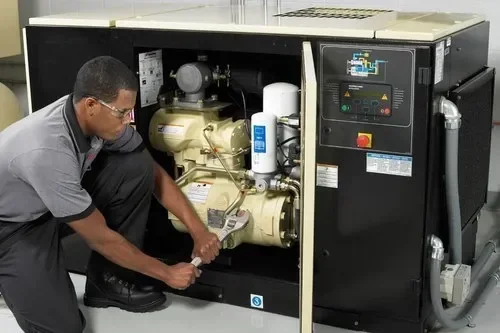
Quincy Air Compressor Repair Everything You Need To Know
Quincy Air Compressor Repair keeps your compressed air systems running smoothly and prevents costly downtime. Whether you own a rotary screw model or a reciprocating unit, understanding common issues helps you act fast. This guide covers everything from troubleshooting pressure problems to estimating repair costs and finding the right service provider. You will learn practical repair steps, preventive maintenance tips, and expert insights that extend the life of your Quincy compressor.
Quincy Air Compressor Repair is something every owner should understand, whether you run a small shop or a large manufacturing facility. These machines work hard every day, pushing air through pipes and powering tools across your entire operation. When something goes wrong, the downtime can hurt your productivity and your bottom line.
The good news is that most Quincy compressor problems are fixable, especially when you catch them early. This guide walks you through everything you need to know about diagnosing issues, estimating costs, and deciding between DIY fixes and professional service. By the end, you will feel confident handling common repairs and knowing when to bring in an expert.
We will cover the most frequent problems Quincy compressor owners report, break down repair costs so you can budget properly, and share practical tips that save you time and money. Let us dive in and get your compressed air system back in top shape.
Key Takeaways
- Know the common problems: Pressure drops, strange noises, oil leaks, and overheating are the top issues Quincy compressor owners face.
- Repair costs vary widely: Small fixes like valve replacement cost less, while major motor repairs can run into thousands of dollars.
- DIY repairs save money: Simple tasks like checking oil levels, inspecting filters, and tightening connections are easy to do yourself.
- Call a pro for complex issues: Motor rewinding, valve plate replacement, and major overhauls need professional skills and tools.
- Preventive maintenance is key: Regular upkeep dramatically reduces breakdowns and extends compressor lifespan.
- Use genuine Quincy parts: OEM components ensure compatibility and long-term reliability for your compressed air system.
- Act fast when problems arise: Ignoring warning signs leads to bigger damage, higher costs, and extended downtime.
📑 Table of Contents
- Why Your Quincy Air Compressor Needs Regular Repair and Maintenance
- Common Quincy Air Compressor Problems and How to Fix Them
- How Much Does Quincy Air Compressor Repair Cost?
- DIY Quincy Air Compressor Repair Tips You Can Do Yourself
- When to Call a Professional for Quincy Air Compressor Repair
- Preventive Maintenance Schedule to Avoid Future Repairs
- Understanding Your Quincy Compressor Model and Its Specific Needs
- Key Takeaways
Why Your Quincy Air Compressor Needs Regular Repair and Maintenance
Air compressressors are the heartbeat of many industrial and workshop operations. A Quincy compressor delivers reliable compressed air that powers pneumatic tools, paint sprayers, sandblasters, and much more. When that flow stops or drops, everything downstream grinds to a halt.
Regular repair and maintenance keep your system efficient. Over time, wear and tear affects every component. Valves degrade, seals wear out, and motors lose power. Catching these issues early through routine air compressor maintenance prevents small problems from becoming big expenses.
Think of it like changing the oil in your car. You do it regularly so the engine lasts longer and runs better. The same principle applies to your Quincy compressor. A well-maintained machine runs cooler, uses less energy, and delivers consistent air pressure. That translates directly into lower operating costs and fewer unexpected breakdowns.
The True Cost of Ignoring Compressor Problems
Many shop owners put off repairs to save money short term. This approach almost always backfires. A small leak that goes unrepaired wastes energy and reduces system pressure. A failing pressure switch left unchecked can damage the motor beyond repair.
Downtime is the real enemy. Every hour your compressor sits idle, your production line slows or stops entirely. In manufacturing, this costs thousands of dollars per hour in lost output. Investing in timely Quincy air compressor repair protects your revenue stream and keeps your team productive.
Common Quincy Air Compressor Problems and How to Fix Them
Quincy compressors are built tough, but they are not immune to problems. Understanding what goes wrong helps you diagnose issues faster and decide on the best fix. Here are the most common problems owners encounter.
Low Pressure or Pressure Drops
If your compressor runs but delivers weak air pressure, several things could be at play. First, check for air leaks in your hoses, fittings, and connections. Even a tiny leak wastes compressed air and drops system pressure. Use a soapy water solution to spot bubbles at joints and seals.
Next, inspect your air filter. A clogged filter restricts airflow and forces the compressor to work harder. Replace dirty filters regularly as part of your routine air compressor upkeep. The pressure switch could also be malfunctioning. If it fails to cut off at the right pressure, your system never builds enough force.
Unusual Noises During Operation
Strange sounds from your compressor deserve immediate attention. Grinding noises often point to worn bearings in the motor or pump. Knocking sounds might indicate loose components or a damaged piston ring. Rattling could mean debris inside the tank or a failing pressure regulator.
Do not ignore these sounds. They usually worsen over time and lead to more serious damage. A quick inspection can often reveal the source. Tightening loose bolts or replacing worn parts early saves you from expensive repairs down the road.
Oil Leaks and Excessive Oil Consumption
Oil leaks are a common issue with lubricated compressors. They appear around gaskets, seals, and fittings. Small drips might seem harmless, but they create a slick mess and indicate failing seals. Over time, oil leaks worsen and can contaminate your compressed air output.
Excessive oil consumption means your compressor is burning oil faster than normal. This often signals worn piston rings, a damaged air/oil separator, or overfilling the crankcase. Check your oil level regularly and use the grade recommended by Quincy for your specific model.
Overheating and Shutting Down
Compressors generate a lot of heat during operation. However, if your machine frequently overheats and shuts down, something is wrong. Common causes include low oil levels, clogged cooling fins, blocked ventilation, or a malfunctioning thermal overload switch.
Overheating damages internal components and shortens the life of your motor. Keep the area around your compressor clean and well-ventilated. Check oil levels before each shift and clean cooling fins monthly. These simple habits prevent overheating and keep your compressed air system running reliably.
Compressor Won’t Start
A compressor that refuses to start has several possible causes. Check the power supply first. A tripped breaker or blown fuse is the simplest explanation. Next, inspect the pressure switch. If the tank pressure is above the startup threshold, the machine will not engage until you release some pressure.
Capacitor failure is another common culprit, especially in single-phase motors. A damaged capacitor prevents the motor from getting the initial boost it needs to start. Motor windings can also burn out over time, requiring professional compressor motor repair or replacement.
How Much Does Quincy Air Compressor Repair Cost?
Understanding repair costs helps you budget and decide between fixing and replacing. The price depends on the problem, the model, and whether you handle the work yourself or hire a technician.
Breakdown of Common Repair Costs
Small repairs are affordable and straightforward. Here is a rough cost breakdown for common Quincy compressor fixes:
- Air filter replacement: $20 to $80 for parts and minimal labor
- Pressure switch replacement: $150 to $400 depending on the model
- Valve plate repair: $200 to $600 including parts and machine time
- Air/oil separator replacement: $150 to $350
- Bearing replacement: $300 to $800 per bearing set
- Piston ring replacement: $400 to $1,000 with labor
- Motor rewinding: $1,000 to $3,000 depending on motor size
- Full compressor overhaul: $3,000 to $8,000 or more
These are general estimates. Actual costs vary based on your location, the specific Quincy model, and the availability of parts. Always get a detailed quote before authorizing any major repair work.
Repair vs. Replace Decision
When repair costs exceed 50 to 70 percent of a new unit’s price, replacement often makes more sense. However, older Quincy compressors are built to last, and a major overhaul can extend their life by many years. Consider the machine’s age, overall condition, and your production needs before deciding.
DIY Quincy Air Compressor Repair Tips You Can Do Yourself
Not every repair requires a professional. Many routine fixes are simple enough for a handy shop owner to handle. Here are some tasks you can tackle on your own with basic tools.
Replacing Air Filters
Dirty air filters restrict airflow and reduce efficiency. Check your filter weekly in dusty environments and replace it when it looks clogged. This is one of the easiest and most impactful air compressor maintenance tasks you can perform.
Draining the Tank
Moisture collects inside your compressor tank every time you run the machine. Drain the tank daily by opening the drain valve at the bottom. This prevents rust buildup and keeps your compressed air dry and clean. It takes less than a minute and adds years to your tank’s life.
Checking and Topping Off Oil
Lubricated compressors need oil to run smoothly. Check the oil level before each shift and top it off as needed. Use only the oil type recommended in your Quincy owner’s manual. Changing oil on a regular schedule keeps the pump cool and reduces wear on internal components.
Tightening Connections and Fittings
Vibration from daily operation loosens fittings and connections over time. Walk around your compressor and check every visible joint. Tighten anything that feels loose. This simple habit prevents air leaks and improves system pressure consistency.
Inspecting Belts and Hoses
Check drive belts for cracks, fraying, or improper tension. Replace worn belts before they snap and cause unexpected downtime. Inspect hoses for leaks, bulges, or abrasion. A failing hose can cause pressure drops and reduce tool performance.
Quick Tips for Effective DIY Repairs
- Always disconnect power and release tank pressure before opening any panel.
- Keep a basic repair kit on hand with gaskets, O-rings, and common fittings.
- Take photos before disassembling anything to help with reassembly.
- Keep a repair log to track what you fix and when problems recur.
- Use genuine Quincy replacement parts whenever possible for best fit and performance.
When to Call a Professional for Quincy Air Compressor Repair
While DIY repairs handle many issues, some jobs demand professional expertise and specialized equipment. Knowing the difference saves you time, money, and frustration.
Complex Electrical Repairs
Compressor electrical systems involve capacitors, contactors, motor windings, and control boards. Working with electricity carries serious safety risks. If you are not comfortable with electrical diagnostics, leave it to a qualified technician. Professional compressor motor repair ensures the job is done safely and correctly.
Major Mechanical Overhauls
Rebuilding a pump, replacing cylinder walls, or reassembling a rotary screw element requires specialized tools and technical knowledge. These are precision jobs where a small mistake can cause repeated failures. A professional Quincy compressor service center has the experience and factory training to handle complex mechanical work.
Warranty and Service Agreement Considerations
If your compressor is still under warranty, unauthorized repairs can void your coverage. Check your warranty terms before scheduling any work. Many Quincy dealers offer service agreements that cover regular maintenance and discounted repair rates. These plans often pay for themselves through reduced downtime and lower overall costs.
Finding the Right Repair Service
Look for technicians who specialize in industrial compressed air systems. Ask about their experience with Quincy equipment specifically. Certified technicians who understand the nuances of different Quincy models deliver better results and faster turnaround times. Search for compressor repair near me and check reviews from other local businesses.
Preventive Maintenance Schedule to Avoid Future Repairs
The best repair is the one you never need. A solid preventive maintenance schedule keeps your Quincy compressor running at peak performance and minimizes unexpected breakdowns.
Daily Checks
- Drain the moisture tank
- Check oil level and top off if needed
- Listen for unusual sounds during operation
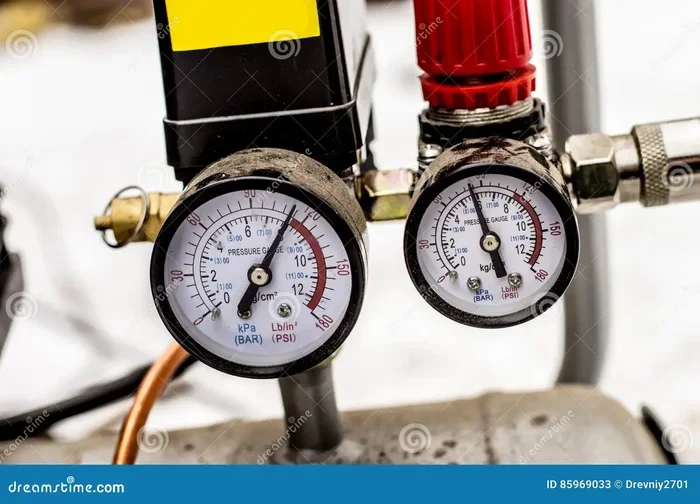
- Watch the pressure gauge for consistent readings
Weekly Checks
- Inspect and clean or replace air filters
- Check all hoses and fittings for leaks
- Clean cooling fins and ventilation areas
- Inspect belts for wear and proper tension
Monthly Checks
- Check the pressure switch settings and operation
- Inspect the air/oil separator for saturation
- Test the safety relief valve
- Verify proper voltage and amperage draw on the motor
Quarterly and Annual Checks
- Perform a full system air leak detection survey
- Replace oil and oil filter (for lubricated models)
- Inspect the compressor valve for wear or damage
- Have a professional technician perform a comprehensive inspection
Following this schedule consistently dramatically reduces the need for emergency repairs. It also keeps your industrial air compressor operating at peak efficiency, which lowers energy costs and extends equipment life. Many businesses that implement a rigorous maintenance schedule see repair costs drop by 30 to 50 percent within the first year.
Understanding Your Quincy Compressor Model and Its Specific Needs
Quincy offers several compressor lines, each with unique features and maintenance requirements. Knowing your specific model helps you troubleshoot more effectively and choose the right parts for repairs.
The QR-25 series is a popular rotary screw compressor known for durability and efficiency. These units use oil lubrication and require regular oil changes and separator replacements. The GS series features a geared design that reduces maintenance needs but still requires periodic inspection of gears and bearings.
Reciprocating Quincy models, like the QGS series, use piston-based compression. These machines need more frequent valve checks and piston ring inspections. Understanding whether you have a rotary screw or reciprocating unit helps you focus on the right maintenance tasks and identify problems faster.
Always refer to your specific model’s owner manual for recommended service intervals and parts lists. Using the wrong oil, filter, or component can cause compatibility issues and void warranties. When in doubt, contact your local Quincy dealer for model-specific guidance.
Key Takeaways
- Regular maintenance prevents most repairs: Daily checks and scheduled service keep your Quincy compressor reliable and efficient.
- Know your common problems: Pressure drops, unusual noises, oil leaks, and overheating are the top issues to watch for.
- DIY repairs save money on simple tasks: Filter changes, tank draining, and connection tightening are easy for most owners.
- Professional help is essential for complex issues: Motor repairs, overhauls, and electrical work need trained technicians.
- Repair costs vary by problem severity: Small fixes cost under $100, while major overhauls can exceed several thousand dollars.
- Preventive schedules pay for themselves: Consistent maintenance reduces repair frequency and extends compressor lifespan significantly.
- Use genuine parts for best results: OEM Quincy components ensure compatibility, reliability, and warranty protection.
Frequently Asked Questions
How often should I repair or service my Quincy air compressor?
Daily checks should be part of every shift. Weekly and monthly maintenance tasks keep the system in good shape. A full professional service should happen at least once a year or every 2,000 operating hours, whichever comes first. Following this schedule prevents most unexpected breakdowns.
Can I use aftermarket parts instead of genuine Quincy components?
Yes, you can use aftermarket parts for many repairs. However, genuine Quincy parts are designed specifically for your model and meet factory specifications. Aftermarket parts may save money upfront but could lead to compatibility issues or reduced reliability over time.
How long does a typical Quincy air compressor repair take?
Simple repairs like filter or valve replacements usually take one to two hours. More complex jobs like motor repairs or pump rebuilds can take several days. The timeline depends on the problem, parts availability, and whether you use in-house or mobile service technicians.
What is the average lifespan of a Quincy air compressor?
With proper maintenance, a Quincy compressor can last 15 to 20 years or more. Rotary screw models often outlast reciprocating units due to fewer moving parts. Regular oil changes, filter replacements, and timely repairs are the key factors that determine actual lifespan.
How can I reduce my Quincy compressor repair costs?
Preventive maintenance is the single best way to reduce repair costs. Catching small problems early prevents them from becoming expensive failures. Also, keep a log of all repairs, use quality parts, and train your operators to recognize early warning signs of trouble.
Should I repair or replace my Quincy compressor when it breaks down?
Consider repair if the machine is less than 10 years old and the repair cost is under 50 percent of a new unit’s price. Replace if the compressor is old, requires frequent repairs, or if newer models offer significantly better energy efficiency. Calculate total cost of ownership before making your decision.
=== CONCLUSION ===
Quincy air compressor repair does not have to be intimidating. With the right knowledge and a proactive approach, you can handle most common issues and keep your compressed air system running at peak performance. From daily tank draining to recognizing the signs of a failing motor, every bit of attention you give your compressor pays off in reliability and longevity.
Remember that preventive maintenance is your strongest tool. Regular checks, timely oil changes, and prompt attention to small problems prevent the majority of major repairs. When a job does require professional help, act quickly to minimize downtime and avoid cascading damage to other components.
Invest in genuine Quincy parts, follow the manufacturer’s service schedule, and train your team to spot early warning signs. Your compressor works hard for you every day. Giving it the care and attention it deserves ensures it continues delivering strong, reliable performance for years to come. Start implementing these repair and maintenance practices today, and you will see the difference in your compressor’s efficiency and lifespan.