What Is a Diesel Generator And How It Actually Works
A diesel generator is a power machine that combines a diesel engine with an alternator to produce electricity. It works by compressing air inside a combustion chamber, then injecting fuel to create controlled explosions that drive a crankshaft. Whether you need emergency power for your home or backup power for a construction site, a diesel generator delivers reliable, long-lasting energy. This guide breaks down every part of how a diesel generator works in plain, simple language.
If you have ever seen a large machine humming away at a construction site or sitting quietly in a hospital basement, you have likely spotted a diesel generator. These powerful machines are everywhere, yet many people do not fully understand what they are or how they work. A diesel generator is a self-contained unit that burns diesel fuel to create electricity. It is one of the most popular choices for backup power, industrial use, and off-grid applications around the world.
In this article, we will walk you through everything you need to know about a diesel generator. We will cover the basic parts, the step-by-step process of how it generates power, the different types available, and why so many people trust this technology. Whether you are a homeowner looking for a standby generator or a business owner planning for power outages, this guide has you covered. Let us dive in and explore how a diesel generator actually works.
Key Takeaways
- Diesel generators use compression ignition: Unlike gasoline engines, they rely on heat from compressed air to ignite fuel, making them more efficient.
- They consist of two main parts: The diesel engine and the alternator work together to convert fuel into usable electrical power.
- Diesel generators are highly fuel-efficient: They consume less fuel per kilowatt-hour compared to gasoline or propane alternatives.
- They serve many purposes: From standby power for hospitals to portable units for camping, diesel generators fit a wide range of needs.
- Regular maintenance matters: Oil changes, filter replacements, and fuel management keep your diesel generator running smoothly for years.
- They produce more torque at lower RPMs: This makes diesel generators ideal for heavy-duty and continuous power applications.
- Environmental concerns exist but are improving: Modern diesel generators meet stricter emission standards and use cleaner fuel technologies.
📑 Table of Contents
- What Is a Diesel Generator?
- How a Diesel Generator Works: The Core Process
- The Key Parts of a Diesel Generator
- Types of Diesel Generators
- Benefits of Using a Diesel Generator
- Common Mistakes to Avoid with Diesel Generators
- Diesel Generator Maintenance: Keeping Your Unit Running Strong
- Diesel Generators vs. Other Generator Types
- Environmental Impact of Diesel Generators
- Final Thoughts
What Is a Diesel Generator?
A diesel generator, often called a gen set, is a combination of two key components. The first is a diesel engine, and the second is an electrical alternator. Together, these parts convert the chemical energy stored in diesel fuel into electrical energy that can power your home, tools, or equipment.
Diesel generators have been around for over a century. Rudolf Diesel invented the compression-ignition engine in the late 1800s, and engineers quickly adapted it to generate electricity. Today, you can find diesel generators in sizes ranging from small portable units that fit in a backpack to massive industrial generators that power entire hospitals.
Why Are Diesel Generators So Popular?
There are several reasons why diesel generators remain a top choice. First, diesel fuel is widely available and often less expensive than gasoline or propane. Second, diesel engines are built to last. They have fewer moving parts than gasoline engines, which means less wear and tear over time. Third, diesel generators offer excellent fuel efficiency, so you get more power for every gallon of fuel you burn.
Another big advantage is torque. Diesel engines produce high torque at low RPMs, which makes them perfect for heavy-duty tasks. This is why you see diesel generators on construction sites, farms, and data centers where consistent, reliable power is non-negotiable.
How a Diesel Generator Works: The Core Process
Understanding how a diesel generator works does not require an engineering degree. The process follows a simple cycle that repeats many times per second. Let us break it down step by step so it is easy to follow.
The Four-Stroke Diesel Cycle
Most diesel engines operate on what is called a four-stroke cycle. Each stroke is a movement of the piston inside the cylinder. These four strokes are intake, compression, power, and exhaust. Together, they create the continuous motion needed to generate electricity.
Step 1: Intake Stroke — The piston moves downward, and fresh air is pulled into the combustion chamber through an open intake valve. This air will play a critical role in the next step.
Step 2: Compression Stroke — The intake valve closes, and the piston moves back up. It compresses the air inside the cylinder to a very high pressure. This compression heats the air to extremely high temperatures, sometimes exceeding 1,000 degrees Fahrenheit.
Step 3: Power Stroke — Once the air is fully compressed, the fuel injection system sprays a fine mist of diesel fuel into the hot, pressurized air. The fuel ignites instantly without a spark plug. This explosion pushes the piston back down with tremendous force. This is where the actual mechanical energy is created.
Step 4: Exhaust Stroke — The piston moves up again, and the exhaust valve opens. The burned gases from the combustion process are pushed out through the exhaust system. Then the cycle starts all over again.
This entire process happens hundreds of times per minute. The repeated explosions push the crankshaft, which spins continuously. That spinning motion is what ultimately drives the alternator to produce electricity.
The Key Parts of a Diesel Generator
A diesel generator is made up of many individual parts, each with a specific job. Understanding these components helps you appreciate how the whole system comes together. Here are the most important parts you should know about.
The Diesel Engine
The diesel engine is the heart of the generator set. It is responsible for converting fuel into mechanical energy. Key components inside the engine include the cylinders, pistons, crankshaft, camshaft, and fuel injection system. The engine runs on diesel fuel, which is a petroleum-based liquid that contains a lot of energy per gallon.
Diesel engines are known for their durability. A well-maintained diesel engine can run for tens of thousands of hours before needing major repairs. This is one reason why industrial facilities and hospitals rely on them for continuous power.
The Alternator
The alternator, also called the generator head, is the component that turns mechanical energy into electrical energy. Inside the alternator, a rotor spins inside a set of stationary coils called the stator. As the rotor spins, it creates a magnetic field that induces an electrical current in the stator windings.
The alternator determines the quality and stability of the electricity your diesel generator produces. High-quality alternators deliver clean, consistent power that is safe for sensitive electronics like computers and medical equipment.
Fuel System
The fuel system stores and delivers diesel fuel to the engine. It includes the fuel tank, fuel lines, filters, and the injection pump. The injection pump is especially important because it delivers fuel at precisely the right time and in the right amount. Modern diesel generators use electronic fuel injection systems that are highly accurate and efficient.
Cooling and Exhaust Systems
Diesel engines generate a lot of heat during operation. The cooling system, which typically includes a radiator and coolant fluid, keeps the engine from overheating. The exhaust system routes the burned gases safely away from the unit and, in many cases, includes a muffler to reduce noise.
Voltage Regulator
The voltage regulator controls the output of the alternator. It ensures that the electricity produced stays at a steady voltage, even when the load changes. This is essential for protecting connected devices from power surges or drops.
Types of Diesel Generators
Not all diesel generators are the same. They come in different shapes, sizes, and configurations to suit various needs. Let us look at the most common types.
Standby Diesel Generators
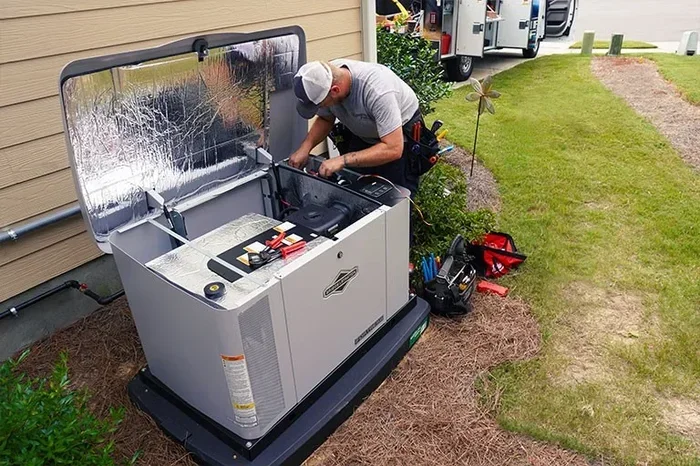
A standby diesel generator is designed to kick in automatically when your main power source fails. These units are permanently installed outside homes or businesses and connect directly to your electrical panel. When a power outage is detected, the standby diesel generator starts up within seconds and takes over the load. Many homeowners and businesses rely on standby units for emergency power during storms or grid failures.
Portable Diesel Generators
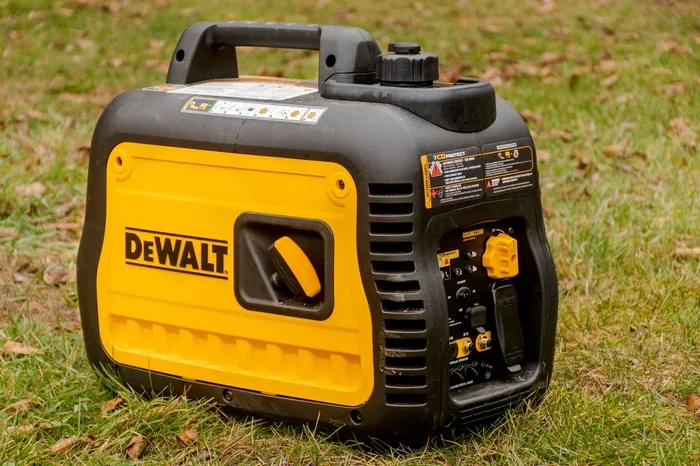
Portable diesel generators are smaller, lighter units that you can move from place to place. They are popular for camping trips, outdoor events, and small construction projects. While they do not produce as much power as larger units, they are convenient and easy to transport. A portable diesel generator is a great option if you need temporary backup power on the go.
Industrial Diesel Generators
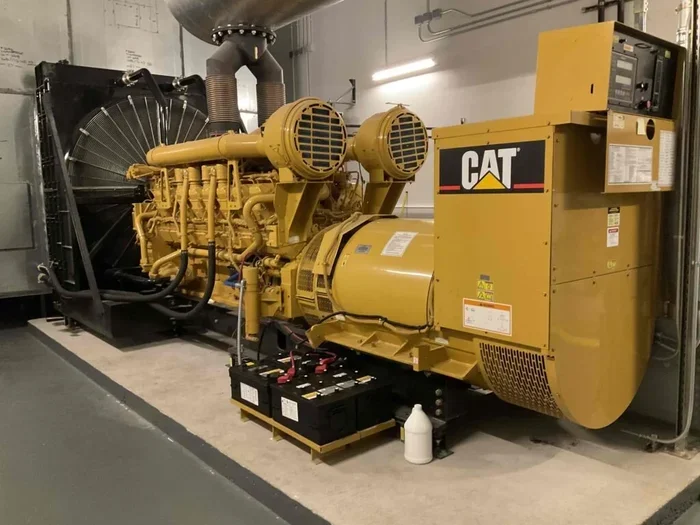
Industrial diesel generators are built for heavy-duty, continuous use. They are commonly found in factories, mining operations, data centers, and large commercial buildings. These units can produce hundreds of kilowatts of power and are designed to run for extended periods without interruption. They often include advanced features like automatic load balancing and remote monitoring systems.
Marine Diesel Generators
Marine diesel generators are specially designed for use on boats and ships. They are built to withstand saltwater corrosion and harsh ocean conditions. These generators provide power for navigation systems, lighting, and onboard appliances while vessels are at sea or docked.
Benefits of Using a Diesel Generator
There are many reasons why diesel generators remain a preferred choice for power generation. Let us look at the key benefits.
- Fuel Efficiency: Diesel fuel contains more energy per gallon than gasoline. A diesel generator uses less fuel to produce the same amount of power, which saves money over time.
- Durability and Longevity: Diesel engines are built tough. They are designed to handle heavy loads and long running hours, making them a reliable long-term investment.
- Lower Maintenance Costs: Because diesel engines have fewer ignition-related parts, there are fewer components that need regular replacement or repair.
- High Power Output: Diesel generators can handle large electrical loads with ease. They are ideal for applications that demand consistent, high levels of power.
- Safety: Diesel fuel is less flammable than gasoline. This makes diesel generators a safer option for many environments, especially in industrial settings.
- Wide Availability: Diesel fuel is available at gas stations and fuel depots almost everywhere, which makes refueling convenient even in remote areas.
Quick Tips for Choosing the Right Diesel Generator
Selecting the right diesel generator can feel overwhelming, but a few simple tips can help you make the best decision.
- Calculate your power needs: Add up the wattage of all the devices and appliances you want to run. Choose a generator with a load capacity that exceeds your total by at least 20 percent.
- Decide between portable and standby: If you need power for your home during outages, a standby unit is the better choice. If you need something for occasional outdoor use, a portable model works well.
- Check the fuel tank size: A larger fuel tank means longer run times between refills, which is important during extended power outages.
- Look for automatic start features: Standby generators with automatic start will activate on their own when power is lost, so you do not have to be home to start them.
- Consider noise levels: Some diesel generators are louder than others. If noise is a concern, look for units with soundproof enclosures or mufflers.
Common Mistakes to Avoid with Diesel Generators
Even the best diesel generator can cause problems if it is not used or maintained properly. Here are some common mistakes to watch out for.
Neglecting Regular Maintenance
One of the biggest mistakes people make is skipping scheduled maintenance. Diesel generators need regular oil changes, filter replacements, and coolant checks. Skipping these tasks can lead to reduced performance, higher fuel consumption, and even complete engine failure over time.
Overloading the Generator
Running too many devices on a diesel generator at once can overload the unit. This stresses the engine and alternator, and it can damage both your generator and the connected equipment. Always check the load capacity before plugging in devices.
Using the Wrong Fuel
Always use the diesel fuel grade recommended by the manufacturer. Using the wrong fuel or contaminated fuel can clog the injection system, reduce efficiency, and cause serious engine damage.
Ignoring the Exhaust System
A blocked or damaged exhaust system can cause the engine to overheat and produce harmful emissions. Regularly inspect the exhaust pipe and muffler for blockages, corrosion, or leaks.
Running the Generator in Enclosed Spaces
Diesel generators produce carbon monoxide, which is a colorless, odorless, and deadly gas. Never run a diesel generator indoors or in enclosed spaces like garages. Always place it in a well-ventilated area outdoors.
Diesel Generator Maintenance: Keeping Your Unit Running Strong
Proper maintenance is the secret to a long-lasting diesel generator. A well-maintained unit can serve you reliably for 20,000 hours or more. Here is a simple maintenance schedule to follow.
Daily Checks
Every time you use your diesel generator, do a quick visual inspection. Check the fuel level, look for any leaks, and listen for unusual sounds. Make sure the area around the generator is clear of debris and obstructions.
Weekly and Monthly Tasks
- Check and top off the engine oil if needed.
- Inspect the air filter and clean or replace it if it looks dirty.
- Test the battery and clean any corrosion off the terminals.
- Run the generator under load for at least 30 minutes to keep the engine in good condition.
Seasonal and Annual Maintenance
At least once a year, have a professional technician perform a thorough inspection. This should include checking the fuel injection system, inspecting the cooling system, testing the voltage regulator, and verifying that all electrical connections are secure. If you live in a cold climate, also check the antifreeze levels and consider using winter-grade diesel fuel during the colder months.
Expert Insight: Why Maintenance Matters
According to industry experts, most diesel generator failures are not caused by sudden breakdowns. They are caused by neglected maintenance over time. Regular oil changes and filter replacements prevent buildup that can choke the engine. Taking a few minutes each week to check your unit can save you from costly repairs and unexpected downtime during a power outage.
Diesel Generators vs. Other Generator Types
It is helpful to understand how a diesel generator compares to other types of generators. This gives you a clearer picture of when a diesel generator is the right choice.
| Feature | Diesel Generator | Gasoline Generator | Propane Generator |
|---|---|---|---|
| Fuel Efficiency | High | Moderate | Moderate |
| Engine Longevity | Very Long | Moderate | Moderate |
| Fuel Availability | Widely Available | Widely Available | Moderate |
| Upfront Cost | Higher | Lower | Moderate |
| Operating Cost | Lower Over Time | Higher Over Time | Moderate |
| Maintenance Needs | Low to Moderate | Moderate | Low to Moderate |
| Power Output | High | Low to Moderate | Moderate |
| Best For | Heavy Duty, Continuous Use | Occasional, Light Use | Home Backup |
As you can see from the comparison above, diesel generators offer the best combination of fuel efficiency, power output, and longevity. They do tend to cost more upfront, but the long-term savings in fuel and maintenance make them a smart investment for serious power needs.
Environmental Impact of Diesel Generators
Like any combustion engine, diesel generators produce emissions. Older models can release significant amounts of nitrogen oxides and particulate matter. However, modern diesel generators are much cleaner than they used to be.
Today’s diesel generators meet strict emission standards set by organizations like the Environmental Protection Agency. Many newer units use advanced technologies like diesel particulate filters and selective catalytic reduction to dramatically reduce harmful emissions. Some manufacturers are also experimenting with biodiesel blends and synthetic fuels to make diesel generators even more environmentally friendly.
If environmental impact is a concern for you, look for generators that meet Tier 4 or EPA Tier 4 Final emission standards. These units produce the lowest levels of harmful pollutants and represent the cleanest diesel technology available today.
Final Thoughts
A diesel generator is a remarkable machine that turns simple diesel fuel into reliable, usable electricity. From the four-stroke combustion cycle inside the engine to the alternator that produces the electrical current, every part of the system is designed for efficiency, durability, and consistent performance. Whether you need a standby diesel generator for your home, a portable unit for outdoor adventures, or an industrial powerhouse for your business, understanding how these machines work helps you make better decisions.
The key to getting the most out of your diesel generator is proper maintenance, smart usage, and choosing the right type for your specific needs. With the information in this guide, you now have a solid foundation of knowledge about diesel generators and how they actually work. Use it to power your decisions with confidence and keep the lights on when it matters most.
Frequently Asked Questions
How long can a diesel generator run continuously?
A well-maintained diesel generator can run continuously for 24 to 72 hours or more, depending on the fuel tank size and load. Many industrial units are designed for weeks of uninterrupted operation with proper refueling and maintenance schedules.
Is a diesel generator safe to use indoors?
No, diesel generators should never be used indoors. They produce carbon monoxide, which is a deadly, odorless gas. Always place your generator outdoors in a well-ventilated area, away from windows, doors, and vents that lead inside.
How often should I change the oil in my diesel generator?
Most manufacturers recommend changing the oil every 100 to 250 operating hours, or at least once a year if the generator is used infrequently. Check your owner’s manual for the specific recommendation for your model.
Can I use biodiesel in my diesel generator?
Yes, many modern diesel generators can run on biodiesel blends, such as B5 or B20. However, you should check your manufacturer’s guidelines first. Some older units or models with certain seals and gaskets may not be compatible with biodiesel.
What size diesel generator do I need for my home?
The size you need depends on the total wattage of the appliances and devices you want to power during an outage. As a general rule, add up the running wattage of all essential items and choose a generator that exceeds that total by 20 to 30 percent to handle startup surges.
Why does my diesel generator smell like diesel fuel?
A slight diesel smell during operation is normal, especially around the exhaust and fuel tank area. However, a strong fuel smell could indicate a leak in the fuel system. If you notice a persistent or strong fuel odor, turn off the generator immediately and inspect for leaks before using it again.