How Loud Is an Air Compressor in Your Home Garage Shop
So how loud is an air compressor in your home garage shop? Most standard models run between 60 and 85 decibels, which is roughly as loud as a vacuum cleaner or a busy restaurant. The good news is that quiet air compressor options now exist that keep noise well below 70 dB. Whether you are running pneumatic tools all day or just inflating tires, understanding air compressor noise levels helps you protect your hearing and keep your neighbors happy.
Let us talk about something that hits close to home for anyone who owns a garage shop. You are building a project, or maybe just trying to finish up some repairs on a Saturday morning. You fire up your air compressor, and suddenly, it sounds like a jackhammer next door. So how loud is an air compressor really?
The truth is, air compressor noise levels vary a lot depending on the type, size, and age of the machine. A small pancake compressor might barely disturb the conversation in your house. But a larger two-stage compressor can rival a lawn mower in volume. If you share walls with neighbors or have kids sleeping upstairs, this matters a great deal.
In this guide, we will break down everything you need to know about how loud an air compressor is in a home garage shop. We will look at decibel ratings, compare different compressor types, share real-world examples, and give you practical tips to quiet things down. By the end, you will know exactly what to expect and how to make the best choice for your space.
Key Takeaways
- Most garage compressors: Standard home compressors produce 60 to 85 decibels, similar to household appliances.
- Quiet models exist: Modern oil-free compressors and rotary screw compressors can run as low as 50 dB.
- Noise depends on type: Reciprocating compressors are louder than rotary or scroll models.
- Simple fixes work: Placing the unit on a mat, adding an enclosure, or maintaining the machine can significantly reduce sound.
- Hearing protection matters: Always wear ear protection when working near a compressor for extended periods.
- Placement is key: Positioning your compressor away from shared walls reduces noise complaints.
- Check the spec sheet: Always look for the decibel rating before buying a garage compressor.
📑 Table of Contents
- Understanding Air Compressor Noise Levels
- Noise Levels by Compressor Type
- Why Noise Matters in a Home Garage Shop
- Tips to Reduce Air Compressor Noise
- Best Quiet Air Compressors for Home Garage Shops
- Common Mistakes People Make With Compressor Noise
- Expert Insight: What Pros Recommend
- Final Thoughts on Air Compressor Noise
Understanding Air Compressor Noise Levels
Before we dive into specifics, let us talk about what decibels actually mean. Decibels, or dB, measure the intensity of sound. The scale is logarithmic, which means a small number increase can mean a big jump in perceived loudness. Here is a quick way to think about it:
- 40 dB: Quiet library. Whisper level.
- 50 dB: Light rain or a quiet refrigerator.
- 60 dB: Normal conversation. A vacuum cleaner.
- 70 dB: Busy traffic. A running washing machine.
- 80 dB: A garbage disposal. Noisy restaurant.
- 85 dB: Heavy city traffic. The threshold where hearing damage can begin with prolonged exposure.
- 90+ dB: Lawnmower. Motorcycle. Factory machinery.
Most home garage air compressors fall somewhere between 60 and 85 dB. That range is wide because compressors come in all shapes and sizes. A tiny 1-gallon pancake unit might hum along at 55 dB. A large 60-gallon horizontal compressor with a 5-horsepower motor can easily hit 80 dB or more.
How loud is an air compressor compared to other common garage tools? A typical impact wrench produces about 80 to 90 dB on its own. A nail gun clocks in around 90 to 100 dB each time it fires. The compressor itself adds to that overall sound environment in your shop. So the compressor is just one piece of the puzzle when thinking about your total garage noise level.
What Affects Air Compressor Noise?
Several factors determine how loud your compressor will be. Understanding these helps you make smarter buying decisions and manage noise better in your shop.
Motor type and size play the biggest role. A larger horsepower motor generally means more noise. But it is not just about power. The type of motor matters too. Open-frame motors tend to be louder than enclosed motors because there is no housing to contain the sound.
Compressor design also matters a lot. Reciprocating compressors, which use pistons, tend to produce more noise and vibration. Rotary screw compressors run smoother and quieter. Scroll compressors are among the quietest options available. Here is a simple breakdown:
- Reciprocating compressors: Pistons move back and forth. Creates more vibration and noise. Common in home garage setups.
- Rotary screw compressors: Two rotors spin to compress air. Runs much smoother and quieter. More common in commercial settings but increasingly available for home use.
- Scroll compressors: Very quiet operation. Less common for garage shops but excellent if noise is a top concern.
Tank size can also influence noise indirectly. Larger tanks mean the motor does not cycle on and off as often. Fewer start-stop cycles means fewer noise spikes. A compressor that runs continuously at a steady pace tends to be less annoying than one that keeps kicking on and off.
Noise Levels by Compressor Type
Let us get specific. Here is a closer look at how loud different types of compressors actually are in real garage shop settings.
Small Pancake and Hot Dog Compressors
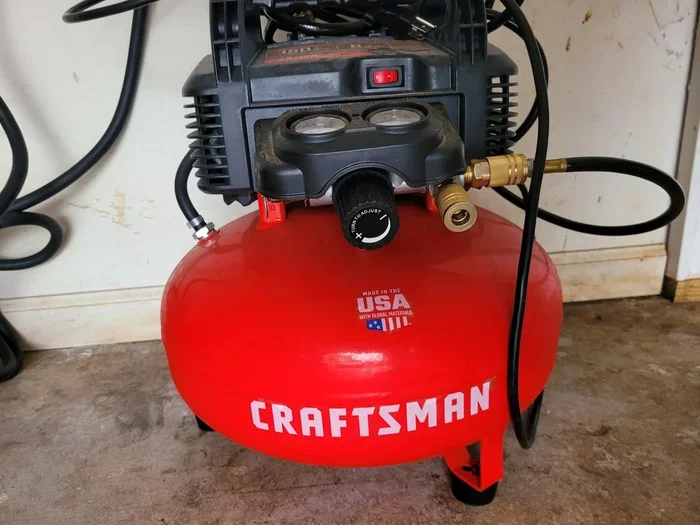
These are the most common compressors found in home garages. They typically have 1 to 2 horsepower motors and tanks ranging from 1 to 6 gallons. How loud is an air compressor in this category? Most models produce between 60 and 75 dB. That is about the same volume as a normal conversation or a running dishwasher.
These units are great for light-duty tasks like inflating tires, powering a small nailer, or running a basic impact wrench for short bursts. They are affordable, portable, and do not take up much space. The tradeoff is that they can be noisy when the motor kicks on to refill the tank. That sudden burst of sound can be a bit startling if you are not expecting it.
Horizontal and Vertical Tank Compressors
Mid-size compressors with 4 to 6 gallon tanks and 2 to 3 horsepower motors fall into this category. They typically produce 70 to 80 dB. That is closer to a running vacuum cleaner or a blender. These are popular for hobbyists and DIYers who need more air capacity for longer tool sessions.
The noise level increases because the motor works harder and the tank is larger. However, these units also tend to have better enclosures and vibration dampening than the smaller pancake models. Some brands design them with quieter startup features that reduce the initial noise spike when the motor engages.
Large Two-Stage Garage Compressors
If you run a serious garage shop with multiple pneumatic tools running simultaneously, you might need a larger compressor. These units, often with 60-gallon tanks and 5+ horsepower, can produce 80 to 90 dB or more. That is in the range of a lawnmower or a motorcycle.
These compressors are built for continuous heavy use. They are louder but also more efficient at delivering steady air pressure. If you are running sandblasters, paint sprayers, or multiple impact wrenches, you need this kind of power. The noise is a tradeoff for performance.
| Compressor Type | Tank Size | Horsepower | Typical Noise Level | Best For |
|---|---|---|---|---|
| Pancake / Hot Dog | 1-6 gallons | 1-2 HP | 60-75 dB | Light tasks, inflating, small nailers |
| Horizontal / Vertical Tank | 4-6 gallons | 2-3 HP | 70-80 dB | Hobbyist shops, medium-duty tools |
| Two-Stage Large Tank | 60+ gallons | 5+ HP | 80-90+ dB | Heavy shop use, multiple tools |
| Rotary Screw (Quiet) | Varies | 2-5 HP | 50-65 dB | Noise-sensitive environments |
| Oil-Free Portable | 1-4 gallons | 1-2 HP | 55-70 dB | Home use, quiet operation |
Why Noise Matters in a Home Garage Shop
You might be thinking, “It is just a garage. How much does noise really matter?” More than you might expect. Let us walk through the real reasons why air compressor noise deserves your attention.
Hearing health is the most important concern. Prolonged exposure to sounds above 85 dB can cause permanent hearing damage over time. If you spend hours in your garage shop running a compressor and pneumatic tools, you are putting your ears at risk. Even if the noise does not feel painful, cumulative exposure adds up. This is especially true for weekend warriors who might spend an entire Saturday in the shop without thinking about protection.
Neighbor relations are another real factor. Many home garages share walls with the main house or with neighboring properties. A loud compressor can travel through walls and windows. If you are running it early on a Saturday morning or in the evening, noise complaints are a genuine possibility. Nobody wants to be known as “the neighbor with the loud compressor.”
Work quality and comfort also suffer when noise levels are too high. Constant loud noise causes fatigue, stress, and difficulty concentrating. You might make mistakes on your projects or find that you do not enjoy spending time in your shop as much. A quieter workspace makes for better work and a better experience overall.
If you are already running a home generator in the garage for backup power, you know how noise from garage equipment can compound. You might want to check out how much a home generator costs to see if upgrading to a quieter model alongside your compressor makes sense for your setup.
Tips to Reduce Air Compressor Noise
The good news is that you do not have to just accept a noisy compressor. There are several practical steps you can take to significantly reduce the sound in your garage shop. Here are some proven methods that actually work.
1. Place the Compressor on a Rubber Mat
Vibration is one of the biggest contributors to perceived noise. When your compressor sits directly on a concrete floor, every vibration transfers into the floor and radiates as sound. A simple rubber isolation mat or anti-vibration pad can absorb much of this vibration. You can pick one up for under $30 and it makes an immediate difference.
2. Build or Buy a Compressor Enclosure
An enclosure is basically a soundproof box that wraps around your compressor. You can build one from plywood and acoustic foam, or buy a purpose-built enclosure. These can reduce noise by 10 to 15 dB. That is a huge difference. Think of it like putting your compressor in a quiet room of its own.
Just make sure the enclosure has adequate ventilation. Compressors need airflow to cool properly. You do not want to trap heat inside an enclosed space. Add intake and exhaust fans to maintain good air circulation while keeping the sound contained.
3. Position the Compressor Away from Shared Walls
Where you place your compressor in the garage matters more than you might think. If your garage shares a wall with your neighbor’s house, point the exhaust side away from that wall. Even moving the compressor a few feet can make a noticeable difference in how much sound reaches the other side.
Corner placement can also help. Sound bounces around in open spaces, but placing the compressor in a corner with two walls behind it can actually reduce the spread of noise to the rest of the shop.
4. Perform Regular Maintenance
A well-maintained compressor runs quieter than a neglected one. Dirty air filters make the motor work harder, which increases noise. Loose bolts and mounting hardware create extra vibration. Worn belts squeal and create harsh sounds. Simple maintenance tasks like cleaning filters, tightening bolts, and replacing worn parts keep everything running smoothly and quietly.
If you also use a generator in your garage setup, proper maintenance applies there too. For more on generator upkeep, see how to start a generator and keep all your garage power equipment running at its best.
5. Use Hearing Protection
This one is simple but critical. Even with all the noise reduction steps in the world, a compressor is still a loud machine. A good pair of earplugs or noise-canceling earmuffs protects your hearing. You only get two ears, and hearing damage is permanent. Wear protection every time you run the compressor, no exceptions.
Best Quiet Air Compressors for Home Garage Shops
If noise is your top priority, you will want to look at compressors specifically designed for quiet operation. Here are some options worth considering.
Oil-free portable compressors are a great starting point. They eliminate the noise from oil circulation and tend to run smoother overall. Many models in this category produce 55 to 70 dB, which is comfortable enough to have a conversation while the compressor runs.
Rotary screw compressors are the gold standard for quiet continuous operation. They use rotating screws instead of pistons, which eliminates the banging and knocking sounds associated with reciprocating models. These are more expensive but well worth it if you run a busy garage shop and noise is a concern.
Compressors with enclosed motors naturally produce less noise because the housing contains the sound. Look for models that specifically advertise “low noise” or “quiet operation” in their product descriptions. The decibel rating should be listed in the specifications. If it is not, contact the manufacturer before buying.
When you are shopping for garage equipment, it helps to think about your whole power setup. If you are also considering adding a generator to your garage for backup power or job site work, check out how many watts a generator needs to make sure your entire shop is powered efficiently and quietly.
Common Mistakes People Make With Compressor Noise
Let us quickly cover some mistakes that make compressor noise worse than it needs to be. Avoiding these will save you headaches and keep your garage shop more pleasant.
- Ignoring the spec sheet: Many buyers focus only on horsepower and tank size. The decibel rating is just as important. Always check it before purchasing.
- Placing the compressor on an uneven surface: This creates extra vibration and amplifies noise. A level, stable surface with a dampening mat is ideal.
- Running the compressor at full pressure unnecessarily: Higher pressure means the motor works harder and runs louder. Only pressurize to what your tools actually need.
- Skipping maintenance: A dirty, worn compressor is always louder than a well-maintained one. Stick to a regular maintenance schedule.
- Using flexible hoses that vibrate: Loose or unsecured hoses can amplify compressor noise by rattling and buzzing. Secure your hoses and use anti-vibration hose clamps.
Expert Insight: What Pros Recommend
Experienced garage shop owners and professional mechanics have a few tried-and-true strategies for managing compressor noise. Here is what the experts say.
“I always tell my students that the compressor is the loudest piece of equipment in the shop,” says Mark T., a certified master mechanic with 20 years of experience. “The first thing I do when setting up a new shop is build a simple enclosure with ventilation. It cuts the noise in half and makes the whole shop a better place to work.”
Another pro tip from workshop designers is to separate the compressor from the main work area. If you have a large enough garage, place the compressor in a corner or even a small adjacent room. The wall between the compressor and your workbench blocks a significant amount of sound. This is the same principle used in professional automotive shops and manufacturing facilities.
Some shop owners also add soundproofing panels to the walls near the compressor. These panels absorb sound waves and prevent them from bouncing around the garage. Combined with a rubber mat and proper maintenance, this approach can bring even a large compressor down to a manageable noise level.
If your garage setup includes other power equipment, understanding how all your tools interact with noise is important. For more on garage power systems, read how to connect a generator to your house to make sure your entire setup is safe and efficient.
Final Thoughts on Air Compressor Noise
So how loud is an air compressor in your home garage shop? The answer depends on your specific setup, but now you have a clear picture. Most home compressors run between 60 and 85 dB, which ranges from conversational noise to lawnmower-level sound. The type of compressor, its size, and how well you maintain it all play a role.
The best news is that you have real control over this. You can choose a quieter model when buying. You can add simple noise-reducing solutions like mats and enclosures. You can position the unit strategically. And you can always protect your hearing with proper ear protection.
How loud is an air compressor does not have to be a mystery or a problem. With the right knowledge and a few smart choices, you can run a powerful compressor in your garage shop without driving yourself or your neighbors crazy. Your ears, your neighbors, and your projects will all thank you for it.
Take some time to evaluate your current setup. Check the decibel rating of your compressor. Try a rubber mat or enclosure if you have not already. And next time you are shopping for a new compressor, put the noise level right at the top of your checklist. A quieter garage shop is a better garage shop for everyone.
Frequently Asked Questions
How loud is an air compressor compared to a vacuum cleaner?
A typical home air compressor produces about the same noise level as a vacuum cleaner, usually between 70 and 80 dB. Both are noticeable but not painfully loud. However, compressors can spike in volume when the motor kicks on to refill the tank, which makes them seem louder than a vacuum running continuously.
Is 75 dB too loud for a home garage?
75 dB is moderate and generally acceptable for a home garage, especially if you use hearing protection for extended periods. It is about as loud as a running dishwasher or a busy street. If your garage is attached to your home or close to neighbors, you may want to aim for below 70 dB for comfort.
Can I make my air compressor quieter without buying a new one?
Yes, absolutely. Simple steps like placing the compressor on a rubber mat, building a basic enclosure, securing loose hoses, and performing regular maintenance can all reduce noise significantly. Many users report a 10 to 15 dB reduction with just a mat and proper placement.
What is the quietest type of air compressor for a home shop?
Rotary screw compressors and oil-free portable models are the quietest options available. They typically run between 50 and 65 dB, which is quieter than a normal conversation. They cost more upfront but are worth it if noise is a major concern in your garage shop.
Do I need hearing protection when using an air compressor?
Yes, you should always wear hearing protection when running an air compressor for extended periods. Even at 70 dB, prolonged exposure can cause fatigue and gradual hearing damage. A simple pair of foam earplugs or over-ear earmuffs provides excellent protection and costs very little.
How does compressor tank size affect noise?
Larger tank sizes do not directly make the compressor louder, but they do affect how often the motor cycles. A larger tank means the motor runs less frequently and for longer steady stretches, which reduces the start-stop noise spikes that can be the most annoying part of compressor operation.
=== CONCLUSION ===
How loud is an air compressor in your home garage shop? Now you know the answer: it depends on the type, size, and condition of your machine, but most home compressors fall in the 60 to 85 dB range. You also know that you have plenty of options to reduce that noise and create a more comfortable workspace. From choosing a quiet air compressor model to adding simple soundproofing solutions, every step makes a difference. Protect your hearing, keep your neighbors happy, and enjoy your garage shop experience more. The right compressor setup makes every project better.