The Complete Guide to Choosing the Right Generator Box
A generator box protects your power unit from weather, noise, and damage while keeping it running efficiently. This guide walks you through every factor you need to consider, from size and materials to installation and maintenance. Whether you need a portable setup or a permanent standby solution, choosing the right generator box ensures safety, longevity, and peak performance for years to come.
A generator box is more than just a cover for your power unit. It is a protective enclosure designed to shield your generator from the elements, reduce noise, and keep everything running safely. Whether you are powering a home during an outage or running tools on a job site, the right enclosure makes a huge difference.
Choosing the wrong generator box can lead to overheating, excessive noise, or even dangerous fume buildup. Many people buy the first option they see and regret it within months. This guide breaks down everything you need to know to make a smart, informed decision.
We will cover the different types available, the key features to look for, sizing guidelines, material options, and practical installation tips. By the end, you will feel confident picking the perfect enclosure for your specific needs.
Key Takeaways
- Right-sizing matters: A generator box that is too small causes overheating, while one that is too large wastes space and money.
- Material choice affects durability: Steel, aluminum, and composite materials each offer different levels of protection and longevity.
- Ventilation is critical: Proper airflow prevents dangerous carbon monoxide buildup and keeps your generator running cool.
- Soundproofing reduces noise pollution: A good generator sound box can cut noise by up to 50 percent.
- Installation location impacts safety: Always place your generator box away from windows, doors, and air intake vents.
- Regular maintenance extends lifespan: Simple upkeep like cleaning vents and checking seals keeps your enclosure in top shape.
📑 Table of Contents
- What Is a Generator Box and Why Do You Need One?
- Types of Generator Boxes
- Key Features to Look For in a Generator Box
- How to Choose the Right Size Generator Box
- Best Materials for Generator Boxes
- Installation Tips and Common Mistakes
- How Much Should You Spend on a Generator Box?
- Expert Insights on Choosing the Right Generator Box
- Final Thoughts
What Is a Generator Box and Why Do You Need One?
A generator box is a structured enclosure built around your generator unit. It serves as a generator housing that protects the engine, fuel tank, and electrical components from rain, dust, debris, and extreme temperatures. Think of it as a dedicated shelter that keeps your power source safe and operational.
Not everyone needs one, but most people benefit greatly. If you store your generator outdoors, an enclosure is almost essential. Rain and snow can cause serious internal damage over time. Even UV exposure from the sun can degrade plastic parts and rubber seals on your unit.
Beyond protection, a weatherproof generator box also helps with noise reduction. Generators can be incredibly loud, and a good soundproof generator box can cut that noise significantly. This matters if you live in a neighborhood or run a business where noise complaints are a real concern.
Another reason to invest in a quality enclosure is safety. A proper generator housing keeps curious children and pets away from hot surfaces and moving parts. It also helps contain any fuel spills, reducing fire risks around your property.
Types of Generator Boxes
Not all enclosures are created equal. Different situations call for different styles of generator box. Let us break down the most common options so you can find the one that fits your setup.
Portable Generator Boxes
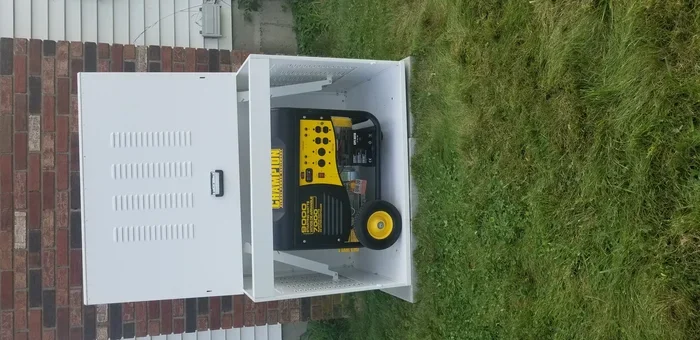
A portable generator box is designed for units you move around frequently. These are typically lighter materials like aluminum or thin steel. They often come with carry handles or wheels for easy transport. If you use your generator for camping, tailgating, or small construction jobs, this is the way to go.
The trade-off is that portable enclosures offer less insulation and soundproofing. They protect from rain and minor debris but may not handle harsh winter conditions as well as heavier options.
Standby Generator Enclosures
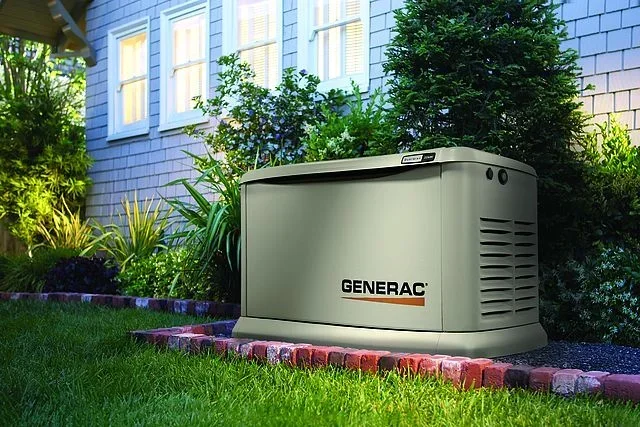
Standby generator boxes are built for permanent installation. These are heavy-duty structures, often made from thick steel or concrete composite. They are designed to house a whole-house generator and withstand years of outdoor exposure without degrading.
Many standby enclosures include built-in ventilation systems, sound dampening panels, and weather-sealed doors. If you want a reliable power backup for your home, this is the type of generator box you need.
DIY and Custom Generator Covers
Some homeowners prefer to build their own enclosure. DIY generator boxes can be made from plywood, PVC, or even repurposed shipping containers. This route is budget-friendly and lets you customize the size and features exactly to your needs.
However, DIY setups require careful attention to ventilation and fire safety. Improper airflow can cause your generator to overheat, which is dangerous and shortens the lifespan of the unit.
Canopy-Style Generator Covers
A generator canopy is the simplest type of enclosure. It is essentially a roof with open sides that shields the top of your generator from rain and sun. Canopies are lightweight, affordable, and easy to set up.
They do not provide much noise reduction or protection from wind-driven rain and debris. But for mild climates and temporary use, a canopy-style generator box works perfectly fine.
Key Features to Look For in a Generator Box
When shopping for a generator enclosure, not all features are equal. Some are essential for safety, while others are nice-to-have extras. Here is what you should prioritize.
Ventilation and Airflow
This is the single most important feature of any generator box. Generators need constant airflow to burn fuel efficiently and release exhaust safely. Without proper vents, carbon monoxide can build up inside the enclosure, which is extremely dangerous.
Look for boxes with multiple intake and exhaust vents positioned at opposite ends. This creates a cross-flow ventilation system that keeps the generator cool and the air fresh. Some premium models include built-in exhaust fans that actively pull air through the enclosure.
Weather Resistance
Your generator box should handle rain, snow, wind, and UV exposure without breaking down. Check for rust-resistant coatings, sealed seams, and waterproof joints. A quality weatherproof generator box will also have a sloped or angled roof to shed water instead of pooling it.
For coastal areas, look for enclosures with salt-resistant materials. Ocean air can corrode standard steel within a year or two, so stainless steel or marine-grade aluminum is a better choice.
Soundproofing and Noise Reduction
If noise is a concern, pay close attention to the soundproofing features of your generator box. Thick walls, acoustic lining, and sealed doors all contribute to a quieter operation. Some soundproof generator box models can reduce noise levels by 50 percent or more.
Keep in mind that soundproofing often comes at the cost of reduced ventilation. You need to find a balance that keeps the generator cool while also keeping the noise down. Look for models that use sound-dampening materials without blocking airflow entirely.
Ease of Access
You will need to access your generator regularly for refueling, maintenance, and starting. Choose a generator box with large doors or removable panels that give you full access to the unit. If the enclosure is too difficult to open, you are less likely to perform regular upkeep.
Some models include swing-out doors, while others use removable side panels. Both approaches work well, so pick the one that fits your storage space and usage habits.
Fuel Tank Integration
Some generator boxes are designed with a built-in fuel tank compartment. This keeps the fuel source secure and protected from the elements. If you are buying a diesel generator box or a propane setup, check whether the enclosure includes a dedicated fuel storage area.
Make sure any fuel compartment has proper ventilation and leak-proof seals. Fuel vapors can be dangerous, and a poorly designed tank area creates a serious fire hazard.
How to Choose the Right Size Generator Box
Sizing your generator box correctly is crucial. Too small and the unit overheats. Too large and you waste money on unused space. Here is how to get it right.
Start by measuring your generator from every angle. Include the height, width, and depth, and then add at least 6 inches of clearance on every side. This extra space allows for airflow and makes it easier to access the unit for maintenance.
Next, consider the fuel tank. If your generator has an external fuel line, you need additional room for that connection. Some people also store extra fuel cans inside the enclosure, which requires even more space.
As a general rule, the interior of your generator box should be at least 20 percent larger than the generator itself. This buffer ensures proper ventilation and gives you room to work during repairs or refueling.
If you are unsure about sizing, check the specifications for your specific generator model. Many manufacturers list recommended enclosure dimensions. You can also consult with a professional installer who can assess your setup and recommend the right size.
Sizing for Different Generator Types
Portable generators typically need smaller enclosures than standby units. A small portable unit might fit in a box as compact as 3 feet by 3 feet. A large standby generator, on the other hand, may require an enclosure that is 6 feet wide or more.
For generators used to power a furnace and refrigerator during outages, you need a mid-sized enclosure that fits a 5000 to 7000 watt unit comfortably. The size of your generator box should match the power output and physical dimensions of your specific machine.
Best Materials for Generator Boxes
The material you choose affects durability, weight, cost, and soundproofing. Here is a breakdown of the most common options.
Steel
Steel is the most popular material for generator enclosures. It is strong, durable, and offers excellent protection against impact and weather. Steel generator boxes are ideal for permanent outdoor installations and heavy-duty use.
The downside is that steel is heavy and can rust over time if not properly treated. Look for galvanized or powder-coated steel to get the best longevity. Steel also conducts heat, so make sure your enclosure has adequate ventilation to prevent overheating.
Aluminum
Aluminum is lighter than steel and naturally resistant to rust. It makes an excellent choice for portable generator boxes or setups where weight matters. Aluminum enclosures are easy to transport and install, which is a big plus for temporary use.
However, aluminum is softer than steel and can dent more easily. It also provides less sound insulation, so if noise reduction is a priority, you may need to add acoustic lining to an aluminum enclosure.
Composite and Plastic
Composite materials and heavy-duty plastics are used in budget-friendly generator boxes. They are lightweight, rust-proof, and relatively affordable. These enclosures work well for mild climates and light-duty use.
The main weakness is durability. Composite generator boxes can crack under impact or degrade from prolonged UV exposure. They are best suited for occasional use or as a temporary solution.
Wood and DIY Materials
Wood is a popular choice for DIY generator enclosures. It is affordable, easy to work with, and provides decent insulation. However, wood is vulnerable to moisture, rot, and pests, so it requires regular maintenance and treatment.
If you go the wood route, use pressure-treated lumber and seal all surfaces with weatherproof paint or stain. Never place a wooden generator box too close to the exhaust pipe, as the heat and sparks create a fire risk.
Installation Tips and Common Mistakes
Installing your generator box correctly is just as important as choosing the right one. A poorly installed enclosure can cause ventilation problems, moisture buildup, and safety hazards.
Placement Guidelines
Always place your generator box on a level, stable surface. A concrete pad or gravel base works best. Never set the enclosure on soft ground that could shift or settle over time.
Position the box at least 20 feet away from any window, door, or air intake vent. This prevents exhaust fumes from entering your home. If you are running a generator into the house through a transfer switch, make sure the generator box is close enough to the entry point for safe wiring.
Keep the enclosure away from trees and overhangs that could drop branches or block airflow. A clear area around the generator box ensures proper ventilation and easy access for maintenance.
Common Installation Mistakes
One of the biggest mistakes is blocking the exhaust outlet. This can cause carbon monoxide to build up inside the enclosure, which is life-threatening. Always double-check that exhaust vents are clear and unobstructed before running the generator.
Another common error is using an enclosure that is too small. People often measure only the generator body and forget about the exhaust pipe, fuel lines, and extra clearance needed for airflow. Always add generous margins when choosing the size of your generator box.
Skipping the foundation is another mistake. Even a portable generator box benefits from a level base. Without proper support, the enclosure can shift, lean, or collect water underneath, leading to rust and structural damage.
Maintenance Tips for Longevity
Regular maintenance keeps your generator box in great shape for years. Start by cleaning the vents and exhaust openings every few months. Debris, leaves, and dirt can accumulate and block airflow, causing your generator to overheat.
Check the seals and gaskets around doors and panels. Replace any that are cracked or worn to maintain weather resistance. If your enclosure has a paint or coating finish, touch up any scratches to prevent rust from forming.
Inspect the interior for moisture buildup after heavy rain. If you notice condensation inside the box, consider adding ventilation holes or a small dehumidifier. Keeping the interior dry protects both the generator and the enclosure itself.
How Much Should You Spend on a Generator Box?
The cost of a generator box varies widely based on size, material, and features. A basic canopy cover can cost as little as 50 to 100 dollars. A mid-sized aluminum enclosure typically runs between 300 and 800 dollars. Heavy-duty steel standby enclosures can range from 1,000 to 3,000 dollars or more.
Custom-built enclosures made from premium materials can cost even higher. However, investing in a quality generator box pays off in the long run. A well-built enclosure protects your generator investment, reduces repair costs, and extends the overall lifespan of your unit.
Think of it this way: a generator box is an insurance policy for your power equipment. The upfront cost is small compared to the potential damage from weather exposure, overheating, or physical impact.
If you are unsure about how much to spend, focus on the essentials first. A properly ventilated, weather-resistant enclosure in the right size is more important than fancy extras. You can always add soundproofing or insulation later as your needs evolve.
Expert Insights on Choosing the Right Generator Box
Industry professionals consistently emphasize three factors above all others: ventilation, sizing, and material quality. A well-ventilated enclosure prevents overheating and extends the life of your generator significantly. Always prioritize airflow over aesthetics or extra features.
Sizing is the second most critical factor. Many homeowners make the mistake of buying an enclosure that is too snug. This restricts airflow and makes maintenance difficult. Leave at least 6 to 12 inches of clearance on every side of the generator for optimal performance.
Material quality matters more than most people realize. A thin, poorly constructed enclosure may save money upfront but will deteriorate quickly. Invest in a durable material that matches your climate and usage needs. For harsh weather areas, stainless steel or marine-grade aluminum is worth the extra cost.
One thing many experts recommend is planning for future needs. If you think you might upgrade to a larger generator someday, choose a box that can accommodate the bigger unit. This saves you from having to replace the enclosure down the road.
Final Thoughts
Choosing the right generator box comes down to understanding your specific needs. Consider the size of your generator, the climate you live in, and how often you use the unit. A well-chosen enclosure protects your investment, reduces noise, and keeps your generator running safely for years.
Take your time comparing options, reading reviews, and measuring your space. Do not rush into a purchase just because a box looks good on the outside. Focus on the fundamentals: ventilation, weather resistance, proper sizing, and durable materials.
Whether you need a simple canopy for a portable unit or a heavy-duty steel enclosure for a whole-house standby generator, the right generator box makes all the difference. Use the tips in this guide to find the perfect fit, and you will enjoy reliable, safe power whenever you need it most.
Remember to maintain your enclosure regularly and inspect it for wear and damage. A little upkeep goes a long way in protecting both the box and the generator inside it. With the right setup, your generator will serve you reliably for many years to come.
Frequently Asked Questions
What is the best material for a generator box?
Steel is the most durable option for permanent installations, while aluminum works best for portable setups. Composite materials are affordable but less long-lasting. Choose based on your climate, usage frequency, and budget.
How do I know what size generator box I need?
Measure your generator and add at least 6 inches of clearance on every side. The interior of the box should be about 20 percent larger than the generator itself to allow proper airflow and easy access for maintenance.
Can I build my own generator box?
Yes, many homeowners build DIY enclosures using plywood, PVC, or metal sheets. Just make sure to include proper ventilation and keep the structure away from exhaust pipes. Follow safety guidelines closely to avoid fire hazards and fume buildup.
How far should a generator box be from my house?
Place the generator box at least 20 feet away from windows, doors, and air intake vents. This prevents exhaust fumes from entering your living space and ensures safe operation at all times.
Does a generator box reduce noise?
Yes, a well-built soundproof generator box can reduce noise by up to 50 percent. Look for enclosures with acoustic lining, thick walls, and sealed doors for the best noise reduction results.
How do I maintain my generator box?
Clean the vents regularly, check seals and gaskets for wear, and inspect the interior for moisture after heavy rain. Touch up any paint or coating scratches to prevent rust and keep the enclosure in top condition.