
How Many Watt Generator Do I Need To Keep My Home Powered
Choosing the right generator starts with knowing your power needs. This guide shows you exactly how to calculate the wattage you need, compares portable and standby options, and helps you avoid costly mistakes. You will learn the difference between starting watts and running watts, find a simple calculator method, and get clear recommendations for every home size.
Power outages can hit at the worst possible moment. A storm rolls in, the lights go out, and suddenly you are scrambling for flashlights and candles. A generator solves this problem fast. But here is the question most people ask first: how many watt generator do i need?
The answer is not one-size-fits-all. Your power needs depend on what you want to run, how many appliances you have, and how long the outage lasts. Some households need a small 3,000-watt unit. Others need a powerful 20,000-watt machine just to keep things normal.
This guide walks you through everything you need to know. You will learn how to calculate your wattage needs, compare different generator types, and pick the right size without wasting money. Let us get started.
Key Takeaways
- Calculate Your Total Wattage First: Add up all the appliances you want to run to find the right generator size.
- Starting Watts Matter Most: Many appliances need extra power to start up, so always account for surge wattage.
- Portable vs Standby Generators: Portable units work for basics, while standby generators power your whole house automatically.
- Don’t Undersize Your Generator: Running a generator at full capacity damages it and shortens its lifespan.
- Use a Wattage Calculator: Simple online tools make sizing your generator easy and accurate.
- Fuel Type Affects Cost and Runtime: Gasoline, propane, natural gas, and diesel each have different benefits.
- Safety Comes First: Always use generators outdoors and follow manufacturer guidelines to prevent carbon monoxide risks.
📑 Table of Contents
Understanding Generator Wattage: The Basics
Before you buy anything, you need to understand how generator wattage works. It sounds technical, but it is actually quite simple once you break it down.
What Are Running Watts?
Running watts are the continuous power a generator produces. This is the steady amount of electricity your appliances need to stay on. For example, a refrigerator typically needs about 700 running watts to keep humming. A lamp might only need 60 watts. These numbers stay constant while the appliance is on.
What Are Starting Watts?
Starting watts, also called surge watts, are the extra power needed to kick-start motor-driven appliances. Things like air conditioners, refrigerators, and sump pumps need a big burst of energy when they first turn on. A fridge might need 2,200 starting watts even though it only uses 700 running watts. This spike lasts just a few seconds, but your generator must handle it.
Why the Difference Matters
Many people make the mistake of only looking at running watts. They buy a generator that seems big enough, but it fails the moment they start the fridge or AC. Always check both starting and running watts. The generator size you choose must handle the highest surge demand of any appliance you plan to use.
Quick Tip: The 80% Rule
Never run a generator at 100% capacity. Experts recommend loading it to only 80% of its maximum output. This protects the engine, reduces fuel consumption, and extends the life of your unit. So if you need 4,000 running watts, you should look at a generator rated for at least 5,000 watts.
How to Calculate Your Home Power Needs
Figuring out your wattage needs does not require an electrician. You just need a list of your appliances and their wattage ratings. Here is how to do it step by step.
Step 1: List Your Essential Appliances
Start by writing down everything you want to keep running during a power outage. Most people focus on the essentials first. Here are common household items and their typical wattage:
- Refrigerator: 700 running / 2,200 starting watts
- Freezer: 500 running / 1,500 starting watts
- Window AC Unit: 1,200 running / 3,500 starting watts
- Sump Pump: 800 running / 1,300 starting watts
- Lights (5 rooms): 300 running / 300 starting watts
- Microwave: 1,000 running / 1,000 starting watts
- Television: 200 running / 200 starting watts
- Phone Charger: 25 running / 25 starting watts
- Laptop: 60 running / 60 starting watts
- Coffee Maker: 900 running / 900 starting watts
Step 2: Add Up the Numbers
Now add all the running watts together. Then identify the appliance with the highest starting wattage. Add that starting wattage number to your total running watts. The result is your peak wattage demand.
For example, if your running watts total 3,885 and your highest starting surge is 3,500 (from the AC), your total peak need is 7,385 watts. You would need a generator rated for at least 8,000 watts to stay safe.
Step 3: Use a Wattage Calculator
If math is not your strong suit, you can use an online wattage calculator. Many generator retailers offer free tools on their websites. You simply check off the appliances you want to run, and the calculator tells you the total wattage you need. This is the fastest and most accurate way to size your unit.
Common Mistakes People Make When Sizing
Watch out for these frequent errors:
- Forgetting about starting watts: This is the number one mistake. Always account for surge power.
- Overlooking hidden loads: Things like water heaters, well pumps, and HVAC systems draw significant power that people forget to include.
- Buying too small: Undersized generators overheat, trip breakers, and can damage connected appliances.
- Buying too large: Oversized generators waste fuel and cost more upfront. They also run inefficiently at light loads.
Portable Generators vs Standby Generators
Not all generators are the same. The two main types are portable and standby units. Each has its own strengths, and the right choice depends on your home and your needs.
Portable Generators
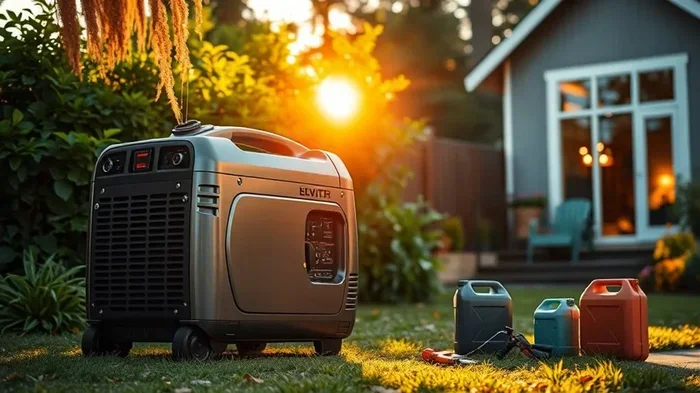
Portable generators are the most common option for homeowners. They are mobile, relatively affordable, and easy to store. You wheel them outside, plug in extension cords, and start them up. Most portable units range from 2,000 to 10,000 watts.
These units work great for powering essentials during short outages. They are ideal for running a fridge, a few lights, and some electronics. However, they require manual setup and refueling. You also need to be careful about where you place them, since they produce carbon monoxide.
Popular fuel types for portable generators include gasoline, propane, and dual-fuel options that can run on either. Gasoline is the most widely available, but propane burns cleaner and stores longer. Dual-fuel models give you flexibility.
Standby Generators
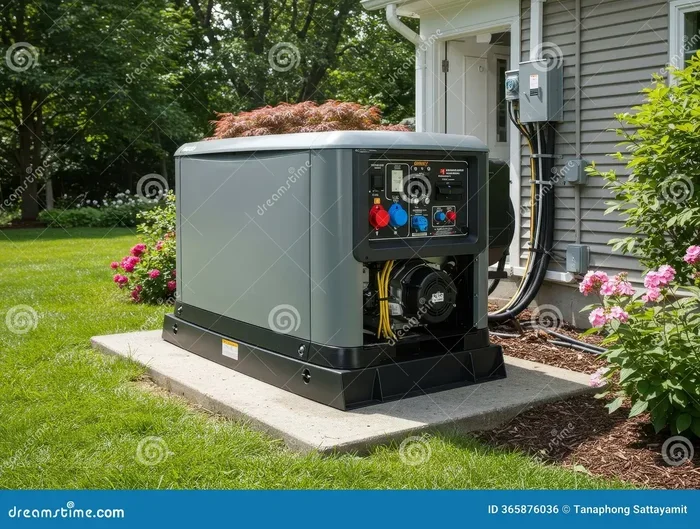
Standby generators are permanent installations outside your home. They connect directly to your electrical system and kick on automatically when the power goes out. These units are much larger, typically ranging from 7,000 to 20,000+ watts.
Standby generators run on natural gas or liquid propane. They connect to your existing gas lines, so there is no need to refuel manually. Many homeowners love the convenience of automatic backup power. You do not even have to be home for the generator to start working.
The main downsides are cost and installation. Standby units require professional setup and can be expensive. But for homeowners in areas prone to frequent outages, they are a worthwhile investment.
Comparison Table
| Feature | Portable Generator | Standby Generator |
|---|---|---|
| Typical Wattage Range | 2,000 – 10,000 watts | 7,000 – 20,000+ watts |
| Fuel Type | Gasoline, propane, dual-fuel | Natural gas, propane |
| Installation | None required | Professional installation needed |
| Automatic Start | No (manual start) | Yes (automatic transfer switch) |
| Portability | Yes, easy to move | No, permanent fixture |
| Average Cost | $500 – $3,000 | $3,000 – $15,000+ |
| Runtime | 8 – 24 hours (refueling needed) | Unlimited (connected to gas lines) |
| Best For | Occasional outages, camping, small homes | Frequent outages, large homes, whole-house power |
Expert Insight
According to most generator experts, homeowners should always buy a unit that is 10-20% larger than their calculated needs. This buffer gives you room to add appliances if needed and keeps the generator running efficiently. It also prevents the unit from running at full throttle, which causes extra wear and tear.
How Many Watts Do Common Household Items Use?
Understanding the electrical load of individual appliances helps you plan better. Here is a closer look at the most common household items and their power demands.
Kitchen Appliances
The kitchen is often the biggest power consumer in a home. A refrigerator alone can draw 700 running watts and spike to 2,200 starting watts. A microwave uses about 1,000 watts continuously. A dishwasher adds roughly 1,200 running watts. If you want to keep cooking during an outage, you need to factor all of these in.
A toaster uses about 800-1,200 watts, and an electric oven can pull 2,000-5,000 watts. If you plan to run multiple kitchen appliances at once, make sure your generator wattage can handle the combined load.
Heating and Cooling
HVAC systems are the biggest energy hogs in most homes. A central air conditioner can require 3,000-5,000 starting watts and 1,500-2,500 running watts. A furnace blower uses about 600-800 running watts. Heat pumps have similar demands to central AC units.
If you live in a hot or cold climate, your heating and cooling needs will heavily influence your generator size. A window unit is a more budget-friendly alternative that uses less power, but it only cools one room.
Electronics and Lighting
Electronics use relatively little power. A TV draws about 200-400 watts. A laptop needs only 60-100 watts. Phone chargers use just 25 watts each. Lighting is also modest, with LED bulbs using only 8-12 watts per bulb. Traditional incandescent bulbs use more, but most homes have switched to LEDs by now.
These low-draw devices add up, but they are easy to power. Even a small generator can handle a home full of electronics and lights.
Laundry and Bathroom
Washing machines typically need about 1,150 running watts. Dryers are much heavier, pulling 3,000-4,000 watts. If you want to run a washer and dryer at the same time, that is a significant load to plan for.
Electric water heaters use 3,000-4,500 watts. If your home has an electric heater, this will be one of your biggest power draws. Gas water heaters, on the other hand, use very little electricity, which makes them easier to power with a generator.
What Size Generator Should You Buy?
Now that you understand the basics, let us talk about specific generator sizes and what they can power. This section gives you clear recommendations based on your household needs.
Small Generators (2,000 – 3,500 Watts)
A small portable generator in this range is perfect for basic needs. It can run a refrigerator, a few lights, a phone charger, and a laptop simultaneously. This size works well for apartments, small homes, or households that only need to keep essentials running during a short outage.
These units are lightweight, affordable, and easy to store. They are also quiet compared to larger models, which makes them popular for residential neighborhoods. However, you cannot run high-draw appliances like air conditioners or electric stoves with a 3,000-watt unit.
Medium Generators (4,000 – 7,000 Watts)
A medium-sized generator gives you much more flexibility. This range can handle a refrigerator, freezer, window AC unit, lights, and a microwave all at once. It is the sweet spot for most families. You get enough power to keep your home comfortable without spending a fortune.
Many homeowners find that a 5,000-6,000 watt unit covers their typical needs perfectly. This size works for mid-sized homes and can handle most common household appliances. If you live in an area with frequent but short outages, a medium generator is a smart investment.
Large Generators (8,000 – 12,000 Watts)
Large generators are built for homeowners who need serious backup power. An 8,000-watt unit can run a central air conditioner along with most household appliances. A 10,000-12,000 watt generator can handle even more, including electric water heaters and laundry appliances.
These units are heavier and louder than smaller models, but they deliver the power you need during extended outages. They are ideal for larger homes or households with high energy demands. Many large portable generators also work well as backup for RVs and job sites.
Whole-Home Generators (15,000 – 20,000+ Watts)
If you want to power your entire home without thinking about what to leave on, a whole-house standby generator is the answer. These units connect directly to your electrical panel and automatically power everything from lights to appliances to HVAC systems.
Whole-home generators run on natural gas or propane and can keep your home running for days. They are expensive upfront, but they provide unmatched peace of mind. Homeowners in storm-prone areas often consider this the best long-term solution.
Tips for Choosing and Using Your Generator Safely
Once you know what size you need, proper use and maintenance matter just as much. Follow these practical tips to get the best performance and stay safe.
Choose the Right Fuel Type for Your Needs
Each fuel type has pros and cons. Gasoline is widely available but has a shorter shelf life. Propane burns cleanly and stores well for long periods. Natural gas is convenient if your home already has a gas line. Diesel generators are efficient but louder and more expensive. Choose the fuel that fits your situation best.
Place Your Generator Outdoors
This cannot be stressed enough. Generators must always run outside, away from windows, doors, and vents. The carbon monoxide they produce is deadly and has no smell or color. Never run a generator inside a garage, basement, or shed, even with the door open.
Use a Transfer Switch
A transfer switch connects your generator directly to your home’s electrical panel. This is safer than running extension cords through windows and doors. It also prevents backfeeding, which can endanger utility workers repairing power lines. A licensed electrician should install your transfer switch.
Maintain Your Generator Regularly
Like any machine, your generator needs regular care. Change the oil every 100 hours of use or at least once per season. Check the air filter and spark plug regularly. Run the generator for 15-20 minutes monthly, even when you do not need it, to keep the engine in good shape.
Store Fuel Safely
If you use a gasoline-powered generator, store fuel in approved containers in a cool, well-ventilated area. Never store fuel near the generator or any heat source. Gasoline can degrade over time, so use a fuel stabilizer if you plan to store it for more than 30 days.
Final Thoughts
Knowing how many watt generator do i need is the first step toward protecting your home and family during power outages. The right generator size keeps your essentials running, your food cold, and your home comfortable no matter what the weather brings.
Start by making a list of the appliances you need to power. Calculate your running and starting watts. Choose a generator that is 10-20% larger than your peak demand. And always prioritize safety by using your unit outdoors and maintaining it regularly.
Whether you choose a compact portable generator or invest in a whole-home standby unit, the key is planning ahead. Do not wait until the next storm hits to figure out your power needs. Take the time now to calculate your wattage, compare your options, and make a confident decision. Your future self will thank you when the lights go out and your home stays powered.
Stay prepared, stay safe, and enjoy the peace of mind that comes with knowing your home has reliable backup power. A well-chosen generator is one of the smartest investments a homeowner can make.
Frequently Asked Questions
What happens if my generator is too small?
An undersized generator will overload and trip its circuit breaker repeatedly. It may also overheat, which can damage both the generator and your connected appliances. In some cases, it simply will not start high-draw devices like air conditioners or refrigerators. Always size your unit with a buffer to avoid these problems.
Can I run my entire house on a portable generator?
It depends on the size of the generator and your home’s power needs. A large portable unit of 7,000-10,000 watts can handle most essentials, but it cannot power everything at once. For whole-home coverage, a standby generator is the better choice. It connects directly to your electrical panel and powers your entire home automatically.
How do I know the starting watts of my appliances?
Check the manufacturer label on the appliance or its user manual. Look for terms like “starting watts,” “surge watts,” or “peak watts.” If only running watts are listed, a common rule of thumb is to double the running watts for motor-driven appliances. Online wattage databases can also help you find these numbers quickly.
Is it safe to run a generator in the rain?
No. Generators should never be operated in wet conditions. Water can cause electrical shorts and electrocution risks. Use a generator tent or weatherproof cover designed for your specific model. Always place the generator on a dry surface outdoors, away from any standing water.
How long can a portable generator run continuously?
Most portable generators can run for 8 to 12 hours on a full tank of gasoline. Some larger models with bigger fuel tanks can run up to 24 hours. Propane-powered units can run longer since propane tanks can be easily swapped. Always check the manufacturer’s runtime specifications before purchasing.
Do I need an electrician to install a generator?
Portable generators do not require professional installation since they plug into appliances directly. However, standby generators and transfer switches do require professional installation by a licensed electrician. The electrician ensures proper wiring, safe connection to your electrical panel, and compliance with local building codes.



11 Comments