How Do I Know If My Compressor Is Bad And Not Working
Your compressor tells you when something is wrong — through strange noises, pressure drops, overheating, or frequent tripping. Knowing how do i know if my compressor is bad early can save you hundreds in repairs or a full replacement. This guide breaks down every warning sign, root cause, and fix in plain language.
Your compressor works hard behind the scenes. Whether it powers your air tools, runs your refrigerator, or keeps your HVAC system going, you probably do not think about it until something goes wrong. And when it does go wrong, the signs are hard to ignore.
If you have been asking yourself how do i know if my compressor is bad, you are in the right place. This guide walks you through every warning sign, root cause, and practical fix. No jargon. No fluff. Just clear answers to help you make the right call.
Compressors are like the engines of many systems. They pressurize gas or air and move it where it needs to go. When a compressor starts failing, the whole system suffers. The good news? Most problems give you plenty of warning before a full breakdown.
Key Takeaways
- Strange noises like grinding or rattling often mean internal compressor parts are worn or broken.
- Low pressure or failure to build pressure is one of the clearest signs your compressor is failing.
- Overheating and frequent tripping point to electrical problems, low refrigerant, or blocked airflow.
- Short cycling (frequent on/off) stresses the motor and usually signals a deeper issue.
- Regular maintenance like oil checks and filter cleaning can prevent most compressor problems.
- Repair vs. replace decisions depend on the age of the unit and cost of repairs.
- Power supply matters — just like knowing how many watt generator do I need for tools, matching the right power source prevents compressor damage.
📑 Table of Contents
- Common Signs Your Compressor Is Going Bad
- Why Compressors Fail: Root Causes
- How To Diagnose Your Compressor Step by Step
- When to Repair vs Replace Your Compressor
- Preventing Compressor Problems Before They Start
- How a Compressor Works (In Simple Terms)
- Common Compressor Problems by Type
- The Cost of Ignoring Compressor Problems
- When to Call a Professional
- Final Thoughts on Compressor Health
Common Signs Your Compressor Is Going Bad
Your compressor does not go bad overnight. It gives you signals. The trick is knowing what to look for. Here are the most common signs that something is wrong with your compressor.
Strange Noises Coming From the Unit
A healthy compressor runs with a steady hum. If you start hearing grinding, rattling, squealing, or knocking sounds, pay attention. These noises usually mean internal parts are wearing out or have already broken.
Grinding sounds often point to worn bearings inside the motor. Rattling can mean loose parts or debris inside the compressor housing. Squealing usually signals a belt problem or a failing clutch. Any of these sounds mean your compressor needs a closer look.
Low Pressure or Failure to Build Pressure
This is one of the most obvious signs. Your compressor should build pressure steadily. If it takes forever to reach the right level, or if it cannot reach it at all, something is wrong.
Low pressure can come from several issues:
- Leaks in the system — even small leaks drain pressure fast.
- Worn piston rings — these seal the compression chamber and wear over time.
- Valve problems — intake or discharge valves can get stuck or damaged.
- Refrigerant loss — in refrigerant compressors, low charge means poor performance.
Overheating During Normal Operation
Compressors generate heat. That is normal. But if your unit feels hot to the touch, shuts off unexpectedly, or trips the breaker, overheating is likely the cause.
Overheating happens when the compressor works too hard to do its job. Common reasons include blocked vents, low oil levels, dirty coils, or a failing motor. Running an overheated compressor for too long will burn it out completely.
Frequent Tripping of the Circuit Breaker
If your compressor keeps tripping the breaker, do not just keep resetting it. This is your system telling you something is seriously wrong. Electrical issues, short circuits, or a failing motor can all cause repeated breaker trips.
Think of it this way. Just like you need to know how many watt generator do I need to avoid overloading a power source, your compressor needs the right electrical supply to run safely. Too much draw on the circuit means trouble.
Short Cycling (Frequent On and Off)
A compressor that turns on and off every few minutes is short cycling. This is not normal. Short cycling puts enormous stress on the motor and reduces the lifespan of the unit.
Common causes of short cycling include:
- A faulty pressure switch that cannot hold settings.
- Low refrigerant levels causing the system to reach pressure limits too fast.
- Thermostat problems sending false signals.
- Dirty air filters restricting airflow.
Oil Leaks Around the Compressor
Compressors need oil to run smoothly. If you notice oil pooling around the base or oily spots on nearby surfaces, you have a leak. Oil leaks reduce lubrication, which leads to increased friction, heat, and eventually motor failure.
Why Compressors Fail: Root Causes
Understanding why compressors fail helps you prevent it. Most compressor failures come down to a few common root causes.
Lack of Maintenance
This is the number one reason compressors go bad. Skipping oil changes, ignoring dirty filters, and never checking for leaks all add up. A compressor that is not maintained can fail years earlier than it should.
Simple maintenance tasks make a huge difference:
- Check and change oil regularly.
- Clean or replace air filters every few months.
- Inspect hoses and connections for leaks.
- Clear debris from vents and coils.
Electrical Problems
Electrical issues damage compressors quietly but seriously. Power surges, voltage imbalances, and corroded connections all take a toll on the motor windings over time.
Just as how does a generator work involves a precise electrical system, your compressor depends on stable power to operate correctly. Unstable voltage can cause the motor to overheat or fail to start.
Refrigerant Issues
For refrigerant compressors, low charge is a major problem. When the system does not have enough refrigerant, the compressor works harder to compensate. This extra strain leads to overheating and eventual failure.
Refrigerant leaks are often slow and hard to detect. If you notice your system is not cooling as well as it used to, get a professional to check the refrigerant levels.
Moisture and Contamination
Moisture inside the compressor system causes corrosion. Corrosion damages valves, pistons, and other internal parts. Contaminants like dirt, metal shavings, or debris also accelerate wear and tear.
This is why air dryers and filters are so important in compressed air systems. They keep moisture and particles out of the compressor.
Age and Wear
Nothing lasts forever. Even with perfect maintenance, compressors have a lifespan. Most compressors last between 10 and 15 years. After that, parts wear out and failures become more frequent.
Improper Sizing or Installation
A compressor that is too small for the job will run constantly and burn out. One that is too large will short cycle and waste energy. Proper sizing and professional installation are essential for long-term performance.
This is similar to choosing the right power equipment. Just like you would research how much is a home generator before buying, you should match your compressor to your actual needs.
How To Diagnose Your Compressor Step by Step
If you suspect your compressor is going bad, you can do some basic checks yourself. Here is a step-by-step diagnostic guide.
Step 1: Listen and Observe
Turn the compressor on and listen carefully. A healthy compressor makes a steady, low humming sound. Listen for grinding, rattling, or squealing. Watch for steam, vapor, or oil leaks around the unit.
Step 2: Check the Pressure Gauge
Look at the pressure gauge on your compressor. Does it build pressure normally? Does it reach the cut-out pressure, or does it stop way too early? A gauge that does not move or moves very slowly tells you something is blocking or leaking inside.
Step 3: Feel the Temperature
After running the compressor for 10 to 15 minutes, carefully touch the casing. It should be warm but not burning hot. If the unit is too hot to touch for more than a few seconds, you have an overheating problem.
Step 4: Inspect the Oil Level
Check the oil sight glass or dipstick. The oil should be clean and at the proper level. Dark, gritty oil means it is time for a change. Low oil means you have a leak somewhere.
Step 5: Check the Air Filter
A clogged air filter restricts airflow and forces the compressor to work harder. Remove the filter and hold it up to light. If you cannot see light through it, replace it.
Step 6: Test the Start and Run Capacitors
Capacitors help the compressor motor start and run. A bad capacitor causes hard starting, humming without running, or complete failure to start. A multimeter can test capacitor health, but this is a job best left to a professional if you are not comfortable with electrical work.
Step 7: Check for Refrigerant Leaks
For refrigerant compressors, look for oily residue around joints and connections. This often indicates a refrigerant leak. A professional can use leak detection tools to confirm.
When to Repair vs Replace Your Compressor
Not every bad compressor needs to be replaced. Sometimes a simple repair brings it back to life. The key is knowing when each option makes sense.
Signs Repair Makes Sense
- The compressor is less than 5 years old.
- The problem is a single component like a capacitor, relay, or switch.
- Repair costs are less than half the price of a new unit.
- The unit has been well-maintained overall.
Signs Replacement Is the Better Choice
- The compressor is over 10 to 15 years old.
- The motor has burned out or seized completely.
- Multiple major components have failed.
- Repair costs exceed the value of the unit.
- The unit is no longer energy efficient.
Sometimes the cost of a major repair is close to what a new unit costs. In those cases, replacement often wins. You get better energy efficiency, fewer repair calls, and a warranty to protect you.
Preventing Compressor Problems Before They Start
Prevention is always cheaper than repair. Follow these tips to keep your compressor healthy for years.
- Stick to a maintenance schedule. Change oil, clean filters, and inspect components at regular intervals.
- Keep the area clean and dry. Moisture and debris are compressor enemies.
- Do not overload the system. Use the compressor within its rated capacity.
- Address small problems fast. A small leak or strange noise today becomes a major failure tomorrow.
- Ensure proper ventilation. Good airflow around the unit prevents overheating.
- Use the right power supply. Just like knowing how to start a generator properly ensures it runs well, using the correct power supply for your compressor prevents electrical damage.
Quick Tips for Compressor Longevity
- Drain moisture from the tank after every use.
- Tighten fittings and connections monthly.
- Keep a log of maintenance and repairs.
- Replace worn hoses before they leak.
- Schedule a professional inspection once a year.
How a Compressor Works (In Simple Terms)
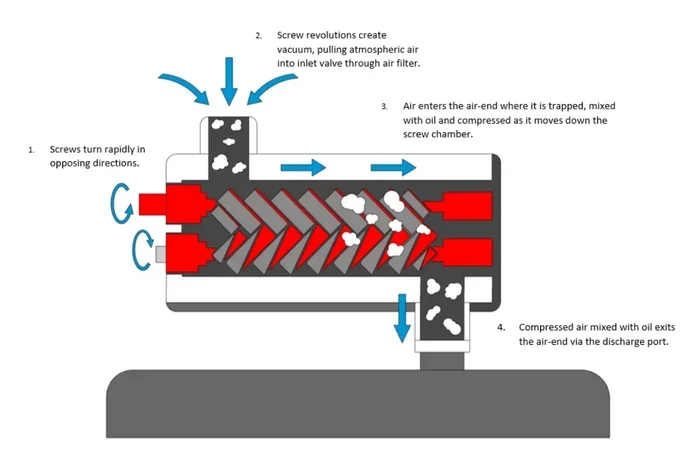
Understanding the basics helps you understand why problems happen. A compressor takes in air or gas and squeezes it into a smaller space. This increases the pressure and energy of the gas.
The process works like this:
- The compressor draws in air or refrigerant through an intake valve.
- A motor drives a piston or impeller that compresses the gas.
- The compressed gas is pushed out through a discharge valve.
- The gas goes to where it is needed — tools, a cooling system, or a storage tank.
When any part of this process breaks down, the compressor cannot do its job. That is why catching problems early matters so much.
Think of it like the connection between equipment and power. Just as you need to know how to connect generator to house safely for reliable power delivery, your compressor needs clean intake, proper compression, and smooth discharge to work correctly.
Common Compressor Problems by Type
Different types of compressors have different weak points. Here is a quick look at common problems by compressor type.
| Compressor Type | Common Problems | Typical Fix |
|---|---|---|
| Reciprocating | Worn piston rings, valve issues, knocking sounds | Replace rings or valves, check oil |
| Rotary Screw | Oil leaks, bearing wear, overheating | Oil service, bearing replacement |
| Centrifugal | Vibration, seal leaks, motor failure | Professional inspection, seal replacement |
| Scroll | Refrigerant leaks, motor burnout | Recharge refrigerant, motor replacement |
| Portable/Small | Clogged filters, pressure leaks, weak motor | Clean or replace filter, seal leaks |
Each type has its own personality and failure patterns. Knowing which type you have helps you narrow down the problem faster.
The Cost of Ignoring Compressor Problems
It is tempting to ignore a strange noise or a slight pressure drop. But ignoring compressor problems is a costly mistake. Small issues grow into big ones fast.
A minor leak that costs fifty dollars to fix today can become a burned-out motor that costs five hundred or more to replace. Short cycling that seems harmless can wear out the motor in months instead of years.
The smartest thing you can do is address problems the moment you notice them. Early action saves money, time, and stress.
And remember, sometimes the problem is not the compressor itself but the power source. If you use a generator to run your compressor, make sure it is the right size. Research how much is a generator for a 1 horsepower compressor or whatever size matches your needs to avoid power-related failures.
When to Call a Professional
Some compressor problems are DIY-friendly. Others need a professional touch. Call a technician if you notice any of the following:
- The compressor does not start at all.
- You smell burning or see smoke.
- The unit makes loud banging or grinding noises.
- You suspect a refrigerant leak.
- Electrical issues keep tripping your breaker.
- You have checked all the simple things and the problem persists.
A qualified technician has the tools and training to diagnose problems safely and accurately. Do not risk your safety or make the problem worse by attempting complex electrical or refrigerant repairs on your own.
Final Thoughts on Compressor Health
Your compressor is a workhorse. It deserves your attention and care. The answer to how do i know if my compressor is bad comes down to watching for warning signs and acting quickly.
Strange noises, low pressure, overheating, short cycling, oil leaks, and frequent breaker trips are all red flags. Catch them early and you can often avoid a costly breakdown. Stay on top of maintenance, address small problems promptly, and know when to call a professional.
Your compressor keeps things running. The least you can do is return the favor. With the right knowledge and a little attention, you can keep your compressor running strong for many years to come.
And if you are exploring power solutions alongside your compressor needs, understanding equipment costs helps too. Whether you are looking at a how much is a generator for a house setup or just trying to keep your current compressor in top shape, the principles are the same: proactive care, proper sizing, and timely action make all the difference.
Frequently Asked Questions
What are the first signs that a compressor is going bad?
The first signs are usually strange noises like grinding or rattling, a drop in pressure output, and the unit running hotter than normal. These early warning signals tell you something inside the compressor is wearing out or failing. Catching them early gives you the best chance at a simple repair instead of a full replacement.
Can a bad compressor still run?
Yes, a bad compressor can still run in many cases. It may run louder, overheat, or fail to build proper pressure. However, running a failing compressor only makes the damage worse and can lead to a complete breakdown. It is best to address the problem as soon as you notice symptoms.
How long does a compressor last before it goes bad?
Most compressors last between 10 and 15 years with proper maintenance. Units that are not maintained or are used heavily may fail in 5 to 7 years. Regular oil changes, filter cleaning, and prompt repairs all extend compressor lifespan significantly.
Is it worth repairing a compressor or replacing it?
It depends on the age of the unit and the cost of repairs. If the compressor is under 5 years old and the repair is straightforward, fixing it makes sense. If the unit is over 10 years old and the repair costs more than half of a new unit, replacement is usually the smarter choice.
What causes a compressor to overheat?
Overheating is usually caused by blocked vents, low oil levels, dirty coils, or an overloaded system. Running the compressor in a hot environment with poor ventilation also contributes to overheating. Regular cleaning and proper airflow prevent most overheating issues.
Can low refrigerant cause compressor failure?
Yes, low refrigerant is one of the most common causes of compressor failure. When the system does not have enough refrigerant, the compressor works harder to compensate. This extra strain leads to overheating, motor burnout, and eventually a dead compressor. Keeping refrigerant levels correct is essential.
=== CONCLUSION ===
Knowing how do i know if my compressor is bad is a skill that saves time, money, and headaches. Your compressor gives you plenty of warning before it fails completely. Listen to the sounds it makes, watch the pressure gauge, feel the temperature, and stay on top of maintenance.
Whether the problem is a simple fix like replacing a filter or a serious issue like a burned-out motor, early detection is your best friend. Use the steps and tips in this guide to diagnose problems confidently and make smart repair or replacement decisions.
Take care of your compressor, and it will take care of you. Start with a simple maintenance check today and keep your compressor running at its best.