Choosing the Best Full Home Generator for Your Family
Choosing the best full home generator means understanding your family’s power needs, fuel options, and budget. This guide walks you through everything from wattage sizing to installation tips so you can make a confident decision. You will learn how standby generators work, what to look for in a reliable brand, and how to keep your system running for years.
A full home generator is one of the most valuable investments a family can make. When the power goes out, whether from a storm, grid failure, or extreme weather, you want your lights on, your fridge running, and your heating or cooling system working. A whole house backup generator makes that possible without the hassle of extension cords or portable units.
But with so many options on the market, picking the right one can feel overwhelming. How big should it be? What fuel should you use? Is a Generac system worth the price? This guide answers all of those questions and more. By the end, you will feel confident about choosing a generator that fits your home and your family’s needs perfectly.
Key Takeaways
- Right Size Matters: A full home generator should match your household’s total wattage needs to keep essentials running during outages.
- Fuel Type Affects Cost and Convenience: Propane and natural gas are the most popular choices for whole house backup power.
- Installation Quality Is Critical: Proper setup, including an automatic transfer switch, ensures safe and seamless power delivery.
- Maintenance Extends Lifespan: Regular servicing can help your generator last 20 to 30 years or more.
- Cost Varies Widely: Expect to spend between $3,000 and $20,000+ depending on size, brand, and installation complexity.
- Brand Reputation Counts: Trusted brands like Generac offer reliability, support, and proven performance for home backup power.
📑 Table of Contents
- What Is a Full Home Generator and Why Do You Need One
- How to Choose the Right Generator Size for Your Home
- Types of Full Home Generators: Fuel Options Explained
- Top Features to Look for in a Home Generator
- Installation and Maintenance Tips for Longevity
- How Much Does a Full Home Generator Cost
- Final Thoughts: Making the Right Choice for Your Family
What Is a Full Home Generator and Why Do You Need One
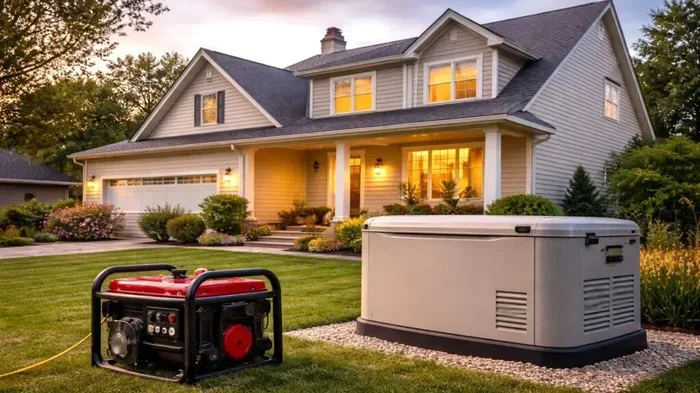
A full home generator, also called a standby generator, is a permanent backup power system installed outside your house. It connects directly to your home’s electrical panel and kicks on automatically when the grid goes down. Unlike a portable generator, you do not need to set it up manually every time there is an outage.
The main benefit of a whole house backup generator is convenience. It keeps your entire home running, not just a few essential circuits. Your refrigerator, furnace, sump pump, medical equipment, and even your entertainment systems can all stay powered. This is especially important for families with young children, elderly members, or anyone who relies on medical devices.
Power outages are becoming more common due to aging infrastructure and extreme weather events. A reliable home power backup system gives you peace of mind no matter what Mother Nature throws your way. You will not have to worry about food spoiling, pipes freezing, or losing hours of work.
What does a full home generator actually power? The answer depends on the unit’s wattage capacity. Most standby generators can handle a wide range of household appliances. To understand what a specific model can run, check out what powers a Generac home generator for a detailed breakdown of common loads and capacity.
How to Choose the Right Generator Size for Your Home
Choosing the correct size is the single most important decision when buying a full home generator. Too small, and the unit will struggle to handle your electrical load. Too large, and you will waste money on a system that exceeds your actual needs.
Calculate Your Home’s Power Needs
Start by making a list of the essential appliances and systems you want to keep running during an outage. Include items like the refrigerator, freezer, furnace blower, water heater, sump pump, and a few lights. Add up the starting and running wattage for each item. A general rule of thumb is to size your generator at 125% of your total calculated load to allow for safety margins.
For most average-sized homes, a generator in the 15 to 25 kilowatt range works well. Larger homes with central air conditioning and electric heating may need 30 kilowatts or more. If you are unsure, a licensed electrician can perform a load analysis to give you an exact number.
Understanding Wattage and Kilowatt Ratings
Generators are rated in kilowatts (kW) and watts (W). One kilowatt equals 1,000 watts. The wattage rating tells you how much electrical power the generator can produce at one time. Keep in mind that some appliances, especially those with motors, need extra power to start up. This is called starting wattage, and it is higher than the running wattage.
If you are trying to figure out what size generator to run your furnace and refrigerator, a unit in the 15 to 20 kW range typically handles both comfortably. For a more detailed guide on sizing, you can explore what size generator to run furnace and refrigerator for specific recommendations.
Common Home Generator Sizes
Here is a quick look at common generator sizes and what they can typically power:
- 15 kW: Covers essential circuits like lights, fridge, furnace, and a few outlets. Good for small to medium homes.
- 20 kW: Handles most essential and some non-essential circuits. A popular choice for average-sized families.
- 25 kW: Powers nearly the entire home, including central air and multiple appliances at once.
- 30 kW and above: Full whole house coverage for large homes with high electrical demands.
Types of Full Home Generators: Fuel Options Explained
Full home generators come in different fuel types, and each has its own advantages. Your choice will depend on your budget, local fuel availability, and personal preferences.
Propane Generators
Propane is one of the most popular fuels for standby generators. It burns cleanly, stores indefinitely, and is widely available. Many homeowners like propane because it is a safer fuel option compared to gasoline. You can store large propane tanks on your property, which means you are not dependent on delivery during an emergency.
If you are considering a propane system, it helps to understand fuel consumption. For example, a 20 kW propane generator uses a specific amount of fuel per hour depending on the load. To learn more about fuel usage, check out how much propane does a 20kw generator use per hour for detailed estimates.
Natural Gas Generators
Natural gas generators connect directly to your home’s existing gas line. This means you never have to worry about refueling. Natural gas is convenient, cost-effective, and widely available in most residential areas. The main downside is that natural gas burns slightly less efficiently than propane, so fuel consumption can be higher.
Diesel Generators
Diesel generators are known for their durability and long runtime. They are more common in commercial settings but can work well for homes too. Diesel fuel has a long shelf life and provides excellent energy density. However, diesel units tend to be louder and more expensive upfront than propane or natural gas options.
Comparison Table: Propane vs. Natural Gas vs. Diesel
Here is a quick comparison of the three main fuel types for full home generators:
- Propane: Clean burning, long shelf life, requires tank storage, widely available.
- Natural Gas: Convenient piped supply, lower upfront fuel cost, slightly less efficient.
- Diesel: Very durable, excellent energy density, louder operation, higher cost.
Top Features to Look for in a Home Generator
Not all generators are created equal. When shopping for a full home generator, look for these key features that make a real difference in performance and user experience.
Automatic Transfer Switch
An automatic transfer switch, or ATS, is a game changer. It detects when the power goes out and switches your home to generator power within seconds. You do not need to be home or manually flip any switches. This feature is essential for a true whole house backup power experience.
Quiet Operation
Generators can be noisy, which is a common complaint. Modern standby generators come with soundproof enclosures and advanced muffler technology. Look for units rated at 60 decibels or lower for quiet operation. This is especially important if you have close neighbors or young children who sleep lightly.
Remote Monitoring
Many newer generators offer Wi-Fi connectivity and mobile app monitoring. You can check your generator’s status, fuel levels, and maintenance alerts from your phone. This feature adds a layer of convenience and lets you stay on top of your system even when you are away from home.
Voltage Regulation
Clean, stable power is crucial for protecting your sensitive electronics. Look for generators with automatic voltage regulation, or AVR. This feature ensures the electricity your home receives is smooth and consistent, which prevents damage to computers, TVs, and other devices.
Corrosion-Resistant Frame
Your generator will sit outside all year, exposed to rain, snow, and sun. A corrosion-resistant steel or aluminum frame protects the unit from rust and extends its lifespan. This is a feature you should not overlook, especially in humid or coastal areas.
Installation and Maintenance Tips for Longevity
Proper installation is just as important as choosing the right generator. A poorly installed unit can be dangerous, inefficient, and short-lived. Always hire a licensed professional for your generator installation. They will ensure correct electrical connections, proper ventilation, and compliance with local building codes.
To learn more about safely connecting a generator to your home, check out how to run generator to house for essential safety tips and setup guidance.
Routine Maintenance Schedule
Keeping your generator in top shape requires regular maintenance. Here is a simple schedule to follow:
- Monthly: Run the generator for 30 minutes under load to keep the engine in good condition. Check the fuel level and look for any visible leaks or damage.
- Every 6 Months: Change the engine oil and oil filter. Inspect the air filter and clean or replace it if needed. Check the battery and connections.
- Annually: Have a professional technician perform a full inspection. This includes checking the spark plugs, fuel lines, coolant levels, and the automatic transfer switch.
How Long Can a Whole House Generator Last
With proper maintenance, a full home generator can last 20 to 30 years or more. The generator runtime per tank of fuel varies based on the model and load, but most standby units can run continuously for several days on a full propane tank or natural gas line. To get a better sense of long-term durability, you may want to read about how long does a whole house generator last for real-world lifespan data and tips.
Common Mistakes to Avoid
One of the biggest mistakes homeowners make is skipping regular maintenance. Even if you rarely use the generator, the engine still needs periodic care. Another common error is choosing a unit that is too small for the home. Always err on the side of a slightly larger generator to avoid overloading. Finally, never attempt to install a generator yourself unless you have professional experience with electrical and gas systems.
How Much Does a Full Home Generator Cost
The cost of a full home generator varies based on size, fuel type, brand, and installation complexity. On average, you can expect to pay between $3,000 and $20,000+ for a complete system including professional installation. The generator itself typically accounts for 60 to 70% of the total cost, with the rest going toward installation, electrical work, and any required permits.
Brand reputation also plays a role in pricing. Well-known brands like Generac, Kohler, and Briggs & Stratton tend to cost more upfront but offer better reliability, warranty coverage, and customer support. If you are curious about the average price for a Generac system specifically, you can find detailed pricing information in what is the average cost of a Generac generator.
While the upfront cost can seem high, think of a full home generator as an investment in your family’s comfort and safety. During a prolonged outage, the value of uninterrupted power quickly outweighs the purchase price. Plus, a backup generator can increase your home’s resale value, which is an added bonus.
Here are a few ways to manage generator costs effectively:
- Shop during off-season: Generator prices often drop in late fall and early winter when demand is lower.
- Get multiple quotes: Always get at least three installation quotes from licensed contractors to ensure a fair price.
- Consider financing: Many dealers offer monthly payment plans that make the upfront cost more manageable.
- Factor in fuel costs: Propane and natural gas have different ongoing costs, so include fuel expenses in your long-term budget.
Final Thoughts: Making the Right Choice for Your Family
Choosing the best full home generator for your family comes down to understanding your power needs, picking the right fuel type, and investing in proper installation and maintenance. A standby generator is more than just a convenience, it is a safeguard for your home and your loved ones during unexpected outages.
Start by calculating your household’s wattage requirements and matching them to the right generator size. Decide between propane, natural gas, or diesel based on your budget and local availability. Look for key features like an automatic transfer switch, quiet operation, and remote monitoring to get the most value from your investment.
Remember, the best generator is the one that fits your specific home and lifestyle. Do not rush the decision. Take your time, do your research, and consult with professionals when needed. With the right full home backup power system in place, you will face any outage with confidence and peace of mind.
Your family deserves to stay safe, comfortable, and connected no matter what happens with the power grid. A full home generator makes that promise a reality every single day.
Frequently Asked Questions
What size generator do I need for a full home?
Most average-sized homes need a generator between 15 and 25 kilowatts to power essential and non-essential circuits. The exact size depends on your household’s total electrical load, which includes appliances like the furnace, refrigerator, and air conditioner. An electrician can perform a load calculation to give you a precise recommendation.
Is a standby generator worth the cost?
Yes, a standby generator is worth the investment for most families. It provides automatic backup power within seconds of an outage, keeps your home comfortable, and protects sensitive electronics. Over time, the convenience and safety benefits often outweigh the upfront cost.
How often should I maintain my full home generator?
You should run your generator monthly for about 30 minutes under load. Oil and filter changes are needed every six months, and a professional inspection should happen annually. Regular maintenance keeps the unit running reliably for 20 years or more.
Can I install a full home generator myself?
It is strongly recommended to hire a licensed professional for generator installation. Improper setup can be dangerous and may violate local building codes. A professional ensures correct electrical connections, proper ventilation, and safe fuel line routing.
What is the difference between a portable and a full home generator?
A portable generator is temporary and manual, requiring you to set it up and plug in appliances during an outage. A full home standby generator is permanent, automatic, and powerful enough to run your entire house. Standby generators also connect to a permanent fuel source like propane or natural gas.
How long can a full home generator run continuously?
Most standby generators can run continuously for several days as long as they have a steady fuel supply. Natural gas generators can run indefinitely if connected to a municipal gas line. Propane generators depend on tank size but typically run for several days on a 500-gallon tank under moderate load.