Why Does My AC Compressor Make Noise And How To Fix It
Your AC compressor can make noise for many reasons, from loose parts to low refrigerant levels. Understanding the different types of compressor sounds helps you catch problems early and avoid costly AC repair bills. This guide breaks down every common noise type, its root cause, and exactly how to fix it yourself or when to call a pro.
Nothing ruins a hot summer day quite like the sound of your AC compressor making strange noises. You are sitting comfortably inside, maybe enjoying a cold drink, and then you hear it. That grinding, humming, or rattling sound coming from your outdoor unit. It is hard to ignore. Your cooling system is trying to tell you something, and the smartest thing you can do is listen.
Air conditioning compressors are the heart of your cooling system. They work hard, day after day, to keep your home comfortable. When they start making noise, it is rarely a good sign. Sometimes the fix is simple and cheap. Other times, it signals a serious problem that needs professional AC repair right away. Either way, understanding what the noise means puts you in control.
In this guide, we will walk through every common type of AC compressor noise, explain what causes it, and give you clear steps to fix it. We will also cover when a repair is safe to do yourself and when you should call in a pro. By the end, you will know exactly what to do the next time your air conditioning compressor starts acting up.
Key Takeaways
- Loud humming or buzzing often points to electrical issues or a failing compressor motor that needs immediate attention.
- Rattling or clanking sounds usually mean loose internal parts or debris inside the condenser unit.
- Squealing or screeching noises typically signal a worn compressor clutch or belt that needs replacement.
- Hissing or bubbling sounds often indicate a refrigerant leak, which is both a comfort and safety concern.
- Regular AC maintenance is the single best way to prevent most compressor noise problems before they start.
- Some fixes are DIY-friendly, but compressor motor and refrigerant issues should always be handled by a licensed technician.
- Ignoring compressor noise can lead to complete system failure and expensive replacement costs.
📑 Table of Contents
Understanding How Your AC Compressor Works
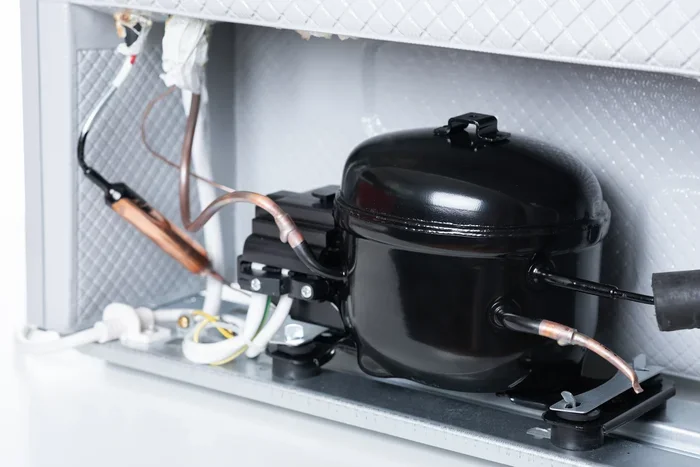
Before we dive into the noise, it helps to understand what your compressor actually does. Think of it as the engine of your cooling system. The AC compressor pumps refrigerant through your HVAC system, pulling heat from inside your home and releasing it outside. Without it, your air conditioner is just a big fan blowing warm air.
The compressor sits in the outdoor unit, also called the condenser unit. It contains a motor, pistons, coils, and valves. All of these parts move rapidly during operation. That movement creates some normal sound. A gentle hum or low vibration is perfectly fine. But when the noise gets louder, changes pitch, or sounds mechanical, something is wrong.
Interestingly, the basic mechanical principles of a compressor are similar to how a generator works. Both devices convert energy into mechanical motion using coils, magnets, and moving parts. If you want to understand the inner workings better, you can read how a generator works to get a clearer picture of the shared mechanics.
Normal vs. Abnormal Compressor Sounds
Not every sound from your cooling compressor is a problem. Here is a quick way to tell the difference:
- Normal sounds: A steady low hum, gentle vibration, and occasional clicking when the system cycles on or off.
- Abnormal sounds: Loud banging, persistent rattling, high-pitched squealing, grinding, or hissing that does not stop.
If you are unsure whether the sound your unit makes is normal, it is always better to investigate. Catching a problem early can save you hundreds of dollars in AC repair costs.
Common AC Compressor Noises and What They Mean
Different noises point to different problems. Let us break down the most common sounds you might hear from your AC compressor and what each one tells you.
Loud Humming
A loud, continuous humming noise from your compressor is one of the most common complaints. This sound often means the compressor is struggling to start. The motor is drawing too much power, or the compressor clutch is not engaging properly.
Common causes of loud humming include:
- Electrical problems such as a failing capacitor or contactor.
- Low refrigerant levels causing the compressor to work harder.
- Debris buildup around the condenser coils restricting airflow.
- Motor bearing wear that creates friction and extra noise.
If the humming gets louder over time, do not ignore it. A compressor that cannot start properly will burn out faster, and compressor replacement is one of the most expensive AC repairs you can face.
Rattling or Clanking
A rattling noise coming from your outdoor unit is another frequent issue. This sound usually means something loose is shaking inside the compressor or the condenser housing. In some cases, a small piece of debris like a stick or leaf has gotten inside the unit.
Here are the most likely reasons for rattling:
- Loose screws or mounting bolts on the compressor housing.
- Broken fan blades hitting the grille or housing.
- Internal part failure such as a loose piston or connecting rod.
- Debris accumulation in the condenser coil fins.
Start by turning off the unit and inspecting the outdoor unit visually. Remove any leaves, dirt, or objects you can see. If the rattling continues after cleaning, you likely have an internal mechanical problem. At that point, call a professional. Continuing to run a rattling compressor can cause irreversible compressor damage.
Squealing or Screeching
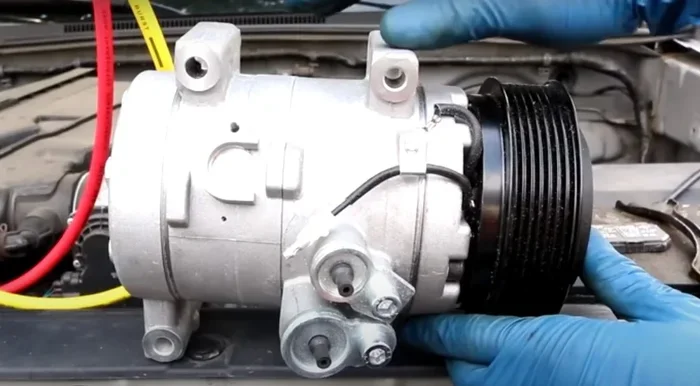
A high-pitched squealing sound is especially alarming. This noise usually comes from the compressor clutch or the fan motor. It means metal is rubbing against metal, and friction is wearing things down fast.
Squealing is commonly caused by:
- A worn compressor clutch that no longer engages smoothly.
- Dry or failing bearings in the fan motor.
- A slipped or stretched belt connecting the motor to the compressor.
If you hear squealing, turn off the unit immediately. Running it longer can destroy the clutch or motor entirely. This is not a problem you want to DIY unless you have experience with HVAC systems.
Hissing or Bubbling
Hissing sounds often point to a refrigerant leak. Refrigerant is the chemical that absorbs heat from your home. When it escapes through a crack or hole in the refrigerant line, it creates a hissing or bubbling noise. This is one of the more serious problems because low refrigerant damages the compressor over time.
Signs of a refrigerant leak include:
- Hissing or gurgling sounds near the indoor evaporator or outdoor lines.
- Reduced cooling performance or warm air from vents.
- Ice buildup on the refrigerant lines or evaporator coil.
- A hissing sound that gets louder when the system runs.
Refrigerant leaks require a licensed HVAC technician. The refrigerant must be recovered, the leak repaired, and the system recharged. Never attempt to handle refrigerant yourself. It is regulated by law and can be dangerous to your health.
Grinding or Buzzing
A grinding noise is one of the worst sounds you can hear from a compressor. It usually means the internal bearings have failed. Without working bearings, the motor shaft wobbles and grinds against the housing. A buzzing noise often points to an electrical issue, such as a failing motor winding or a loose wire.
Grinding and buzzing both require immediate attention. Keep the unit off and call a technician. Running a grinding compressor will destroy it within hours in many cases.
| Noise Type | Most Likely Cause | Urgency Level | DIY Fix Possible? |
|---|---|---|---|
| Loud Humming | Electrical issue or low refrigerant | Medium | Partially |
| Rattling | Loose parts or debris | Medium | Yes, if debris-related |
| Squealing | Worn clutch or bearings | High | No |
| Hissing | Refrigerant leak | High | No |
| Grinding | Failed internal bearings | Critical | No |
| Buzzing | Electrical problem | High | No |
What Causes AC Compressor Noise Over Time
Understanding the root causes of AC compressor noise helps you prevent problems before they start. Several factors contribute to compressor wear and unusual sounds.
Age and Wear
Like any mechanical device, compressors wear out over time. The average AC compressor lifespan is 15 to 20 years with proper maintenance. As parts age, bearings degrade, seals weaken, and internal components loosen. Older units simply make more noise than new ones.
If your system is over 15 years old and making new noises, you may be facing the end of the compressor’s life. At that point, compressor replacement or even full system replacement might be the most cost-effective option.
Low Refrigerant Levels
When your system does not have enough refrigerant, the compressor works overtime to compensate. This extra strain causes overheating, increased noise, and eventually mechanical failure. Low refrigerant is almost always caused by a leak somewhere in the system.
Regular AC maintenance includes checking refrigerant levels. A technician can detect small leaks before they become big problems. If you notice your cooling performance dropping along with new noises, low refrigerant is a top suspect.
Dirty or Clogged Components
Your condenser unit sits outside all year, exposed to dirt, leaves, pollen, and weather. Over time, debris builds up on the coils and blocks airflow. When airflow is restricted, the compressor strains to do its job, and noise increases.
Keeping the area around your outdoor unit clean is one of the simplest things you can do. Remove debris, trim back vegetation, and hose down the coils gently at least once a year. This alone can reduce compressor noise significantly.
Electrical Problems
The compressor motor relies on electrical components to run. A failing capacitor, worn contactor, or loose wiring can all cause unusual sounds. Electrical issues also create safety hazards, including fire risk in extreme cases.
If you notice buzzing or clicking that gets worse over time, have an HVAC professional inspect the electrical components. They can test the capacitor, contactor, and wiring safely and replace anything that is failing.
How to Fix AC Compressor Noise
Now that you know what the different noises mean, let us talk about fixes. Some are simple enough to handle yourself, while others require a trained technician.
Step 1: Turn Off the Unit and Inspect
Before you do anything, turn off the AC compressor at the thermostat and the outdoor disconnect switch. Safety first. Once the unit is off, visually inspect the outdoor unit for obvious problems like loose debris, damaged fan blades, or rattling screws.
If you see debris, carefully remove it. Tighten any visible loose screws or bolts. This simple step fixes rattling noises in many cases.
Step 2: Check the Air Filter and Vents
A clogged air filter restricts airflow and forces the compressor to work harder. This can contribute to humming and buzzing noises. Check your filter every month during heavy use seasons and replace it when it looks dirty.
Also check all your supply and return vents. Make sure furniture, curtains, or boxes are not blocking them. Good airflow throughout your home reduces strain on the cooling compressor and keeps it running quietly.
Step 3: Clean the Condenser Coils
Dirty condenser coils are a leading cause of compressor strain and noise. You can clean them yourself with a garden hose. Turn off the power, remove any debris from around the unit, and gently spray water through the fins from the inside out. Do not use a pressure washer, as it can bend the delicate fins.
For heavy buildup, a no-rinse coil cleaner from your local hardware store works well. Spray it on, let it sit for a few minutes, and rinse gently with water.
Step 4: Call a Professional for Serious Issues
Some problems are not safe or practical to fix yourself. If you hear grinding, squealing, or hissing, call a licensed HVAC technician. These issues involve internal mechanical parts, refrigerant, or electrical components that require specialized tools and training.
A professional will inspect the compressor motor, test electrical components, check refrigerant levels, and diagnose the exact cause of the noise. They can then recommend the right repair or, if necessary, discuss compressor replacement options.
Quick Tips for Quieter Operation
- Schedule annual AC maintenance with a licensed technician every spring.
- Keep the area around your outdoor unit clear of debris and vegetation.
- Replace your air filter every 1 to 3 months during heavy use.
- Install a noise blanket or compressor sound barrier if noise is bothering neighbors.
- Do not ignore unusual sounds, even if they seem minor at first.
- Consider upgrading to a variable-speed compressor for quieter, more efficient operation.
When to Replace Your AC Compressor
Sometimes repair is not enough. If your compressor is old, has been repaired multiple times, or has suffered internal damage, replacement may be the better choice. A new AC compressor can cost anywhere from $1,000 to $3,000 for the part alone, plus labor.
Signs that replacement might be necessary include:
- The compressor is over 15 years old and making persistent noise.
- You have had multiple repairs in the last two years.
- The unit uses R-22 refrigerant, which is being phased out.
- The compressor has seized completely and will not run.
- Repair costs exceed half the price of a new unit.
Your technician can help you decide between compressor replacement and full system replacement. If your system is older, replacing the entire unit with a new energy-efficient model often makes more financial sense in the long run.
Preventing Compressor Noise in the Future
The best way to deal with AC compressor noise is to prevent it from happening in the first place. A little proactive care goes a long way toward keeping your cooling system quiet and efficient.
Start with a maintenance routine. Change your filters regularly. Keep the outdoor unit clean and clear. Schedule professional inspections at least once a year. These habits catch small problems before they turn into big, noisy ones.
Also, pay attention to changes. If your air conditioning compressor starts sounding different, investigate early. A quick inspection can prevent a minor issue from becoming a major repair. Your cooling system works hard for you every summer. A little attention in return keeps it running smoothly and quietly.
Energy costs can also spike when a noisy compressor is working inefficiently. If you are interested in understanding how different cooling systems consume energy, this article on how much propane a generator uses offers useful insights into fuel and energy consumption patterns for mechanical systems.
In the end, a quiet compressor is a happy compressor. And a happy compressor means a cool, comfortable home all summer long. Do not wait until the noise becomes unbearable. Take action today, and your wallet and your ears will thank you tomorrow.
Conclusion
AC compressor noise is your system’s way of telling you something needs attention. Whether it is a simple rattling from debris or a serious grinding from internal failure, understanding the noise is the first step to fixing it. From cleaning condenser coils and replacing air filters to calling a professional for electrical or refrigerant issues, there are solutions for every type of sound.
Do not ignore the noise. Early action saves money, prevents further damage, and keeps your home cool and comfortable. Use the tips and guidance in this article to diagnose the problem, apply the right fix, and know when to call for help. Your air conditioning compressor deserves care, and so does your comfort.
Frequently Asked Questions
Why is my AC compressor making a loud humming noise?
A loud humming noise usually means the compressor is struggling to start, often due to a failing capacitor, low refrigerant, or electrical issues. Check the air filter and outdoor unit for debris first. If the humming continues, call a licensed HVAC technician to inspect the compressor motor and electrical components.
Can I still run my AC if the compressor is making noise?
It depends on the type of noise. A slight hum is usually fine. But if you hear grinding, squealing, or loud rattling, turn the unit off immediately. Continuing to run a damaged compressor can cause complete failure and much more expensive repairs.
How much does it cost to fix a noisy AC compressor?
Costs vary widely. Simple fixes like tightening loose parts or cleaning coils may cost under $100. Electrical repairs or refrigerant leak fixes typically run $200 to $500. Compressor replacement can cost $1,000 to $3,000 or more, depending on your system and location.
Is AC compressor noise dangerous?
Most compressor noises are not directly dangerous but signal underlying problems that can become serious if ignored. Refrigerant leaks, for example, can be harmful to health and the environment. Electrical issues pose fire risks. Always take unusual compressor sounds seriously.
How often should I maintain my AC compressor to prevent noise?
Schedule professional AC maintenance at least once a year, ideally in the spring before the cooling season starts. You should also check and replace your air filter every 1 to 3 months during heavy use. Keeping the outdoor unit clean year-round makes a big difference too.
Will a noisy AC compressor eventually stop working?
Not necessarily, but ongoing noise often means the compressor is under stress. Ignoring the problem for too long can lead to complete compressor failure. The earlier you diagnose and address the cause, the better your chances of avoiding a full compressor replacement.