Simple Guide on How to Test Your Air Conditioner Compressor
Testing your air conditioner compressor doesn’t have to be complicated. This guide walks you through simple safety checks, capacitor tests, and amp draw measurements to spot problems early. You’ll learn exactly how to test air conditioner compressor components and when to call a pro.
Your air conditioner compressor is the heart of the cooling system. It pumps refrigerant through the coils and keeps your home comfortable. When it stops working, the whole system fails. Testing the air conditioner compressor doesn’t require a professional degree. With a few basic tools and some patience, you can check the main components yourself. This guide will show you exactly how to test air conditioner compressor parts safely and effectively. You’ll learn to spot warning signs before a small issue becomes a costly repair.
Many homeowners assume a broken compressor means a full unit replacement. That’s not always true. Often, the problem lies in a faulty capacitor, a worn contactor, or a simple electrical fault. By following a few straightforward steps, you can diagnose the issue and save hundreds of dollars. The key is to work carefully and respect the electrical components involved. Let’s walk through the process together.
Key Takeaways
- Always disconnect power first: Working on a live compressor is dangerous and can cause severe injury.
- Check the capacitor and contactor: These are the most common culprits when a compressor won’t start.
- Measure amp draw: A clamp meter gives you a quick, non-invasive way to see if the compressor is overworking.
- Look for physical signs: Oil leaks, rattling, and warm air from vents often point to compressor failure.
- Know when to call a pro: Refrigerant leaks and complex electrical faults require a licensed HVAC technician.
- Use the right tools: A good multimeter and clamp meter make the job safer and more accurate.
📑 Table of Contents
Why Testing Your AC Compressor Matters
The Compressor’s Role in Cooling
The compressor raises the pressure of the refrigerant gas. This process generates heat, which is then released outside. Without a working compressor, your home can’t cool down. Regular testing helps you catch problems early. A compressor troubleshooting session can reveal issues like low refrigerant, electrical faults, or mechanical wear. Catching these early extends the life of your entire HVAC compressor system.
What Happens When It Fails
A failing compressor often shows clear warning signs. The unit might make clicking noises, trip the breaker, or blow warm air. Ignoring these signs can lead to a complete breakdown on the hottest day of the year. Testing the air conditioner compressor regularly helps you avoid that stress. It also gives you time to plan for a repair or replacement without emergency panic.
Safety First: Precautions Before You Begin
Shut Off Power Completely
Never work on a compressor while it’s connected to power. Turn off the breaker that controls the outdoor unit. Use a non-contact voltage tester to confirm the power is off. This is the most important rule in compressor troubleshooting. If you’re using a generator to power your tools during testing, you need to know how to start a generator safely. Always follow the manufacturer’s instructions for your specific model.
When running the AC unit on a portable generator, you must connect it properly. If you don’t have a transfer switch, learn how to connect a generator to your house without a transfer switch. This prevents backfeeding and protects your electrical system. Also, check that your generator can supply enough power. Find out how many watt generator do i need for your AC unit to avoid overloading.
Wear the Right Gear
Protect your hands with insulated gloves. Safety glasses shield your eyes from debris or capacitor sparks. Wear closed-toe shoes and avoid loose clothing. These simple steps make the testing process much safer. Even a low-voltage shock can cause serious injury. Treat every component as if it’s live until you’ve verified otherwise.
Tools You’ll Need for Testing the Compressor
Multimeter and Clamp Meter
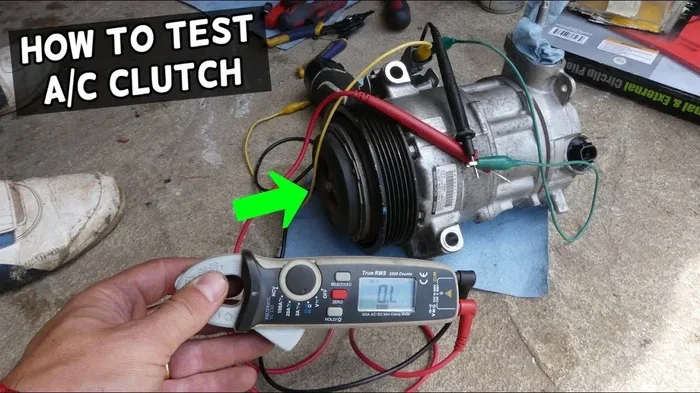
A digital multimeter is essential for checking voltage, resistance, and continuity. A clamp meter lets you measure amp draw without disconnecting wires. Look for a multimeter rated for at least 600 volts. This is standard for most air conditioning compressor systems. A clamp meter makes it easy to see if the compressor is drawing too much current.
Other Essential Tools
- Screwdrivers: Flathead and Phillips for removing panels.
- Wire strippers: For accessing connections safely.
- Flashlight: To see inside the unit clearly.
- Capacitor discharge tool: Or an insulated screwdriver with a resistor.
- Notebook: To record your readings for comparison.
Quick Tip: Always use a multimeter with a rating of at least 600 volts for HVAC work. A cheap meter can give false readings or break down under load.
Step-by-Step Guide to Test Your Air Conditioner Compressor
Visual Inspection
Start by looking at the compressor unit closely. Check for oil leaks around the base. Look for frayed wires or burn marks on the terminal block. A compressor motor that overheats often shows discoloration on the housing. Remove any debris like leaves or dirt that could block airflow. A clean unit runs cooler and lasts longer.
Listen for unusual sounds when you turn the unit on. A clicking noise often points to a failing compressor relay or contactor. Rattling can mean loose internal parts. These visual and audio clues give you your first clues in AC compressor not running diagnosis.
Check the Capacitor
The start capacitor and run capacitor provide the electrical boost the compressor needs. A bad capacitor is the most common reason a compressor won’t start. First, disconnect the power. Then use your capacitor discharge tool to safely bleed the stored energy. Set your multimeter to capacitance mode and measure the capacitor.
Compare the reading to the number printed on the side. If it’s more than 10% off, the capacitor needs replacing. This simple capacitor test solves many compressor problems. It takes just a few minutes and requires no special skills.
Test the Contactor
The contactor is the switch that sends power to the compressor. Remove the control panel to access it. Look for pitted or burned contacts. Use your multimeter to check for continuity across the contact points. A contactor that clicks but doesn’t pass power is a clear sign of failure. Replacing a contactor is much cheaper than replacing the whole compressor.
Measure Amp Draw
With the unit running, clamp your meter around one of the compressor’s power wires. Compare the reading to the rated amp draw on the nameplate. A compressor drawing too many amps is overworking. It might be low on refrigerant or have internal wear. Low amp draw can mean the compressor is struggling to start. This amp draw test is one of the best ways to assess compressor health.
Common Mistake: Forgetting to check the amp draw under load. A static resistance test won’t reveal a compressor that’s straining during operation. Always test while the unit is running.
Check for Ground Faults
A compressor short to ground can trip your breaker immediately. Set your multimeter to the ohms setting. Test from each terminal to the compressor’s ground post. You should see infinite resistance. Any continuity means a ground fault exists. This is a serious issue that often requires compressor replacement.
Common Signs of a Failing Compressor
Hard Starting and Clicking Sounds
If the compressor struggles to start and clicks repeatedly, the start capacitor is often to blame. A hard-starting compressor puts extra stress on the entire system. This can lead to premature failure if not addressed.
Warm Air from Vents
When the compressor can’t pump refrigerant, the air from your vents feels warm. This is one of the most obvious signs of air conditioner compressor failure. Check the thermostat settings first, but if everything looks normal, the compressor is likely the problem.
Tripped Breakers and Overheating
A compressor that trips the breaker frequently is drawing too much current. Overheating can be caused by dirty coils, low refrigerant, or internal electrical faults. This is a clear signal that compressor troubleshooting is needed immediately.
| Symptom | Normal Operation | Failing Compressor |
|---|---|---|
| Startup | Smooth, immediate engagement | Hard starting, repeated clicking |
| Air from Vents | Cool and consistent | Warm or barely cool |
| Breaker Behavior | Stays on during operation | Trips frequently |
| Noise Level | Low hum, steady | Rattling, grinding, or loud buzzing |
| Amp Draw | Within nameplate rating | High or low, fluctuating |
When to Call a Professional
Complex Electrical Issues
If you find a ground fault or a short in the windings, it’s time to call an expert. Working with refrigerant and high-voltage components requires special certification. A licensed HVAC technician has the tools and training to handle these safely. They can also perform a refrigerant pressure test to check for leaks.
Refrigerant Leaks
Low refrigerant puts extra strain on the compressor. If you suspect a leak, don’t try to recharge the system yourself. A professional can locate the leak, repair it, and properly recharge the unit. This ensures the air conditioning compressor runs efficiently and lasts longer.
Conclusion
Knowing how to test your air conditioner compressor empowers you as a homeowner. You can save money, avoid unnecessary replacements, and keep your home cool when it matters most. Start with the simple checks: visual inspection, capacitor test, contactor test, and amp draw measurement. These steps give you a clear picture of compressor health. If you find a serious fault like a ground fault or refrigerant leak, don’t hesitate to call a professional. Regular testing and timely repairs keep your cooling system running smoothly for years to come.
Frequently Asked Questions
How do I know if my AC compressor is bad?
Look for warm air from vents, clicking sounds on startup, and frequent breaker trips. A simple capacitor test and amp draw check can confirm if the compressor is failing. If the unit trips the breaker immediately, a compressor short to ground is likely the cause.
Can I test a compressor with a multimeter?
Yes, a multimeter is your best tool for testing compressor windings and checking for a ground fault. You can measure resistance and continuity safely after disconnecting power. Always discharge the capacitor first to avoid electrical shock.
What causes an AC compressor to fail?
Common causes include a faulty start capacitor, low refrigerant, dirty coils, and electrical surges. Overheating and age also wear out the compressor motor. Regular maintenance like cleaning coils and checking refrigerant levels helps prevent premature failure.
Is it safe to test the compressor myself?
It’s safe if you follow all power-disconnect procedures and wear insulated gloves. Never work on a live component. If you’re uncomfortable with electrical testing, call a licensed HVAC technician. Compressor troubleshooting should never put you at risk of injury.
How much does it cost to replace an AC compressor?
Replacement costs typically range from $1,000 to $3,000, depending on the unit size and labor rates. A simple contactors or capacitor fix is much cheaper. Getting a professional diagnosis first helps you decide between repair and full replacement.
What should I do if the compressor is overheating?
Turn off the unit immediately and check for dirty coils or low refrigerant. Overheating often means the air conditioner compressor is working too hard. Allow it to cool down completely before testing. If the problem persists, call a professional to inspect the system.