Can You Bring Tools on a Plane Everything You Need to Know
Yes, you can bring many tools on a plane, but the rules depend on the type of tool, its size, and whether it runs on batteries or fuel. The TSA allows most hand tools in carry-on and checked bags, while power tools and fuel-powered devices face stricter rules. Always check with your airline before packing your tool kit to avoid delays or confiscations at security.
Packing for a work trip or a DIY vacation? If you are wondering whether you can bring your favorite tools on a plane, you are not alone. Many travelers face this question every time they head to the airport with a tool bag in hand. The rules from the Transportation Security Administration (TSA) can feel confusing, but they are actually pretty straightforward once you know what to expect.
The short answer is yes, you can bring many tools on a plane. But not all tools are treated the same way. A simple wrench in your carry-on is no big deal. But a fuel-powered generator or a battery-heavy power drill? That is a different story entirely. This guide breaks down everything you need to know about bringing tools on a plane, so you can pack with confidence and avoid surprises at the security checkpoint.
Whether you are a contractor traveling for a job, a hobbyist heading to a workshop, or just someone who wants to bring a few essentials, understanding the rules saves time, money, and stress. Let us dive into the details.
Key Takeaways
- Hand tools are generally allowed: Wrenches, screwdrivers, and pliers can go in both carry-on and checked luggage.
- Power tools need extra care: Battery-powered tools must follow lithium battery rules, and corded tools may need special handling.
- Fuel-powered tools are restricted: Generators, compressors, and gas-powered tools face strict rules about fuel and transport.
- Sharp tools go in checked bags: Items like saws, chisels, and box cutters should not be in your carry-on.
- Always check with your airline: Policies vary, and some airlines have additional restrictions beyond TSA rules.
- Pack tools properly: Use a hard case to prevent damage and make security screening smoother.
📑 Table of Contents
- Understanding TSA Rules for Tools
- Power Tools: What You Need to Know
- Fuel-Powered Tools: Strict Rules Apply
- Packing Tools for Air Travel
- Common Mistakes When Traveling with Tools
- Expert Tips for Traveling with Tools
- What About Nail Guns and Similar Tools?
- International Travel with Tools
- Final Thoughts
Understanding TSA Rules for Tools
The TSA sets the baseline rules for what you can bring through airport security. Their main goal is safety. Tools that could be used as weapons or that pose a fire risk are restricted. But most standard hand tools are perfectly fine.
Here is the basic idea. The TSA classifies items into three categories: allowed in carry-on, allowed in checked bags only, and forbidden entirely. For tools, the category depends on the item’s size, sharpness, and power source.
Hand Tools in Carry-On Bags
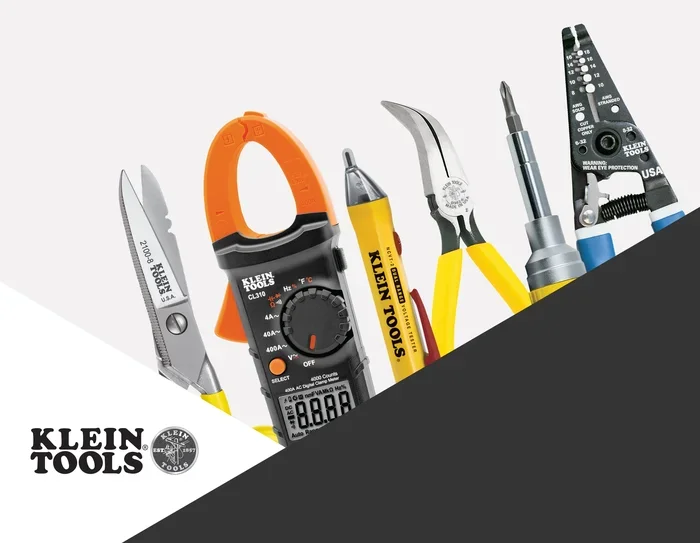
Most hand tools are allowed in carry-on luggage. This includes items like screwdrivers, pliers, wrenches, hammers, and measuring tapes. These are everyday tools that do not pose a serious threat, so the TSA generally lets them through.
However, there is a catch. Even allowed items can be flagged if a TSA officer thinks they could be used as a weapon. A small screwdriver is fine. A large 12-inch wrench might get a second look. The key is to use common sense and pack thoughtfully.
Hand Tools That Must Go in Checked Bags
Some hand tools are too sharp or too large for carry-on bags. These include box cutters, utility knives, saws, chisels, and large scissors. You must pack these in your checked luggage, not your carry-on.
Here is a quick list of hand tools that should go in checked bags:
- Box cutters and utility knives
- Hand saws and hacksaws
- Chisels and punch tools
- Large scissors (over 4 inches)
- Hatchets and axes
Always wrap sharp tools securely. A simple blade guard or a padded sleeve keeps them from causing damage or injury during handling.
Power Tools: What You Need to Know
Power tools are where things get a little more complicated. The TSA treats power tools differently based on their power source. Cordless tools with lithium batteries fall under specific rules. Corded tools are generally simpler but still need attention.
Battery-Powered Tools and Lithium Batteries
Most modern power tools run on rechargeable lithium-ion batteries. The TSA has strict rules for lithium batteries because they can overheat and catch fire if damaged. Here is what you need to know:
- Lithium batteries under 100 watt-hours are allowed in carry-on and checked bags without special permission.
- Batteries between 100 and 160 watt-hours need airline approval.
- Batteries over 160 watt-hours are generally not allowed.
- Spare batteries must be protected from short circuits. Tape the terminals or store them in a plastic bag.
A typical power drill battery is around 20 to 40 watt-hours, so you are usually fine. But if you are carrying a large battery pack for a saw or a grinder, check the label to be sure.
Corded Power Tools
Corded power tools like circular saws, angle grinders, and rotary hammers are generally allowed in checked bags. You should remove the battery if the tool has one, even if it is not a lithium battery. This makes inspection easier and reduces any risk.
Always wrap corded tools in a padded case. Loose cords and sharp blades can damage other luggage and raise concerns at the security checkpoint.
Fuel-Powered Tools: Strict Rules Apply
Fuel-powered tools are the most restricted category. Items like portable generators, fuel-powered compressors, and gas-powered trimmers contain flammable liquids or gases. The TSA and most airlines have tight rules about these.
Can You Bring a Portable Generator on a Plane?
Portable generators are not allowed in carry-on bags. In most cases, they cannot go in checked luggage either unless they are completely free of fuel and properly cleaned. Even then, airlines may have specific policies.
If you need to transport a generator, check with your airline first. Some airlines allow generators as special cargo if they are properly prepared. The generator must be empty of fuel, and any residual fuel must be fully evaporated.
For tips on protecting fuel-powered equipment during transport, you can read about how to protect generators from the elements, which shares some useful principles for safe transport.
Portable Air Compressors
Small portable air compressors can sometimes travel on a plane, but the rules depend on the size and power source. A small compressor that runs on a car’s 12V outlet or a battery pack is more likely to be allowed than a large compressor with a gas engine.
If your compressor uses a battery, follow the same lithium battery rules mentioned above. If it uses fuel, it must be completely empty and cleaned before transport.
For those who use a Craftsman air compressor, learning how to properly operate and maintain your unit before travel ensures it is in good condition and ready for the trip.
Fuel and Flammable Liquids
Never try to bring fuel on a plane in your checked or carry-on bag. The TSA strictly prohibits flammable liquids in both carry-on and checked luggage. This includes gasoline, diesel, propane, and similar fuels. Even small containers are not allowed.
If you need to transport fuel for a tool, ship it separately through a ground carrier or arrange for fuel at your destination.
Packing Tools for Air Travel
Proper packing makes all the difference. A well-organized tool bag passes through security faster and arrives at your destination in good shape.
Best Practices for Packing
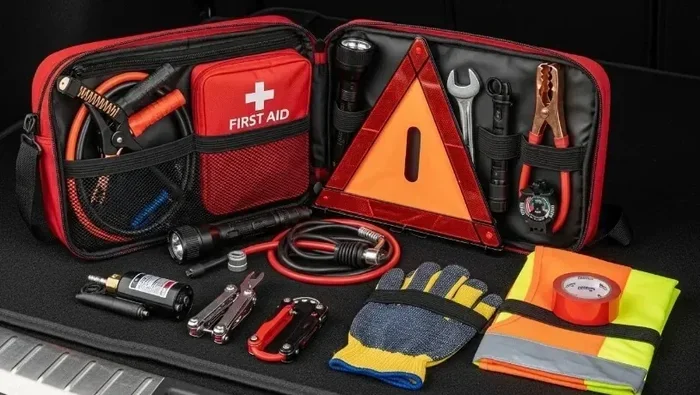
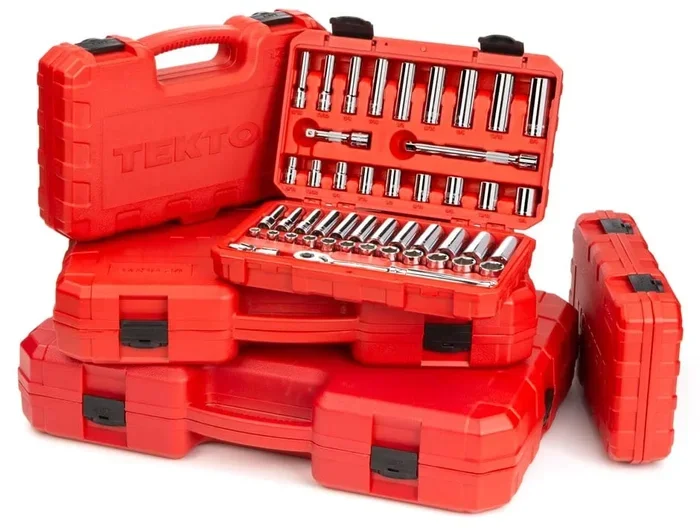
- Use a hard case: A hard-shell tool box protects your tools and keeps everything organized. Soft bags can shift during transit and expose sharp edges.
- Wrap sharp edges: Use blade guards, foam padding, or even old towels to cover sharp tools. This prevents cuts and makes inspection easier.
- Secure batteries separately: If your power tools have lithium batteries, remove them and pack them in your carry-on bag. This follows TSA guidance and keeps your tools safe.
- Label everything: A simple label on your tool bag helps TSA officers identify the contents quickly. This reduces the chance of your bag being pulled aside for a manual search.
- Keep a tools list: Carry a printed or digital list of what is in your bag. If an officer asks, you can quickly show them exactly what you have.
Carry-On vs. Checked: Quick Comparison
Here is a simple way to think about where to pack your tools:
- Carry-on: Small hand tools, battery packs, and non-sharp items. These stay with you and are easy to access.
- Checked bag: Larger hand tools, corded power tools, and tools with protective cases. These are safer in the cargo hold where they will not be confiscated.
The goal is to make security screening as smooth as possible. When TSA officers can quickly see what is in your bag, the process moves faster for everyone.
Common Mistakes When Traveling with Tools
Even experienced travelers make mistakes. Here are some common errors to avoid:
Forgetting About Battery Regulations
Many people pack power tools without checking the battery watt-hours. A tool with a large battery pack can be confiscated if it exceeds the limit. Always check the battery label before you pack.
Leaving Tools in Pockets
This one is obvious but happens more than you think. A pocket knife, a small multitool, or even a screwdriver in your jacket pocket will be caught at the security checkpoint. Pack everything in your bag before you reach the airport.
Not Emptying Fuel Tanks
If you are transporting a fuel-powered tool, do not skip the emptying step. Residual fuel in a tank or a fuel line can lead to your bag being rejected at the gate. Take the time to fully drain and clean the tool.
Using the Wrong Case
A flimsy tool bag that opens during transit is a mess waiting to happen. Tools shift, sharp edges poke through, and TSA officers may not be able to see what is inside. Invest in a sturdy, lockable case.
Expert Tips for Traveling with Tools
Here are some insider tips that make tool travel easier:
- Travel with a multi-tool sparingly: Multi-tools with blades are often flagged by TSA. If you must bring one, pack it in checked luggage.
- Consider renting at your destination: If you are only traveling for a short job, renting tools locally can save you the hassle of packing and shipping.
- Check your airline’s tool policy: Airlines sometimes have their own rules that go beyond TSA guidelines. A quick call or website check can save you at the counter.
- Keep tools accessible: If your bag gets inspected, you want to be able to quickly remove tools for separate screening. A well-organized bag with compartments helps.
- Maintain your tools before travel: Clean and oil your tools before packing. For example, knowing the right oil for your compressor ensures it stays in top shape, especially if you are traveling with it.
What About Nail Guns and Similar Tools?
Nail guns are a common question among travelers. A nail gun without nails is generally allowed in checked bags. But loaded nail guns or pneumatic tools with compressed air may raise flags.
If you are traveling with a pneumatic nail gun, make sure it is completely depressurized. Remove any nails and store them separately in your checked luggage. For guidance on using nail guns with compressors, you can refer to resources on how to use a nail gun with a compressor to ensure safe handling before your trip.
International Travel with Tools
If you are flying internationally, the rules can vary by country. Some countries have stricter rules about certain tools. Always check the regulations of your destination country before you pack.
Additionally, customs declarations may require you to list tools in your luggage. Failure to declare tools can result in fines or confiscation. When in doubt, declare everything and let the customs officer decide.
Final Thoughts
Bringing tools on a plane is absolutely possible, but it requires some preparation. The key is understanding the rules, packing properly, and communicating clearly with airline staff and TSA officers. Most hand tools are fine, power tools need attention to battery rules, and fuel-powered tools require extra care.
By following the tips in this guide, you can travel with confidence knowing your tools will arrive safely. Take a few minutes before your trip to review your tool bag, check battery labels, and make sure everything is properly packed. A little preparation goes a long way toward a smooth journey.
Safe travels and happy building!
Frequently Asked Questions
Can I bring a power drill on a plane in my carry-on?
Yes, a power drill with a lithium battery under 100 watt-hours is generally allowed in carry-on bags. Just make sure the battery is installed or packed separately in your carry-on. Always check with your airline for any additional restrictions.
Are nail guns allowed on airplanes?
An unloaded nail gun without compressed air is typically allowed in checked bags. However, loaded or pneumatic nail guns may be flagged. Always remove nails and depressurize the tool before packing it.
Can I bring gasoline or fuel for my tools on a plane?
No. The TSA strictly prohibits flammable liquids like gasoline, diesel, and propane in both carry-on and checked bags. You must transport fuel separately through ground shipping or purchase it at your destination.
What size battery is allowed in power tools on a plane?
Lithium batteries under 100 watt-hours are allowed without special permission. Batteries between 100 and 160 watt-hours require airline approval. Batteries over 160 watt-hours are generally not permitted on passenger aircraft.
Can I bring a portable generator on a plane?
Portable generators are generally not allowed in carry-on bags. They may be permitted in checked luggage only if completely empty of fuel and properly cleaned. Contact your airline for their specific generator policy before traveling.
How should I pack sharp tools for air travel?
Wrap sharp tools like saws, chisels, and box cutters in blade guards or foam padding. Pack them in a hard-shell case inside your checked luggage. Never pack sharp tools in your carry-on bag.
=== CONCLUSION ===
Traveling with tools does not have to be stressful. As long as you follow the TSA rules and your airline’s policies, most tools can make the journey with you. Hand tools go in carry-on or checked bags, power tools need battery compliance, and fuel-powered tools require special preparation.
Take the time to pack smart, label your bag, and double-check your tool inventory before you leave. A little effort upfront saves you from delays, extra fees, or lost tools at the airport. Now go pack that tool bag and enjoy your trip with confidence.