What Tools Should I Keep in My Car for Emergencies
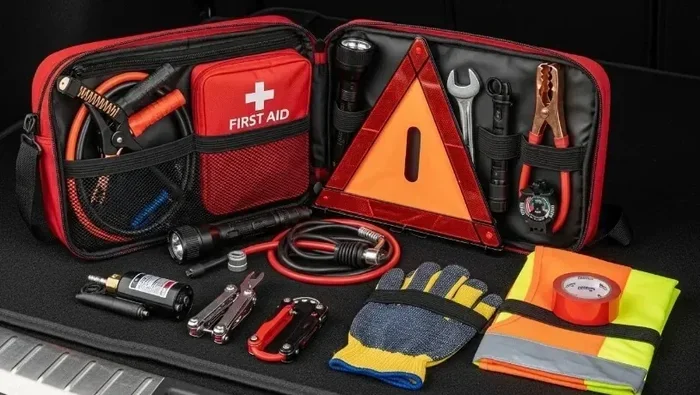
Knowing what tools should i keep in my car can save you from dangerous roadside situations. A well-stocked emergency car kit includes jumper cables, tire changing tools, a first aid kit, and portable flashlights. This guide walks you through every essential item you need to stay safe and prepared for breakdowns.
Every driver should know what tools should i keep in my car. Whether you commute daily or take weekend road trips, having the right gear in your trunk changes everything. A breakdown on a dark highway or a flat tire in the rain feels completely different when you have the right roadside tools within arm’s reach.
The truth is, most people don’t think about their car emergency kit until something goes wrong. And by then, it is too late. A vehicle emergency supplies kit is not just a nice-to-have. It is a survival necessity. This guide gives you a complete car essentials list so you can drive with confidence knowing you are ready for anything.
Let us walk through every tool and item you should have in your vehicle. We will cover the basics, the advanced stuff, and even seasonal additions. By the end, you will know exactly how to build your own automotive toolkit from scratch.
Key Takeaways
- Basic Emergency Kit Essentials: Jumper cables, flashlight, first aid kit, and reflective triangles form the foundation of any car emergency toolkit.
- Tire Care Tools Are Critical: A spare tire, jack, lug wrench, and tire pressure gauge help you handle flat tires safely on the road.
- Communication and Visibility Gear Matters: Roadside flares, a reflective vest, and a fully charged phone charger keep you visible and connected during emergencies.
- Seasonal Additions Boost Preparedness: Winter requires blankets and an ice scraper, while summer demands extra water and sun protection tools.
- Regular Maintenance of Your Kit: Check expiration dates on first aid supplies, test flashlights monthly, and rotate seasonal items twice a year.
- Know Your Vehicle Specific Needs: SUV owners and compact car drivers have different storage needs for their automotive toolkit.
- Being Prepared Saves Money and Time: Having the right car maintenance tools on hand prevents costly tow truck calls and long waits.
📑 Table of Contents
Why You Need an Emergency Car Kit
Roadside emergencies happen more often than most people think. A study by the AAA found that millions of drivers experience breakdowns every year. Many of these drivers did not have basic essential car tools in their vehicle. Having a breakdown preparation plan with the right tools can mean the difference between a quick fix and a long, dangerous wait.
Think about it. You are driving on a remote highway. Your car suddenly stalls. It is nighttime. It is raining. Without the right driving safety tools, you are sitting in a dangerous situation with no way to fix the problem or signal other drivers. A proper car survival kit gives you the power to handle problems yourself or at least stay safe while waiting for help.
Common Roadside Emergencies You Should Prepare For
Not all emergencies look the same. Here are the most common situations where having portable tools in your car makes a huge difference:
- Dead battery: This is the number one reason drivers get stranded. Jumper cables or a portable jump starter can get you back on the road in minutes.
- Flat tires: A punctured tire can happen anywhere. Without a jack and lug wrench, you are stuck waiting for a tow truck.
- Overheating engine: Low coolant or a broken fan belt can cause your engine to overheat on a hot day.
- Minor accidents: Even fender benders require first aid supplies and tools to assess damage.
- Extreme weather: Getting snowed in or stuck in flooding requires seasonal emergency gear.
Essential Tools Every Car Should Have
Now let us get into the meat of the topic. What tools should i keep in my car? Here is a detailed breakdown of the essential car tools every driver needs. These items form the backbone of any reliable emergency car kit.
1. Jumper Cables and Portable Jump Starters
Dead batteries cause more roadside calls than any other issue. A good set of jumper cables should be in every vehicle. Look for cables that are at least 12 feet long and rated for 400 amps or higher. They are thick, durable, and handle most vehicles.
If you want a more modern option, consider a portable jump starter. These compact devices fit in your glove box and can jump-start your car without needing another vehicle. Many models also include USB ports to charge your phone. This is one of the most practical roadside tools you can own.
Keep in mind that jumper cables require some basic knowledge. Always connect positive to positive and negative to a grounded metal surface. If you are unsure, consult your vehicle manual or a professional. Also, if you are dealing with electrical issues, you might want to check whether you can unplug your AC compressor and still drive to reduce electrical load while troubleshooting.
2. Tire Changing Tools
A flat tire can happen to anyone. Having the right tire changing tools means you can handle it yourself. Here is what you need:
- Spare tire: Make sure it is properly inflated and ready to use. Check the pressure every few months.
- Car jack: A hydraulic jack or scissor jack that came with your vehicle works fine for most situations.
- Lug wrench: A cross-shaped wrench gives you better leverage than a standard L-shaped one.
- Tire pressure gauge: Regularly checking your tire pressure prevents flats and improves fuel efficiency.
- Tire sealant: A temporary fix for small punctures that gets you to the nearest repair shop.
Some drivers also keep a portable air compressor in their trunk. These small electric compressors plug into your cigarette lighter and let you inflate tires on the go. They are compact, affordable, and incredibly useful for car maintenance tools on the road.
3. Flashlight and Lighting Tools
A reliable car flashlight is absolutely essential. If your car breaks down at night, you need to see what you are doing and be visible to other drivers. Do not rely on your phone flashlight. It dies quickly and is not bright enough.
Here are the lighting tools every car should have:
- LED flashlight: Choose one that is waterproof and rechargeable. A 500-lumen flashlight is bright enough for most tasks.
- Headlamp: A hands-free headlamp lets you work on your engine while keeping both hands free.
- Reflective triangles or flares: These alert other drivers to your presence. Place them 50 to 100 feet behind your vehicle.
- Reflective vest: Wearing a reflective vest makes you visible from far away, especially on dark roads.
Good lighting is also important for diagnosing car problems. If you notice your AC compressor is making strange noises, a flashlight helps you inspect the engine bay. For more on this, you can read about why your AC compressor might be squealing and what to check.
4. First Aid Kit
Every vehicle safety equipment list should include a well-stocked first aid kit. You do not need a full hospital setup. Just the basics to handle minor injuries until professional help arrives. Here is what your car survival kit first aid supply should contain:
- Adhesive bandages in various sizes
- Gauze pads and medical tape
- Antiseptic wipes and antibiotic ointment
- Pain relievers like ibuprofen and acetaminophen
- Tweezers for removing glass or splinters
- Disposable gloves
- A triangular bandage that doubles as a sling
- Emergency blanket (also called a space blanket)
Check your first aid kit every few months. Replace items that have expired or been used up. A first aid kit does you no good if it is missing supplies when you need them most.
5. Basic Hand Tools and Repair Kit
You do not need a full garage in your trunk. But having a few basic car maintenance tools can get you out of many jams. A compact automotive toolkit should include:
- Screwdrivers: A set of flathead and Phillips head screwdrivers in various sizes covers most basic repairs.
- Pliers: Needle-nose pliers and standard pliers handle wire, clamps, and small parts.
- Adjustable wrench: This one tool replaces multiple wrench sizes and fits most bolt sizes.
- Duct tape: Seriously. Duct tape fixes almost everything temporarily. It is a must-have in any roadside emergency kit.
- Multimeter: This device helps you test battery voltage, fuses, and electrical connections. It is a great diagnostic tool for car repair basics.
- Rubber gloves: Protect your hands when working on greasy or dirty parts.
- Tow strap: A heavy-duty tow strap lets another vehicle pull you to safety if your car is disabled.
You do not need to be a mechanic to use these tools. Even basic knowledge of car repair basics can save you hundreds of dollars in tow charges. And if you ever run into issues with your vehicle’s AC system, understanding more about what an AC compressor clutch does can help you diagnose problems faster.
6. Emergency Communication and Signaling Tools
When you are stranded, being able to call for help is critical. Your car essentials list should include communication tools that work even when your phone battery is dead:
- Portable phone charger: A small battery pack that charges your phone through USB. Keep it charged at all times.
- Car charger cable: A long cable that plugs into your car’s 12V outlet keeps your phone charged while driving.
- Emergency whistle: A simple whistle can be heard from far away. It uses no batteries and works in any weather.
- Emergency blanket: Beyond warmth, a metallic emergency blanket can reflect sunlight and signal for help.
These tools fall under vehicle safety equipment and are often overlooked. But in a real emergency, they can make all the difference between getting help quickly or waiting for hours.
Seasonal Tools You Should Add
What tools should i keep in my car changes with the seasons. The tools you need in summer are different from what you need in winter. Adding seasonal items to your car emergency kit keeps you prepared year-round.
Winter Emergency Car Tools
Cold weather creates unique challenges. Ice, snow, and freezing temperatures demand special preparation:
- Ice scraper and snow brush: Clear your windshield completely before driving. Do not just scrape a small hole and hope for the best.
- Warm blankets: A thermal blanket or wool blanket can save your life if you get stranded in cold weather.
- Sand or cat litter: A small bag provides traction if your tires are stuck on ice or snow.
- Windshield washer fluid: Winter-grade fluid prevents freezing in the reservoir.
- Hand warmers: Disposable hand warmers provide hours of warmth and take up almost no space.
If you live in an area with harsh winters, consider keeping a small shovel in your trunk. It does not need to be large. A compact folding shovel works great for digging out of snow.
Summer Emergency Car Tools
Hot weather brings its own set of risks. Here is what to add to your car survival kit during the summer:
- Extra water: Store at least a gallon of water per person. Heat dehydration is a real danger.
- Sunshade: A foldable windshield sunshade keeps your car cooler and protects the interior from sun damage.
- Cooling towel: These evaporative towels stay cold for hours and help prevent heat-related illness.
- Sunscreen: A small tube of SPF 30 or higher protects you while you are outside your vehicle.
Summer heat also affects your car’s mechanical systems. If you notice your engine running hot, check your coolant level and inspect hoses for leaks. Understanding how your cooling system works, including whether your AC compressor controls heat in your car, can help you troubleshoot temperature issues more effectively.
How to Organize Your Car Emergency Kit
Having the right tools is only half the battle. You also need to store them properly so they are easy to access when you need them. A messy trunk with tools buried under luggage defeats the purpose.
Best Storage Solutions
- Trunk organizer box: A collapsible plastic box keeps all your tools grouped together and easy to grab.
- Glove box kit: Keep small but critical items in the glove box. This includes your first aid kit, flashlight, phone charger, and emergency contact list.
- Seat-back organizer: Hang a pocket organizer on the back of your front seats for quick access to small tools and supplies.
- Under-seat storage: Many cars have space under the seats. A flat storage bin fits perfectly and holds larger items like a jump starter or tire sealant.
Label your storage containers clearly. In an emergency, you do not have time to dig through a messy trunk. Knowing exactly where everything is saves precious minutes.
Quick Tips for Kit Maintenance
An emergency kit is only useful if the items inside work. Here are some simple maintenance tips:
- Check expiration dates on first aid supplies every three months.
- Test your flashlight and replace batteries every six months.
- Verify your spare tire pressure at least twice a year.
- Charge your portable jump starter monthly to keep it ready.
- Rotate seasonal items twice a year, at the start of spring and fall.
- Replace used items immediately after any emergency use.
Set a calendar reminder for these checks. It takes 20 minutes and could save your life someday.
What Tools Should I Keep in My Car: The Complete Checklist
Here is a quick reference checklist of everything your car emergency kit should contain. Print this out and use it as a shopping guide:
- [ ] Jumper cables or portable jump starter
- [ ] Spare tire, jack, and lug wrench
- [ ] Tire pressure gauge
- [ ] LED flashlight and extra batteries
- [ ] Headlamp
- [ ] Reflective triangles and reflective vest
- [ ] First aid kit
- [ ] Emergency blanket
- [ ] Portable phone charger
- [ ] Basic hand tools (screwdrivers, pliers, wrench)
- [ ] Duct tape and zip ties
- [ ] Tow strap
- [ ] Ice scraper and snow brush (winter)
- [ ] Extra water and sunscreen (summer)
- [ ] Emergency whistle
- [ ] Multimeter
- [ ] Tire sealant
- [ ] Sand or cat litter (winter)
Keep this checklist on your fridge or saved on your phone. Check off items as you add them to your vehicle. This ensures you build a complete vehicle safety equipment setup without forgetting anything important.
For more car troubleshooting tips, check out our guide on can a bad air compressor cause car to overheat to understand how different vehicle systems can affect your driving safety.
Conclusion
Knowing what tools should i keep in my car is one of the most important things any driver can do. A well-prepared emergency car kit keeps you safe, saves money on tow trucks, and gives you peace of mind every time you hit the road. From jumper cables and tire changing tools to first aid supplies and seasonal gear, every item in your automotive toolkit serves a purpose.
Start with the basics and build from there. Check your kit regularly and update it as your needs change. Whether you drive a compact car or a full-size SUV, the right roadside tools make all the difference. Do not wait for an emergency to realize you are missing something important. Build your kit today and drive with confidence tomorrow.
Being prepared is not about expecting the worst. It is about being smart. You take care of your car with regular maintenance. You wear your seatbelt. Now add a solid emergency kit to that routine. Your future self will thank you when things do not go as planned.
Frequently Asked Questions
What is the most important tool to keep in your car?
A set of jumper cables or a portable jump starter is the single most important tool. Dead batteries are the leading cause of roadside breakdowns, and jumper cables can get you back on the road in minutes. Pair this with a flashlight and first aid kit for a solid foundation.
How often should I check my car emergency kit?
You should do a quick visual check every month and a thorough review every three months. Check flashlight batteries, first aid expiration dates, and spare tire pressure during each review. Seasonal rotation should happen twice a year.
Do I need professional-grade tools in my car?
No, you do not need professional-grade tools. Basic consumer-grade tools like a simple screwdriver set, pliers, and an adjustable wrench handle most common roadside situations. Save the professional equipment for trained mechanics.
Can keeping tools in my car void my warranty?
Generally, no. Keeping standard emergency tools in your car does not void your warranty. However, if aftermarket tools cause damage to your vehicle, that could be a different story. Always check your warranty terms if you are unsure about specific modifications.
What should I do if my car breaks down and I do not have the right tools?
First, pull over to a safe location and turn on your hazard lights. Set up reflective triangles if you have them. Call for emergency roadside assistance or a trusted tow truck. Stay with your vehicle if it is safe to do so, especially on highways.
Are portable jump starters worth the money?
Yes, portable jump starters are worth the investment. They are compact, easy to use, and do not require another vehicle. Many models also charge your phone and other devices. For around $30 to $100, they are one of the best values in any car emergency kit.