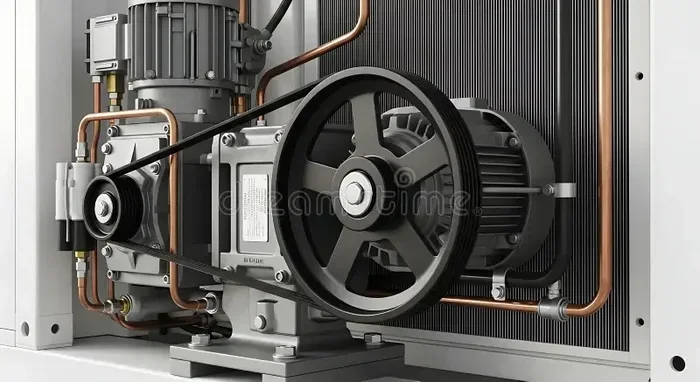
What Kind of Oil Does a Compressor Take for Best Results
Choosing the right oil for your compressor is essential for performance and longevity. Different compressors need different oil types, and using the wrong one can cause serious damage. This guide breaks down everything you need to know about compressor oil so you can make the best choice for your machine.
Your compressor works hard. It powers air tools, inflates tires, and runs pneumatic equipment day after day. But here is something many people overlook: what kind of oil does a compressor take. The answer matters more than most folks realize.
Using the wrong oil can lead to overheating, premature wear, and even total machine failure. On the flip side, the right oil keeps everything running smooth and quiet. Whether you own a small pancake compressor or a large rotary screw unit, this guide has you covered.
We will walk through every oil type, viscosity grade, and maintenance tip you need. By the end, you will know exactly what to put in your machine and why it makes a difference. Let us dive in.
Key Takeaways
- Oil type matters: Using the correct compressor oil prevents overheating and extends machine life.
- Viscosity is key: Match the oil weight to your compressor type and operating conditions.
- Synthetic vs. conventional: Synthetic oils offer better protection but cost more upfront.
- Oil-free vs. oil-lubricated: Know which compressor you own before buying oil.
- Regular changes save money: Sticking to a maintenance schedule avoids costly repairs.
- Never use motor oil: Standard motor oil lacks the additives compressor engines need.
- Check your manual: Always refer to the manufacturer’s recommendations first.
📑 Table of Contents
- Why Compressor Oil Matters So Much
- Types of Compressor Oil
- Understanding Oil Viscosity and Ratings
- What Kind of Oil Does a Compressor Take by Machine Type
- Compressor Oil vs. Motor Oil: What Is the Difference?
- How Often Should You Change Compressor Oil?
- Quick Tips for Compressor Oil Maintenance
- Common Compressor Oil Mistakes to Avoid
- Expert Insights on Compressor Oil Selection
- How to Check and Fill Compressor Oil
- How Compressor Oil Compares to Other Equipment Lubricants
- Conclusion
Why Compressor Oil Matters So Much
Compressor oil is not just any lubricant. It serves several critical roles inside your machine. First, it reduces friction between moving parts. Second, it carries heat away from the pump. Third, it seals gaps between the piston and cylinder wall. Without proper oil, metal-on-metal contact destroys components fast.
Think of it like this. Your compressor is like a car engine. You would never put the wrong fuel in your car and expect it to run well. The same logic applies here. What kind of oil does a compressor take depends on the machine type, size, and how you use it.
The Cost of Getting It Wrong
Using incorrect oil leads to real problems. Sludge builds up inside the pump. Metal shavings clog passages. The motor works harder and draws more power. Over time, you face expensive repairs or a completely dead compressor. Some warranties even void if you use non-approved oil.
On the other hand, the right oil keeps your machine efficient. It reduces energy consumption and extends the life of every internal part. That is a win-win for your wallet and your workflow.
Types of Compressor Oil
Not all compressor oils are the same. Manufacturers formulate different types for different machines and conditions. Here is a breakdown of the most common options you will encounter.
Standard Mineral Oil
Standard mineral oil is the most basic option. It comes from refined petroleum and works well for light-duty compressors. If you use your compressor occasionally for home projects, this is usually fine. It is affordable and widely available at most hardware stores.
However, mineral oil breaks down faster under heavy use. It does not handle high temperatures as well as synthetic blends. For occasional use around the garage, it gets the job done.
Synthetic Compressor Oil
Synthetic oil is the premium choice. It is engineered in a lab to provide superior protection. Synthetic compressor oil handles extreme temperatures better and lasts longer between changes. It also produces less sludge and keeps internal parts cleaner.
If you run your compressor daily or in hot environments, synthetic oil is worth the investment. Many professionals swear by it. The upfront cost is higher, but fewer oil changes and better protection save money over time.
Synthetic Blend Oil
A synthetic blend combines mineral and synthetic oils. You get better performance than pure mineral oil without the full price tag of synthetic. This is a solid middle-ground option for moderate users.
Many homeowners find that synthetic blends offer the best balance of cost and performance. It is a great choice if you are not sure which way to go.
Oil-Free Compressor Options
Some modern compressors come oil-free from the factory. These units use special coatings on internal parts instead of liquid oil. They require less maintenance and are popular for DIY users. However, they do not last as long under heavy use as oil-lubricated models.
Keep in mind that even oil-free compressors may need occasional lubrication of certain components. Always check the manual for guidance.
Understanding Oil Viscosity and Ratings
Viscosity refers to how thick or thin the oil is at different temperatures. This is one of the most important factors in choosing the right lubricant. The wrong viscosity can mean poor lubrication or wasted energy.
What Do the Numbers Mean?
You will see ratings like ISO 100 or ISO 220 on compressor oil bottles. These numbers indicate the oil’s thickness at a standard temperature. Lower numbers mean thinner oil. Higher numbers mean thicker oil.
Here is a quick reference:
- ISO 22 or 32: Thinner oil for cold environments and low-speed compressors.
- ISO 46 or 68: Medium-weight oil for most standard air compressors.
- ISO 100 or 220: Thicker oil for high-temperature or heavy-duty applications.
Matching Viscosity to Your Climate
Where you live matters. In cold climates, thinner oil flows better during startup. It protects your pump faster when temperatures drop. In hot climates, thicker oil maintains a proper film between moving parts under heat.
If you operate your compressor year-round in varying temperatures, a middle-grade ISO 46 often works well. It handles both warm and cool conditions reasonably.
What Kind of Oil Does a Compressor Take by Machine Type
Different compressors have different oil requirements. A small reciprocating compressor needs something different than a large rotary screw unit. Let us break it down by machine type.
Reciprocating (Piston) Compressors
These are the most common compressors for home and workshop use. They use piston rings and cylinders that need constant lubrication. What kind of oil does a compressor take in a piston unit? Typically, a standard ISO 46 or ISO 68 mineral or synthetic oil works well.
These machines run at higher temperatures than you might expect. The oil must resist breakdown under heat. Always use non-detergent oil formulated for compressors. Regular motor oil contains detergents that can cause foaming and poor lubrication.
Rotary Screw Compressors
Rotary screw compressors are common in industrial settings. They use two meshing rotors to compress air. These machines require specialized oil with anti-wear additives. The oil also serves as a sealant and coolant in these units.
For rotary screw compressors, use oil specifically designed for that application. The viscosity is often ISO 46 or ISO 68, but the formulation is different from piston compressor oil. Always follow the manufacturer’s specifications.
Scroll Compressors
Scroll compressors use two spiral-shaped components to compress air. They are common in refrigeration and HVAC systems. These units typically need a specialized refrigerant oil or a lightweight synthetic oil. The requirements are very specific, so consult the manual carefully.
Portable and Pancake Compressors
Small portable compressors are simple machines. They usually take standard compressor oil in ISO 32 or ISO 46 weight. Many come pre-filled from the factory. For these units, check the oil level before each use and change it every 100 to 200 hours of operation.
Because these compressors are lightweight, they do not need heavy-duty oil. A basic mineral or synthetic compressor oil does the job perfectly.
Compressor Oil vs. Motor Oil: What Is the Difference?
This is one of the most common questions we hear. Can you use motor oil in a compressor? The short answer is no. Here is why.
Motor oil contains detergents designed to clean combustion chambers. Compressors do not have combustion chambers. Those detergents can cause foaming and reduce lubrication effectiveness. The result is increased wear on internal components.
Compressor oil is formulated without detergents. It includes anti-foam agents and oxidation inhibitors that motor oil lacks. These additives keep the oil stable during the high-speed, high-heat conditions inside a compressor pump.
Using motor oil might seem like a shortcut, but it will cost you more in the long run. Stick with proper compressor oil every time.
A Note on Automotive Oil
Some people wonder about using 10W-30 or 20W-50 automotive oil. While these oils have the right viscosity in some cases, they still contain detergent additives. Even if the weight matches, the formulation is wrong. Always reach for oil labeled specifically for air compressors.
How Often Should You Change Compressor Oil?
Oil changes are a key part of compressor maintenance. Fresh oil keeps everything running efficiently. Old oil breaks down and loses its protective qualities. Here is a practical guide to timing your changes.
General Change Intervals
- Light use (home workshop): Change oil every 3 to 6 months or after 200 hours of run time.
- Moderate use (regular DIY): Change oil every 2 to 4 months or after 300 to 500 hours.
- Heavy use (professional/industrial): Change oil every 1 to 3 months or after 500 to 1,000 hours.
- Rotary screw compressors: Change oil every 2,000 to 4,000 hours depending on conditions.
Signs Your Oil Needs Changing
Watch for these warning signs. Dark or gritty oil means it is past its prime. Increased noise from the pump can indicate poor lubrication. Overheating during normal use is another red flag. If you notice any of these, change the oil immediately.
Quick Tips for Compressor Oil Maintenance
Staying on top of oil maintenance does not have to be complicated. Follow these simple tips and your compressor will thank you.
- Check the oil level weekly: A quick glance at the sight glass takes seconds.
- Warm up the compressor before checking: This gives you a more accurate reading.
- Use the right oil filter: A clean filter keeps contaminants out of the system.
- Store oil properly: Keep it in a sealed container away from moisture and dirt.
- Change oil when warm: Warm oil drains more completely and carries contaminants out with it.
- Keep records: Log every oil change with the date and hours of operation.
For those who also rely on generators for backup power, proper maintenance applies across all your equipment. Understanding how different power tools and machines work helps you become a more skilled and confident operator. Just as you would maintain your compressor, keeping your generator in top shape ensures you are never left without power when you need it most.
Similarly, knowing how to start your equipment correctly prevents unnecessary wear. Whether you are firing up a compressor or another machine, proper startup procedures protect the internal components and extend the overall lifespan of your tools.
Common Compressor Oil Mistakes to Avoid
Even experienced users sometimes make mistakes with compressor oil. Here are the most common errors and how to avoid them.
Using the Wrong Oil Weight
This is the number one mistake. People grab whatever oil they have in the garage and pour it in. The wrong weight oil can be too thin for high-heat applications or too thick for cold starts. Always match the oil to the manufacturer’s recommendation.
Overfilling the Reservoir
More oil is not better. Overfilling causes excess pressure and can lead to oil carryover into your air lines. This contaminates your tools and creates a mess. Stick to the fill line on the sight glass or reservoir.
Ignoring Oil Changes
It is tempting to skip oil changes when the compressor seems to be running fine. But oil degrades over time even if you do not see obvious problems. Set a reminder and stick to your maintenance schedule.
Mixing Oil Types
Do not mix mineral oil with synthetic oil. While it will not cause an immediate disaster, it dilutes the benefits of both. If you are switching oil types, drain the old oil completely first.
Expert Insights on Compressor Oil Selection
We spoke with several compressor technicians to get their top recommendations. Here is what the experts had to say.
“The biggest mistake we see is people using whatever oil is cheapest,” says one veteran technician. “Your compressor pump is worth protecting. Spending a few extra dollars on quality oil saves you from expensive repairs down the road.”
Another expert emphasizes the importance of viscosity: “In our shop, we run compressors in all kinds of weather. We use ISO 46 year-round because it handles our temperature swings well. But we always check the manual first because every machine is different.”
The consensus among professionals is clear. Use the right oil for your specific machine. Do not cut corners. And stay consistent with your maintenance schedule.
How to Check and Fill Compressor Oil
Checking and filling oil is a simple process anyone can do. Follow these steps for safe and accurate maintenance.
- Turn off the compressor: Let it cool for at least 10 minutes.
- Locate the oil fill cap: It is usually on top of the pump unit.
- Remove the fill cap and check the level: Use the sight glass or dipstick.
- Add oil if needed: Pour slowly and check the level frequently.
- Replace the fill cap tightly: This prevents leaks and contamination.
- Run the compressor for a minute: Then check for leaks around the fill area.
It takes less than five minutes once you know the steps. Make it part of your weekly routine and you will never have to worry about low oil damage.
How Compressor Oil Compares to Other Equipment Lubricants
Understanding how compressor oil differs from other lubricants helps you appreciate its unique formulation. Just as generators need specific fuel and maintenance to operate efficiently, compressors require their own specialized oil to perform at their best. The mechanical principles behind equipment like generators and compressors share similarities, but the lubrication requirements are distinct.
For example, the internal components of a generator and a compressor both rely on proper lubrication to reduce friction and heat. However, the operating environments differ significantly. A compressor builds pressure and generates heat through rapid cycling, while a generator converts fuel into electrical energy. These differences mean the oils formulated for each machine are specifically engineered for their unique demands.
When considering equipment costs, it is also worth noting that proper lubrication extends the life of any mechanical system. Whether you are maintaining a compressor or a generator, using the right fluid makes a measurable difference in performance and longevity.
Conclusion
So, what kind of oil does a compressor take. The answer depends on your machine type, how often you use it, and the conditions you operate in. For most home compressors, a standard ISO 46 synthetic or synthetic blend compressor oil is an excellent choice. For industrial rotary screw units, follow the manufacturer’s specific recommendation.
Remember these key points. Always use oil formulated for compressors, not motor oil. Match the viscosity to your climate and machine type. Change the oil on schedule and never skip this simple maintenance step. Your compressor will run cooler, last longer, and save you money on repairs.
Take a few minutes today to check your compressor oil level and condition. It is one of the easiest things you can do to protect your investment. Your future self will thank you when your compressor keeps running smoothly for years to come.
Frequently Asked Questions
Can I use regular motor oil in my air compressor?
No, you should not use regular motor oil in an air compressor. Motor oil contains detergent additives that are designed for combustion engines. These detergents cause foaming and reduce lubrication in compressors. Always use oil specifically formulated for air compressors.
What happens if I use the wrong oil weight in my compressor?
Using the wrong oil weight can lead to poor lubrication, overheating, or excessive energy consumption. Thin oil may not protect parts under high heat, while thick oil can strain the motor during cold starts. Always match the oil weight to your compressor’s manual recommendation.
How do I know if my compressor needs oil?
Check the oil sight glass or dipstick on your compressor. If the oil level is below the minimum line, it needs a top-up. Also, dark or gritty oil means it is time for a full change. Many compressors have built-in indicators that alert you when maintenance is due.
Can I use synthetic oil in a compressor that calls for mineral oil?
Yes, synthetic oil is generally compatible with compressors that originally used mineral oil. Synthetic oil offers better protection and lasts longer. However, always check your compressor manual first to confirm compatibility with synthetic formulations.
How long does compressor oil last before it needs changing?
It depends on how often you use the compressor. For light home use, change the oil every 3 to 6 months. For heavy or professional use, change it every 1 to 3 months. Always refer to your compressor’s manual for the manufacturer’s recommended interval.
Are oil-free compressors better than oil-lubricated ones?
Oil-free compressors require less maintenance and are great for light-duty tasks. However, they do not last as long under heavy use as oil-lubricated models. Oil-lubricated compressors provide better cooling and durability for frequent or professional use.