How a Backup Power Generator Keeps Your Home Running
A backup power generator is essential for keeping your home running smoothly when the grid goes down. Whether you face occasional outages or frequent storms, the right home backup power solution ensures your lights, appliances, and heating systems stay operational. This guide covers everything you need to know about selecting, installing, and maintaining a backup power generator for your household.
A backup power generator is one of the most valuable investments you can make for your home. When a power outage strikes, having a reliable emergency power supply means the difference between comfort and chaos. Storms, grid failures, and unexpected electrical disruptions can happen at any time, and a backup power generator ensures your household keeps running smoothly no matter what.
Many homeowners underestimate how much they rely on electricity until the lights go out. Your refrigerator, heating system, security cameras, and even your internet router all need a steady power source. A well-chosen backup power generator covers these essentials and more, giving you peace of mind during the darkest moments.
Understanding your options is the first step toward finding the right solution. This guide walks you through everything you need to know about selecting, installing, and maintaining a backup power generator that fits your home power needs and budget.
Key Takeaways
- Choose the right type: Standby generators offer automatic backup, while portable units provide flexible, budget-friendly options.
- Size matters: Match your generator wattage to your home’s actual power needs to avoid overloads.
- Fuel choice affects cost: Propane, natural gas, and diesel each have different fuel consumption rates and availability.
- Professional installation is key: A proper setup with an automatic transfer switch ensures safe and seamless power switching.
- Regular maintenance extends life: Routine checks can significantly increase how long your generator lasts.
- Safety first: Always follow generator safety guidelines to prevent carbon monoxide risks and electrical hazards.
📑 Table of Contents
What Is a Backup Power Generator?
A backup power generator is a device that provides electricity to your home when the main power grid fails. It kicks in automatically or manually, depending on the type, and supplies energy to essential circuits and appliances. Think of it as your home’s insurance policy against unexpected blackouts.
How Does It Work?
Most backup power generators run on fuel, such as propane, natural gas, or diesel. When the grid goes down, a sensor detects the loss of power and signals the generator to start. Within seconds, the unit begins producing electricity and feeds it into your home’s electrical system. This process is seamless and keeps your lights on without any manual intervention.
The generator capacity determines how many appliances and devices it can power at once. A unit with higher capacity can handle your entire household, while a smaller model may only cover essentials. Understanding your home power needs helps you choose the right size.
Why Every Home Needs One
Power outages are more common than most people think. The average American home experiences several outages per year. A backup power generator protects your food supply, keeps your home warm or cool, and ensures your security systems stay active. It also prevents costly damage from frozen or burst pipes during winter outages.
Beyond convenience, a reliable emergency power supply can be a lifesaver for households with medical equipment. If someone in your home depends on electrically powered medical devices, a backup power generator becomes not just a luxury but a necessity.
Types of Backup Power Generators
Not all generators are the same. Different types serve different purposes, and knowing the differences helps you make an informed decision. Let us explore the most common options available for homeowners.
Standby Generators
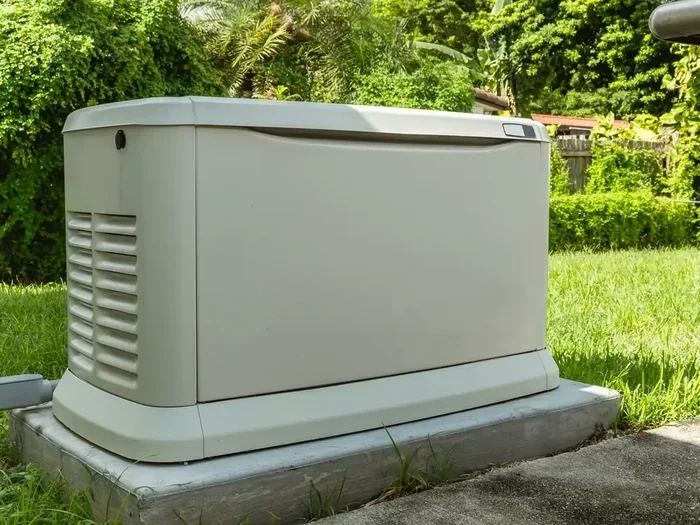
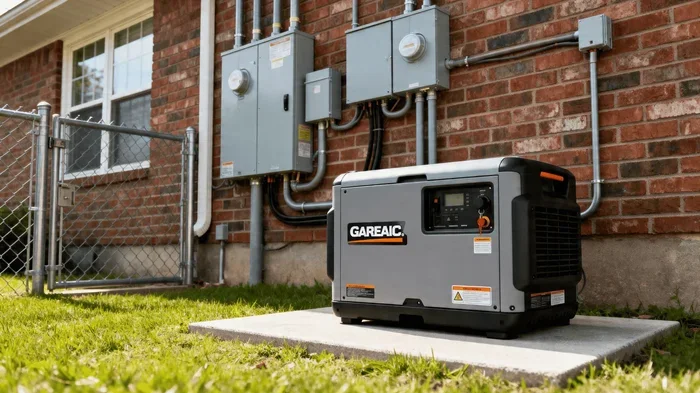
A standby generator is a permanent installation that sits outside your home, similar to a central air conditioning unit. It connects directly to your home’s electrical system and fuel supply. When a power outage occurs, the unit activates automatically, often within seconds.
Standby generators are the most popular choice for homeowners who want a hands-off solution. They provide whole-house coverage and can run for extended periods. Many models are whole house generators capable of powering everything from your HVAC system to your kitchen appliances.
The generator cost for a standby unit is higher upfront, but the convenience and reliability make it worthwhile. If you want a solution that works without any effort on your part, a standby model is the way to go. These units also offer excellent generator runtime, especially when connected to a natural gas line.
Portable Generators
A portable generator is a smaller, movable unit that you can store and bring out when needed. These units run on gasoline or propane and must be manually started and connected to your home’s electrical system.
Portable generators are more affordable and easier to maintain. They work well for temporary needs, such as powering a few essential appliances during a short outage. However, they require more effort to operate and do not offer the same level of automation as standby units.
One important thing to keep in mind: portable generators should never be used indoors due to carbon monoxide risks. Always place them outside in a well-ventilated area. For more on safely connecting a generator to your home, check out our guide on how to run a generator to house.
Inverter Generators
An inverter generator produces clean, stable power that is safe for sensitive electronics like laptops and smartphones. These units are quieter and more fuel-efficient than traditional generators, making them a popular choice for camping and outdoor use.
While inverter generators are excellent for temporary and recreational purposes, they typically have lower generator capacity compared to standby models. They are best suited for powering a few devices at a time rather than running an entire household.
How to Size a Backup Power Generator for Your Home
Sizing is one of the most important steps in choosing a backup power generator. A unit that is too small will overload and fail to power your essentials. A unit that is too large wastes money and fuel. Getting the right size means understanding your home power needs and calculating the total wattage required.
Calculate Your Power Needs
Start by listing the appliances and devices you want to keep running during an outage. Include items like your refrigerator, furnace blower, lights, and internet router. Check the wattage label on each device and add them up. This gives you a baseline for the generator wattage you need.
Remember to account for starting watts, which are higher than running watts for motors and compressors. A refrigerator, for example, may need 700 running watts but 2,100 starting watts. Always choose a unit that can handle the peak starting load.
What Appliances Matter Most?
During a power outage, most homeowners prioritize keeping the following running:
- Refrigerator and freezer to preserve food
- Heating or cooling system for comfort and safety
- Lights for visibility and safety
- Internet router and phone chargers for communication
- Medical equipment if applicable
If you need help determining the right size for your specific setup, our guide on what size generator to run furnace and refrigerator offers detailed wattage calculations for common household appliances.
Common Sizing Mistakes
Many buyers make the mistake of choosing a unit based on price alone. A cheap generator that cannot handle your home power needs will leave you in the dark when you need it most. Always match the generator capacity to your actual requirements. Another common error is forgetting to account for future needs, such as adding a new appliance or upgrading your HVAC system.
Fuel Types and Their Benefits
The generator fuel type you choose affects everything from runtime to operating costs. Each fuel has its own advantages and drawbacks. Let us break down the most common options.
Propane Generators
A propane generator burns clean and produces fewer emissions than gasoline. Propane has an indefinite shelf life, which means you can store it for long periods without degradation. This makes propane an excellent choice for emergency preparedness.
Propane is widely available and can be stored in tanks of various sizes. Many homeowners appreciate that propane is a greener alternative to gasoline. If you are considering this option, understanding fuel consumption rates helps you plan your supply.
Natural Gas Generators
A natural gas generator connects directly to your home’s gas line, providing an uninterrupted fuel supply. You never need to refill a tank because the unit draws fuel from the municipal supply. This makes natural gas generators incredibly convenient for long-term use.
Natural gas is generally more affordable than propane in many regions. It also burns cleanly and produces less odor. However, availability depends on your location, and the generator cost for a natural gas-ready unit may be slightly higher. To learn more about what powers specific generator brands, see our article on what powers a generac home generator.
Diesel Generators
Diesel generators are known for their durability and high generator capacity. They are commonly used in commercial settings but can also serve large homes with significant power demands. Diesel fuel is energy-dense, meaning you get more power per gallon.
However, diesel units tend to be louder and produce more emissions. They also require more frequent maintenance. For most residential homeowners, propane or natural gas options offer a better balance of performance and convenience.
Installation and Safety Considerations
Proper generator installation is critical for both performance and safety. A poorly installed unit can damage your home’s electrical system, pose fire risks, or expose your family to carbon monoxide.
Hire a Professional
Always hire a licensed electrician or certified technician for your generator installation. A professional will ensure the unit is properly wired, ventilated, and connected to your home’s electrical panel. They will also install an automatic transfer switch, which safely disconnects your home from the grid during an outage and reconnects it when power returns.
Attempting a DIY installation can void warranties and create serious safety hazards. The upfront cost of professional installation is well worth the protection it provides.
Placement and Ventilation
Generators produce carbon monoxide, a colorless and odorless gas that can be deadly. Always place your unit outdoors in a well-ventilated area, away from windows, doors, and vents. Never operate a generator in a garage, even with the door open.
The unit should be positioned on a level surface and protected from rain and flooding. Many homeowners install concrete pads or generator enclosures to keep the unit safe and stable. Following basic generator safety rules keeps your family protected at all times.
Understanding the Automatic Transfer Switch
An automatic transfer switch is a device that monitors your home’s power supply and automatically switches to the generator when the grid fails. It then switches back to grid power when the outage ends. This seamless transition prevents power surges and protects your appliances.
The switch is a critical component of any whole-house generator setup. It ensures your home backup power system operates safely and efficiently without any manual intervention.
Maintenance and Longevity Tips
A backup power generator is a significant investment, and regular maintenance keeps it running reliably for years. Neglecting upkeep can lead to costly repairs or even total failure when you need the unit most.
Routine Maintenance Tasks
Follow these simple steps to keep your generator in top shape:
- Check the oil level before each use and change it according to the manufacturer’s schedule
- Inspect and replace air filters regularly
- Test the unit monthly by running it for at least 30 minutes
- Keep the fuel tank fresh and use fuel stabilizer for long-term storage
- Check the battery and electrical connections annually
Consistent generator maintenance extends the lifespan and ensures the unit starts immediately when you need it most.
How Long Does a Backup Power Generator Last?
The lifespan of a backup power generator depends on the type, fuel, and how well it is maintained. A standby whole house generator can last 20 to 30 years with proper care. Portable generators typically last 10 to 15 years, depending on usage frequency.
For more detailed information on generator longevity, check out our article on how long does a whole house generator last.
When to Call a Professional
If your generator fails to start, produces unusual noises, or struggles to maintain power output, it is time to call a professional. Regular inspections by a certified technician can catch small problems before they become expensive repairs.
Common Mistakes to Avoid
Even the best backup power generator can cause problems if used incorrectly. Here are the most common mistakes homeowners make and how to avoid them.
Skipping the Sizing Step
Buying a generator based on price rather than capacity is a recipe for disaster. An undersized unit will overload and shut down during a power outage, leaving you without power when you need it most. Always calculate your home power needs before making a purchase.
Ignoring Fuel Storage
Gasoline degrades over time and can clog your generator’s fuel system. If you use a gasoline-powered portable unit, rotate your fuel supply regularly. For long-term storage, use fuel stabilizer and keep containers in a cool, dry place.
Neglecting Maintenance
It is easy to forget about your generator when the power is on. But skipping routine maintenance means your unit may not start when you need it most. Set a monthly reminder to test your generator and perform basic checks.
Overloading the Unit
Connecting too many appliances to a single generator can exceed its generator capacity and cause damage. Prioritize essential devices and avoid running high-wattage appliances simultaneously unless your unit can handle the load.
Final Thoughts
A backup power generator is more than a convenience, it is a safeguard for your home and family. Whether you choose a standby whole house generator or a portable unit, the key is to match the generator capacity to your home power needs and maintain the unit properly.
Investing in reliable home backup power means you never have to worry about spoiled food, frozen pipes, or lost connectivity during an outage. Take the time to research your options, calculate your wattage needs, and work with a professional to find the perfect solution.
The right backup power generator gives you confidence and comfort, no matter what the weather brings. Start planning your emergency power supply today, and your future self will thank you when the next power outage hits.
Frequently Asked Questions
How much does a backup power generator cost?
The generator cost varies widely depending on the type and capacity. Portable units can range from $500 to $2,000, while standby whole house generators typically cost between $3,000 and $15,000 installed. Your home power needs and local installation costs will determine the final price.
Can I install a backup power generator myself?
While portable generators are simpler to set up, standby units require professional generator installation. A licensed electrician ensures proper wiring, ventilation, and safe connection to your electrical panel. DIY installation can void warranties and create serious safety hazards.
What fuel type is best for a backup power generator?
Each generator fuel type has its own benefits. Propane offers long shelf life and clean burning. Natural gas provides continuous fuel from your home’s supply line. Diesel delivers high durability and capacity. Choose based on your budget, availability, and fuel consumption preferences.
How often should I maintain my backup power generator?
You should test your generator monthly by running it for at least 30 minutes. Oil changes, filter replacements, and annual professional inspections are essential for generator maintenance. Consistent upkeep ensures reliable generator runtime when you need it most.
Will a backup power generator power my entire house?
A whole house generator with sufficient generator capacity can power your entire home, including HVAC, appliances, and electronics. Smaller portable units can only cover essentials like your refrigerator and a few lights. Calculate your home power needs carefully before deciding.
Is it safe to run a backup power generator indoors?
No. Generators produce carbon monoxide, which is deadly in enclosed spaces. Always place your unit outdoors in a well-ventilated area, away from windows and doors. Following proper generator safety guidelines protects your family from serious health risks.