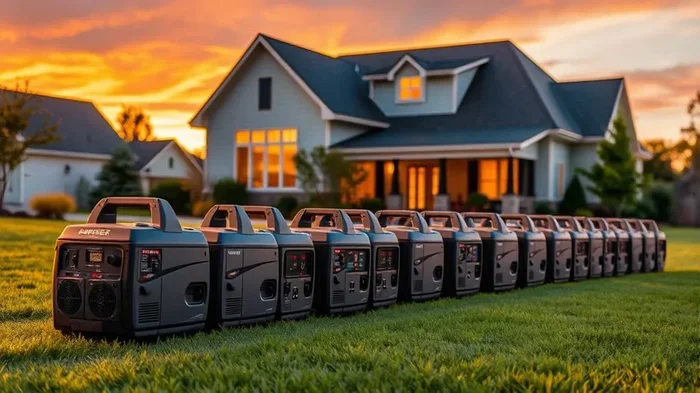
Portable Generator for House How to Choose the Best One
A portable generator for house use is one of the smartest investments you can make against unexpected power outages. This guide covers everything from wattage requirements and fuel types to safety tips and maintenance secrets. You will learn exactly how to pick the right unit for your home’s unique energy needs.
Power outages are more common than most people think. Storms, grid failures, and equipment malfunctions can leave your entire home in the dark within minutes. When that happens, you want a reliable source of energy ready to go. That is where a portable generator for house use comes in.
Choosing the right unit is not just about grabbing the first one you see online. You need to think about wattage requirements, fuel type, runtime, noise level, and safety. A poorly chosen generator can underperform when you need it most or waste money you do not have to waste. This guide walks you through everything you need to know to make a smart, confident choice.
Whether you want to keep the fridge running or power your entire home, we have you covered. Let us break it all down into simple, practical steps.
Key Takeaways
- Match wattage to your needs: Calculate your total electrical load before buying a portable generator for house use to avoid underpowering or overspending.
- Fuel type matters: Gasoline, propane, and dual-fuel options each offer different runtime, cost, and storage benefits.
- Safety first: Never run a generator indoors. Proper generator installation and placement prevent carbon monoxide poisoning.
- Noise is a real factor: Inverter generators are much quieter than conventional models, which matters for residential areas.
- Maintenance extends lifespan: Regular upkeep ensures your home backup power system works when you need it most.
- Portable vs. standby: Each type has pros and cons. Your choice depends on budget, power needs, and how often you experience outages.
📑 Table of Contents
- What Is a Portable Generator for House Use?
- Key Features to Look For
- How to Size Your Portable Generator
- Portable Generator vs. Standby Generator
- Safety Tips and Best Practices
- Common Mistakes to Avoid
- Expert Insights: Getting the Most from Your Generator
- Final Thoughts on Choosing a Portable Generator for House Use
What Is a Portable Generator for House Use?
A portable generator for house use is a self-contained engine-driven power source that you can move around and set up wherever you need it. Unlike a permanent standby unit, it does not install directly into your home’s electrical system. Instead, you plug appliances directly into it or connect it through a transfer switch.
These generators are incredibly versatile. You can use them during camping trips, outdoor events, or emergency power outages. They come in a wide range of sizes, from small units that produce around 1,000 watts to heavy-duty models pushing 10,000 watts or more.
How Does It Work?
The concept is straightforward. A gasoline, propane, or dual-fuel engine spins an alternator. The alternator produces alternating current (AC) electricity. You then plug your devices or appliances into the outlets on the generator.
Some modern units also include USB ports and inverter technology. Inverter generators clean up the electrical output, making them safer for sensitive electronics like laptops and medical devices. If you are curious about what a home generator can actually power, check out what powers a Generac home generator for helpful insights.
When Do You Need One?
Here are a few common situations where a portable generator becomes essential:
- Frequent storms cause extended power outages in your area.
- You want backup power for a home office or workshop.
- You enjoy camping or outdoor activities and need a reliable electricity source.
- You want to run tools at job sites without access to grid power.
Knowing when and why you need a unit helps you size it correctly. That brings us to the next big topic.
Key Features to Look For
Not all generators are created equal. Before you buy, you should understand the features that actually matter for home backup power. Here is what to focus on.
Wattage and Power Output
Wattage is the single most important spec. It determines how many appliances you can run at the same time. There are two numbers to watch:
- Running watts: The steady power an appliance needs to keep running.
- Surge watts: The extra power needed to start motors or compressors.
For example, a refrigerator might need 700 running watts but spike to 2,200 watts when the compressor kicks in. Always add up your total needs and include a safety buffer of at least 20 percent. If you are unsure about sizing, our guide on what size generator to run furnace and refrigerator can help you calculate exact figures.
Fuel Type Options
Your choice of fuel affects everything from cost to convenience. Here is a quick breakdown:
- Gasoline: Widely available and affordable. However, it has a short shelf life of about 6 to 12 months.
- Propane: Burns clean and stores indefinitely. Great for long-term preparedness. To understand consumption rates, see how much propane a 20kW generator uses per hour.
- Dual-fuel: Runs on both gasoline and propane. This gives you flexibility and extended runtime options.
Dual-fuel models are increasingly popular for portable generator for house use because they let you switch fuels based on availability.
Noise Level and Portability
Nobody wants a generator that sounds like a jet engine next to their home. Noise is measured in decibels (dB). Here is a rough guide:
- 50 to 60 dB: Quiet models, similar to a normal conversation. Usually inverter generators.
- 65 to 75 dB: Moderate noise. Acceptable for some residential use.
- 75+ dB: Loud. Best suited for job sites or rural areas.
Weight also matters. Most portable units range from 40 to 250 pounds. Look for models with built-in handles or wheels if you plan to move it often.
How to Size Your Portable Generator
Sizing a portable generator for house use does not have to be complicated. You just need to add up what you plan to power. Let us walk through it step by step.
Calculating Your Power Needs
Start by listing every appliance you want to run during an outage. Check the label on each device for its wattage. If the label shows amps instead of watts, multiply the amps by the voltage (usually 120V in the U.S.).
Here is a simple formula:
Watts = Amps x Volts
Once you have your list, add up the running watts for all devices. Then identify which items share the same circuit and calculate the total load per circuit. Finally, add the surge watts for motor-driven appliances like fridges, freezers, and air conditioners.
Common Appliances and Their Wattage
Here is a quick reference table to get you started:
| Appliance | Running Watts | Surge Watts |
|---|---|---|
| Refrigerator | 700 | 2,200 |
| Window AC Unit (10,000 BTU) | 1,200 | 3,600 |
| Microwave | 1,000 | 1,500 |
| Sump Pump | 1,300 | 3,100 |
| Lights (10 x 100W bulbs) | 1,000 | 1,000 |
| Laptop | 200 | 250 |
As you can see, a whole house generator needs serious wattage if you want to run multiple appliances simultaneously. If your calculations point toward a larger unit, you might want to explore options for the best home backup power solutions. For general guidance on home sizing, this resource on what size generator will run a whole house offers great detail.
Quick Tips for Sizing
- Always plan for surge watts, not just running watts.
- Add a 20 percent buffer to avoid overloading.
- Prioritize essentials first: fridge, lights, heating, and medical equipment.
- Remember that you cannot plug a 240V appliance into a standard 120V outlet.
Portable Generator vs. Standby Generator
Many homeowners struggle with this decision. Both types provide home backup power, but they work very differently. Here is a side-by-side comparison.
| Feature | Portable Generator | Standby Generator |
|---|---|---|
| Installation | No installation needed | Professional installation required |
| Fuel Type | Gasoline, propane, or dual-fuel | Natural gas or propane |
| Power Capacity | 1,000 to 10,000+ watts | 10,000 to 50,000+ watts |
| Automation | Manual start and setup | Automatic start during outages |
| Cost | $500 to $3,000 | $3,000 to $20,000+ |
| Noise Level | Moderate to loud | Quieter (enclosed unit) |
| Portability | Highly portable | Permanent fixture |
As you can see, a portable unit is the clear winner for budget-conscious homeowners who want flexibility. A standby system makes more sense if you want hands-off automation and whole-home coverage. Many people start with a portable generator and later upgrade to a standby unit as their needs grow.
Safety Tips and Best Practices
Running a portable generator for house use comes with serious safety responsibilities. Carbon monoxide (CO) poisoning from generators kills hundreds of people every year. You must take this topic seriously.
Installation and Placement
Here are the golden rules of generator placement:
- Never run a generator indoors. Not in a garage, basement, or closet. Not even with the door open.
- Place the unit at least 20 feet away from your home.
- Keep the exhaust pointed away from windows and vents.
- Use a generator installation kit or extension cord rated for outdoor use.
- Keep the generator dry at all times. Use a canopy or pop-up tent in wet weather.
Carbon monoxide is invisible and odorless. It can build up quickly and become deadly within minutes. Invest in a CO detector for added protection, even if your generator has a built-in shutoff sensor.
Maintenance Essentials
Regular upkeep keeps your generator reliable for years. If you neglect maintenance, the unit may fail during the exact moment you need it most. Here is a basic generator maintenance schedule:
- Before each use: Check oil level, fuel supply, and air filter.
- Every 100 hours of use: Change the oil and inspect spark plugs.
- Every 6 months: Run the generator for 15 to 20 minutes to keep parts lubricated.
- Annually: Have a professional inspect the unit if you use it frequently.
Storing fuel properly is also critical. Gasoline degrades over time. If you plan to store fuel for long periods, consider a propane generator instead. Propane does not go bad and is much safer to store. For more details on fuel usage, check resources about how long you can leave gas in a generator.
Also, keep in mind that the lifespan of your unit depends heavily on how well you maintain it. If you are wondering about long-term durability, you can read about how long a whole house generator lasts for useful benchmarks.
Common Mistakes to Avoid
Even experienced users make avoidable mistakes. Here are the most common pitfalls when using a portable generator for house applications:
- Overloading the unit: Plugging in too many appliances at once can damage the generator and your electronics. Stick to the rated capacity.
- Using damaged cords: Frayed or cracked extension cords are a fire hazard. Always inspect cords before use.
- Ignoring the owner’s manual: Every model has specific instructions. Skipping them voids warranties and creates risks.
- Refueling while running: Turn off the engine and let it cool before adding fuel. Hot engines and fuel do not mix.
- Skipping surge watt calculations: Many people forget about startup surges. This leads to tripped breakers and frustrated appliance owners.
Avoiding these simple errors saves money, prevents damage, and most importantly, keeps your family safe.
Expert Insights: Getting the Most from Your Generator
Here are a few pro tips that most guides leave out:
- Label your circuits. Go through your home and label every breaker with the appliance it powers. This makes load management much easier during an outage.
- Use heavy-duty extension cords. A 12-gauge or 14-gauge outdoor-rated cord handles most household appliances safely.
- Rotate appliances. If your generator has limited wattage, run high-draw appliances one at a time. You can alternate between the AC and the washing machine, for example.
- Keep a fuel reserve. Store extra fuel in approved containers. A good rule of thumb is to have at least 24 hours of fuel on hand.
- Test monthly. Run your generator for 15 minutes every month. This catches small problems before they become big ones.
These habits separate a generator that lasts five years from one that lasts fifteen. They also ensure you get consistent performance when the grid goes down.
Final Thoughts on Choosing a Portable Generator for House Use
Selecting the right portable generator for house use comes down to three things: understanding your power needs, picking the right fuel type, and following safety guidelines. Do not rush the process. Take time to calculate your electrical load, compare features, and read honest reviews before spending a dime.
A well-chosen generator gives you peace of mind, protects your home, and keeps your family comfortable during emergencies. Whether you go with a compact inverter model or a heavy-duty dual-fuel unit, the key is to prepare ahead of time. Power outages do not give warnings, but you can be ready for them.
Start by listing your essential appliances. Size your unit with a comfortable buffer. Set up a maintenance schedule. And most importantly, never compromise on safety. With the right approach, your portable generator will serve you reliably for many years to come.
Frequently Asked Questions
What can a portable generator power in a house?
A typical portable generator can run essential items like refrigerators, freezers, lights, fans, sump pumps, and phone chargers. Larger units can also handle window air conditioners and microwave ovens. The key is matching your unit’s wattage to your total electrical load. Always check both running and surge watts before plugging in appliances.
Is it safe to run a portable generator in the rain?
You should never operate a generator in wet conditions without proper protection. Water and electricity are a dangerous combination. Use a generator tent or canopy designed for outdoor use. Keep the unit on a dry, flat surface away from puddles. Also make sure all connections are protected from moisture to prevent electrical hazards.
How long can a portable generator run continuously?
Most portable generators run for 8 to 12 hours on a full tank of gasoline at half load. Propane models can run longer since you can attach larger tanks. Runtime depends on fuel capacity, load level, and engine efficiency. For extended outages, plan to refuel every 8 to 10 hours and let the unit cool down briefly.
What is the difference between a portable generator and an inverter generator?
An inverter generator uses advanced electronics to produce cleaner, more stable electricity. It is quieter, lighter, and more fuel-efficient than a conventional portable generator. Inverter models are ideal for sensitive electronics like laptops and tablets. Conventional portable generators produce more raw power and are better for heavy-duty tools and appliances.
How far should a portable generator be from my house?
Place your generator at least 20 feet away from your home. The exhaust should point away from windows, doors, and vents. This distance reduces carbon monoxide risk significantly. Always follow the manufacturer’s specific guidelines for placement. If you are unsure, consult a professional for advice on safe generator installation.
Do portable generators need a transfer switch?
You can plug appliances directly into a portable generator without a transfer switch. However, a transfer switch is strongly recommended for hardwired appliances like your furnace or well pump. It prevents backfeeding, which is illegal in most areas and dangerous for utility workers. A manual transfer switch is affordable and easy to install.