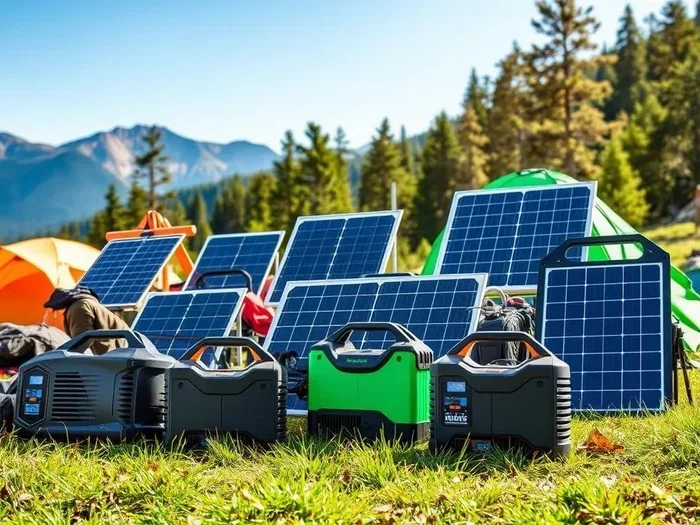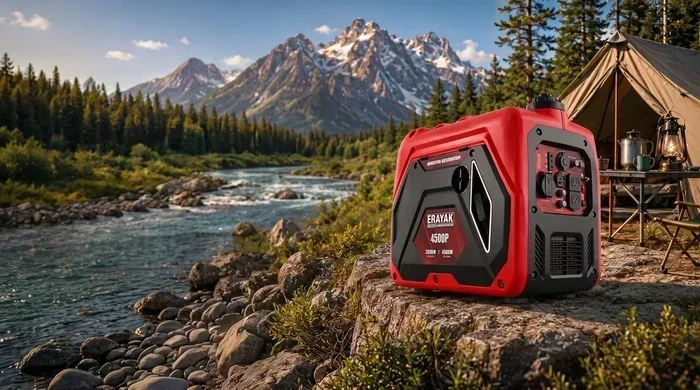
Outdoor Generator Guide Everything You Need to Know
An outdoor generator keeps your home and devices running when the power goes out or when you are off the grid. This guide walks you through everything from choosing the right size to picking the best fuel type. You will learn practical tips, common mistakes to avoid, and expert-backed advice for safe, efficient generator use.
Key Takeaways
- Right-sizing matters: Matching your generator wattage to your needs prevents overload and saves fuel.
- Fuel choice affects everything: Gas, propane, and dual-fuel options each have pros and cons for outdoor use.
- Safety comes first: Always run generators outdoors and follow carbon monoxide and electrical safety rules.
- Maintenance extends lifespan: Regular oil changes, filter swaps, and fuel stabilizers keep your unit running for years.
- Noise levels vary widely: Inverter generators are much quieter than conventional models for outdoor living.
- Runtime depends on load and fuel tank size: Knowing your expected usage helps you pick the right model.
📑 Table of Contents
- What Is an Outdoor Generator and Why Do You Need One?
- Types of Outdoor Generators
- How to Size an Outdoor Generator
- Fuel Options for Outdoor Generators
- Safety Tips for Using an Outdoor Generator
- Maintenance Tips to Keep Your Generator Running
- Generator Runtime and Efficiency
- Common Mistakes People Make With Outdoor Generators
- Expert Insights on Choosing the Right Outdoor Generator
- Final Thoughts on Outdoor Generators
What Is an Outdoor Generator and Why Do You Need One?
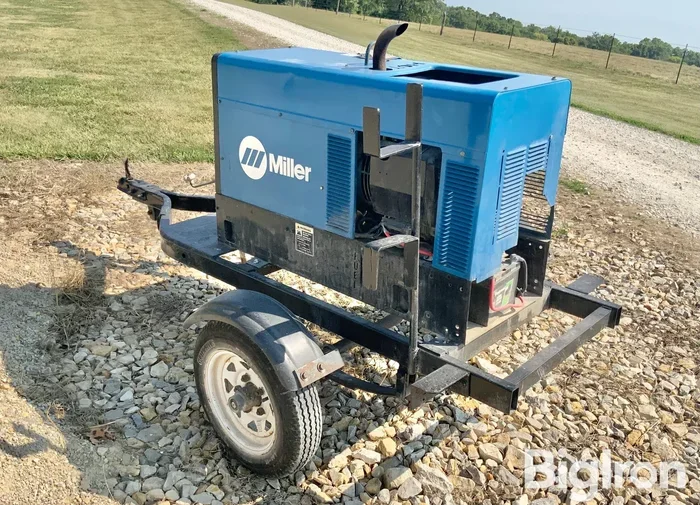
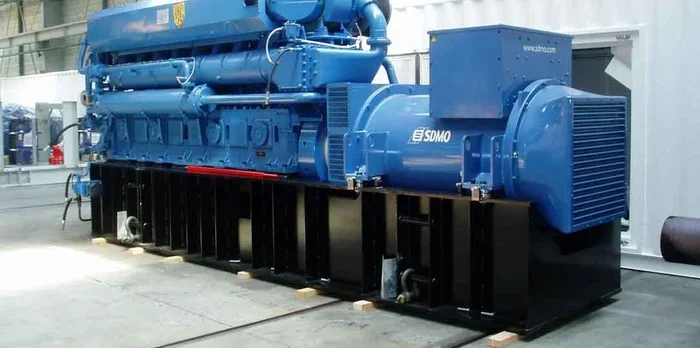
An outdoor generator is a portable or standby machine that produces electricity away from your home’s power grid. People use them for camping trips, tailgating parties, construction sites, and emergency backup during storms.
When the grid goes down, a portable power source becomes your best friend. Lights stay on. Refrigerators keep food cold. Phones and laptops stay charged. That is the real value of owning a reliable generator.
But not all generators are the same. Some run on gasoline. Others use propane or natural gas. Some are loud and bulky. Others whisper quietly while delivering steady power. This guide helps you sort through the options and find the right fit for your outdoor needs.
Whether you need backup power for a weekend outage or a quiet unit for camping trips, understanding the basics puts you ahead. Let us dive in.
Types of Outdoor Generators
Not all generators work the same way. Each type has a specific purpose and set of advantages. Here is a breakdown of the most common options you will encounter.
Conventional Generators
These are the traditional workhorses. They run on gasoline or propane and produce AC power directly. Conventional generators tend to be louder and heavier, but they deliver high wattage at a lower price point.
They work well for construction sites, RV trips, and situations where noise is not a big concern. If you need raw power and budget matters, a conventional unit is a solid starting point.
Inverter Generators
Inverter generators are the modern alternative. They produce clean, stable power that is safe for sensitive electronics like laptops and TVs. They are also significantly quieter than conventional models.
Many campers and RV owners prefer inverter units because they run smoothly and do not damage delicate devices. The trade-off is a higher price tag and usually lower maximum wattage.
Dual-Fuel and Tri-Fuel Generators
Dual-fuel generators can run on both gasoline and propane. Some models even accept natural gas, making them tri-fuel options. This flexibility is a huge advantage when fuel availability is uncertain during emergencies.
You get the convenience of switching fuels based on what is available or affordable. For outdoor enthusiasts who want versatility, a dual-fuel model is worth serious consideration.
How to Size an Outdoor Generator
Picking the right size is the most important decision you will make. A generator that is too small will overload. One that is too big wastes fuel and money. Here is how to get it right.
Calculate Your Wattage Needs
Start by listing every device you plan to power. Check the label on each one for its wattage. Add up the starting watts and running watts. This gives you your baseline requirement.
For example, a refrigerator needs about 2,000 starting watts and 700 running watts. A few lights and a phone charger add maybe 500 more watts. A small outdoor generator in the 3,000 to 4,000 watt range handles this easily.
If you want to run a furnace and refrigerator during an outage, check what size generator to run furnace and refrigerator for a detailed wattage breakdown.
Match Generator Size to Use Case
Different situations call for different sizes. Here is a quick reference:
- Camping and tailgating: 1,000 to 2,000 watts
- Home essentials during outage: 3,000 to 5,000 watts
- Job site tools: 5,000 to 7,500 watts
- Whole house backup: 7,500 to 15,000+ watts
Buying a unit that slightly exceeds your needs is smarter than falling short. A little extra capacity gives you room to add devices without straining the engine.
Fuel Options for Outdoor Generators
Fuel choice affects runtime, cost, storage, and environmental impact. Each option has its place depending on how and where you use your outdoor generator.
Gasoline
Gasoline is the most common fuel. It is easy to find at every gas station. Most portable generators run on regular unleaded gas.
The downside is shelf life. Gasoline degrades in about 30 days without a fuel stabilizer. This means you need to drain the tank or add stabilizer if you store the unit for long periods.
Propane
Propane has an almost unlimited shelf life. It burns cleaner than gasoline and produces fewer emissions. Many homeowners prefer propane for standby setups.
If you are curious about how much fuel your generator actually consumes, check how much propane does a 20kw generator use per hour for real-world usage data. Propane is also a great option if you want a quiet generator for overnight use.
Gasoline and Propane Hybrids
Dual-fuel models let you switch between gasoline and propane on the fly. This is incredibly useful during emergencies when one fuel might be scarce. You simply attach a propane tank and go.
Many modern dual-fuel units include an electric start feature, making them easy to fire up even in cold weather. The flexibility alone makes them a popular choice for outdoor enthusiasts and preppers alike.
Safety Tips for Using an Outdoor Generator
Generators are powerful machines, and they demand respect. Following safety rules keeps you and your family protected.
Never Run a Generator Indoors
This cannot be stressed enough. Generators produce carbon monoxide, an odorless, colorless gas that can be fatal within minutes. Always place your outdoor generator at least 20 feet away from doors, windows, and vents.
Even running it in a garage with the door open is dangerous. The exhaust can quickly fill enclosed spaces. Treat your generator like you would a running car engine.
Protect Against Electrical Hazards
Use heavy-duty outdoor extension cords rated for the wattage you are drawing. Never plug a generator directly into a wall outlet. This practice, known as backfeeding, is extremely dangerous and can electrocute utility workers.
If you want to connect your generator to your home’s electrical system, hire a licensed electrician to install a proper transfer switch. This is the safest and most legal way to power your house during an outage.
Store Fuel Safely
Keep gasoline in approved containers away from heat sources and living areas. If you plan to store fuel for months, use a fuel stabilizer to prevent degradation. Never add fuel to a running or hot generator.
For tips on fuel storage duration, read how long can you leave gas in a generator to avoid stale fuel problems.
Maintenance Tips to Keep Your Generator Running
A well-maintained generator lasts for years and performs reliably when you need it most. Neglect leads to breakdowns and expensive repairs.
Regular Oil Changes
Change the oil after the first 20 hours of use, then every 100 hours or at least once per season. Use the oil type recommended by the manufacturer. Fresh oil keeps the engine lubricated and cool.
Air Filter and Spark Plug Care
Check the air filter monthly during heavy use. A clogged filter reduces efficiency and can cause the engine to stall. Clean or replace it as needed.
The spark plug is another critical component. Inspect it for fouling or wear. A clean spark plug ensures reliable starts every time, especially in cold weather.
Fuel Stabilizer for Storage
If you do not use your generator regularly, add fuel stabilizer to the tank before storing. This prevents the gasoline from breaking down and clogging the carburetor. Run the engine for a few minutes after adding stabilizer to circulate the treated fuel through the system.
For long-term storage advice, visit how long can you leave gas in a generator for expert recommendations on fuel management.
Generator Runtime and Efficiency
Nobody wants their generator to die in the middle of a storm. Understanding runtime helps you choose a unit that lasts as long as you need it to.
Runtime depends on three factors: fuel tank size, load percentage, and fuel type. A generator running at 25% load will last much longer than one running at 75% load. Propane generators often outlast gasoline models on a per-gallon basis because propane burns more efficiently.
For whole-house backup, many homeowners look at models that can run 10 to 24 hours on a single tank. If you are wondering about the average cost of a reliable unit, check what s the average cost of a Generac generator for current pricing trends.
To maximize efficiency, avoid running unnecessary devices. Turn off lights and appliances you are not using. This reduces the load and extends your runtime significantly.
Common Mistakes People Make With Outdoor Generators
Avoiding these common errors saves money, time, and potentially lives.
- Undersizing the generator: This is the number one mistake. Running too many devices on a small unit causes overload and damages both the generator and your appliances.
- Ignoring the owner’s manual: Every generator has specific break-in procedures, oil types, and maintenance schedules. Skipping the manual leads to avoidable problems.
- Skipping oil changes: Dirty oil causes engine wear. It is cheap insurance against a costly breakdown.
- Running a generator in wet conditions: Water and electricity do not mix. Use a generator tent or cover designed for wet weather operation.
- Neglecting fuel maintenance: Stale fuel clogs carburetors and prevents starts. Always use fresh fuel or add stabilizer.
Expert Insights on Choosing the Right Outdoor Generator
Industry experts agree that the best generator is the one that matches your specific needs. There is no single “best” unit for everyone.
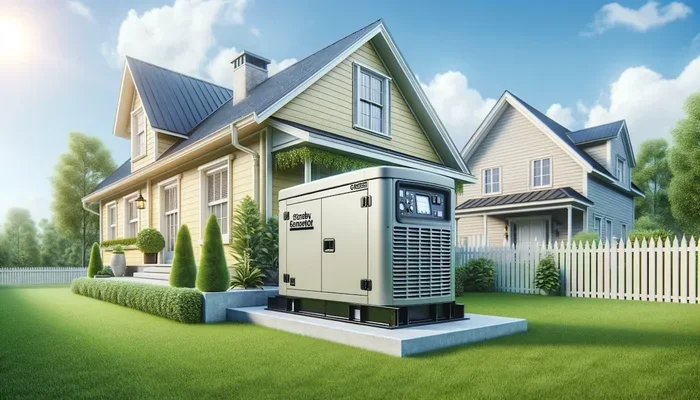
For homeowners looking for whole-house backup power, a stationary standby unit installed by a professional is the gold standard. Brands like Generac and Kohler dominate this space, and learning what powers a Generac home generator can help you understand the full scope of what these systems can handle.
For renters and campers, a portable inverter generator offers the best balance of portability, quiet operation, and clean power output. The Honda EU series and Yamaha EF series are consistently top-rated by outdoor enthusiasts.
One expert tip that many beginners overlook: always test your generator before you need it. Run it for 30 minutes every few months. This keeps the engine in good shape and ensures it starts immediately when an emergency strikes.
Final Thoughts on Outdoor Generators
An outdoor generator is one of the most practical investments you can make for your home or adventures. Whether you need portable power for a weekend camping trip or reliable backup power during a winter storm, the right unit makes all the difference.
Start by understanding your power needs. Choose the right fuel type. Follow safety rules religiously. Keep up with maintenance. These simple steps ensure your generator serves you well for years to come.
The world of generators can feel overwhelming at first, but it does not have to be. Use the tips in this guide to make a confident decision. Your future self, sitting in the dark while everyone else is in the dark too, will thank you.
Take action today. Research your options, compare models, and invest in a generator that gives you peace of mind no matter what the weather brings.
Frequently Asked Questions
What size outdoor generator do I need for a home outage?
For basic home essentials like lights, a refrigerator, and a furnace fan, a 3,000 to 5,000 watt outdoor generator usually works well. If you want to run more appliances, consider a 7,500 watt or larger unit. Always add up the wattage of the devices you plan to use before buying.
Can I run an outdoor generator in the rain?
No, you should never run a generator in heavy rain or standing water. Water can damage the unit and create serious electrical hazards. If you need power during wet weather, use a generator tent or weather cover designed for safe ventilation.
How long does a portable generator last?
A well-maintained portable generator can last 10 to 20 years or more. Regular oil changes, spark plug replacements, and proper fuel storage are the key factors. Run the unit periodically to keep internal components in good working order.
Is propane or gasoline better for an outdoor generator?
It depends on your needs. Gasoline is more readily available and easier to store short-term. Propane has a longer shelf life, burns cleaner, and produces fewer emissions. Dual-fuel generators give you the best of both worlds.
What is the difference between an inverter generator and a conventional generator?
An inverter generator produces cleaner, more stable power that is safe for sensitive electronics. It is also quieter and more fuel-efficient. Conventional generators are louder, heavier, and better suited for high-wattage tools and appliances where clean power is less critical.
How do I connect an outdoor generator to my house safely?
The safest method is to have a licensed electrician install a transfer switch. This prevents backfeeding, which is dangerous to utility workers. Never plug a generator directly into a wall outlet. For more details, check how to run generator to house for a step-by-step safety guide.