How Much Is a New AC Compressor and What Affects the Price
The cost of a new AC compressor typically ranges from $1,000 to $3,500 for the unit alone, with total installation costs falling between $3,500 and $7,500. Several key factors influence the final price, including the type of compressor, the size of your system, brand, labor rates, and regional pricing. Understanding these variables helps you budget wisely and avoid overpaying for your AC compressor replacement.
Your air conditioning system works hard to keep your home cool, and at the heart of that system sits the compressor. When it fails, the question on every homeowner’s mind is the same: how much is a new AC compressor, and what drives that number up or down?
The answer is not as simple as picking a price off a shelf. Many moving parts determine the final cost. The compressor unit itself, the brand you choose, the labor required for installation, and even your geographic location all play a role. This guide breaks down every factor so you know exactly what to expect before spending a single dollar.
Whether you are dealing with a sudden breakdown or planning ahead for a future replacement, understanding the costs involved puts you in a much stronger position. You will avoid surprise bills, make smarter decisions, and feel confident when talking to contractors.
Key Takeaways
- AC compressor costs vary widely: The unit alone runs $1,000 to $3,500, while full installation ranges from $3,500 to $7,500.
- Compressor type matters: Scroll, reciprocating, and rotary compressors each carry different price tags and performance levels.
- Brand and warranty affect cost: Premium brands like Carrier and Trane cost more but often last longer and come with better warranties.
- Labor adds significantly to the bill: Installation typically costs $1,500 to $3,000 depending on complexity and local rates.
- Repair vs. replace decisions save money: Sometimes repairing a compressor is cheaper than replacing it, especially if the unit is under warranty.
- Getting multiple quotes is essential: Always compare at least three contractor estimates before committing to a replacement.
📑 Table of Contents
- Understanding What an AC Compressor Does
- How Much Is a New AC Compressor: Price Breakdown
- Factors That Affect the Price of a New AC Compressor
- Repair vs Replace: Making the Right Decision
- How to Save Money on AC Compressor Replacement
- What to Expect During the Installation Process
- Can You Run Your AC on a Generator During Compressor Replacement?
- Common Mistakes to Avoid When Replacing an AC Compressor
- Expert Insights: What HVAC Professionals Want You to Know
- How Long Does a New AC Compressor Last?
- How Much Is a New AC Compressor: Final Thoughts
Understanding What an AC Compressor Does
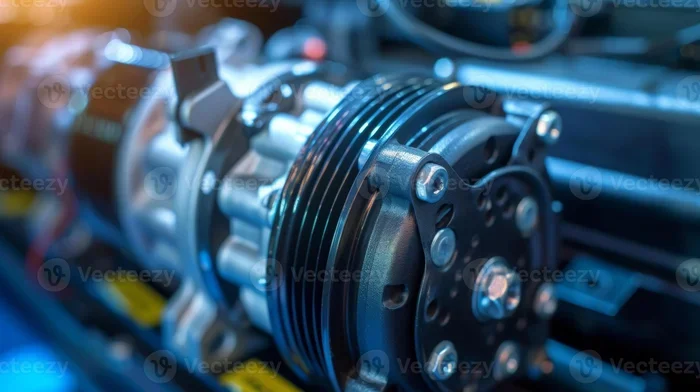
The AC compressor is often called the heart of your air conditioning system. It pumps refrigerant through the coils, enabling heat exchange that cools your home. Without a working compressor, your entire air conditioning system stops producing cold air.
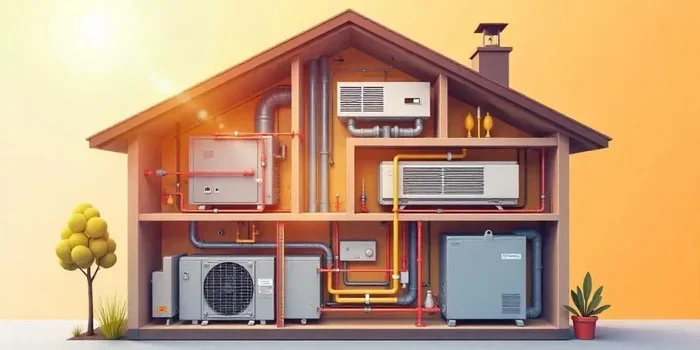
How the Compressor Fits Into Your HVAC System
Your HVAC system has several major components. The evaporator coil absorbs heat indoors. The condenser coil releases that heat outside. But the compressor is what moves the refrigerant between these two coils. It pressurizes the gas, raising its temperature, and sends it through the system in a continuous loop.
When the compressor fails, this loop breaks. Your home gets warm, your energy bills may spike if the system struggles, and comfort drops fast. That is why replacing a bad compressor quickly matters, especially during hot summer months.
Common Signs Your Compressor Is Failing
Spotting compressor problems early can save you from a full system breakdown. Watch for these warning signs:
- Warm air blowing from vents even when the AC is running
- Loud or unusual noises coming from the outdoor unit
- Frequent tripping of the circuit breaker
- Ice buildup on the refrigerant lines
- Reduced cooling performance over time
- Higher energy bills without a clear reason
If you notice any of these symptoms, call a licensed HVAC technician right away. Early diagnosis can sometimes mean a cheaper repair instead of a full AC compressor replacement.
How Much Is a New AC Compressor: Price Breakdown
The price of a new AC compressor depends on several layers. Let us walk through each one so you understand where your money goes.
Compressor Unit Cost Alone
The compressor unit by itself typically costs between $1,000 and $3,500. This wide range exists because compressors come in different sizes, types, and efficiency ratings. A basic single-stage compressor for a smaller home will land on the lower end. A two-stage or variable-speed compressor for a larger home will cost considerably more.
Here is a rough breakdown by compressor type:
- Reciprocating compressors: $1,000 to $2,000. These are common in residential systems and offer reliable performance.
- Scroll compressors: $1,500 to $3,000. They run quieter and smoother, which is why many modern systems use them.
- Rotary compressors: $2,000 to $3,500. These are often found in high-efficiency systems and commercial setups.
Installation Labor Costs
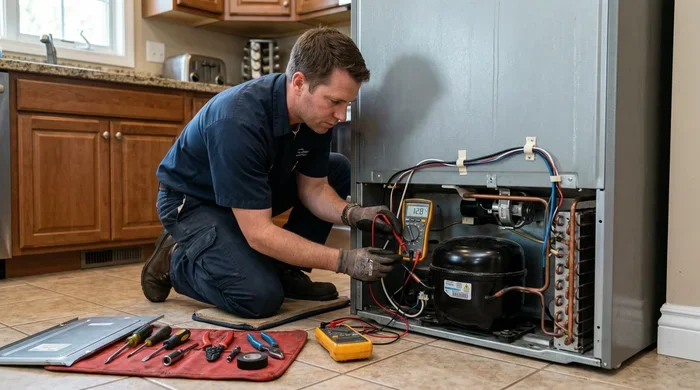
Labor is where the total bill climbs quickly. Replacing an AC compressor is not a simple swap-and-go job. Technicians must recover the old refrigerant, remove the old unit, install the new one, recharge the system with refrigerant, and test everything for leaks and proper operation.
Labor costs typically range from $1,500 to $3,000. Complex installations, such as those requiring refrigerant line upgrades or electrical panel modifications, push the labor cost higher. If your technician discovers additional issues during the process, that adds more to the final bill.
Total Replacement Cost
When you combine the compressor unit and labor, the total cost of replacing an AC compressor usually falls between $3,500 and $7,500. Here is a quick comparison of what drives the price up or down:
| Factor | Lower End Cost | Higher End Cost |
|---|---|---|
| Compressor Type | Reciprocating ($1,000) | Rotary ($3,500) |
| Home Size | Small home (under 1,500 sq ft) | Large home (over 3,000 sq ft) |
| Labor Complexity | Straightforward replacement | Requires line set or electrical upgrades |
| Geographic Location | Rural or low-cost area | Urban or high-cost metro area |
| Brand | Budget-friendly brands | Premium brands like Carrier or Trane |
Factors That Affect the Price of a New AC Compressor
Not all compressor replacements cost the same. Several specific factors influence the final number you will pay. Understanding these helps you anticipate costs and have informed conversations with contractors.
Type and Size of Your HVAC System
The size of your air conditioning system directly impacts the compressor price. Larger homes need bigger compressors with higher tonnage ratings. A two-ton system for a small home uses a smaller, less expensive compressor than a five-ton system for a large open-plan house.
Additionally, the type of system matters. Central air conditioning systems use different compressors than ductless mini-split systems. Heat pump systems also have specific compressor requirements that can affect pricing.
Brand and Manufacturer
Brand reputation plays a big role in compressor pricing. Well-known brands like Carrier, Trane, Lennox, and Rheem command higher prices. But they also tend to offer better durability, efficiency, and warranty coverage.
Budget brands may save you money upfront, but they sometimes come with shorter lifespans and fewer warranty protections. When weighing costs, consider the long-term value, not just the initial price tag.
SEER Rating and Energy Efficiency
The Seasonal Energy Efficiency Ratio, or SEER rating, measures how efficiently your AC system operates. Higher SEER-rated compressors cost more initially but save money on energy bills over time. If your current system is over 10 years old, upgrading to a higher SEER compressor can cut cooling costs by 20 to 40 percent.
Many regions now require a minimum SEER rating of 14 or 15 for new installations. Check your local building codes before purchasing a compressor to avoid compliance issues.
Refrigerant Type and Compliance
The type of refrigerant your system uses also affects the compressor price. Older systems may use R-22 refrigerant, which has been phased out due to environmental regulations. R-22 refrigerant is now very expensive and hard to find, which drives up the cost of servicing or replacing compressors in older units.
Newer systems use R-410A or R-32 refrigerant, which are more environmentally friendly and widely available. If you are replacing a compressor in an older system, your technician may recommend upgrading to a newer refrigerant-compatible unit for long-term savings.
Geographic Location and Local Labor Rates
Where you live has a real impact on the final cost. HVAC labor rates in major cities like New York or Los Angeles are significantly higher than in rural areas or smaller towns. The cost of living, local competition among contractors, and regional demand all factor in.
Getting quotes from local contractors gives you the most accurate picture of what a compressor replacement will cost in your specific area.
Warranty Coverage and Protection Plans
A good warranty can offset the upfront cost of a new compressor. Many reputable brands offer compressor warranties that last 10 to 15 years. Some extended protection plans cover parts and labor, which saves you money if something goes wrong during the warranty period.
Always ask about warranty terms before you sign any agreement. A longer warranty period often means the manufacturer stands behind the quality of their product, which gives you peace of mind.
Repair vs Replace: Making the Right Decision
When your compressor starts acting up, the first question is whether to repair or replace. This decision can save you thousands of dollars if you get it right.
When Repair Makes Sense
Repairing a compressor is usually the better choice when:
- The repair cost is less than half the price of a full replacement
- Your system is less than 10 years old
- The issue is minor, such as a faulty relay or capacitor
- The compressor is still under warranty
- Your system uses an efficient refrigerant and meets current SEER standards
In these cases, a repair extends the life of your system without the major expense of a full compressor swap.
When Replacement Is the Better Option
Replacement becomes the smarter choice when:
- The compressor has completely seized or suffered internal damage
- Your system is over 15 years old and nearing the end of its lifespan
- Repair costs exceed 50 percent of the replacement cost
- Your system uses outdated refrigerant that is no longer available
- You want to upgrade to a more energy-efficient model
Sometimes, replacing the entire outdoor unit alongside the compressor makes more financial sense than replacing just the compressor. This is especially true if your condenser unit is also aging and may need replacement soon.
How to Save Money on AC Compressor Replacement
Nobody wants to overspend on an AC compressor replacement. Fortunately, there are practical steps you can take to keep costs manageable without sacrificing quality.
Get Multiple Quotes
Always request at least three detailed quotes from licensed HVAC contractors. Compare not just the total price, but also what is included in each estimate. Some quotes cover the compressor unit and labor, while others itemize refrigerant, line sets, and permits separately.
Time Your Replacement Strategically
HVAC contractors are busiest during the summer cooling season. Scheduling your compressor replacement in the spring or fall can sometimes get you a lower labor rate. Contractors have more availability and may offer seasonal discounts during their slower months.
Check for Rebates and Incentives
Many utility companies and government programs offer rebates for upgrading to high-efficiency AC systems. These rebates can offset a significant portion of the replacement cost. Check with your local utility provider and the Database of State Incentives for Renewables and Efficiency to find available programs in your area.
Consider a Maintenance Plan
Regular maintenance keeps your compressor healthy and can prevent unexpected failures. Many HVAC companies offer annual maintenance plans that include tune-ups, cleaning, and priority service. Investing in a maintenance plan can extend the life of your compressor and reduce the likelihood of costly emergency replacements.
What to Expect During the Installation Process
Knowing what happens during a compressor installation helps you feel prepared and confident. Here is a step-by-step look at the typical process.
- System assessment: The technician evaluates your entire HVAC system, checks refrigerant levels, and confirms the compressor needs replacement.
- Refrigerant recovery: The old refrigerant is safely recovered and stored according to environmental regulations.
- Old compressor removal: The failed compressor is disconnected and removed from the outdoor unit.
- New compressor installation: The new compressor is mounted, connected to refrigerant lines, and secured in place.
- System recharge: The technician recharges the system with the correct amount of new refrigerant.
- Testing and verification: The system is powered on, tested for proper operation, and checked for refrigerant leaks.
A professional installation typically takes between four and eight hours, depending on the complexity of the job. Your technician should walk you through the process and answer any questions before they leave.
Can You Run Your AC on a Generator During Compressor Replacement?
While your AC system is down waiting for a new compressor, you might wonder about temporary cooling solutions. A portable generator or a whole-home backup generator can keep your space comfortable during the wait.
If you already own a home generator, you need to make sure it has enough wattage to handle your AC unit. Running a central air conditioner typically requires a generator with at least 5,000 to 7,000 watts, depending on the size of your system. Check out our guide on how many watt generator to run a house to find the right match for your cooling needs.
For those considering a new generator, the cost of a home generator varies based on size and type. Portable generators are more affordable, while standby generators provide whole-home backup but come at a higher price point. Learn more about how much a home generator costs to plan your backup power budget.
If you already have a generator but have not connected it to your home yet, you might wonder about the setup process. You can connect a generator to your house safely with the right equipment and precautions, though using a transfer switch is always the recommended approach for safety and code compliance.
Also, keep in mind that running your AC on a generator increases fuel consumption. If you use propane, understanding how much fuel your generator uses helps you plan for extended cooling periods. Visit our page on how much propane a generator uses for detailed fuel consumption estimates.
Common Mistakes to Avoid When Replacing an AC Compressor
Avoiding these common pitfalls can save you time, money, and headaches during the compressor replacement process.
- Choosing the cheapest option: The lowest-priced compressor may not be the best long-term value. Quality and durability matter more than saving a few hundred dollars upfront.
- Skipping the full system inspection: A failing compressor sometimes signals deeper issues in the system. Replacing only the compressor without checking the rest can lead to repeat failures.
- Ignoring warranty terms: Many compressor warranties require professional installation. DIY replacements often void the warranty entirely.
- Not getting everything in writing: Always get a detailed written estimate that includes parts, labor, refrigerant, and any additional charges. Verbal agreements are easy to forget and hard to enforce.
- Delaying the replacement: Running your AC with a failing compressor causes further damage and increases the final repair bill. Address compressor problems promptly.
Expert Insights: What HVAC Professionals Want You to Know
We spoke with licensed HVAC technicians about what homeowners should know before replacing a compressor. Here is what the experts had to say.
“The biggest mistake homeowners make is waiting too long after a compressor failure,” says one experienced technician. “The longer you run a damaged compressor, the more damage it causes to the rest of the system. That can turn a $4,000 compressor replacement into a $7,000 full system replacement.”
Another expert emphasizes the importance of matching the new compressor to your existing system. “You cannot just swap any compressor into any unit. The size, refrigerant type, and electrical specifications all need to match. A mismatched compressor will underperform and waste energy.”
Finally, professionals recommend viewing the compressor as part of a system, not an isolated component. “When the compressor goes, look at the whole picture. Sometimes replacing the entire outdoor unit makes more financial and practical sense than replacing just the compressor inside it.”
How Long Does a New AC Compressor Last?
A properly installed and maintained AC compressor typically lasts between 12 and 20 years. However, several factors influence this lifespan:
- Regular maintenance: Annual tune-ups and filter changes keep the compressor running smoothly and extend its life significantly.
- System usage: Homes in extremely hot climates put more strain on the compressor, which can shorten its lifespan.
- Installation quality: A professional installation following manufacturer guidelines ensures the compressor operates at peak efficiency from day one.
- Refrigerant charge: An improperly charged system forces the compressor to work harder, leading to premature wear and failure.
Investing in a maintenance plan and addressing small issues quickly gives your new compressor the best chance of reaching the upper end of its expected lifespan.
How Much Is a New AC Compressor: Final Thoughts
The cost of a new AC compressor is a significant home investment, but understanding the price factors puts you in control. From the type of compressor and brand you choose, to labor costs and warranty coverage, every decision you make shapes the final number.
The average homeowner should budget between $3,500 and $7,500 for a complete compressor replacement, including the unit and professional installation. Get multiple quotes, ask about warranty options, and never rush into a decision without understanding what is included in each estimate.
Your AC compressor is the engine of your cooling system. Treating it with care, addressing problems early, and investing in quality replacement when needed keeps your home comfortable for years to come. Stay proactive, stay informed, and your air conditioning system will reward you with reliable performance season after season.
Frequently Asked Questions
How much does it cost to replace an AC compressor?
The total cost to replace an AC compressor typically ranges from $3,500 to $7,500. This includes the compressor unit, which costs $1,000 to $3,500, plus labor charges of $1,500 to $3,000. The final price depends on your system size, brand choice, and local labor rates.
Is it cheaper to repair or replace an AC compressor?
Repairing a compressor is usually cheaper if the repair cost is less than half the replacement cost and the system is relatively new. However, if the compressor has suffered severe internal damage or the system is over 15 years old, full replacement is often the smarter financial choice.
How long does AC compressor installation take?
A professional AC compressor installation typically takes between four and eight hours. The exact time depends on the complexity of the job, whether refrigerant lines need upgrading, and if any electrical modifications are required. Your technician should give you a clear timeline before starting the work.
Can I replace just the compressor without replacing the whole AC unit?
Yes, in many cases you can replace just the compressor. However, this only makes sense if the rest of the outdoor unit is in good condition and matches the new compressor’s specifications. If the condenser unit is also aging, replacing the entire outdoor unit may be more cost-effective.
Does homeowner insurance cover AC compressor replacement?
Most homeowner insurance policies do not cover AC compressor replacement due to normal wear and tear. However, if the failure was caused by a covered peril, such as a lightning strike or power surge, the insurance may cover the cost. Always check your specific policy details and contact your insurance provider for clarification.
How can I reduce the cost of AC compressor replacement?
You can reduce costs by getting multiple quotes, scheduling the replacement during the off-season, checking for utility rebates on high-efficiency systems, and maintaining your HVAC system regularly to prevent premature compressor failure. Choosing a reputable contractor who offers transparent pricing also helps avoid hidden fees.