AC Generators Explained Everything You Need to Know
An AC generator converts mechanical energy into alternating current electricity, making it essential for backup power and off-grid living. This guide covers how AC generators work, the different types available, how to size one for your home, and expert tips for maintenance and safety. Whether you need a portable unit or a whole-house standby system, you will find practical advice here.
Key Takeaways
- AC generators produce alternating current by rotating a magnetic field inside copper coils, creating a steady flow of electricity.
- Portable, standby, and inverter generators each serve different needs, from camping trips to full-home backup power.
- Proper sizing is critical — matching your generator’s wattage to your actual power needs prevents overload and saves fuel.
- Regular maintenance like oil changes, filter replacements, and load testing keeps your generator running reliably for years.
- Safety first — always follow manufacturer guidelines for ventilation, grounding, and fuel storage to avoid carbon monoxide risks.
- Fuel type matters — gasoline, propane, natural gas, and diesel each have pros and cons for cost, runtime, and availability.
- A whole-house generator can last 20 to 40 years with proper care, making it a smart long-term investment.
📑 Table of Contents
- What Is an AC Generator and How Does It Work?
- Types of AC Generators You Should Know About
- How to Size an AC Generator for Your Home
- AC Generator Maintenance Tips for Longevity
- Safety Considerations for AC Generator Use
- Common Mistakes People Make with AC Generators
- How Much Does an AC Generator Cost?
- Final Thoughts
What Is an AC Generator and How Does It Work?
An AC generator is a machine that turns mechanical energy into electrical energy in the form of alternating current. You might also hear people call it an alternator. The basic idea is simple. A magnet spins inside a set of copper coils. That movement pushes electrons through the wire. The result is electricity that flows back and forth in a regular pattern.
Think of it like pedaling a bicycle generator light. Your legs provide the mechanical force. The wheel spins a small magnet. The magnet creates an electrical current that lights up the bulb. An AC generator works on the exact same principle, just on a much bigger scale.
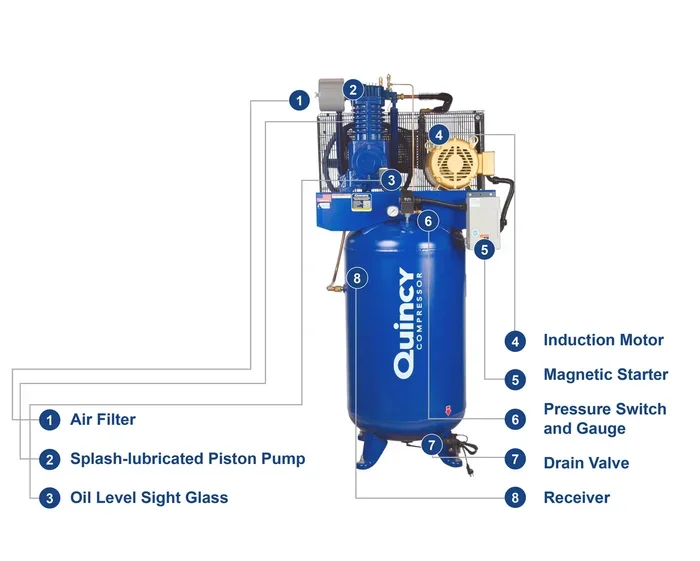
Inside every AC generator, you will find a few key parts. The rotor is the spinning part. The stator is the stationary part that holds the coils. There is also a voltage regulator that keeps the output steady. Together, these components produce clean, reliable power.
Most homes and businesses run on AC power. That is why AC generators are so popular for backup electricity. They produce the same type of current that comes from the utility grid. This makes them a natural fit for powering household appliances, tools, and electronics.
The Science Behind AC Power Generation
Here is how the process works step by step. First, an external source of energy spins the rotor. That energy can come from a gasoline engine, a diesel motor, a propane burner, or even wind and water. Second, the rotor spins a magnetic field inside the stator coils. Third, the changing magnetic field induces an electrical voltage in the wire. Fourth, the voltage pushes current through the circuit.
The direction of the current switches back and forth as the rotor turns. This is what makes it “alternating” current. In the United States, the current switches direction 60 times per second. That is 60 hertz. Many other countries use 50 hertz. The frequency depends on the generator design and the local power standard.
AC generator output is measured in watts or kilowatts. A small portable unit might produce 2,000 to 7,000 watts. A large standby system can deliver 20,000 watts or more. The higher the wattage, the more devices and appliances you can run at once.
Types of AC Generators You Should Know About
Not all generators are the same. Different types serve different purposes. Understanding the main categories helps you choose the right one for your situation. Below are the most common types of AC generators available today.
Portable Generators
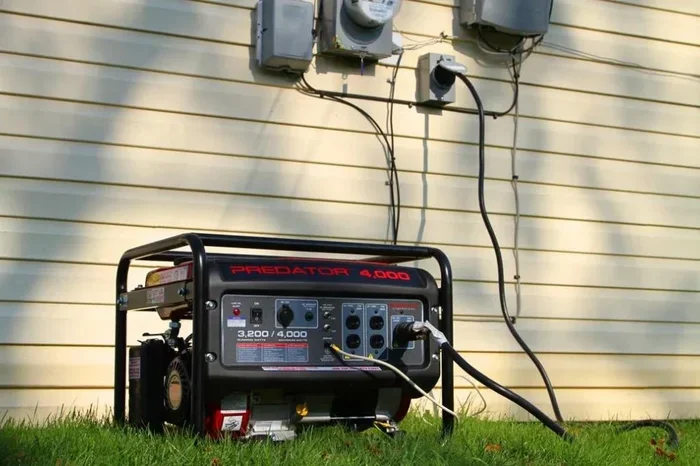
Portable generators are the most affordable option for many people. They run on gasoline or propane. You can wheel them to a campsite, a construction site, or use them during a power outage. Most portable units produce between 1,000 and 10,000 watts. They are great for running a few essentials like lights, a refrigerator, and a phone charger.
The downside is that portable generators need manual setup. You have to start them by pull cord or electric start. You also need to refuel them periodically. A typical portable unit runs for 6 to 10 hours on a full tank of gas. They are also noisier than larger standby systems.
Standby Generators
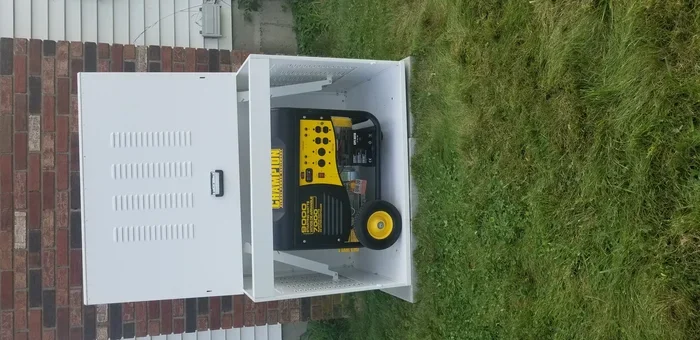
A standby generator is a permanent installation. It sits outside your home like a central air conditioner. When the power goes out, the generator detects the outage and starts automatically. Within seconds, it kicks on and restores power to your home. You do not need to lift a finger.
Standby units run on natural gas or propane. They connect directly to your home’s fuel line. This means you never need to refuel manually. A typical standby system produces between 7,000 and 24,000 watts. Some models go even higher for larger homes.
What powers a Generac home generator? Most models use natural gas or liquid propane. Some can run on both fuels with a dual-fuel setup. Generac is one of the most trusted brands in the standby generator market. If you are considering a whole-house backup system, a Generac unit is a popular choice.
Inverter Generators
Inverter generators are a newer type of portable unit. They produce AC power first, then convert it to DC, and then back to clean AC. This process smooths out the electrical output. The result is very stable power that is safe for sensitive electronics like laptops and smartphones.
Inverter generators are also much quieter than conventional portable units. They adjust their engine speed based on the load. When you only need 25% power, the engine runs at 25% speed. This saves fuel and reduces noise. They are ideal for camping, RV trips, and outdoor events.
Diesel Generators
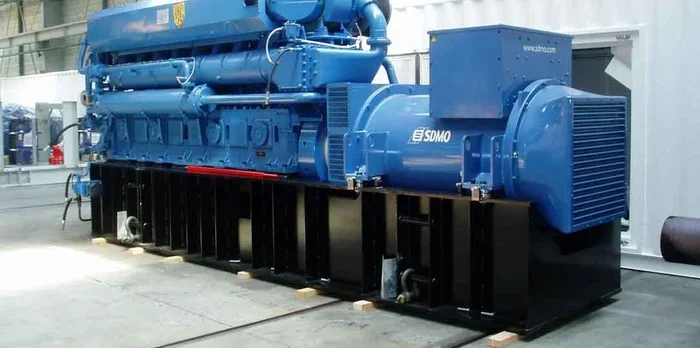
Diesel generators are built for heavy-duty use. They are common on job sites, in hospitals, and at data centers. Diesel fuel is energy-dense, so these units have long runtimes. They are also very durable and can last for thousands of hours with proper care. However, they tend to be louder and more expensive than gasoline models.
How to Size an AC Generator for Your Home
Sizing is one of the most important decisions you will make. A generator that is too small will overload and shut down. A generator that is too big wastes money and fuel. The goal is to find the sweet spot that meets your needs without overspending.
Step 1: List Your Essential Appliances
Start by writing down the items you want to keep running during a power outage. Common essentials include:
- Refrigerator (startup wattage around 1,200 to 2,200 watts)
- Freezer (startup wattage around 1,000 to 2,000 watts)
- Lights (100 to 300 watts per fixture)
- Sump pump (1,000 to 2,000 watts)
- Furnace blower (often 400 to 600 watts, but check your model)
- Window AC unit (1,000 to 2,000 watts)
- Phone and laptop chargers (10 to 100 watts each)
Add up the running wattage for all items. Then add the startup wattage for any motor-driven appliances. This total gives you your minimum wattage requirement.
Step 2: Consider Your Fuel Options
Different fuel types have different advantages. Gasoline is widely available but has a short shelf life. Propane stores indefinitely and burns cleanly. Natural gas connects to your utility line and never runs out. What size generator to run furnace and refrigerator depends on the specific models you own, but a 5,000 to 7,000-watt unit handles most essential circuits.
Step 3: Think About Runtime
How long do you need the generator to run? If you only need a few hours during occasional outages, a smaller portable unit works fine. If you live in an area prone to long blackouts, a larger standby system with a continuous fuel supply is better. How long does a whole house generator last depends on the brand, model, and maintenance schedule, but many units are rated for 3,000 or more runtime hours over their lifespan.
Quick Sizing Reference
Here is a simple guide to help you estimate the right size.
- Small (2,000 to 4,000 watts): Lights, phone charging, small refrigerator, and a few electronics.
- Medium (5,000 to 8,000 watts): Adds a sump pump, window AC unit, and microwave.
- Large (10,000 to 15,000 watts): Can run most of a home including central AC and electric water heater.
- Extra Large (15,000 to 30,000+ watts): Powers an entire home including well pumps, electric stoves, and multiple HVAC systems.
AC Generator Maintenance Tips for Longevity
A generator is an investment. Like any investment, it needs care to perform well. Regular maintenance extends the life of your unit and ensures it starts when you need it most. Follow these tips to keep your AC generator in top shape.
Change the Oil Regularly
Most manufacturers recommend an oil change after the first 20 to 30 hours of use. After that, change the oil every 100 hours or at least once per season. Use the oil grade recommended in your owner’s manual. Fresh oil keeps the engine lubricated and prevents wear.
Replace the Air Filter
A dirty air filter restricts airflow to the engine. This reduces performance and increases fuel consumption. Check the air filter every 50 hours. Clean or replace it as needed. If you use your generator in dusty environments, you may need to check it more often.
Inspect the Spark Plug
The spark plug ignites the fuel-air mixture in the engine. A worn spark plug causes rough running, poor fuel economy, and hard starts. Inspect the spark plug every 100 hours. Clean the electrode with a wire brush. Replace it if the electrode is worn or fouled.
Run the Generator Under Load Monthly
Letting a generator sit idle for months can cause fuel system problems. Gasoline can go stale and gum up the carburetor. Run your generator under at least 50% load for 15 to 30 minutes once a month. This keeps the engine exercised and the fuel system clean.
Store Fuel Properly
If you store gasoline for your generator, use a fuel stabilizer. Stabilized gasoline can last up to 12 months. Without stabilizer, gasoline can go bad in as little as 30 days. Always store fuel in an approved container in a cool, well-ventilated area away from the generator.
Check the Battery
Standby generators use a battery to start automatically. Over time, the battery can lose its charge. Test the battery voltage monthly. Replace it if the voltage drops below the manufacturer’s recommended level. A dead battery means your generator will not start during an outage.
Safety Considerations for AC Generator Use
Generators are powerful tools, but they can be dangerous if used incorrectly. Carbon monoxide poisoning, electrical shock, and fire are real risks. Taking proper precautions keeps you and your family safe.
Never Run a Generator Indoors
Gasoline and propane generators produce carbon monoxide. This is an odorless, colorless gas that can be fatal within minutes. Always run your generator outside, at least 20 feet from your home. Point the exhaust away from windows, doors, and vents. Never place a generator in a garage, even with the door open.
Use Proper Extension Cords
If you plug devices directly into a portable generator, use heavy-duty outdoor extension cords. Check the cord rating to make sure it can handle the wattage. A cord that is too thin can overheat and start a fire. Never run cords through doorways or windows where they can be pinched.
Install a Transfer Switch
A transfer switch connects your generator to your home’s electrical panel safely. It prevents backfeeding, which is when electricity flows back into the utility lines. Backfeeding can electrocute utility workers and damage your generator. A licensed electrician should install the transfer switch.
Fuel Safety
Always turn off the generator and let it cool before refueling. Spilled gasoline on hot engine parts can ignite. Store fuel containers away from the generator and any heat sources. Keep a fire extinguisher nearby when operating your generator.
Grounding and Electrical Safety
Proper grounding prevents electrical shock. Follow the manufacturer’s grounding instructions. If you are unsure, hire a licensed electrician to inspect your setup. Never connect a generator directly to a wall outlet. This is extremely dangerous and often violates local electrical codes.
Common Mistakes People Make with AC Generators
Even experienced users make mistakes. Avoiding these common errors saves money, prevents damage, and keeps you safe.
Mistake 1: Undersizing the generator. Many people buy a generator based on the lowest price rather than their actual power needs. This leads to overloads, tripped breakers, and damaged appliances. Always calculate your total wattage before purchasing.
Mistake 2: Ignoring maintenance. A generator that sits unused and unmaintained will fail when you need it most. Stick to the maintenance schedule in the owner’s manual. Regular oil changes, filter replacements, and load tests make a big difference.
Mistake 3: Overloading the generator. Plugging in too many devices at once can trip the generator’s breaker or damage its engine. Prioritize essential loads and add devices one at a time.
Mistake 4: Neglecting fuel quality. Old or contaminated fuel causes starting problems and poor performance. Use fresh gasoline and add stabilizer if you store fuel for more than 30 days.
Mistake 5: Skipping the transfer switch. Some people try to save money by plugging a generator directly into a wall outlet. This is illegal in many areas and extremely dangerous. Always use a proper transfer switch installed by a qualified electrician.
Mistake 6: Not reading the manual. Every generator is different. The owner’s manual contains specific instructions for operation, maintenance, and safety. Skipping it can void your warranty and lead to expensive repairs.
How Much Does an AC Generator Cost?
The price of an AC generator varies widely based on type, size, and brand. Here is a general price range to help you budget.
- Portable gasoline generators: $500 to $2,000
- Inverter generators: $800 to $3,000
- Standby generators (natural gas/propane): $2,000 to $10,000+
- Diesel generators: $3,000 to $15,000+
Installation costs for standby generators add another $500 to $2,000 depending on electrical and fuel line work. The average cost of a Generac generator falls in the mid-range for standby systems, typically between $3,000 and $6,000 installed.
While the upfront cost can seem high, consider the value of having backup power. A generator keeps your food cold, your home warm or cool, and your electronics running. For many homeowners, the peace of mind is well worth the investment.
Final Thoughts
An AC generator is one of the most useful tools a homeowner can own. Whether you need a small portable unit for camping or a large standby system for whole-home backup, understanding how generators work helps you make a smart choice. Size your unit correctly, maintain it regularly, and always follow safety guidelines.
The right generator keeps your lights on, your food cold, and your family comfortable no matter what. Take the time to research your options and invest in a quality unit from a trusted brand. Your future self will thank you when the next storm rolls in and the power goes out.
If you are still deciding on the best setup for your home, consider consulting a licensed electrician or a local generator specialist. They can assess your power needs and recommend the perfect system. With the right generator and proper care, you will have reliable backup power for many years to come.
Frequently Asked Questions
How does an AC generator produce electricity?
An AC generator produces electricity by spinning a magnetic field inside copper coils. This electromagnetic induction creates an alternating current that flows back and forth. The rotor turns inside the stator, which generates a steady voltage output that powers your home appliances and electronics.
What is the difference between an AC generator and a DC generator?
An AC generator produces alternating current, where the flow of electricity periodically reverses direction. A DC generator produces direct current, which flows in one direction only. AC generators are more common for home use because they are easier to step up or step down in voltage and are more efficient for long-distance power delivery.
How long can you run an AC generator continuously?
Most portable generators can run for 8 to 12 hours on a full tank. Standby generators can run continuously for days as long as they have a fuel supply. The runtime depends on the load, fuel type, and tank size. Always check the manufacturer’s specifications for your specific model.
Can I run a central air conditioner on a generator?
Yes, but you need a generator with enough starting and running wattage to handle the AC unit. Central AC units typically require 2,000 to 5,000 watts to start and 1,000 to 3,000 watts to run. A generator in the 5,000 to 8,000-watt range can usually handle a central AC along with other essentials.
What fuel is best for an AC generator?
The best fuel depends on your needs. Gasoline is widely available but has a short shelf life. Propane burns cleanly and stores indefinitely. Natural gas provides unlimited fuel through a utility line. Diesel is the most fuel-efficient option for heavy-duty use. Many homeowners choose dual-fuel or tri-fuel generators for flexibility.
How often should I service my AC generator?
Service your generator at least once per year, even if you rarely use it. This includes an oil change, air filter replacement, spark plug inspection, and a load test. If you use your generator frequently, follow the manufacturer’s recommended service intervals, which typically range from every 100 to 250 hours of operation.