Best Home Backup Generator For Power Outage Protection
A best home backup generator keeps your lights on, fridge running, and family safe during storms or blackouts. Whether you choose a standby system or a portable unit, the right home power backup solution depends on your budget, fuel type, and energy needs. In this guide, we break down everything from generator installation to long-term maintenance so you can make a smart, confident choice.
Key Takeaways
- Standby generators offer automatic protection: They kick on within seconds during an outage and can power your entire home without manual effort.
- Portable generators are budget-friendly: They cost less upfront but require manual setup and careful placement for safety.
- Fuel type matters: Natural gas, propane, and diesel each have pros and cons for long-term reliability.
- Proper sizing is critical: An undersized generator will overload; an oversized unit wastes fuel and money.
- Professional installation is strongly recommended: A licensed electrician ensures safe wiring, proper grounding, and code compliance.
- Regular maintenance keeps your generator ready: Oil changes, filter checks, and exercise cycles prevent failure when you need power most.
- Cost varies widely: Expect to spend between $2,000 and $15,000+ depending on the system, brand, and installation complexity.
📑 Table of Contents
- Why Every Home Needs a Backup Generator
- Types of Home Backup Generators
- How to Choose the Best Home Backup Generator for Your Needs
- Generator Installation and Safety Tips
- Maintenance Tips to Keep Your Generator Running
- Common Mistakes When Buying a Home Generator
- Best Home Backup Generator Brands to Consider
- Frequently Asked Questions
- Conclusion
Why Every Home Needs a Backup Generator
Power outages are more common than most people think. According to the Department of Energy, the average American experiences about 8 hours of power loss per year. That number is rising as extreme weather events increase across the country.
When the grid goes down, life can get uncomfortable fast. Your refrigerator stops working. The lights go dark. Your heating or cooling system shuts off. In winter, a prolonged outage can even become a dangerous situation for vulnerable family members.
This is exactly why having a best home backup generator is so important. It is not a luxury anymore. It is a practical necessity. A reliable home power backup system keeps your essential appliances running. It keeps your family safe. And it gives you peace of mind when storms roll in.
Whether you live in a storm-prone area or just want extra security, investing in a backup power solution makes sense. Let us explore your options.
Common Causes of Power Outages
Understanding why outages happen helps you prepare better. Here are the most common causes:
- Severe weather: Hurricanes, tornadoes, ice storms, and heavy snow frequently damage power lines and equipment.
- Tree falls: A single large tree branch can take out an entire neighborhood’s electricity.
- Equipment failure: Aging transformers and grid infrastructure sometimes fail unexpectedly.
- Animal interference: Birds, squirrels, and other animals cause more outages than you would believe.
- High demand: During heat waves or cold snaps, the grid can become overloaded.
Any of these can knock out power for hours or even days. A home generator ensures you are not caught off guard.
Types of Home Backup Generators
Not all generators are the same. There are three main categories you should understand before buying. Each type has its own strengths and ideal use cases.
Standby Generators
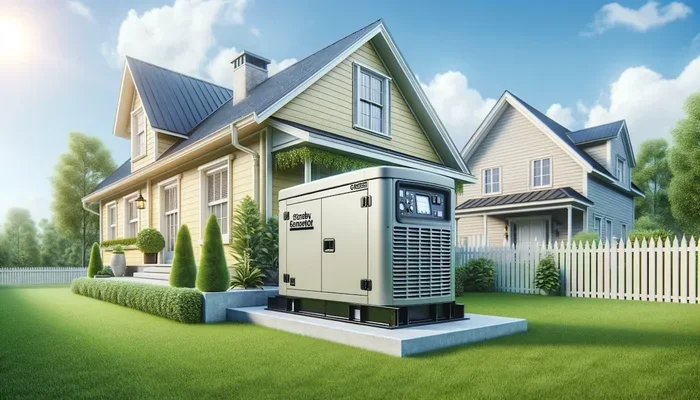
A standby generator is the gold standard for home backup power. These systems are permanently installed outside your home and connected directly to your electrical panel. They run on natural gas or propane.
Here is what makes them stand out:
- Automatic operation: When the power goes out, a standby unit detects the loss and starts within 10 to 30 seconds. You do not need to lift a finger.
- Whole-house coverage: These units can power every circuit in your home, from lights to HVAC to sump pumps.
- Continuous fuel supply: Since they connect to your gas line, they do not need manual refueling.
- Long lifespan: A well-maintained standby unit can run for 20 to 30 years. To learn more about what powers a Generac home generator specifically, check out this detailed breakdown of Generac systems.
Standby units are more expensive upfront. But they offer unmatched convenience and reliability. If you want the best home backup generator for total protection, this is the route to go.
Portable Generators
A portable generator is a smaller, movable unit that runs on gasoline or propane. It is perfect for budget-conscious homeowners or those who need temporary power.
Key features include:
- Lower cost: Portable units typically cost between $500 and $2,500.
- Easy to store: You can keep one in a garage or shed and bring it out when needed.
- Manual setup required: You need to start it yourself, connect it to your home, and refuel it periodically.
- Limited capacity: Most portable units can run a few essential appliances but not an entire house.
These are great for occasional use. But they do require more hands-on effort and careful safety handling.
Inverter Generators
An inverter generator is a refined version of a portable unit. It produces cleaner electricity, which is safer for sensitive electronics like laptops and phones.
Benefits include:
- Clean power output: Inverter generators produce stable current with minimal harmonic distortion.
- Quieter operation: Many run at 50 to 60 decibels, much quieter than conventional units.
- Fuel efficiency: They adjust engine speed to match the load, saving gas.
- Compact size: These are lightweight and easy to transport.
Inverter generators are ideal for powering electronics. But they usually lack the capacity to run heavy appliances like HVAC systems.
How to Choose the Best Home Backup Generator for Your Needs
Choosing the right unit depends on several factors. Let us walk through the most important ones so you can narrow your options.
Determine Your Power Needs
The first step is figuring out how much electricity you actually need. This is called your load capacity. A simple way to estimate it is by listing your essential appliances and their wattage.
Here is a quick example:
- Refrigerator: 700 watts
- Furnace: 500 to 1,500 watts
- Lights (10 bulbs): 300 watts
- Sump pump: 1,300 watts
- Phone charging: 25 watts
In this scenario, you would need at least a 3,000-watt unit. If you want to run larger appliances like a window air conditioner or well pump, you may need 5,000 to 10,000 watts or more.
To understand what it takes to run specific appliances together, you can reference sizing guides for running a furnace and refrigerator simultaneously. Getting this right prevents overload and ensures smooth operation.
Fuel Type Comparison
Your choice of fuel affects everything from cost to convenience. Here is a comparison table to help:
| Fuel Type | Pros | Cons |
|---|---|---|
| Natural Gas | Unlimited supply, clean burning, no refueling needed | Requires gas line connection, slightly higher install cost |
| Propane | Works anywhere, stores indefinitely, good for remote areas | Requires tank storage, needs refueling, lower fuel efficiency |
| Gasoline | Widely available, lower upfront cost for portable units | Shorter shelf life, flammable, needs manual refueling |
| Diesel | Very fuel-efficient, long engine life, good for large loads | Heavier, noisier, harder to store safely |
For most homeowners, natural gas or propane are the best choices for a standby system. They offer reliable, long-term fuel supply without the hassle of manual refueling.
Budget Considerations
Your budget plays a big role. Here is a rough cost breakdown:
- Portable inverter generator: $500 to $2,500
- Portable conventional generator: $400 to $2,000
- Standby generator (small, partial home): $2,000 to $5,000
- Standby generator (whole-house): $5,000 to $15,000+
Installation costs add another $500 to $3,000 for standby units. You can explore average pricing for popular brands like Generac to get a better sense of what to expect. Remember, a higher upfront cost often means lower long-term hassle.
Quick Tips for First-Time Buyers
- Start with essentials: List only the appliances you absolutely need during an outage.
- Add a buffer: Choose a unit with 20% more capacity than your calculated load.
- Think about future needs: If you plan to add a well pump or EV charger, factor that in now.
- Compare brands: Generac, Honda, Briggs & Stratton, and Kohler are all reputable names.
- Read user reviews: Real-world feedback reveals reliability issues that spec sheets miss.
Generator Installation and Safety Tips
Proper generator installation is critical for safety and performance. A poorly installed unit can cause electrical fires, carbon monoxide poisoning, or damage to your home’s wiring.
Standby Generator Installation
A standby unit requires professional installation. A licensed electrician will:
- Mount the generator on a concrete pad outside your home
- Run a fuel line from your existing gas supply
- Wire the automatic transfer switch (ATS) to your electrical panel
- Ensure proper grounding and compliance with local codes
The entire process usually takes one to two days. You can learn more about how to properly connect a generator to your house to understand what the setup involves.
Portable Generator Safety
If you use a portable unit, safety is even more important. Never run a generator indoors or in an enclosed space. Carbon monoxide is odorless and deadly.
Key safety rules:
- Always place the generator outdoors at least 20 feet from your home.
- Keep it dry. Never operate in rain or wet conditions without proper covering.
- Use heavy-duty extension cords rated for the load you are running.
- Never backfeed power into your home by plugging directly into a wall outlet. This is dangerous and illegal in many areas.
- Install carbon monoxide detectors in your home as an extra safety layer.
Placement Matters
Where you place your generator affects both safety and performance. For standby units, keep the unit at least 18 inches from your home’s wall and clear of any windows or vents. For portable units, choose a flat, dry surface with good airflow.
Expert Insight: According to electricians we consulted, the most common installation mistake is placing the transfer switch too far from the main panel. This increases wire length, raises voltage drop, and can damage connected appliances. Keep it as close as code allows.
Maintenance Tips to Keep Your Generator Running
Buying a best home backup generator is only half the battle. Regular maintenance ensures it will actually work when you need it most. Many homeowners buy a unit and then forget about it until a storm hits. Do not be that person.
Essential Maintenance Schedule
Here is a practical maintenance timeline:
Monthly
- Run the generator for 15 to 20 minutes under load (called an “exercise cycle”).
- Check the fuel level and top off if needed.
- Inspect for any visible damage, leaks, or loose connections.
Every 3 to 6 Months
- Change the engine oil and oil filter.
- Replace the air filter if it looks dirty.
- Test the battery and replace it if charge is low.
Annually
- Have a professional inspect the entire system.
- Check the spark plug and replace if worn.
- Verify that the automatic transfer switch functions correctly.
- Schedule a full load test to confirm output capacity.
How Long Does a Whole-House Generator Last?
This is one of the most common questions homeowners ask. The answer depends on usage, maintenance, and unit quality. A well-maintained standby unit typically lasts 20 to 30 years. However, you can learn more about the specific factors that affect generator lifespan and how to maximize longevity.
The key takeaway: consistent maintenance dramatically extends the useful life of your investment. Skipping oil changes or ignoring warning signs like unusual noise or slow startup will shorten your generator’s life significantly.
Fuel Storage Tips
If you use gasoline or propane, proper storage is essential:
- Gasoline: Store in approved containers away from heat sources. Use fuel stabilizer to extend shelf life up to 12 months.
- Propane: Store tanks upright in a well-ventilated area. Propane does not degrade over time, making it an excellent long-term fuel option.
- Diesel: Similar to gasoline, diesel benefits from stabilizers and cool, dark storage conditions.
Always follow local regulations for fuel storage limits and locations.
Common Mistakes When Buying a Home Generator
Even informed buyers make avoidable mistakes. Here are the most common ones we see:
Underestimating Power Needs
This is the number one mistake. People buy a unit that is too small for their actual load. When the generator starts, it overloads and shuts down. Or worse, it damages sensitive electronics.
Always add a 20% safety buffer to your calculated wattage needs. It is better to have extra capacity than not enough.
Ignoring the Automatic Transfer Switch
A automatic transfer switch (ATS) is what makes a standby system truly automatic. Without one, you must manually start and connect the generator every time. That is inconvenient and unsafe.
Many standby packages include an ATS. But if you are buying a portable unit, budget for a transfer switch or interlock kit separately.
Skipping Professional Installation
You might be tempted to save money by installing the unit yourself. But generator installation involves high-voltage wiring, gas connections, and local building codes. One mistake can be dangerous.
Hiring a licensed professional typically costs $500 to $2,000. That is a small price for safety and reliability.
Choosing Price Over Quality
The cheapest option is not always the smartest. Budget generators often have lower build quality, shorter warranties, and less reliable performance. Invest in a reputable brand with solid customer reviews and a strong warranty.
Forgetting About Noise
Generators can be loud. If you have close neighbors or live in a quiet area, noise could be an issue. Look for units with lower decibel ratings. Inverter generators are typically the quietest option available.
Neglecting Regular Testing
A generator that sits unused for months without exercise cycles may fail when you need it. Monthly testing ensures everything stays in working order. It also gives you confidence that the unit will start instantly during a real emergency.
Best Home Backup Generator Brands to Consider
Here is a quick rundown of trusted brands in the market:
- Generac: The market leader for standby generators. Offers a wide range of whole-house and partial-home models. Generac also has a strong warranty and customer support network.
- Honda: Known for exceptional reliability and fuel efficiency. Their inverter generators are top-rated for quiet operation and clean power.
- Briggs & Stratton: A solid choice for portable units. Affordable and widely available at most hardware stores.
- Kohler: Premium standby generators with robust build quality. Slightly more expensive but built to last.
- Ryobi: A budget-friendly option for portable generators. Great for occasional, light-duty use.
Each brand has its strengths. Your best home backup generator depends on your specific situation, budget, and power requirements.
Final Tips for Long-Term Generator Readiness
- Keep spare oil and filters on hand. You will want to change these quickly after a long outage.
- Store extra fuel with stabilizer. This ensures you are ready for extended blackouts.
- Label your generator’s circuit breaker. Make it easy for anyone in your household to know which breakers to use.
- Keep your manufacturer’s manual accessible. Quick reference saves time during an emergency.
- Set calendar reminders for maintenance. Do not rely on memory. Automate the reminders.
A home generator is one of the smartest investments you can make for your household. It protects your comfort, your food, your health, and your peace of mind. Take the time to choose wisely, install correctly, and maintain regularly. Your future self will thank you.
Frequently Asked Questions
What is the best home backup generator for a whole house?
A standby generator connected to your home’s electrical panel is the best option for whole-house coverage. Brands like Generac, Kohler, and Briggs & Stratton offer reliable whole-house models ranging from 12kW to 24kW. These units run on natural gas or propane and start automatically when the grid goes down.
How much does it cost to install a home backup generator?
Total cost depends on the generator size and type. A portable generator costs $500 to $2,500 with no installation fee. A standby generator system typically costs $5,000 to $15,000 or more, including professional installation, which adds another $500 to $3,000 for wiring and the automatic transfer switch.
Can I run my generator indoors during a power outage?
Never run any generator indoors or in an enclosed space like a garage, basement, or closet. Generators produce carbon monoxide, which is deadly in enclosed areas. Always place the unit outdoors in a well-ventilated area at least 20 feet from your home and away from windows and vents.
How often should I exercise my home generator?
You should run your generator under load for 15 to 20 minutes every month. This is called an exercise cycle. It keeps the engine lubricated, tests the startup system, and prevents fuel system issues. Many standby units have a built-in timer to do this automatically.
What fuel type is best for a home backup generator?
Natural gas is the most popular and convenient fuel for standby generators because it connects directly to your home’s gas line and never runs out. Propane is another excellent option, especially if you live in a rural area. It stores indefinitely and does not degrade over time. Gasoline is best for portable units but requires manual refueling and proper storage.
How long can a home generator run continuously?
A standby generator connected to a natural gas line can run continuously for days or even weeks, as long as fuel supply is maintained. Portable generators running on gasoline typically need refueling every 8 to 12 hours depending on the load. Always follow the manufacturer’s guidelines for maximum run time and refueling intervals.
Conclusion
Choosing the best home backup generator for your household is a decision that directly impacts your safety and comfort during emergencies. Whether you go with an automatic standby system or a portable inverter, the key is to match the unit to your actual power needs, install it correctly, and maintain it consistently.
A home power backup system is not just about convenience. It is about protecting the people you love. It is about keeping the lights on when everything else goes dark. It is about having the confidence to weather any storm.
Take your time, do your research, and invest in quality. The right generator will serve you reliably for decades. And when the next outage hits, you will be the one in your neighborhood that is fully prepared.
Start planning today. Your future self will thank you for it.