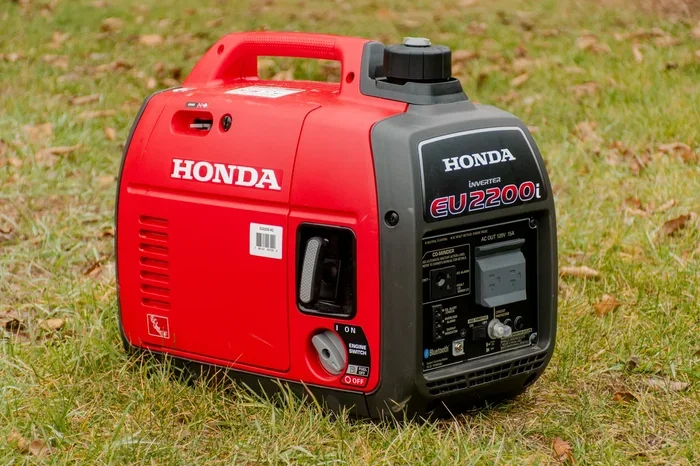
Small Generator for Home The Ultimate Buying Guide
A small generator for home can keep your essential appliances running during a power outage. This guide covers everything you need to know about choosing the right size, type, and features. We break down costs, fuel types, and maintenance tips so you can make a confident purchase.
A small generator for home use is one of the smartest investments you can make. Power outages happen more often than most people think. Storms, grid failures, and even simple equipment glitches can leave your family in the dark for hours or days.
Having a portable generator ready means you keep your fridge running, your lights on, and your home comfortable. But not all generators are the same. Choosing the wrong size or type can waste money and leave you disappointed when you need power the most.
This guide walks you through everything you need to know. We cover sizing, fuel types, key features, costs, and maintenance. By the end, you will feel confident picking the right home backup power solution for your household.
Key Takeaways
- Right-sizing matters: Match your generator wattage to your actual home power needs to avoid overspending or underperforming.
- Inverter generators are the top choice: They deliver clean, stable power and run quietly, making them ideal for residential use.
- Fuel type affects cost and convenience: Gasoline, propane, and dual-fuel options each have pros and worth considering.
- Safety first: Always follow generator safety rules like proper ventilation and correct grounding to protect your family.
- Maintenance extends lifespan: Regular oil changes, fuel stabilization, and periodic testing keep your generator ready when you need it most.
- Budget wisely: Small home generators range from $300 to $2,000 depending on power output and features.
📑 Table of Contents
- What Is a Small Generator for Home Use?
- Benefits of Having a Small Generator for Home
- How to Choose the Right Size Generator for Your Home
- Types of Small Generators for Home Use
- Top Features to Look For in a Small Home Generator
- Common Mistakes to Avoid When Buying a Small Home Generator
- How to Maintain Your Small Home Generator
- How to Safely Run a Generator for Your Home
- How Much Does a Small Home Generator Cost?
- Final Thoughts on Choosing a Small Generator for Home
What Is a Small Generator for Home Use?
A small generator for home is a compact power unit designed to run essential household devices during an outage. These units typically produce between 1,000 and 7,500 watts of electricity. They are portable, easy to store, and simple to operate.
Unlike large standby generators, small units do not require permanent installation. You wheel them outside, plug in your appliances, and you have power. This makes them a popular choice for renters, homeowners on a budget, and anyone who wants a straightforward power outage solution.
How Does a Home Generator Work?
A small generator converts fuel energy into electrical energy. Gasoline, propane, or diesel burns in an engine. The engine spins a alternator, which produces electricity. You then connect this power to your home appliances through extension cords or a transfer switch.
Modern units often include inverter technology. This means the generator produces clean, stable power safe for sensitive electronics like laptops and TVs. If you are curious about what a generator can actually power in a home, check out our guide on what powers a Generac home generator for detailed appliance wattage breakdowns.
Benefits of Having a Small Generator for Home
There are many reasons to own a small generator for home use. Here are the biggest advantages:
- Keeps food safe: A generator keeps your refrigerator and freezer running. No more tossing out hundreds of dollars worth of groceries after a storm.
- Maintains comfort: You can run a space heater or fan during extreme weather. Your family stays warm in winter and cool in summer.
- Protects electronics: Inverter models deliver clean power that won’t damage your TVs, computers, or phones.
- Easy to store: These units are compact and lightweight compared to whole-house models. You can keep one in a closet or garage.
- Affordable: Small generators cost far less than large standby units. You get reliable backup power without a huge upfront investment.
- Simple to use: Most models start with the push of a button. No complex wiring or professional installation needed.
For a deeper look at costs, our article on how much a generator costs for a 2000 sq ft house breaks down pricing by home size and power needs.
How to Choose the Right Size Generator for Your Home
Choosing the right generator size is the most important decision you will make. Too small and you cannot run all your essentials. Too big and you waste money on fuel and capacity you do not need.
Step 1: List Your Essential Appliances
Start by writing down everything you need during a power outage. Typical essentials include:
- Refrigerator (running watts: 600-800)
- Freezer (running watts: 500-700)
- Lights (running watts: 60-100 per bulb)
- Phone chargers (running watts: 10-20 each)
- Window AC unit (running watts: 1,000-1,500)
- Sump pump (running watts: 800-1,200)
Step 2: Calculate Total Wattage
Add up the running watts of all your appliances. Then check the starting watts for items with motors like refrigerators and AC units. Starting watts are usually 2 to 3 times higher than running watts. Your generator must handle both numbers at the same time.
Step 3: Match Generator Output to Your Needs
Here is a quick reference table to help you choose:
- 1,000-2,000 watts: Runs a few lights, phone chargers, and a small fan. Good for basic needs.
- 3,000-4,000 watts: Handles a refrigerator, freezer, lights, and a couple of phone chargers. This is a popular sweet spot for most homes.
- 5,000-7,500 watts: Can run a refrigerator, freezer, AC unit, and several other devices. Great for larger homes or colder climates.
If you want to learn more about what size generator works best for heating and cooling, see our article on what size generator to run furnace and refrigerator. It gives you exact wattage recommendations based on real household setups.
Types of Small Generators for Home Use
Not all generators are created equal. Understanding the different types helps you pick the best one for your situation.
Inverter Generators
Inverter generators are the most popular choice for home use. They produce clean, stable power that is safe for sensitive electronics. They also run much quieter than traditional generators, often between 50 and 65 decibels. This makes them neighbor-friendly and great for suburban homes.
Inverter generators tend to be more fuel-efficient too. They adjust engine speed based on the load, which means less fuel consumption and longer runtime per gallon.
Conventional Portable Generators
Conventional generators are the traditional type. They are often more affordable and come in higher wattage options. However, they produce less stable power and run louder. These units work well for powering tools on a job site or running basic appliances during an outage.
Dual-Fuel Generators
Dual-fuel generators let you run on gasoline or propane. This gives you flexibility. Propane stores longer than gasoline, making it a great backup fuel option. If you want to know how much fuel a generator actually uses, check out our article on how much propane a generator uses per hour for detailed fuel consumption data.
Solar Generators
Solar generators use solar panels to charge a battery bank. They produce zero emissions and run silently. They work well for charging phones, running lights, and powering small appliances. However, they have limited capacity and depend on sunlight, making them less ideal as the sole backup for a whole home.
Top Features to Look For in a Small Home Generator
When shopping for a small generator for home, not all features are equal. Here are the ones that matter most:
- Runtime: Look for at least 8 to 12 hours on a single tank of fuel. Longer runtime means fewer refills during extended outages.
- Noise level: Choose a unit under 65 decibels for residential use. Quiet generators keep the peace with your neighbors.
- Outlet options: Multiple outlets including USB ports, 120V, and 240V give you flexibility to plug in different devices.
- Fuel gauge: A clear fuel gauge lets you monitor remaining fuel at a glance. No surprises when the tank runs dry.
- Low-oil shutdown: This safety feature automatically shuts off the engine when oil levels drop too low. It prevents costly engine damage.
- Portability: Wheels and a fold-down handle make it easy to move the generator outside and back in.
- Parallel capability: Some models let you pair two units for double the power. This is handy if your needs grow over time.
Common Mistakes to Avoid When Buying a Small Home Generator
Many buyers make preventable mistakes. Here are the ones to watch out for:
- Buying based on price alone: The cheapest generator may not have the features or reliability you need. Always check wattage, runtime, and safety features.
- Ignoring starting watts: Many people only look at running watts. But appliances with motors need extra power to start. Underestimating this can trip your generator constantly.
- Skipping the transfer switch: Plugging a generator directly into your wall outlets is dangerous and illegal in many areas. A transfer switch safely connects your generator to your home’s electrical system.
- Neglecting maintenance: Even the best generator will fail if you do not maintain it. Change the oil, replace the air filter, and run the unit periodically.
- Running the generator indoors: This is extremely dangerous. Generator exhaust contains carbon monoxide, which is deadly. Always run your unit outside at least 20 feet from your home.
How to Maintain Your Small Home Generator
Proper maintenance keeps your small generator for home ready to go whenever you need it. Follow these simple steps:
- Change the oil regularly: Most manufacturers recommend an oil change after the first 20 hours of use, then every 100 hours after that.
- Check the air filter: A dirty air filter reduces performance and fuel efficiency. Clean or replace it every 50 to 100 hours of use.
- Use fuel stabilizer: If you store your generator for more than 30 days, add fuel stabilizer to the tank. Stale gasoline can clog the carburetor and prevent starting.
- Run the generator monthly: Start your generator once a month and let it run for 15 to 20 minutes. This keeps the engine lubricated and ready for emergencies.
- Check the spark plug: A worn spark plug causes hard starting and poor performance. Replace it once a year or every 100 hours of use.
- Store properly: Keep your generator in a dry, cool place. Cover it to protect it from dust and moisture.
Want to know how long a generator can last with proper care? Our article on how long a whole house generator lasts provides helpful lifespan estimates and maintenance timelines that apply to smaller units too.
How to Safely Run a Generator for Your Home
Safety is the most important part of owning a generator. A few simple rules keep your family safe:
- Always run the generator outdoors: Carbon monoxide from exhaust is odorless and deadly. Never run a generator inside a garage, basement, or shed.
- Keep it dry: Operate the generator on a dry surface under a canopy or generator tent. Never use it in rain or standing water.
- Use heavy-duty extension cords: Use cords rated for the wattage of your appliances. Thinner cords can overheat and cause fires.
- Let the generator cool before refueling: Spilling gasoline on a hot engine can cause a fire. Always wait for the unit to cool down.
- Install carbon monoxide detectors: Place CO detectors near sleeping areas and on every floor of your home as an extra safety measure.
If you want a complete walkthrough of safely connecting a generator to your home, our guide on how to run a generator to your house covers everything from transfer switches to proper grounding techniques.
How Much Does a Small Home Generator Cost?
Price is a big factor when choosing a small generator for home. Here is what you can expect:
- Budget models ($300-$500): Basic conventional generators with 1,000-2,000 watts. Good for running a few lights and charging devices.
- Mid-range models ($500-$1,200): Inverter generators with 2,000-4,000 watts. These offer clean power, quiet operation, and longer runtime.
- Premium models ($1,200-$2,000): High-output inverter or dual-fuel generators with 4,000-7,500 watts. Best for larger homes or running multiple appliances simultaneously.
The right price depends on your power needs and how often you plan to use the generator. For most families, a mid-range inverter generator in the $500 to $1,000 range hits the sweet spot between affordability and capability.
Final Thoughts on Choosing a Small Generator for Home
A small generator for home is a practical, affordable way to protect your family during power outages. Whether you face occasional storms or live in an area prone to blackouts, having backup power brings peace of mind.
Start by calculating your wattage needs. Choose the right fuel type and generator style for your lifestyle. Look for the key features that matter most to you. And never skip maintenance or safety precautions.
The best generator is the one that fits your home, your budget, and your needs. Use this guide to make a smart, informed decision. Your future self will thank you the next time the lights go out.
Frequently Asked Questions
What size small generator do I need for a home?
For most homes, a 3,000 to 5,000 watt generator covers essential appliances like a refrigerator, freezer, lights, and phone chargers. Calculate the total wattage of your must-have devices and add a 20% buffer for safety. This ensures your small generator for home handles the load without overworking.
Can a small generator run a central air conditioner?
It depends on the wattage. Most small generators cannot handle a central AC unit, which needs 5,000 to 7,000 starting watts. However, a 7,500 watt generator can run a small central AC. For most homes, a window unit or portable AC works better with a small generator.
Is it safe to run a generator in the garage?
No. Never run a generator in a garage, even with the door open. Generator exhaust contains carbon monoxide, which is colorless, odorless, and deadly. Always place your generator outside at least 20 feet from your home, with the exhaust pointing away from windows and doors.
How long can a small generator run continuously?
Most small generators run 8 to 12 hours on a full tank of gasoline. Inverter models often reach the higher end of that range because they adjust fuel use based on the load. For longer outages, you can connect a propane tank to dual-fuel models for extended runtime.
What is the difference between an inverter generator and a conventional generator?
An inverter generator produces cleaner, more stable power by converting AC to DC and back to AC. This makes it safe for sensitive electronics like laptops and TVs. Conventional generators produce raw AC power and are louder, less fuel-efficient, and less suitable for electronics. Inverter generators also tend to be lighter and more portable.
How often should I maintain my small home generator?
Perform a quick check before each use. Change the oil every 50 to 100 hours of use or at least once per season. Replace the air filter and spark plug annually. Use fuel stabilizer if the generator sits unused for more than 30 days. Running the unit for 15 minutes once a month keeps the engine in good shape.