Inverter vs Generator Which Power Source Should You Pick
Choosing between an inverter vs generator depends on your power needs, budget, and usage scenario. Inverters are quieter, more fuel-efficient, and deliver clean electricity, while traditional generators offer higher power output and lower upfront costs. This guide breaks down every difference so you can make the right pick.
Key Takeaways
- Inverters produce clean power: They deliver stable electricity safe for sensitive electronics like laptops and phones.
- Generators are louder: Traditional models run much noisier than inverter units during operation.
- Fuel efficiency favors inverters: Inverter models adjust engine speed to match the load, saving fuel significantly.
- Generators win on raw power: If you need to run heavy tools or appliances, generators handle bigger loads.
- Price differs a lot: Inverters cost more upfront, but generators cost less per watt of power produced.
- Portability matters: Inverter generators are lighter and easier to carry around for camping or travel.
📑 Table of Contents
- Inverter vs Generator: Which Power Source Should You Pick?
- What Is an Inverter Generator?
- What Is a Traditional Generator?
- Inverter vs Generator: Head-to-Head Comparison
- Cost Analysis: Inverter vs Generator
- Quick Tips for Choosing the Right Power Source
- Common Mistakes When Choosing Between Inverter and Generator
- Expert Insights: What Professionals Recommend
- Conclusion
Inverter vs Generator: Which Power Source Should You Pick?
Power outages, camping trips, and job sites all have one thing in common. You need a reliable source of electricity. The choice between an inverter vs generator can feel confusing. Both devices convert fuel into electrical power. But they work in very different ways.
An inverter generator uses advanced technology to produce clean, stable electricity. A traditional portable generator relies on a simpler mechanical process. Your decision comes down to what you plan to power. Budget matters too. This guide covers everything you need to know. By the end, you will know exactly which option fits your life.
We will compare noise levels, fuel use, power output, and cost. You will also learn about voltage regulation and surge capacity. Let us break it down simply.
What Is an Inverter Generator?
An inverter generator is a modern twist on portable power. It produces alternating current (AC) like a standard unit. Then it converts that power to direct current (DC). Finally, it inverts it back to clean AC power. This three-step process creates very stable electricity.
How Inverter Technology Works
The engine adjusts its speed based on the load. If you plug in just a phone charger, the engine slows down. This is called variable speed operation. It saves fuel and reduces noise. When you add more devices, the engine ramps up. This smart system is why inverter models feel so efficient.
You can also find parallel capable inverter units. These let you connect two identical units together. This doubles your wattage rating without buying a massive machine. It is a great option for powering a small cabin or RV.
Best Uses for Inverter Generators
- Camping and outdoor events
- Powering laptops, TVs, and phones
- Running sensitive medical equipment
- RV living and van conversions
- Quiet neighborhood backup during storms
What Is a Traditional Generator?
A portable generator is the classic power solution. It runs at a constant engine speed, usually 3,600 RPM. This produces alternating current directly. The output is consistent but less refined than an inverter unit.
How Traditional Generators Work
The engine spins a shaft connected to an alternator. The alternator produces AC power. There is no conversion step. This makes the design simple and durable. It also means the engine must run at full speed all the time. Even if you plug in one small lamp, the engine stays at full throttle. This is where fuel waste happens.
Many homeowners look at options like what powers a Generac home generator for whole-house needs. Traditional generators often serve this role well. They handle heavy loads with ease.
Best Uses for Traditional Generators
- Running air conditioners and heaters
- Powering tools on construction sites
- Whole-house backup during outages
- Well pumps and sump pumps
- Heavy-duty appliances like electric ovens
Inverter vs Generator: Head-to-Head Comparison
Let us compare both options across key factors. This makes the differences crystal clear.
Power Quality and Clean Electricity
Clean electricity matters more than most people think. Sensitive electronics need stable voltage. An inverter generator provides voltage regulation within +/- 2%. A traditional generator can fluctuate +/- 10% or more. This makes inverters much safer for computers and phones.
| Feature | Inverter Generator | Traditional Generator |
|---|---|---|
| Voltage Stability | High (+/- 2%) | Lower (+/- 10%) |
| Noise Level | 50-60 dB | 70-80 dB |
| Fuel Efficiency | Excellent | Moderate |
| Power Output | Up to 7,000W | Up to 20,000W+ |
| Weight | Light (20-60 lbs) | Heavy (100-250 lbs) |
| Price Range | $400-$2,000 | $300-$1,500 |
Noise Level Comparison
Noise is a big deal for many users. Inverter generators run at quiet operation levels. Most produce 50 to 60 decibels. That is about the sound of a normal conversation. Traditional generators blast at 70 to 80 decibels. That is like a busy road or a loud vacuum. If you camp near others, an inverter is the polite choice. For a remote job site, noise is less of a concern.
Fuel Efficiency and Runtime
Fuel efficiency strongly favors inverter models. Because the engine adjusts speed, you use less gas. A traditional generator burns fuel at a constant rate. Even under a light load, it wastes energy. Many inverter units go 8 to 10 hours on a single tank. Traditional models might only last 4 to 6 hours at a similar load.
You might also wonder about fuel storage. For more on that, check out guides on how long you can leave gas in a generator. Proper fuel care applies to both types.
Surge Capacity and Starting Watts
Surge capacity is important for motors and compressors. Traditional generators often handle high starting watts better. A well pump or air conditioner needs a big burst of power to start. Inverter units have improved here. Many now offer strong surge ratings. But large traditional units still dominate this category. If you need standby power for heavy appliances, a traditional unit is safer.
Cost Analysis: Inverter vs Generator
Price is often the deciding factor. Let us look at the real cost of ownership.
Upfront Purchase Price
Traditional portable generators cost less to buy. You can find a decent 3,000-watt model for $300 to $500. Inverter generators start around $400 for small units. Premium models with parallel capability can hit $2,000 or more. The price gap is narrowing as demand grows.
Long-Term Operating Costs
Fuel costs add up fast. Inverters save money over time. Less fuel burned means lower bills. Maintenance is similar for both. You still need oil changes and air filter replacements. But inverters run fewer engine hours for the same work. That means less wear and tear overall.
Some users also explore mini generators for very small needs. These compact units can pair well with inverter technology for ultra-portable power.
Value for Money Verdict
- Budget buyers: Traditional generators offer the best bang for your buck.
- Frequent users: Inverters pay for themselves through fuel savings.
- Electronics owners: Inverters protect your devices from dirty power.
- Heavy-duty needs: Traditional generators handle big loads cheaper.
Quick Tips for Choosing the Right Power Source
Still unsure? Here are some practical tips to guide you.
Calculate Your Power Needs First
List every device you want to run. Add up their running watts. Then check the starting watts for motors. This gives you the minimum wattage rating you need. Always add a buffer of 20% for safety. A generator with too little capacity will stall. One with too much is wasteful.
Consider Your Environment
Where will you use the unit? At home in a neighborhood, noise matters. In a remote cabin, it does not. For camping, portability is key. For a job site, raw power wins. Match the machine to the setting.
Think About Future Needs
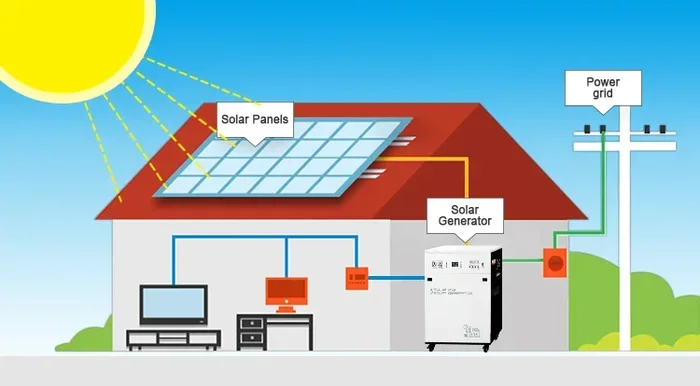
Your power needs might grow. A battery backup system can complement either unit. Solar panels also pair well with inverters. Planning ahead saves you from buying again later.
Common Mistakes When Choosing Between Inverter and Generator
Mistake 1: Ignoring Power Quality
Many people only look at wattage. They forget about clean electricity. Dirty power can ruin a laptop or TV. If you own sensitive gear, never skip the inverter option.
Mistake 2: Oversizing the Unit
Buying a massive generator for a few lights is wasteful. It uses more fuel and costs more. Right-size your unit based on actual needs. Load sensitivity is real. A smaller inverter handles light tasks perfectly.
Mistake 3: Forgetting About Portability
Traditional generators are heavy. Some weigh over 200 pounds. If you need to move it often, this is a problem. Inverters are compact and often include handles. Do not buy a bulky unit if you want portability.
Mistake 4: Neglecting Maintenance
Both units need care. Running a generator dry destroys it. Change oil, replace filters, and use fresh fuel. For more details on maintenance and sizing, explore what size generator to run furnace and refrigerator. These guides help you match unit size to actual appliances.
Expert Insights: What Professionals Recommend
Electricians and outdoor experts share common advice. They say inverter generators are ideal for 90% of household backup needs. They protect electronics and run quietly. But for large homes with central air, a traditional unit or standby system is essential.
Many pros suggest a hybrid approach. Own an inverter for daily use. Rent a traditional generator for heavy jobs. This saves money and gives you flexibility. Alternating current quality from inverters now rivals even expensive traditional units.
Another pro tip: random last name generator tools can help you label circuits if you manage multiple units. Keeping your setup organized prevents dangerous misconnections.
Conclusion
The inverter vs generator debate does not have one winner. It depends entirely on your situation. Choose an inverter if you want quiet, efficient, clean power. Pick a traditional generator for heavy loads and lower prices. Both have a place in your toolbox.
Think about what you will actually power. Consider where and how often you will use it. Budget for both the purchase and the fuel. A well-chosen unit gives you peace of mind during blackouts and adventures alike. Take your time, weigh the factors above, and pick with confidence.
Frequently Asked Questions
Can an inverter generator run a whole house?
Most inverter generators are not powerful enough for a full house. They typically max out around 7,000 watts. A whole house needs more, often 15,000 watts or more. You could link two inverter units in parallel for larger loads. For whole-house backup, a traditional standby generator is usually better.
Are inverter generators worth the extra cost?
Yes, if you power sensitive electronics or use the unit often. The fuel savings and quiet operation pay off over time. They also protect your devices from power fluctuations. If you only need rough power for tools, a traditional unit is fine.
Which lasts longer, an inverter or traditional generator?
Inverter generators often last longer. Their engines run at lower speeds under light loads. This reduces wear and tear. Traditional units run at full speed constantly. Proper maintenance matters for both, but inverters tend to have a longer lifespan.
Can I use solar panels with an inverter generator?
Yes, many inverter generators accept solar input. The inverter technology pairs naturally with solar systems. You can charge batteries or run devices directly. Traditional generators do not support solar connections easily.
How loud is an inverter generator compared to a traditional one?
Inverter generators run around 50 to 60 decibels. That is as quiet as a conversation. Traditional generators blast at 70 to 80 decibels. That is louder than a busy street. The difference is huge when you camp or live near neighbors.
What fuel do these generators use?
Both typically use regular gasoline. Some models also run on propane or natural gas. Dual-fuel units give you flexibility. Inverter generators often burn fuel more efficiently per hour of use.