How Much Copper Is in a Compressor and Why It Matters
Knowing how much copper is in a compressor helps you understand the value of your HVAC system and make smarter decisions about repairs, replacements, and recycling. A typical compressor contains between 2 and 8 pounds of copper, depending on the type and size. This guide breaks down the copper content across different compressor types, explains why copper is essential, and shows you how to estimate the scrap value.
If you have ever wondered how much copper is in a compressor, you are not alone. This question comes up often among homeowners, HVAC technicians, and scrap metal collectors alike. Copper plays a starring role in how compressors work, and understanding its presence helps you make smarter decisions about repair, replacement, and recycling.
A compressor is the heart of any air conditioning or refrigeration system. It pushes refrigerant through the system, making your home cool in summer and keeping food fresh in your fridge. Inside that compressor, copper tubing and coils do the heavy lifting. They transfer heat, carry refrigerant, and keep everything running smoothly. But exactly how much copper is in a compressor? The answer depends on several factors, including the compressor type, size, and application.
In this guide, we will walk through everything you need to know. We will look at the different compressor types, break down the copper content in each, and explain why copper matters so much. Whether you are a homeowner curious about your HVAC system or someone looking to scrap an old unit, this article has you covered.
Key Takeaways
- Copper is the primary metal used inside compressor coils and tubing, making up a significant portion of the unit’s weight.
- Compressor type matters — rotary, reciprocating, and scroll compressors each contain different amounts of copper.
- Scrap copper has real value — recycling old compressor copper can offset some replacement costs.
- Copper content varies by unit size — larger HVAC systems use more copper tubing and coils.
- Always handle copper carefully — proper recycling ensures you get the best price and avoid environmental harm.
- Understanding copper content helps with repair decisions — knowing the value helps you weigh repair vs. replacement.
📑 Table of Contents
- What Is a Compressor and Why Does Copper Matter?
- How Much Copper Is in Different Types of Compressors
- Why Manufacturers Choose Copper for Compressors
- How to Determine the Copper Content in Your Compressor
- The Scrap Value of Copper in a Compressor
- Tips for Handling and Recycling Compressor Copper
- Common Mistakes People Make with Compressor Copper
- How Copper Content Affects Repair and Replacement Decisions
- Expert Insight: The Future of Copper in Compressors
- Key Facts to Remember About Compressor Copper
What Is a Compressor and Why Does Copper Matter?
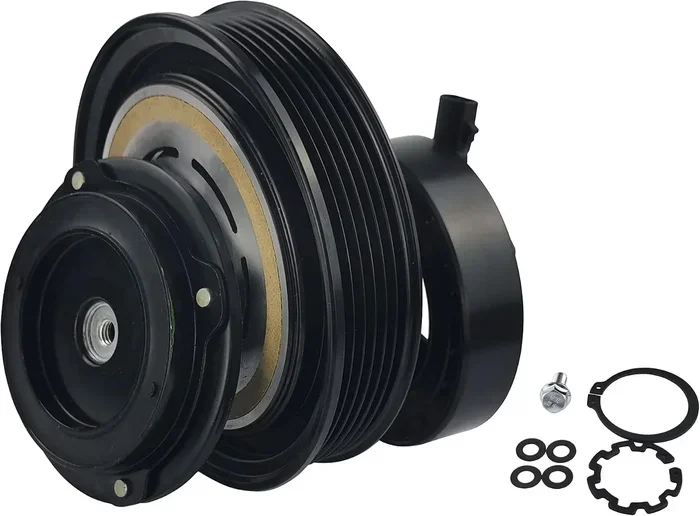
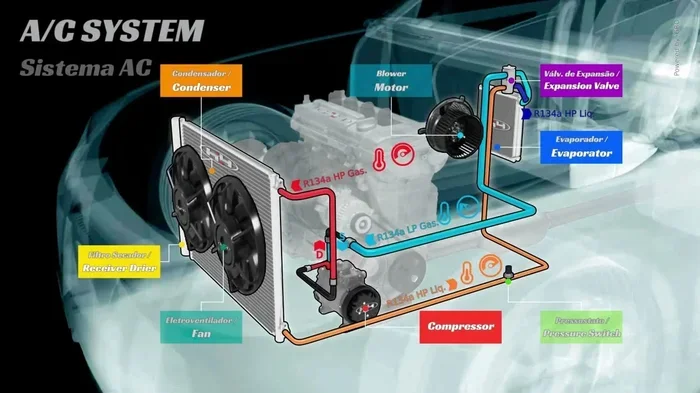
A compressor is a device that compresses refrigerant gas and pushes it through a cooling system. Think of it as the engine of your air conditioner or refrigerator. Without a working compressor, your AC unit blows warm air, and your fridge stops keeping things cold.
Copper is used in compressors for several key reasons. First, copper is an excellent conductor of heat. It moves heat quickly and efficiently, which is exactly what a cooling system needs. Second, copper is flexible and easy to shape into tubes and coils. Third, copper resists corrosion better than many other metals, which means it lasts longer inside a harsh operating environment.
Where Copper Appears in a Compressor
Copper shows up in several places inside and around a compressor. The main areas include:
- Suction and discharge lines — These are the copper tubes that carry refrigerant into and out of the compressor.
- Condenser coils — Located outside, these coils release heat from the refrigerant.
- Evaporator coils — Located inside, these coils absorb heat from your home or fridge.
- Refrigerant tubing — The connecting pipes that link all parts of the system together.
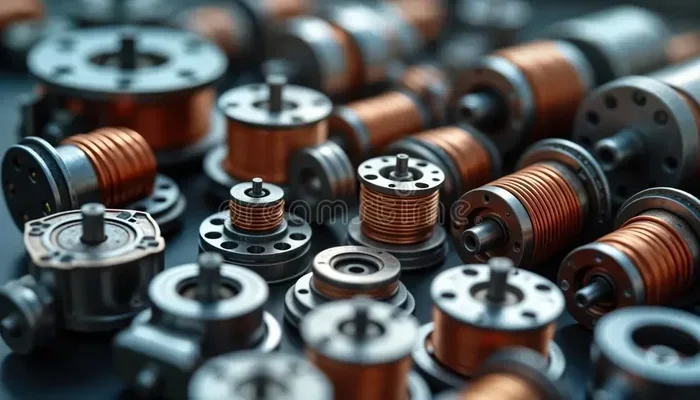
- Winding wire — Some compressors use copper wire in their motor windings.
All of these components add up. When you ask how much copper is in a compressor, you are really asking about the total weight of all these copper parts combined.
How Much Copper Is in Different Types of Compressors
Not all compressors are the same. Different types use different amounts of copper. Let us break this down by compressor type so you can get a clearer picture.
Reciprocating Compressors
Reciprocating compressors are the most common type found in residential HVAC systems. They use a piston-like mechanism to compress refrigerant. These compressors typically contain between 3 and 6 pounds of copper. The copper is found in the connecting lines, coils, and internal passages.
A standard central air conditioner unit with a reciprocating compressor might have anywhere from 5 to 10 pounds of copper across the entire system. The compressor itself holds a portion of that total.
Rotary Compressors
Rotary compressors use a spinning rotor to compress refrigerant. They are common in window units and smaller HVAC systems. These tend to contain less copper than reciprocating compressors, usually around 2 to 4 pounds. Their compact design means fewer copper components overall.
However, rotary compressors in larger commercial units can still hold a significant amount of copper — sometimes 5 pounds or more, depending on the system size.
Scroll Compressors
Scroll compressors are known for their efficiency and quiet operation. They use two spiral-shaped components to compress refrigerant. These are popular in high-end residential and light commercial systems.
Scroll compressors typically contain 4 to 7 pounds of copper. The scroll design requires precision tubing and coils, which means a fair amount of copper is used even in smaller units.
Centrifugal Compressors
Centrifugal compressors are large industrial units. They are not common in homes but are widely used in large commercial buildings and industrial plants. These compressors can contain 10 pounds of copper or more, depending on the system scale.
The copper in these units is used for large-diameter refrigerant lines, heat exchangers, and cooling coils. If you are dealing with an industrial system, the copper content can be substantial enough to make recycling very worthwhile.
Why Manufacturers Choose Copper for Compressors
You might wonder why copper is the go-to metal for compressors. After all, other metals exist. The answer comes down to performance, durability, and cost-effectiveness.
Superior Heat Transfer
Copper transfers heat about 30 times better than stainless steel and 4 times better than aluminum. In a compressor, efficient heat transfer means the system cools faster and uses less energy. This is a big deal for homeowners who want their AC bills to stay low.
Flexibility and Workability
Copper tubing is easy to bend, shape, and connect. Technicians can route copper lines through tight spaces in your attic or crawlspace without too much trouble. This flexibility makes installation and repairs faster and less expensive.
Corrosion Resistance
Compressors deal with refrigerant, moisture, and temperature swings. Copper handles all of this without breaking down quickly. Aluminum and steel can corrode faster in these conditions, leading to leaks and system failures.
Cost and Availability
Copper is widely available and relatively affordable compared to precious metals. Manufacturers can source it reliably, which keeps production costs in check. This is one reason why copper remains the standard in compressor design.
How to Determine the Copper Content in Your Compressor
If you want to know exactly how much copper is in a compressor you own, there are a few practical ways to find out. You do not need to be an expert to get a reasonable estimate.
Check the Unit Specifications
Start by looking at the nameplate or manual for your HVAC unit. The specifications often list the type of compressor and the general size of the system. A larger tonnage unit (say, a 5-ton air conditioner) will naturally contain more copper than a smaller 2-ton unit.
Here is a rough guide based on system size:
- 2-ton unit: Approximately 4 to 6 pounds of copper in the full system.
- 3-ton unit: Approximately 6 to 8 pounds of copper in the full system.
- 5-ton unit: Approximately 8 to 12 pounds of copper in the full system.
- 10-ton commercial unit: 15 pounds of copper or more.
Remember, these numbers include all the copper in the system — not just the compressor itself. The compressor holds a portion of the total.
Weigh the Components
If you are comfortable getting your hands dirty, you can remove the compressor and weigh the copper parts separately. Use a kitchen scale or a bathroom scale for smaller units. For larger compressors, you may need a floor scale.
Keep in mind that a compressor also contains steel, iron, and aluminum parts. You want to separate the copper before weighing it. A magnet can help — copper is not magnetic, so steel and iron parts will stick to a magnet while copper will not.
Consult a Professional
If you are not sure about doing this yourself, an HVAC technician can help. They can assess the unit, estimate the copper content, and even assist with removal. Many scrap yards also offer free estimates if you bring in an old compressor.
The Scrap Value of Copper in a Compressor
Copper is a valuable scrap metal. The price fluctuates based on market conditions, but it has historically been one of the most valuable non-ferrous metals. When you know how much copper is in a compressor, you can estimate what your old unit might be worth at the scrap yard.
Current Copper Prices
As of recent market data, copper trades at roughly $4 to $5 per pound for scrap. This means a compressor with 5 pounds of copper could be worth $20 to $25 at current prices. A larger industrial compressor with 15 pounds of copper could fetch $60 to $75 or more.
Keep in mind that prices change. Check with your local scrap yard for the current rate. Some yards also pay more for clean, separated copper versus mixed scrap.
Factors That Affect Scrap Value
Several things influence how much you will get for compressor copper:
- Copper purity — Clean copper without insulation, solder, or other metals attached fetches a higher price.
- Local market rates — Prices vary by region and current demand.
- Quantity — Bringing in multiple compressors or a large volume of copper can sometimes earn you a better rate.
- Preparation — Stripping insulation and separating copper from other metals shows the yard you have put in effort, which can help your price.
Is It Worth Scrapging Your Old Compressor?
For a single residential compressor, the scrap value is modest — maybe $20 to $50. But if you are replacing multiple units or clearing out an old commercial system, the returns can add up. Many HVAC companies and demolition crews regularly scrap compressors for this reason.
Also, consider the environmental benefit. Recycling copper uses far less energy than mining new copper. By scrapping your old compressor, you are helping reduce mining demand and keeping metal out of landfills.
Tips for Handling and Recycling Compressor Copper
If you are planning to remove copper from a compressor or recycle an old unit, a few tips can make the process smoother and safer.
Safety First
Compressors may still contain residual refrigerant. Before cutting or dismantling any unit, ensure the refrigerant has been properly recovered by a certified technician. Releasing refrigerant into the air is illegal in many places and harmful to the environment.
Use the Right Tools
Copper tubing can be cut with a tubing cutter or hacksaw. Wear gloves and eye protection. Copper edges can be sharp, and small pieces can fly during cutting.
Separate Your Metals
Scrap yards pay more for sorted metals. Keep your copper separate from steel, aluminum, and other metals. This not only gets you a better price but also makes the recycling process more efficient.
Store Copper Properly
Keep your copper in a dry place until you take it to the scrap yard. Moisture can cause oxidation, which reduces the value. A simple tarp or covered bin works well for storage.
Consider the Full System
When scrapping an HVAC system, remember that the copper extends beyond just the compressor. The condenser coils, evaporator coils, and connecting lines all contain copper. Including these parts in your scrap haul increases the total value significantly.
Also, if your home relies on a backup generator to keep your HVAC running during power outages, understanding the copper content helps you plan for maintenance and replacement costs across all your power and cooling equipment.
Common Mistakes People Make with Compressor Copper
Avoid these common pitfalls when dealing with compressor copper:
- Assuming all copper is equal — Red copper, yellow copper, and insulated copper wire all have different values. Sort them properly.
- Ignoring the full system — People often focus only on the compressor and miss the coils and lines that hold additional copper.
- Releasing refrigerant — This is illegal and dangerous. Always have a certified tech handle refrigerant removal.
- Taking scrap yards at face value — Get quotes from multiple yards to ensure you are getting a fair price.
- Underestimating the weight — Copper is heavy. A compressor that looks small can still contain several pounds of copper.
How Copper Content Affects Repair and Replacement Decisions
Understanding how much copper is in a compressor directly impacts your repair and replacement choices. When a compressor fails, the repair cost is partly driven by the amount of copper that needs to be replaced or re-soldered.
For example, if a leak develops in the copper tubing of a scroll compressor, a technician must cut out the damaged section and solder in a new piece. The cost of the copper itself, plus the labor to repair it, factors into your total repair bill. In some cases, the copper cost alone can be significant.
On the flip side, if your compressor is old and failing, knowing the copper content helps you decide whether to replace just the compressor or the entire unit. A new compressor can cost $1,000 to $3,000 or more, and the copper scrap value might offset a portion of that expense. If you are also considering a whole-house generator to keep your cooling system running during outages, factoring in the copper value of your existing HVAC components helps you budget more accurately.
For those who run their HVAC on backup power, it is worth noting that the propane consumption of a generator affects your overall operating costs. A compressor with more copper may indicate a larger, more efficient unit that cools better — which means your generator runs less often and uses less fuel.
Expert Insight: The Future of Copper in Compressors
The HVAC industry is always evolving. Some manufacturers are exploring aluminum alternatives to reduce costs and weight. Aluminum is lighter and cheaper than copper, but it does not conduct heat as well and is harder to work with. For now, copper remains the dominant material in compressor design.
There is also growing interest in eco-friendly refrigerants that work with copper systems. As regulations change and new refrigerants enter the market, the role of copper in compressors may evolve — but its core advantages make it hard to replace entirely.
Experts in the field agree that understanding copper content is more important than ever. With copper prices rising over the past decade, the scrap value of old compressors has become a meaningful consideration for both homeowners and businesses. If you are planning any HVAC upgrades or replacements, knowing the copper value helps you make informed choices.
Additionally, if you are sizing a backup power solution for your home, understanding how much power your system draws — including the compressor — helps you choose the right generator wattage. A compressor with heavy copper components may draw more power to start, which affects your generator sizing needs.
Key Facts to Remember About Compressor Copper
Let us quickly recap the most important points:
- A typical residential compressor contains 2 to 7 pounds of copper, depending on the type and size.
- Larger commercial and industrial compressors can hold 10 pounds or more.
- Copper is valued for its heat conductivity, flexibility, and durability.
- Scrap copper from a compressor can be worth $20 to $75 or more, depending on weight and purity.
- Always handle refrigerant safely and recycle copper responsibly.
- The full HVAC system contains more copper than just the compressor — include coils and lines in your calculations.
Understanding how much copper is in a compressor gives you an edge whether you are a homeowner managing repair costs, a technician estimating job materials, or a scrap collector looking for value. It is a small detail that makes a big difference.
If you are curious about the broader picture of generator and power system costs, check out our guide on generator pricing for different sizes to see how your cooling and power investments compare.
Copper is a remarkable metal. It keeps our homes cool, our food fresh, and our industries running. The next time you think about your compressor, remember the copper inside it — and the value it holds.
Frequently Asked Questions
How much copper is in a typical home AC compressor?
A typical home AC compressor contains about 2 to 5 pounds of copper. The exact amount depends on the compressor type, the size of the unit, and the length of the refrigerant lines connected to it. Central air systems with larger tonnage will have more copper throughout the full system.
Can I scrap a compressor for copper and make good money?
You can make some money scrapping compressor copper, but the returns are modest for a single residential unit. Expect around $20 to $50 for a typical home compressor. The value increases significantly if you are scrapping multiple units or large commercial systems with more copper content.
What type of compressor has the most copper?
Centrifugal compressors used in large commercial and industrial systems typically contain the most copper — often 10 pounds or more. Scroll compressors in high-end residential systems also use a considerable amount, usually 4 to 7 pounds per unit.
Is the copper in a compressor worth recovering?
Yes, recovering copper from an old compressor is worthwhile, especially if you are replacing multiple units or handling commercial equipment. Even for a single residential compressor, the scrap value can offset part of a repair or replacement cost. Always check with your local scrap yard for current pricing.
How do I know if my compressor has copper or aluminum tubing?
Copper is reddish-brown and not magnetic. Aluminum is lighter in color and also not magnetic, but it is softer and easier to dent. A simple visual inspection and a magnet test can help you tell them apart. If you are unsure, an HVAC technician can confirm the material for you.
Does copper content affect how well a compressor works?
Yes, copper content affects performance. More copper generally means better heat transfer and more efficient cooling. However, the design of the compressor and the overall system matter just as much. A well-designed compressor with optimal copper usage will outperform a poorly designed one, regardless of the copper amount.
=== CONCLUSION ===
How much copper is in a compressor is a question with a practical answer that affects homeowners, technicians, and scrap collectors alike. From reciprocating to scroll to centrifugal compressors, the copper content varies widely — typically ranging from 2 to over 10 pounds depending on the type and size. Understanding this content helps you make informed decisions about repairs, replacements, and recycling.
Copper is essential to compressor function. It transfers heat efficiently, resists corrosion, and lasts for years under demanding conditions. When the time comes to replace or retire a compressor, knowing the copper value gives you a financial edge. You can offset costs, earn scrap value, and contribute to sustainable recycling practices.
Take what you have learned here and apply it. Whether you are checking your own HVAC system, planning a scrap haul, or simply curious about how your cooling equipment works, the copper inside your compressor is worth understanding. It is a small detail that connects to big savings, smarter decisions, and a more sustainable approach to home comfort.