Does Your AC Compressor Control the Heat in Your Car
Your AC compressor does not directly control heat in your car. The compressor is part of the cooling system, while heat comes from the engine through a separate component called the heater core. Understanding how both systems work helps you troubleshoot temperature problems and stay comfortable on every drive.
Have you ever wondered does AC compressor control heat in car? It is a great question, and the answer might surprise you. Many drivers assume their air conditioning system handles both cooling and heating. But that is not quite how things work under the hood. Your car’s climate control involves two separate systems working together. One keeps you cool in summer, and the other keeps you warm in winter. Understanding how these systems interact makes a huge difference when something goes wrong.
Let us break this down in simple terms. When you turn up the heat on a cold morning, you are not using the AC compressor at all. Instead, your engine provides the warmth. When you switch to cool air on a hot day, the compressor kicks in to remove heat from the cabin. Both systems share one goal, though, keeping your cabin at a comfortable temperature. In this article, we will explore exactly how each part works and what you can do to keep your car’s climate control running smoothly.
Key Takeaways
- The AC compressor handles cooling only: It cycles refrigerant to remove heat from your cabin, but it does not generate warmth.
- Your car’s heater uses engine heat: The heater core taps into hot coolant from the engine to warm your interior.
- The blend door actuator controls temperature: This small part mixes hot and cold air to give you the right cabin temperature.
- Common heating problems include low coolant and faulty thermostats: These issues can leave you shivering on cold mornings.
- Regular maintenance keeps your climate control working: Simple checks on coolant, belts, and filters prevent most issues.
- Understanding your system saves money: Knowing how things work helps you spot problems early and avoid costly repairs.
📑 Table of Contents
- How Your Car’s Heating and Cooling System Works
- The Role of the AC Compressor in Climate Control
- Does the AC Compressor Actually Control Heat?
- Common Problems That Affect Car Heating
- Common Problems That Affect Car Cooling
- Tips for Maintaining Your Car’s Temperature System
- When to See a Mechanic
- The Connection Between Engine Heat and Cabin Comfort
How Your Car’s Heating and Cooling System Works
Your car has two main systems for controlling cabin temperature. The first is the air conditioning system, which cools the air. The second is the heating system, which warms it. These systems share some parts but serve very different purposes. Let us look at each one closely.
The Cooling System: What the AC Compressor Does
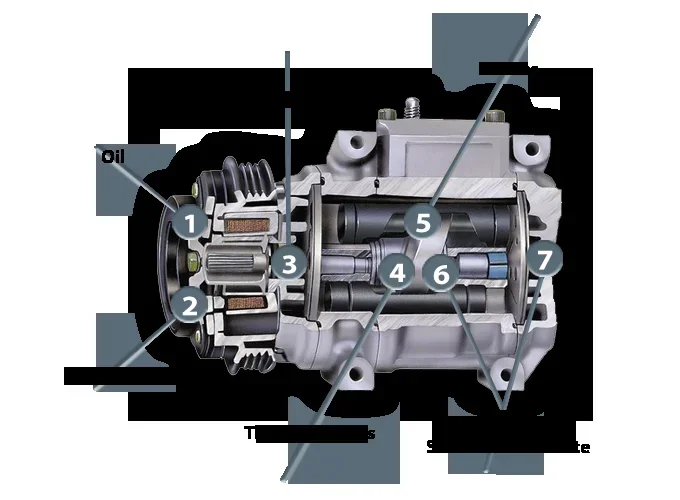
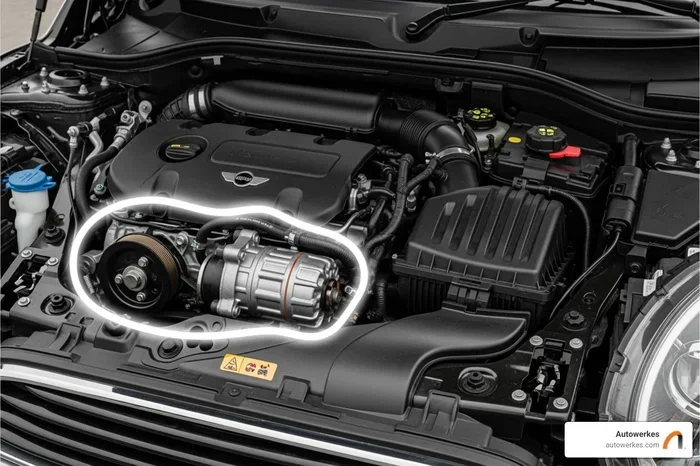
The AC compressor is the heart of your car’s cooling system. It pumps refrigerant through a closed loop of tubes and coils. When the compressor engages, it pressurizes the refrigerant gas. This gas then flows through the condenser, where it releases heat outside the car. Next, it passes through an expansion valve and into the evaporator. Inside the evaporator, the refrigerant absorbs heat from the air blowing into your cabin. The result is cool, dry air on a hot day.
Here is the key point. The compressor removes heat; it does not add it. So when you feel cold air from your vents, the compressor is doing its job. But when you want warm air, the compressor stays off. This is why does AC compressor control heat in car has a simple answer. It does not.
The Heating System: How Your Engine Warms the Cabin
Your car’s heating system works in a completely different way. It uses waste heat from the engine. Here is how it works step by step:
- The engine generates heat as it runs.
- Hot coolant flows through the engine block to absorb that heat.
- The coolant then travels through a small radiator inside your dashboard called the heater core.
- A fan blows air across the heater core.
- That warm air enters your cabin through the vents.
So when you turn the heat dial to warm, you are really asking the heater core to do the work. The engine provides the energy, and the heater core transfers it into warm air. This is why your heater works great when the engine is warm but blows cold air until the engine reaches operating temperature.
The Role of the AC Compressor in Climate Control
Now that we know the basics, let us dig deeper into the compressor’s role. Many people confuse the climate control system with the AC system alone. But modern cars often use both systems together for the best comfort.
Can the AC Compressor Help With Heating?
In some vehicles, the AC compressor runs even when you select heat mode. Why would it do that? The answer is dehumidification. Running the compressor removes moisture from the air. This helps prevent foggy windows in humid conditions. So even though the compressor does not create heat, it can support the heating system by keeping the air dry and clear.
However, this is not the same as the compressor controlling heat. Think of it this way. The compressor helps make the air clearer, but the engine’s coolant provides the actual warmth. You can think of it like this: the heater core is the fireplace, and the compressor is the fan that keeps the windows from fogging up.
How the Blend Door Actuator Ties It All Together
Your car has a small but important part called the blend door actuator. This component controls how much hot and cold air mixes before it reaches your vents. When you adjust the temperature dial, you are really moving the blend door. The actuator is the motor that does the moving.
If the blend door actuator fails, you might get only hot air or only cold air no matter what you set. This is one of the most common car temperature control problems. The good news is replacing an actuator is usually affordable and straightforward for a mechanic.
Does the AC Compressor Actually Control Heat?
Let us answer this question directly. No, the AC compressor does not control heat in your car. The compressor is part of the cooling circuit. It cycles refrigerant to absorb and release heat from the cabin. Heat, on the other hand, comes from the engine’s cooling system through the heater core.
Here is a simple comparison to make it crystal clear:
| Feature | Cooling System | Heating System |
|---|---|---|
| Source of Energy | AC compressor and refrigerant | Engine coolant |
| Main Component | Compressor, condenser, evaporator | Heater core |
| When It Works | When AC is turned on | When heat is selected |
| Effect on Cabin | Removes heat and moisture | Adds warmth from engine |
| Engine Dependence | Works independently | Requires warm engine |
Understanding this difference is crucial. If your car blows cold air when you want heat, the problem is likely in the heating system, not the AC compressor. Conversely, if you get no cool air, the issue is probably with the compressor or refrigerant.
Why People Get Confused
It is easy to see why this confuses so many drivers. The temperature dial on your dashboard controls both systems. You turn one knob to go from cold to hot. But behind that single dial, two completely different systems are at work. The dial just tells the blend door how to mix the air. It does not turn on or off the compressor directly.
Some older cars did link the compressor to the temperature setting more directly. But modern vehicles use electronic controls and separate systems for maximum efficiency. So the next time someone asks, does AC compressor control heat in car, you can confidently say no.
Common Problems That Affect Car Heating
Now that you understand how the heating system works, let us look at what can go wrong. Several issues can cause your car to lose heat or not warm up properly.
Low Coolant Levels
Your heater core relies on hot coolant to produce warm air. If your coolant level is low, there is not enough hot fluid flowing through the heater core. This is one of the most common reasons for weak or no heat. Check your coolant reservoir regularly, especially before winter.
Faulty Thermostat
The thermostat regulates engine temperature. If it gets stuck open, your engine never reaches full operating temperature. This means the heater core never gets hot enough. A stuck-open thermostat is an easy and inexpensive fix, but ignoring it can lead to bigger engine problems over time.
Clogged Heater Core
Over time, rust and debris can clog the heater core. When this happens, hot coolant cannot flow through properly. You may notice foggy windows, a sweet smell inside the car, or very little heat. Flushing the heater core or replacing it can solve this problem, though it requires some labor.
Broken Blend Door Actuator
As mentioned earlier, the blend door actuator controls air temperature mixing. When it breaks, you might hear a clicking or grinding sound behind the dashboard. The temperature setting may not change at all. Replacing the actuator is usually a quick repair.
Quick Tips for Car Heating
- Always let your engine warm up before cranking the heat to max.
- Check coolant levels at least once a month during winter.
- Replace your thermostat if your engine takes too long to warm up.
- Listen for unusual sounds behind the dash, which could signal a failing actuator.
Common Problems That Affect Car Cooling
Just as the heating system can fail, so can the cooling system. Here are some of the most frequent issues drivers face with their AC compressor and related components.
Low Refrigerant
The AC compressor needs the right amount of refrigerant to cool the air. Over time, small leaks can reduce the refrigerant level. When this happens, your AC blows warm air instead of cold. A professional can recharge the system and find any leaks.
Compressor Clutch Failure
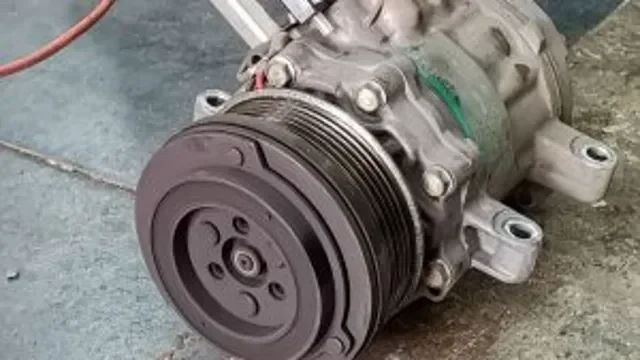
The compressor has a clutch that engages and disengages it. If the clutch fails, the compressor does not pump refrigerant. This means no cool air at all. Clutch failure can happen from electrical issues, worn parts, or low refrigerant pressure.
Blocked Condenser
The condenser sits at the front of your car and releases heat from the refrigerant. If it gets clogged with dirt or debris, the system cannot cool properly. Regularly washing the front of your car helps keep the condenser clear.
Tips for Maintaining Your Car’s Temperature System
Keeping your car’s heating and cooling systems in good shape does not have to be complicated. A little regular attention goes a long way.
Stick to a Maintenance Schedule
Follow your vehicle’s recommended maintenance schedule. This includes checking coolant levels, inspecting belts, and having the AC system checked annually. Regular maintenance catches small problems before they become big expenses.
Run Your AC in Winter
This might sound counterintuitive, but running your AC for a few minutes each month during winter keeps the system lubricated. The compressor seals stay moist, which prevents them from drying out and cracking. It is an easy habit that extends the life of your AC compressor.
Keep Your Cabin Air Filter Clean
A dirty cabin air filter restricts airflow and reduces both heating and cooling efficiency. Check and replace your cabin filter every 12,000 to 15,000 miles, or more often if you drive in dusty conditions.
Understand Energy Use
You might be curious about how much energy different systems use. For comparison, understanding fuel and energy consumption across different systems, like how much propane a generator uses, can give you a broader perspective on vehicle energy efficiency. Both your car’s heating and cooling systems draw power, so being mindful of usage helps overall.
Learn How Systems Work
Gaining a basic understanding of how mechanical systems function, similar to learning how a generator works, can empower you as a car owner. When you understand the principles behind your car’s climate control, you can better communicate with mechanics and make smarter decisions about repairs.
Expert Insights
Automotive technicians agree that most temperature problems come from simple causes. Low coolant, a stuck thermostat, or a failing blend door actuator account for the majority of heating issues. The AC compressor itself rarely fails without warning signs. Listen for unusual noises, feel for weak airflow, and pay attention to temperature changes. Catching these early signs can save you from a breakdown on a cold or hot day.
When to See a Mechanic
While some issues are easy to diagnose, others need professional attention. Here are signs that it is time to visit a mechanic:
- Your heater blows cold air even after the engine is fully warm.
- Your AC compressor does not engage at all.
- You notice a sweet smell inside the cabin, which could indicate a coolant leak.
- The temperature gauge on your dashboard reads higher or lower than normal.
- You hear grinding or clicking sounds from behind the dashboard.
- Your windows fog up constantly, even with the AC running.
Do not ignore these signs. A small problem today can become a major repair tomorrow. Early intervention keeps your car running safely and comfortably.
The Connection Between Engine Heat and Cabin Comfort
Your car’s engine produces a tremendous amount of heat while running. In fact, only about one-third of that heat converts into useful power. The rest becomes waste heat that needs to go somewhere. Your cooling system handles most of it through the radiator. But the heating system borrows some of that waste heat to warm your cabin.
This is actually a brilliant design. Your car uses what would otherwise be wasted energy to keep you warm. It is an efficient system that has been refined over decades of automotive engineering. The next time you feel warm air on a chilly drive, you can thank your engine’s hard work.
However, this connection also means that your heating depends on your engine running well. If your engine overheats, the heater may blow hot air too aggressively. If your engine runs cold, the heater will not work at all. Keeping your engine in good shape is the foundation of a comfortable cabin.
Common Mistakes to Avoid
- Ignoring coolant leaks: Even small leaks can lead to overheating and loss of heat.
- Running the heater on max with cold engine: This can actually cool the engine down further and delay warming.
- Neglecting cabin air filters: Dirty filters reduce airflow and strain the blower motor.
- Assuming all temperature problems are AC issues: Many heating problems are actually caused by engine or coolant issues.
Frequently Asked Questions
Does the AC compressor turn on when the heat is on?
In most modern cars, the AC compressor does not turn on when you select heat mode. However, some vehicles run the compressor briefly to dehumidify the air and prevent foggy windows. This is normal and helps maintain clear visibility.
Why does my car blow cold air when I want heat?
This usually means the heating system is not working properly. Common causes include low coolant, a faulty thermostat, or a clogged heater core. Check your coolant level first, as this is the most common and easiest fix.
Can a bad AC compressor affect the heater?
Generally, no. The AC compressor and heater operate on separate systems. However, if the compressor leaks refrigerant, it can sometimes affect the overall climate control performance. A failing compressor clutch might also cause unusual noises that confuse drivers.
How long does a heater core last?
A heater core can last the lifetime of the vehicle, often 150,000 miles or more. However, corrosion or coolant contamination can shorten its lifespan. If you notice foggy windows, a sweet smell, or wet floor mats, have your heater core inspected.
Is it normal for the AC compressor to cycle on and off?
Yes, this is completely normal. The compressor cycles to maintain the set cabin temperature. It turns on when the system needs cooling and turns off when the temperature is reached. Frequent cycling, however, could indicate low refrigerant or other issues.
What should I do if my car temperature gauge reads high?
Pull over safely and turn off the engine. Let it cool down before checking the coolant level. Never open the radiator cap while the engine is hot. If the gauge stays high after restarting, tow your vehicle to a mechanic to avoid engine damage.
=== CONCLUSION ===
So, does AC compressor control heat in car? The answer is clear. The compressor handles cooling by cycling refrigerant, while the engine’s cooling system provides heat through the heater core. These two systems work side by side to keep your cabin comfortable no matter the weather outside.
Understanding how your car’s climate control works empowers you as a driver. You can diagnose problems faster, communicate better with mechanics, and take simple steps to prevent issues before they start. Regular maintenance, awareness of warning signs, and a basic knowledge of your vehicle’s systems make all the difference.
Whether you are dealing with a broken blend door actuator, low coolant, or a compressor that will not engage, the solution starts with understanding the root cause. Take care of your car’s heating and cooling systems, and they will take care of you through every season. Stay comfortable, stay informed, and enjoy every ride.