Can I Unplug My Ac Compressor and Still Drive Safely
Can I unplug my AC compressor and still drive? Yes, you can, but it comes with risks. Removing the compressor clutch or unplugging it stops the air conditioning system from working, which can reduce engine load and save fuel. However, driving without a functioning AC compressor may lead to belt issues, overheating, or refrigerant leaks if not done correctly. This guide explains how to unplug your AC compressor safely, what to watch for, and when to seek professional help.
Can I unplug my AC compressor and still drive? The short answer is yes, but there are important things to know. If your AC compressor is seized, leaking, or causing electrical problems, you might consider unplugging it. This guide will walk you through what happens when you remove AC compressor power, whether it is safe, and how to do it without damaging your car. You will learn about the risks, the steps, and when to call a professional. Understanding your AC compressor helps you make smart decisions on the road.
Driving without a working air conditioning system is not ideal, especially in hot weather. However, many drivers face this situation due to a faulty compressor clutch or a broken serpentine belt. Knowing how to handle it can save you time and money. I will share practical tips and expert insights to keep you safe. Let us dive into the details.
Key Takeaways
- You can drive safely with the AC compressor unplugged, but only for short distances and with caution.
- Unplugging the compressor clutch reduces engine load, which may slightly improve fuel economy.
- Check the serpentine belt and pulley for wear before driving without the compressor engaged.
- Watch for overheating if the compressor lockout causes belt slippage or additional strain.
- Refrigerant system integrity can be compromised if the compressor is removed improperly.
- Always consult a mechanic if you are unsure about bypassing the AC compressor.
- Driving without AC power is fine in emergencies, but avoid long trips.
📑 Table of Contents
What Happens When You Unplug Your AC Compressor?
The Role of the AC Compressor Clutch
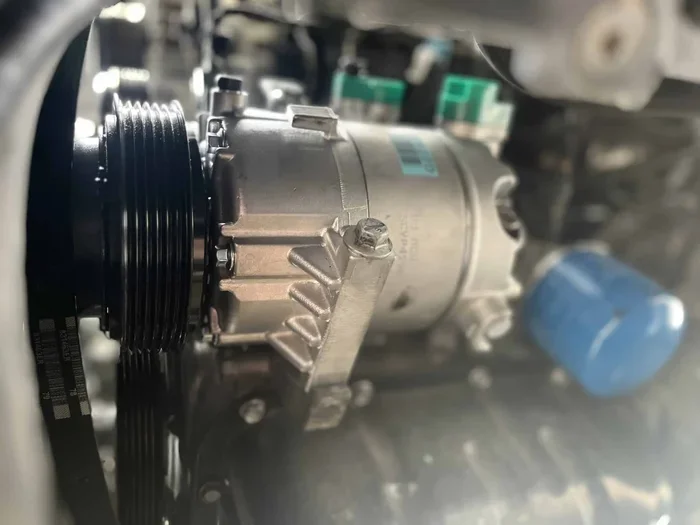
The AC compressor is the heart of your car’s air conditioning system. It uses a clutch to engage and disengage the compressor pulley. When the clutch is energized, the compressor pumps refrigerant through the system. When you unplug the compressor, you cut power to that clutch. The pulley may still spin on the serpentine belt, but the compressor shaft does not turn. This reduces the load on the engine. Your engine performance might improve slightly because the alternator and other accessories have less drag.
Think of it like removing a heavy backpack while running. The engine does not have to work as hard. However, the compressor still has a pulley that spins. If the clutch is not fully disengaged, it can cause noise or wear. You need to ensure the compressor lockout is complete. This means the compressor is truly decoupled from the engine.
Immediate Effects on Engine Performance
When you unplug the AC compressor, you remove a significant electrical and mechanical load. The alternator powers the compressor clutch, the cabin fan, and other accessories. Cutting that power changes the electrical balance. Your fuel efficiency might improve by a small margin. Some drivers notice a slight increase in horsepower because the engine loses the drag of the compressor.
However, the effect is usually minor. A car’s engine is designed to handle the AC load. Removing it will not turn your car into a race machine. The real benefit comes if the compressor was failing and causing the engine to run rough. A stuck compressor can drain power and cause stalling. In that case, unplugging it can restore smooth driving safety. For a deeper dive into how electrical loads affect engine performance, see our article on what size whole-house generator you need to understand how matching power supply to demand works in any system.
What the Dashboard Tells You
Your car’s dashboard will often warn you about AC problems. You might see a check engine light or an AC warning indicator. If the compressor clutch circuit has a fault, the compressor relay may stop working. The wiring harness connects the relay to the compressor. Unplugging the compressor disconnects this harness. Always check the fuse box first. A blown fuse can mimic a compressor failure. Replacing the fuse might solve the problem without needing to unplug anything.
Can You Still Drive Safely Without the AC Compressor?
Safety Considerations on the Road
Yes, you can drive safely without the AC compressor, but you must be aware of the risks. The biggest concern is the serpentine belt. This belt drives the compressor pulley, the alternator, and the power steering pump. If the compressor is seized, it can lock the belt and cause it to break. A broken serpentine belt means you lose power steering, alternator power, and water pump function. That is a serious safety hazard.
If you unplug the compressor properly, the pulley will spin freely. The belt will not be loaded by the compressor. This reduces the chance of belt failure. However, you must inspect the belt for cracks and wear. Driving without a healthy belt is dangerous. Always check the belt tension and condition before a long trip.
When It Is Okay to Drive Short Distances
Short trips are generally safe. You can drive to a repair shop or home without the AC compressor. Keep the windows open for ventilation. In mild weather, you will be fine. The engine will not overheat because the water pump is still running on the serpentine belt. If you notice any whining noise, stop and check the belt. A bypass pulley can be used if you remove the compressor entirely. This keeps the belt routing correct and prevents the belt from slipping off.
Comparing the Two Scenarios
Here is a quick look at how driving changes when the AC compressor is unplugged versus left connected.
| Factor | AC Compressor Plugged In | AC Compressor Unplugged |
|---|---|---|
| Engine Load | Higher drag from compressor clutch | Reduced drag, pulley spins freely |
| Fuel Efficiency | Slightly lower due to added load | Minor improvement possible |
| Belt Stress | Normal, belt handles compressor load | Lower stress if compressor is disengaged |
| AC Functionality | Full cooling available | No cooling, cabin fan still works |
| Risk of Belt Break | Low if compressor is healthy | Low if compressor is unplugged properly |
| Driving Safety | Normal operation | Safe for short trips if belt is intact |
Long-Driving Risks
Long-distance driving without an AC compressor is riskier. The compressor pulley still spins and creates some drag. If the clutch is not fully disengaged, it can cause heat buildup. The refrigerant system may also have residual pressure. Over time, this can lead to a refrigerant leak at the hose connections. You should have the system inspected by a professional before embarking on a long journey.
Also, driving without AC in extreme heat can be uncomfortable and dangerous. Heat exhaustion is a real risk. If your AC is not working, find a safe place to stop and rest. Do not push your vehicle beyond its limits. Driving safety always comes first.
How to Properly Unplug Your AC Compressor
Step-by-Step Safety Checklist
Before you touch any wires, gather your tools and follow these steps. Safety comes first. Disconnecting the AC compressor requires care. Here is a simple checklist.
- Park the car on a flat surface and turn off the engine.
- Let the engine cool for at least 10 minutes.
- Locate the AC compressor on the engine block.
- Find the electrical connector on the compressor clutch.
- Press the locking tab and gently pull the connector off.
- Inspect the connector for corrosion or damage.
- Secure the disconnected wire away from moving parts.
This process stops power to the compressor clutch. The compressor will not engage. The serpentine belt will still turn the compressor pulley freely. If you want to remove the compressor entirely, you need additional steps involving the belt and mounting bolts. I will cover that in the next section.
Tools You Will Need
You do not need many tools for a simple unplug. A pair of gloves and safety glasses are essential. A flashlight helps you see the connector. If you are removing the compressor, you will need a socket set, a serpentine belt tool, and a jack with a stand. Always refer to your vehicle’s service manual. The compressor relay location varies by model. Some cars have a fuse box cover diagram that shows the AC circuit.
Common Mistakes to Avoid
One common mistake is yanking the wire connector. This can damage the locking tab and the wire itself. Always press the tab first. Another mistake is forgetting to check the fuse. A blown fuse can stop the compressor from engaging, but unplugging it is not necessary. You might also forget to mark the belt routing before removing the compressor. Take a photo of the belt path before you start. This saves a lot of confusion later.
Some drivers think unplugging the compressor will fix a refrigerant leak. It will not. The leak is in the mechanical seal or the hoses. You need to repair or replace those parts. Unplugging only stops the electrical engagement. It does not seal the system.
For more on how electrical systems handle load, see our article on how many watt generator do I need to understand wattage basics and how they relate to your vehicle’s alternator output.
Potential Risks and Long-Term Damage
Serpentine Belt and Pulley Issues
The serpentine belt is the most vulnerable component when you unplug the AC compressor. If the compressor was previously seized, it may have damaged the belt. Even after unplugging, a worn belt can snap. A broken belt disables the alternator, which means your battery will not charge. The car will stall within minutes.
The compressor pulley bearing can also fail. If the bearing is worn, the pulley will wobble. This causes the belt to wear unevenly. You might hear a grinding or squealing noise. Inspect the pulley by spinning it with your hand. It should rotate smoothly without play. If it is rough or noisy, replace the compressor or the pulley before driving.
Refrigerant System Concerns
Unplugging the compressor does not remove the refrigerant from the system. The refrigerant still sits in the lines, the condenser, and the evaporator. If you have a refrigerant leak, the system will eventually lose charge. A low refrigerant level can cause the AC compressor clutch to engage and disengage rapidly, which can damage the compressor. If you have unplugged the compressor, the clutch is inactive, so this specific risk is reduced. However, the leak will continue until the system is empty.
You should have the system checked for leaks before reconnecting anything. A mechanic can use a dye test or an electronic leak detector. This ensures the system is sealed and ready to work once you plug the compressor back in.
Electrical and Relay Problems
The compressor relay controls the power to the clutch. If the relay is faulty, unplugging the compressor will not fix the underlying issue. The relay might be sticking closed or open. This can cause the compressor to engage unexpectedly or not at all. You can test the relay with a multimeter. If the relay is bad, replace it. Do not just unplug the compressor as a permanent fix if the relay is the problem.
Also, the wiring harness can be damaged by heat or vibration. Corroded connectors can cause high resistance. This leads to heat buildup and potential fire risk. Inspect the harness for frayed wires or melted insulation. Repair any damage before driving.
Just as a what size whole-house generator you need guide explains the importance of matching power supply to demand, your vehicle’s alternator must handle the remaining electrical load safely.
Quick Tips for Driving Without AC Power
Keeping Cool Without the Compressor
Driving without AC in hot weather is tough, but you can stay cool. Roll down the windows for airflow. Use the fan on the highest setting to circulate air. Park in the shade whenever possible. Wet a towel and place it on your neck. These simple tricks can make a big difference. If your car has a sunroof, crack it open to let hot air escape.
Stay hydrated. Keep water bottles in the car. Dehydration can cause dizziness and fatigue. This affects your driving safety. Take breaks every hour if you are on a long drive. A cool drink and a short rest can refresh you.
When to Call a Professional
If you are unsure about unplugging the compressor, ask a mechanic for help. A professional can diagnose the real problem. Maybe the compressor clutch is faulty, not the compressor itself. They can test the clutch coil resistance and the wiring. Sometimes, replacing the clutch is cheaper than replacing the whole compressor.
Also, if you notice a burning smell or smoke, stop immediately. This could indicate a wiring short or a seized compressor. Do not continue driving. Call for roadside assistance. Your safety is more important than saving a few dollars.
Conclusion
So, can i unplug my ac compressor and still drive? Yes, you can, but you must do it carefully. Unplugging the compressor reduces engine load and can help if the system is failing. However, it comes with risks like belt damage, refrigerant leaks, and electrical issues. Always follow the safety checklist and inspect your vehicle before driving. If you are not comfortable with the process, seek professional help.
Remember that your car’s air conditioning system is a complex network of parts. The compressor is just one piece. Understanding how it works empowers you to make better decisions. Whether you are dealing with a broken clutch or a seized compressor, this guide has given you the knowledge to act safely. Keep your vehicle maintained, and you will enjoy many trouble-free miles. Can I unplug my AC compressor and still drive safely? Now you know the answer and the steps to take.
Frequently Asked Questions
Can I unplug my AC compressor and still drive safely?
Yes, you can drive safely for short distances. Make sure the serpentine belt is in good condition and the compressor pulley spins freely. Check for any warning lights on the dashboard before you start.
What happens if I unplug the AC compressor while driving?
The compressor clutch will disengage and the pulley will spin freely. This reduces engine load and may slightly improve fuel economy. However, you lose air conditioning, and the system may develop leaks if the unplugging was not done properly.
Will unplugging the AC compressor damage my engine?
It will not damage the engine if done correctly. In fact, it can reduce strain if the compressor was seized. The main risk is a worn serpentine belt or a damaged wiring harness. Always inspect these parts before driving.
How long can I drive without the AC compressor plugged in?
Short trips of 10 to 15 minutes are generally safe. For longer drives, have the system inspected by a professional. Driving for hours without AC in hot weather can also be dangerous due to heat exposure.
Do I need any special tools to unplug the AC compressor?
No special tools are needed for a simple unplug. You just need gloves, safety glasses, and a flashlight. If you are removing the compressor entirely, you will need a socket set and a serpentine belt tool.
Can I fix a refrigerant leak by unplugging the compressor?
No, unplugging the compressor does not fix a leak. The refrigerant still sits in the system and can escape through damaged seals or hoses. You must repair or replace the leaking component to restore the AC system.