What Tools Does a Home Inspector Need for Every Job
A home inspector needs a carefully curated set of tools to perform thorough, reliable inspections. The right equipment covers everything from electrical testing and moisture detection to HVAC assessment and safety protection. This guide breaks down every tool category so you can build a complete inspection kit with confidence.
Every home inspector knows that the job is only as good as the tools they bring to the site. Whether you are a seasoned professional or just starting out in the field, having the right gear can make all the difference between a surface-level walkthrough and a deep, comprehensive assessment. A home inspector relies on a mix of hand tools, electronic devices, safety equipment, and software to uncover hidden problems and deliver accurate reports.
The tools you carry affect your speed, your accuracy, and your credibility with clients. Missing a key piece of equipment can mean overlooking a costly defect or failing to catch a safety hazard. That is why building a complete, organized inspection kit is one of the most important steps you can take. In this guide, we walk through every category of tools a home inspector needs, with practical tips and real-world advice to help you stay prepared for any job.
Key Takeaways
- Understanding what tools does a home inspector need: Provides essential knowledge
📑 Table of Contents
- Essential Hand Tools for Every Home Inspector
- Electrical Testing Equipment
- Moisture and Environmental Detection Tools
- HVAC and Appliance Inspection Tools
- Safety Gear and Personal Protection
- Inspection Software and Reporting Tools
- Additional Tools Worth Having in Your Kit
- Key Takeaways
- Frequently Asked Questions
- Final Thoughts
Essential Hand Tools for Every Home Inspector
Hand tools form the backbone of any inspection kit. They are simple, reliable, and always ready to use. No batteries, no charging, no software updates. Just straightforward tools that help you look closely at every part of a property.
Flashlights and Headlamps
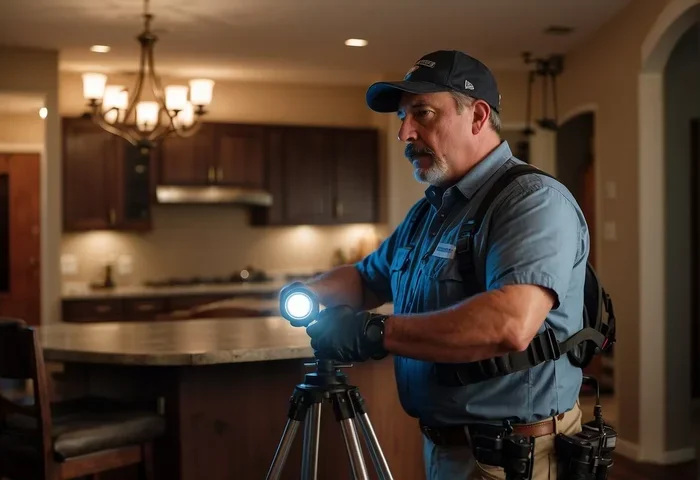
A bright, durable flashlight is non-negotiable. You will use it to inspect dark crawl spaces, attics, basements, and under cabinets. A headlamp frees up both hands, which is a huge advantage when you are climbing through tight spaces or examining hard-to-reach areas. Look for models with adjustable brightness and a red-light mode for preserving night vision in dark rooms.
Always carry a backup flashlight. There is nothing worse than being halfway through an attic inspection when your primary light dies. Many inspectors keep two or three flashlights in their kit at all times.
Tape Measures and Calipers
A good tape measure lets you check room dimensions, verify clearances, and confirm that installations meet building codes. A 25-foot tape is the standard, but having a shorter 16-foot tape for quick measurements saves time. Digital calipers come in handy when you need precise measurements for small components like electrical conduits or pipe fittings.
Quick tip: measure door heights and window widths on every inspection. Many older homes have uneven frames that can signal settling or structural shifts.
Utility Knives and Multi-Tools
A sturdy utility knife helps you open walls, cut test pieces, and strip insulation for inspection. Multi-tools with interchangeable blades add versatility and save space in your bag. Choose models with replaceable parts so you can keep your tools in top shape for years.
Electrical Testing Equipment
Electrical systems are one of the most critical areas a home inspector evaluates. Faulty wiring causes thousands of house fires every year, so having the right testing tools is essential for safety and accuracy.
Circuit Testers and Multimeters
A basic circuit tester lets you quickly check if outlets are live, properly grounded, and wired correctly. A digital multimeter takes your testing further by measuring voltage, amperage, and resistance with precision. These devices help you identify overloaded circuits, loose connections, and other hidden electrical problems.
Every home inspector should know how to read a multimeter display and interpret the results. If you are new to electrical testing, practice on known-good circuits first so you build confidence before inspecting a client’s home.
GFCI Outlet Checkers
Ground Fault Circuit Interrupter outlets protect against electrical shock in wet areas like kitchens, bathrooms, and garages. A GFCI outlet checker is a small, inexpensive device that instantly tells you whether an outlet is functioning properly. These checkers should be in every inspector’s pocket.
When you test GFCI outlets, press the test button on each one and verify that power cuts off. Then press reset and confirm power returns. This simple step can prevent serious safety issues from going unnoticed.
Moisture and Environmental Detection Tools
Water damage is one of the most common and expensive problems homeowners face. Detecting moisture early can save thousands of dollars in repairs. The right detection tools are a must for any thorough inspection.
Moisture Meters
A moisture meter is one of the most valuable tools in a home inspector’s kit. It measures the water content in wood, drywall, and other building materials. Pin-type meters send a small electrical current between two probes, while pinless meters use electromagnetic waves to scan beneath the surface.
Use a moisture meter in every inspection, especially in areas prone to water exposure. Check around bathrooms, kitchens, basements, and near exterior walls. High moisture readings often point to leaks, poor ventilation, or drainage problems that the naked eye cannot see.
Thermal Imaging Cameras
Thermal cameras detect temperature differences on surfaces, revealing hidden moisture, insulation gaps, and air leaks. They are especially useful for finding cold spots on walls that indicate missing insulation or for spotting heat loss around windows and doors.
While thermal cameras require an investment, they pay for themselves quickly by helping you catch issues that other tools miss. Many modern thermal cameras are compact and easy to carry in a tool bag, making them practical for everyday use.
HVAC and Appliance Inspection Tools
Heating, ventilation, and air conditioning systems are complex and expensive components of any home. Inspecting them properly requires specialized tools that can evaluate performance, detect faults, and assess overall condition.
Checking AC and Refrigeration Systems
When inspecting an air conditioning system, you need to verify that the unit is running efficiently and that all components are in good working order. Start by checking the outdoor condenser unit for debris, damage, or signs of wear. Then inspect the indoor evaporator coil and air handler for proper airflow and cleanliness.
During your inspection, pay close attention to the AC compressor, as it is the heart of the cooling system. A failing compressor can lead to complete system breakdown and costly repairs. Understanding how much does an AC compressor cost helps you advise clients on whether a repair or replacement makes more sense for their situation.
Understanding Compressor Components
Compressors can develop problems over time, and one common issue is short cycling, where the unit turns on and off too frequently. What causes a compressor to short cycle can include low refrigerant levels, dirty coils, or a malfunctioning thermostat. Being able to identify these signs during an inspection adds tremendous value for your clients.
You should also check the refrigerant lines for leaks, inspect electrical connections for corrosion, and listen for unusual noises during operation. Each of these checks helps you build a complete picture of the HVAC system’s health.
Refrigerator and Appliance Checks
Home inspectors often evaluate built-in appliances like refrigerators and dishwashers. When checking a refrigerator compressor, keep in mind that how long does a refrigerator compressor last typically ranges from 10 to 20 years depending on usage and maintenance. A compressor that is nearing the end of its life may need replacement soon, which is important information for a home buyer.
Quick tip: always check the model number and age of major appliances during your inspection. This information helps clients plan for future maintenance and replacement costs.
Inspecting Copper and Refrigerant Lines
Copper piping is commonly used in HVAC refrigerant lines, and its condition can tell you a lot about the overall system. The amount of copper in a compressor and refrigerant line setup varies by system type, but inspecting for corrosion, pinhole leaks, or improper soldering is a standard part of any HVAC check.
Look for greenish discoloration on copper pipes, which often signals a refrigerant leak or moisture exposure. Catching these issues early can prevent more extensive damage to the system and the surrounding structure.
Safety Gear and Personal Protection
A home inspector works in unpredictable environments. You may encounter asbestos, mold, lead paint, sharp edges, or exposed wiring. Protecting yourself is just as important as protecting your clients.
Respiratory Protection
A quality respirator mask is essential when inspecting older homes where asbestos or mold may be present. Disposable N95 masks work for most dust and particle situations, but for mold or asbestos, a half-face respirator with P100 filters provides better protection.
Always assess the environment before entering a space. If you see signs of mold, disturbed insulation, or deteriorating materials, put on your respirator before proceeding. Your health is worth more than skipping a quick check.
Eye and Ear Protection
Safety glasses protect your eyes from dust, debris, and falling particles when you are in attics, crawl spaces, or demolition areas. Ear protection is important when you are near loud equipment like HVAC units, power tools, or running appliances during testing.
Keep a pair of safety glasses and foam earplugs in your bag at all times. They take up almost no space and can prevent serious injuries.
Work Gloves and Knee Pads
Inspecting a home often involves crawling, kneeling, and reaching into tight spaces. A good pair of work gloves protects your hands from cuts, splinters, and sharp metal. Knee pads save your joints when you spend extended time on hard floors or in crawl spaces.
Choose gloves that offer good dexterity so you can still operate tools and write notes comfortably. Thin, nitrile-coated gloves are a popular choice among inspectors because they provide protection without sacrificing feel.
Inspection Software and Reporting Tools
Modern home inspection is as much about documentation as it is about physical assessment. The right software and reporting tools help you deliver professional, detailed reports that clients can understand and trust.
Digital Report Platforms
Inspection report software lets you create professional documents with photos, checklists, and custom notes. Many platforms offer templates specifically designed for home inspections, saving you hours of formatting time. Look for features like cloud storage, client sharing, and mobile compatibility so you can generate reports on the go.
Popular options include tools that allow you to annotate photos directly on the report and add recommendation notes for each finding. This level of detail impresses clients and reduces back-and-forth communication after the inspection.
Photo and Video Documentation
A good smartphone camera is your best friend during an inspection. Take clear, well-lit photos of every defect, every area of concern, and every system component. Video walkthroughs are becoming increasingly popular because they give clients a visual record they can revisit later.
Quick tip: always take photos from multiple angles. A single photo may not tell the full story, and having backup images strengthens your report and protects you professionally.
Additional Tools Worth Having in Your Kit
Beyond the core categories, there are several specialty tools that can elevate your inspections and set you apart from the competition.
A carbon monoxide detector is essential when inspecting homes with gas furnaces, water heaters, or fireplaces. A laser distance measurer saves time when you need to calculate room sizes or ceiling heights quickly. A sewer camera can reveal blockages or damage in underground lines, which is especially valuable for older properties.
Some inspectors also carry a simple stud finder for quick wall checks, a ladder for accessing roofs and upper levels, and a flashlight with a color temperature filter for identifying different materials under UV light.
Building a complete kit takes time and investment, but each tool earns its place by helping you deliver better, more thorough inspections. Start with the essentials and gradually add specialty tools as your experience and client base grow.
Key Takeaways
- A complete inspection kit starts with hand tools: flashlights, tape measures, utility knives, and multi-tools are the foundation of every inspection.
- Electrical testing equipment is critical for safety: circuit testers, multimeters, and GFCI outlet checkers help you catch dangerous wiring issues.
- Moisture and thermal detection tools reveal hidden problems: moisture meters and thermal cameras find water damage and insulation gaps that are invisible to the naked eye.
- HVAC inspection requires specialized knowledge and tools: understanding compressor function, short cycling causes, and component condition helps you assess system health accurately.
- Safety gear protects you on every job: respirators, safety glasses, ear protection, gloves, and knee pads should always be part of your kit.
- Digital reporting tools boost professionalism and efficiency: report software, photo documentation, and video walkthroughs create a superior client experience.
- Build your kit gradually: start with essentials and add specialty tools as your skills and client needs evolve.
Frequently Asked Questions
What is the most important tool a home inspector should have?
A reliable flashlight is arguably the single most important tool. Many inspection areas like attics, crawl spaces, and basements are completely dark, and without proper lighting, you simply cannot do a thorough job. Pair it with a headlamp for hands-free convenience when you need both hands available.
Do home inspectors need a thermal imaging camera?
While not strictly required for every inspection, a thermal imaging camera adds tremendous value. It helps detect hidden moisture, missing insulation, and air leaks that are invisible during a standard visual inspection. Many clients specifically look for inspectors who use thermal cameras because it shows a higher level of thoroughness.
How much does basic electrical testing equipment cost?
A basic circuit tester costs between $15 and $30, while a quality digital multimeter ranges from $50 to $150. GFCI outlet checkers are usually under $20. These are relatively small investments compared to the value they add to your inspection reports and the safety issues they help you catch.
What safety gear should a home inspector prioritize?
Respiratory protection should be your top priority, especially in older homes where asbestos, mold, or lead paint may be present. Safety glasses and work gloves are also essential for every inspection. Knee pads are a nice-to-have that saves your joints during extended crawl space or basement inspections.
Can a home inspector use a smartphone for documentation?
Absolutely. Most professional home inspectors rely heavily on their smartphones for taking photos, recording notes, and even generating reports. The key is to use a quality device with a good camera and to invest in a reliable inspection report app that keeps your data organized and secure.
How often should I update my inspection tools and equipment?
Inspect your tools before every job and replace anything that is damaged or not functioning properly. Electronic devices like moisture meters and thermal cameras should be calibrated annually according to the manufacturer’s guidelines. Keeping your equipment in top shape ensures accurate results and professional credibility.
Final Thoughts
The tools a home inspector carries directly impact the quality of every inspection. From the simplest flashlight to advanced thermal cameras, each piece of equipment serves a purpose and helps you deliver thorough, trustworthy reports. Building a well-organized kit takes time, but the investment pays off in better inspections, happier clients, and a stronger reputation in your market.
Start with the essentials covered in this guide, and gradually expand your toolkit as you gain experience and encounter new challenges. Stay curious, keep learning, and always prioritize the safety of yourself and your clients. The best home inspectors are the ones who show up prepared, and preparation starts with the right tools.
Remember that every inspection is an opportunity to provide value and build trust. When you have the right equipment and the knowledge to use it effectively, you can confidently tackle any property and any challenge that comes your way.