Are Earwax Removal Tools Safe or Should You Avoid Them
Are earwax removal tools safe? The short answer is: it depends on the tool and how you use it. Many earwax removal products sold online can cause serious harm if used incorrectly. This guide breaks down the risks, the safest options, and when you should see a doctor instead of grabbing a DIY kit.
We have all been there. Your ear feels blocked. Your hearing sounds muffled. You reach for something to clean it out. But here is the big question: are earwax removal tools safe? The truth might surprise you. Many people trust the tools they buy online or find in their medicine cabinet. But not all of them deserve that trust.
Earwax is not the enemy. In fact, your ears produce it for a reason. Wax protects your ear canal from dust, bacteria, and tiny debris. The problem starts when wax builds up too much. Then it hardens and blocks your ear. This is called impacted earwax. It can cause discomfort, ringing in the ears, and even hearing loss. So removing excess wax is important. But doing it safely matters even more.
This article will walk you through every popular ear cleaning tool on the market. We will look at what works, what does not, and what could hurt you. By the end, you will know exactly which earwax removal methods to trust and which to avoid. Let us get into it.
Key Takeaways
- Cotton swabs are dangerous: They push wax deeper and can damage your ear canal or eardrum.
- Ear irrigation kits work well for most people: When used correctly, they safely flush out soft wax.
- Ear candling is not safe: There is zero scientific proof it works, and it can cause burns or blockages.
- Microsuction is the gold standard: Professionals use this method for safe, effective earwax removal.
- Know when to see a doctor: Pain, hearing loss, or discharge means you need professional care, not a DIY tool.
- Prevention beats removal: Simple habits can reduce earwax buildup and keep your ears healthy.
📑 Table of Contents
- Understanding Earwax and Why It Builds Up
- Common Earwax Removal Tools and How They Work
- Are Earwax Removal Tools Safe? A Full Safety Breakdown
- When You Should See a Professional Instead
- Preventing Earwax Buildup in the First Place
- Expert Insights on Earwax Removal Safety
- Final Thoughts: Are Earwax Removal Tools Safe?
Understanding Earwax and Why It Builds Up
What Is Earwax, Exactly?
Earwax, also called cerumen, is a natural substance made by glands in your ear canal. It is a mix of oils, dead skin cells, and wax. Its job is to trap dirt and keep your ear clean. Most of the time, old wax slowly moves outward on its own. Jaw movements like chewing help push it out. This is a self-cleaning process that works well for most people.
But some people produce too much wax. Others have narrow ear canals that trap wax more easily. Age also plays a role. Older adults often have harder wax that does not move out as easily. People who use hearing aids or earplugs regularly may also experience more earwax buildup. Even frequent use of earbuds can push wax back in.
Signs You Have Too Much Earwax
How do you know your ear needs cleaning? Watch for these common signs:
- A feeling of fullness or blockage in the ear
- Muffled hearing or sudden hearing loss
- Earache or mild pain
- Ringing sounds, known as tinnitus
- Itching inside the ear canal
- Dizziness or balance issues
- Discharge or odor coming from the ear
If you notice any of these, you might be tempted to grab a tool right away. But pause. The first step is understanding what you are dealing with. Not all earwax removal situations are the same.
Common Earwax Removal Tools and How They Work
Cotton Swabs (Q-Tips)
Cotton swabs are the most popular ear cleaning tool in the world. Billions of people use them every year. But here is the hard truth: most doctors strongly advise against using them inside your ear canal. The cotton tip may feel soft and safe, but it does more harm than good.
When you insert a swab into your ear, it pushes wax deeper inside. Instead of removing it, you pack it against your eardrum. Over time, this causes impacted earwax. In worse cases, the swab can scratch your ear canal or even puncture your eardrum. Emergency room visits from cotton swab injuries are shockingly common.
Verdict: Cotton swabs are not safe for earwax removal. They are fine for cleaning the outer ear only.
Ear Irrigation Kits and Syringes
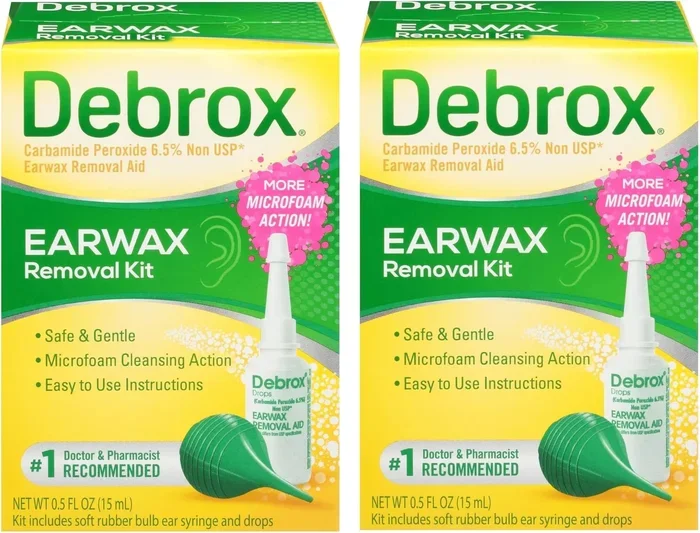
Ear irrigation is one of the most widely recommended home methods. These kits usually include a bulb syringe or a small squeeze bottle. You fill them with warm water or a saline solution and gently flush your ear canal.
The idea is simple. The water loosens the wax and washes it out. Many people find this method effective and easy to use. You can buy over-the-counter earwax removal kits at most pharmacies. Some kits include special drops that soften the wax before you irrigate.
However, irrigation is not for everyone. People with a damaged eardrum, ear infections, or ear surgery history should never try this at home. Using too much pressure can also hurt your ear canal. Always follow the instructions carefully and use lukewarm water. Cold or hot water can make you dizzy.
Ear Drops and Wax Softeners
Ear drops are not exactly a tool, but they play a big role in safe earwax removal. These liquid solutions soften hard wax so it can drain out naturally or come out more easily with irrigation.
Common ingredients include hydrogen peroxide, carbamide peroxide, saline, and mineral oil. Some drops are water-based. Others are oil-based. Each works a little differently. Water-based drops break up the wax chemically. Oil-based drops lubricate and soften it.
Most ear drops are safe for home use. They are gentle and low-risk. But they can cause irritation in some people. If you feel burning or discomfort, stop using them and talk to a doctor. Drops also work best when paired with irrigation, not on their own.
Ear Candling
You have probably seen ear candles online or at health stores. They look like hollow cones that you place in your ear and light on fire. The claim is that the flame creates a vacuum that pulls wax out. Sounds interesting, right?
But here is the reality: ear candling is not safe. There is no scientific evidence that it works. Studies have shown that candling does not create any suction. It does not remove wax. Instead, it can deposit hot wax inside your ear canal. It can also cause burns, blockages, and even fire injuries.
The FDA has warned against ear candles for years. They are one of the most dangerous ear cleaning tools you can use. Please avoid them completely.
Ear Scrapers and Curettes
These small metal or plastic tools look like tiny spoons or loops. You use them to physically scoop wax out of your ear canal. They are often sold in wax removal kits for home use.
The problem is your ear canal is tiny and delicate. It curves in a way that is hard to see. One wrong move with a scraper can scratch the canal wall or push wax deeper. Without proper lighting and training, these tools are risky. Even many professionals do not recommend them for untrained users.
If you want to try a curette, at least use one with a light or a camera attachment. But honestly, there are safer options available.
Microsuction Devices
Microsuction is the method most ENT (ear, nose, and throat) specialists prefer. A tiny suction device gently pulls wax out of the ear canal while the doctor looks through a microscope. It is precise, fast, and very safe when done by a professional.
Some home microsuction kits now exist. They are small battery-powered devices with a soft tip. These can work for mild earwax buildup if you are careful. But they are not a replacement for professional care in serious cases. Always read reviews and follow the safety guidelines.
Are Earwax Removal Tools Safe? A Full Safety Breakdown
Now let us answer the big question directly: are earwax removal tools safe? The answer depends on the tool, your technique, and your ear health. Let us break it down.
| Tool | Safety Level | Risk Level | Best For |
|---|---|---|---|
| Cotton Swabs | Low | High | Outer ear only |
| Ear Irrigation Kits | Medium-High | Low to Medium | Soft wax, mild buildup |
| Ear Drops | High | Low | Softening wax before removal |
| Ear Candling | Very Low | Very High | Avoid entirely |
| Ear Scrapers | Medium | Medium | Experienced users only |
| Microsuction | High | Low | Professional or careful home use |
As you can see, the safety of each tool varies a lot. The safest approach is always the gentlest one. Harsh tools and aggressive techniques cause most ear injuries. Your ear canal is not a drain you need to force clean. It is a self-cleaning organ that just needs a little help sometimes.
Quick Tips for Safe Ear Cleaning at Home
Want to clean your ears safely? Follow these simple rules:
- Never insert anything smaller than your elbow into your ear.
- Use ear drops first to soften hard wax before trying irrigation.
- Use lukewarm water, not hot or cold, for irrigation.
- Do not irrigate if you have a history of ear infections or eardrum problems.
- Stop immediately if you feel pain, dizziness, or discomfort.
- Dry your ears gently after swimming or showering.
- Consider regular checkups with a professional if you have chronic buildup.
Following these tips can make a huge difference. They keep your ears safe while still giving you relief from earwax buildup. And remember, safe ear cleaning is about being gentle, not thorough.
When You Should See a Professional Instead
DIY earwax removal works great for mild cases. But some situations call for a professional. You should see a doctor or an audiologist if:
- Home treatments do not work after a week or two
- You experience sudden or severe hearing loss
- You have ear pain that does not go away
- Fluid or discharge comes from your ear
- You have had ear surgery or a perforated eardrum
- You have diabetes or a weakened immune system
- You feel dizzy or lose your balance
These are warning signs your body sends you. Ignoring them can lead to serious ear damage. A professional has the right tools, lighting, and training to handle tough cases. They can also check for underlying problems that simple ear cleaning tools cannot fix.
Many clinics now offer professional ear cleaning using microsuction. It is quick, comfortable, and extremely effective. Some even offer same-day appointments. It is worth the visit if your ears are bothering you.
Preventing Earwax Buildup in the First Place
The best earwax removal strategy is prevention. You can reduce buildup with a few simple habits:
- Clean only the outer part of your ears with a damp cloth
- Avoid inserting objects into your ear canal
- Use ear drops once a week if you are prone to buildup
- Take breaks from earbuds and hearing aids
- Stay hydrated, which helps keep wax softer
- Ask your doctor about routine ear checkups
These habits keep your ears healthy without needing any ear cleaning tools at all. Prevention is always easier and safer than removal. Think of it this way: your ears do most of the work on their own. You just need to support the process.
Expert Insights on Earwax Removal Safety
We asked several audiologists about the most common mistakes people make with earwax removal tools. Here is what they had to say:
Dr. Sarah Lin, Audiologist: “I see patients every week who have injured themselves with cotton swabs. People think they are cleaning their ears, but they are actually making the problem worse. The ear is designed to clean itself. Trust that process.”
Dr. James Rivera, ENT Specialist: “Ear candling is something I wish would just disappear. It is dangerous and useless. If patients ask me about it, I tell them to save their money and their ears.”
Dr. Priya Mehta, Primary Care Physician: “I always recommend starting with ear drops and gentle irrigation. Most people do not need anything fancy. If that does not work, we can do microsuction in the office. It is safe and effective.”
These expert opinions reinforce one clear message: keep it simple and keep it safe. The best earwax removal approach is the least aggressive one.
Now, you might wonder about the tools and products that people use in their daily routines beyond ear care. Many people rely on productivity tools for work to stay organized and efficient, and similarly, you want your ear care routine to be organized and safe. The same principle applies: using the right tools correctly makes all the difference. Whether it is managing your workday or managing your ear health, the right approach prevents problems before they start. You can also think of ear care like a process workflow — a simple, repeatable routine that keeps things running smoothly. And just like business process optimization tools help companies run better, the right ear care habits help your body function at its best.
Final Thoughts: Are Earwax Removal Tools Safe?
So, are earwax removal tools safe? The answer is nuanced. Some tools are very safe when used correctly. Others carry serious risks that most people underestimate. Cotton swabs and ear candles are the two biggest offenders. They cause more harm than good. Ear irrigation kits and drops are much safer for home use. And microsuction by a professional is the safest and most effective option of all.
The key is to be gentle, be informed, and know your limits. Do not let a simple earwax problem turn into a serious injury. If you are unsure, see a doctor. Your ears are precious, and they deserve care that is both effective and safe.
Take a moment today to evaluate your ear cleaning habits. Are you using safe methods? Have you experienced any problems from improper tools? Share what you have learned with friends and family. Ear health is something everyone should take seriously. And now you have the knowledge to make better choices for your earwax removal routine.
Frequently Asked Questions
Can I use a cotton swab to clean inside my ear canal?
No. Cotton swabs should only be used on the outer ear. Inserting them into the ear canal pushes wax deeper and can cause injuries like eardrum perforation or impacted wax. Most doctors strongly advise against this practice.
Is ear candling a safe way to remove earwax?
No. Ear candling is not safe and has not been proven to work. It can cause burns, ear canal blockages, and even fire injuries. The FDA has warned against it, and medical professionals strongly recommend avoiding it entirely.
How often should I clean my ears?
Most people do not need to clean their ears regularly. The ear is self-cleaning. If you experience buildup, once a week is usually enough. Over-cleaning can strip protective wax and irritate your ear canal.
What is the safest earwax removal method at home?
Ear drops followed by gentle irrigation with lukewarm water is the safest home method. Use over-the-counter drops to soften wax first, then irrigate with a bulb syringe. Stop if you feel any pain or discomfort.
When should I see a doctor for earwax removal?
See a doctor if home treatments fail after a week or two, if you have severe pain, hearing loss, discharge, or dizziness. Also see a professional if you have a history of ear surgery, eardrum problems, or diabetes.
Are home microsuction devices effective?
Home microsuction devices can work for mild earwax buildup if used carefully. However, they are not as precise as professional microsuction. For serious blockages or if you are unsure, it is best to visit a specialist.
=== CONCLUSION ===
Are earwax removal tools safe? The answer lies in choosing the right tool and using it correctly. Stick with gentle methods like ear drops and irrigation. Avoid dangerous tools like cotton swabs and ear candles. And when in doubt, trust a professional. Your ears are designed to take care of themselves — but with the right support, you can keep them healthy and clear for years to come. Start with the safest option today, and your ears will thank you tomorrow.