How to Remove Rust on Tools with These Simple Tricks
Removing rust from tools is easier than most people think. You can use household items like vinegar, lemon, and baking soda to bring rusted tools back to life. This guide covers every method you need, from natural rust removal to chemical solutions, plus tips to prevent rust from coming back.
There is nothing more frustrating than grabbing a favorite tool only to find it covered in orange rust. Whether it is a trusty wrench, a hand saw, or a power drill, rust on tools can make them look useless. But here is the good news. Most rusted tools can be saved with simple methods you can do right at home.
Rust happens when metal meets moisture and oxygen over time. It is a natural process, but it does not have to mean the end of your favorite tools. In this guide, we will walk you through every practical method for rust removal on tools. You will learn how to use household items, chemical solutions, and even electricity to strip away corrosion. We will also cover how to keep your tools rust-free for the long haul.
Whether you are dealing with a slightly rusty hand tools rust problem or a badly corroded power tool, this article has you covered. Let us dive in and bring those tools back to life.
Key Takeaways
- White vinegar and lemon juice are the best natural rust removers you already have at home.
- Steel wool and sandpaper work great for light to moderate surface rust on hand tools.
- Chemical rust dissolvers are ideal for heavy corrosion on power tools and large equipment.
- Proper tool storage and oiling are the best ways to prevent rust from forming again.
- Electrolysis rust removal is a powerful DIY method for severely rusted metal pieces.
- Know when to replace a tool instead of spending time restoring it beyond repair.
📑 Table of Contents
Why Do Tools Get Rusty?
Understanding why tools rust helps you prevent it in the future. Rust is not just dirt. It is a chemical reaction called oxidation. When iron or steel tools are exposed to water and air, the metal begins to break down. This creates the flaky, reddish-brown layer we know as rust.
Several factors speed up the rusting process. Humidity is a big one. If you live in a damp climate or store tools in a garage without climate control, your tools are at higher risk. Salt exposure also accelerates corrosion. If you use tools near the coast or handle them with sweaty hands, the salt on your skin can trigger rust formation.
Another common cause is simply leaving tools wet after cleaning. Many people wipe down their tools but do not dry them properly. Even a thin film of moisture can lead to corroded tools over time. Storing tools in closed, damp spaces like sheds or basements makes the problem even worse.
The type of metal matters too. Carbon steel rusts much faster than stainless steel. Cast iron tools are also very prone to rust. Knowing your tool material helps you choose the right rust prevention strategy and removal method.
The Science Behind Rust Formation
At a chemical level, rust forms when iron reacts with oxygen in the presence of water. The reaction creates iron oxide, which is that reddish-brown substance on your tools. This process is called electrochemical corrosion. It happens faster in acidic environments or when different metals are in contact with each other.
Even brief exposure to moisture can start the process. A tool left out overnight in a humid garage can develop surface rust by morning. Over weeks and months, that surface rust eats deeper into the metal. Eventually, it can weaken the tool and make it unsafe to use.
Best Methods to Remove Rust from Tools
Now let us get to the fun part. There are many ways to remove rust from tools, ranging from gentle household remedies to more aggressive chemical treatments. The right method depends on how bad the rust is and what type of tool you are working with.
Method 1: Vinegar Soak for Rust Removal
White vinegar is one of the most effective and affordable rust removal solutions. The acetic acid in vinegar dissolves rust without harming the underlying metal. This method works well for small to medium-sized tools.
To use this method, simply submerge the rusted tool in a container filled with undiluted white vinegar. Make sure the entire rusted surface is covered. Let it soak for at least 8 hours or overnight. For lighter rust, 2 to 3 hours may be enough.
After soaking, remove the tool and scrub the rust away with steel wool or a stiff brush. For stubborn spots, sprinkle baking soda on the area and scrub again. Rinse the tool thoroughly with clean water and dry it immediately. This is one of the most popular vinegar rust removal methods, and it really works.
Quick Tip: If you cannot submerge a large tool, wrap a rag soaked in vinegar around the rusted area and secure it with plastic wrap. Leave it on for several hours, then scrub.
Method 2: Lemon Juice and Salt Scrub
Lemon juice is another excellent natural option for rust removal. The citric acid in lemons breaks down rust effectively. Combine this with salt, and you have a powerful homemade rust remover.
Start by sprinkling coarse salt generously over the rusted surface. Cut a lemon in half and squeeze the juice directly onto the salt. Let the mixture sit for 2 to 3 hours. Then use the lemon half or a scrub brush to work the paste into the rust. The acid and the abrasive salt work together to lift the corrosion away.
This method is especially good for hand tools rust like wrenches, pliers, and screwdrivers. It is gentle enough not to damage the tool surface while still being effective. Rinse and dry the tool completely after scrubbing.
Method 3: Baking Soda Paste
Baking soda is a mild abrasive that works well for light surface rust. Make a thick paste by mixing baking soda with a small amount of water. Apply the paste directly to the rusted area and let it sit for about an hour.
After the paste has dried, scrub the area with a soft brush or an old toothbrush. For tougher rust, leave the paste on longer or apply a second coat. This method is safe for all tool surfaces and does not require any harsh chemicals. It is a great starting point if you want a gentle approach to rust dissolver treatment.
Quick Tip: For best results, mix baking soda with a few drops of water and a tiny bit of white vinegar. The fizzing action helps lift rust particles from the metal surface.
Method 4: Electrolysis Rust Removal
Electrolysis is a more advanced but incredibly effective method for rusted metal restoration. It uses a simple electrical current to reverse the oxidation process. This method works wonders on heavily rusted tools and can restore them to near-new condition.
You will need a plastic container, washing soda (sodium carbonate), a piece of scrap steel or rebar, and a battery charger. Fill the container with water and dissolve about one tablespoon of washing soda per gallon of water. Attach the positive clamp to the scrap steel and the negative clamp to your rusted tool. Submerge both in the solution.
Turn on the charger and let the tool soak for 12 to 24 hours. The rust will migrate from the tool to the scrap steel. Once done, remove the tool, scrub off any remaining rust, and dry it thoroughly. This method is safe for the tool and does not remove any base metal. It is one of the best electrolysis rust removal techniques for serious rust problems.
Expert Insight: Electrolysis is especially useful for large tools or tools with intricate parts where scrubbing would be difficult. Many professional mechanics and restorers swear by this method for rusted wrench and engine part restoration.
Method 5: Chemical Rust Removers
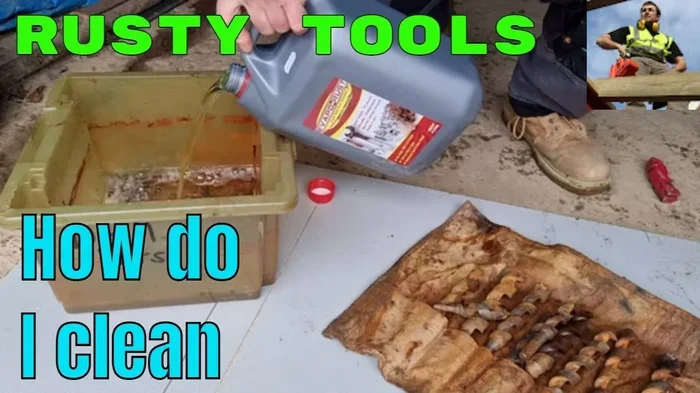
When home remedies are not enough, commercial chemical rust removers come to the rescue. Products like phosphoric acid-based solutions and WD-40 rust removers are designed specifically for heavy corrosion. They work faster than natural methods and can tackle severe rust on both hand tools and power tools.
Always read the product instructions carefully before use. Most chemical rust removers require application to the rusted surface, a waiting period, and then scrubbing or rinsing. Work in a well-ventilated area and wear gloves and eye protection. These products are strong and can irritate skin and eyes.
For power tools rust or tools with delicate finishes, test the chemical on a small hidden area first. Some removers can strip paint or coatings if left on too long. Follow up with a light oil to protect the clean metal surface after treatment.
Natural Rust Removal Solutions You Can Try Today
Not everyone wants to buy commercial products. The good news is that many effective rust removal solutions are already in your kitchen or garage. These natural methods are safe, affordable, and surprisingly powerful.
Using Potatoes and Dish Soap
This might sound strange, but potatoes are a surprisingly effective rust remover. The oxalic acid in potatoes breaks down rust naturally. Cut a potato in half and add a few drops of dish soap to the cut side. Rub the potato directly on the rusted surface. The oxalic acid does the work while the dish soap helps the potato glide smoothly over the metal.
This method works best for light to moderate rust. For heavier rust, cut a fresh potato slice and apply it to the affected area. Let it sit for 30 minutes, then scrub with steel wool. Rinse and dry the tool when finished.
Cola Soda Soak
Pour some cola into a container and submerge the rusted tool. The phosphoric acid in cola dissolves rust effectively. Leave the tool in the cola for 24 hours, then scrub and rinse. This is a fun and easy method that works well for lightly rusted tools. It is also a great way to use up that half-empty soda can sitting in your garage.
Citric Acid Solution
Citric acid powder can be found in most grocery stores. Mix about two tablespoons of citric acid with one quart of warm water. Soak the rusted tool in the solution for several hours. The acid dissolves rust quickly and leaves the metal clean. This is one of the most concentrated natural rust removal options available.
Quick Tip: Citric acid is also sold in crystal form at health food stores. It dissolves quickly in warm water and works even faster than the grocery store version.
How to Prevent Rust on Your Tools
Removing rust is only half the battle. The real secret is preventing it from coming back. Once you have restored your tools, taking a few simple steps can keep them in great shape for years.
Dry Tools Thoroughly After Every Use
Moisture is the number one enemy of metal tools. Always dry your tools completely after cleaning or using them. Keep a clean rag in your toolbox and make it a habit to wipe down every tool before storing it. This simple step alone can prevent most rust problems.
Apply a Protective Coating
A thin layer of oil creates a barrier between the metal and moisture. Use a light machine oil, camellia oil, or a dedicated tool protectant. Wipe a small amount onto the surface of each tool after cleaning. For larger tools, a spray-on protectant works well. This is a key part of tool maintenance that many people overlook.
For long-term storage, consider applying a thin coat of paste wax or a rust-inhibiting spray. These products create a durable barrier that protects tools even in humid conditions.
Store Tools in a Dry Environment
Proper tool storage makes a huge difference. Keep your tools in a dry, climate-controlled space whenever possible. If your garage or workshop tends to be damp, consider using a dehumidifier. Tool chests with rubber gaskets help keep moisture out. You can also place silica gel packets or rust-inhibiting VCI (Vapor Corrosion Inhibitor) strips inside your toolbox.
For larger equipment like an air compressor, proper storage and maintenance are critical. Make sure to start and run your air compressor regularly to keep internal components in good working order. Moisture can build up inside compressors during long periods of inactivity, leading to internal rust. If you own a Craftsman model, also remember to drain the tank regularly to prevent moisture buildup that causes corrosion.
Use Rust-Resistant Tool Materials
When it is time to replace old tools, consider choosing stainless steel or chrome-vanadium options. These materials resist rust much better than plain carbon steel. While they may cost a bit more upfront, they save you time and money in the long run by staying rust-free longer.
Common Mistakes When Removing Rust from Tools
Even with the best intentions, people make mistakes when trying to remove rust. Avoiding these common errors can save you time and protect your tools.
- Using steel wool on finished surfaces. Steel wool is great for bare metal but can scratch polished or coated tool surfaces. Use a softer brush or nylon pad for finished tools.
- Leaving tools wet after cleaning. This is the fastest way to undo all your hard work. Always dry tools completely before storing them.
- Using too much acid. Natural acids like vinegar and lemon are gentle, but leaving them on too long can pit the metal. Follow the recommended soaking times.
- Skipping the protective oil after treatment. A clean, dry tool without any protection will rust again quickly. Always apply a light coat of oil after rust removal.
- Trying to restore badly damaged tools. If a tool is deeply pitted or the rust has eaten through the metal, restoration may not be safe or practical. Know when to let go.
When to Replace Instead of Restore
Not every rusted tool is worth saving. If the rust has eaten through the metal or created deep pits, the tool may be structurally weak. Using a compromised tool can be dangerous, especially with power tools or cutting tools.
If you have a tool that is beyond repair, consider what to do with it responsibly. Instead of throwing it in the trash, look into recycling options or proper disposal methods for old tools. Many scrap metal facilities accept rusted tools and recycle the metal for new uses.
Sometimes the cost of restoring a very old tool exceeds the cost of buying a new one. Use your judgment. If the tool holds sentimental value, restoration is worth the effort. If it is a cheap, replaceable item, it may make more sense to invest in a new one and take better care of it going forward.
Conclusion
Removing rust on tools does not have to be a difficult or expensive project. Whether you choose a natural method like vinegar or lemon, a chemical rust remover, or the power of electrolysis, there is a solution that fits every rust level and every budget. The key is to act quickly. The longer rust sits on a tool, the deeper it eats into the metal.
Once your tools are rust-free, take the time to protect them. A little oil, proper drying, and smart storage go a long way toward keeping your tools in excellent condition. With the methods in this guide, you can restore almost any rusted tool and keep it working for years to come. Start with the method that fits your situation, and enjoy the satisfaction of bringing your tools back to life.
Remember, tool maintenance is an ongoing process. Make rust prevention part of your regular routine, and your tools will always be ready when you need them.
Frequently Asked Questions
Can you remove rust from tools with vinegar?
Yes, white vinegar is one of the most effective natural rust removers. The acetic acid in vinegar dissolves rust without damaging the underlying metal. Simply soak the rusted tool in vinegar for several hours, then scrub with steel wool and dry thoroughly.
How long does it take to remove rust from tools?
The time depends on the severity of the rust and the method you use. Light surface rust can be removed in 30 minutes with a vinegar soak and scrubbing. Heavy rust may require overnight soaking or multiple treatments with chemical rust removers or electrolysis.
Is rust on tools dangerous?
Rust itself is not toxic, but it can weaken tools and make them unsafe. A rusted wrench or blade may break under pressure, causing injury. It is also best to avoid using heavily rusted tools on food preparation surfaces or in any situation where metal fragments could contaminate a workspace.
Can WD-40 remove rust from tools?
Yes, WD-40 can help remove light to moderate rust. Spray it on the rusted surface, let it sit for a few minutes, then scrub with steel wool or a brush. WD-40 also works well as a protective coating after rust removal to prevent future corrosion.
What is the best homemade rust remover?
White vinegar is widely considered the best homemade rust remover. It is inexpensive, readily available, and effective on most rust levels. For a more abrasive approach, a paste of baking soda and water also works well for surface rust removal.
Should you throw away rusted tools?
Not necessarily. Most rusted tools can be restored with the right method. Only throw away tools that are deeply pitted, structurally compromised, or too damaged to safely use. For tools that cannot be saved, consider recycling them at a scrap metal facility instead of sending them to a landfill.