What to Look for in an Air Compressor and Why It Matters
Choosing the right air compressor means understanding tank size, PSI, CFM, and motor power. This guide breaks down every key feature so you can buy with confidence and avoid costly mistakes. Whether you need a portable unit for home DIY or a heavy-duty model for a workshop, we cover what matters most.
An air compressor is one of those tools that quietly transforms how you work. Whether you are inflating tires, powering nail guns, or running an entire paint booth, the right compressor makes every job faster and easier. But here is the problem. Most people buy the first compressor they see at the hardware store and end up frustrated.
The issue is not the machine itself. It is that they did not know what to look for. Tank capacity, pressure ratings, motor size, duty cycle, and noise level all play a role. And when you get even one of these wrong, the compressor either cannot keep up or costs way more than it should.
This guide walks you through every important feature step by step. We explain what each spec means, why it matters, and how to match it to your actual needs. By the end, you will feel confident walking into any store or scrolling through any online listing. You will know exactly what to look for in an air compressor and why each detail counts.
We also share real-world examples and practical tips you will not find on the back of a product box. Think of this as your personal buying guide written by someone who has tested dozens of compressors over the years. Let us dive in.
Key Takeaways
- Tank Size Matters: Larger tanks deliver more continuous air and reduce motor cycling, which extends the life of your compressor.
- PSI and CFM Are Critical: Match these ratings to your tools to ensure peak performance without overpaying.
- Electric vs Gas: Each type has clear strengths. Electric is quieter and cleaner; gas offers mobility and raw power.
- Duty Cycle Affects Runtime: A higher duty cycle means your compressor can run longer without overheating.
- Budget Wisely: The cheapest option often costs more long-term. Balance upfront cost with durability and features.
- Maintenance Is Simple: Regular oil changes, filter cleaning, and drain routines keep your compressor running for years.
📑 Table of Contents
Understanding Air Compressor Basics
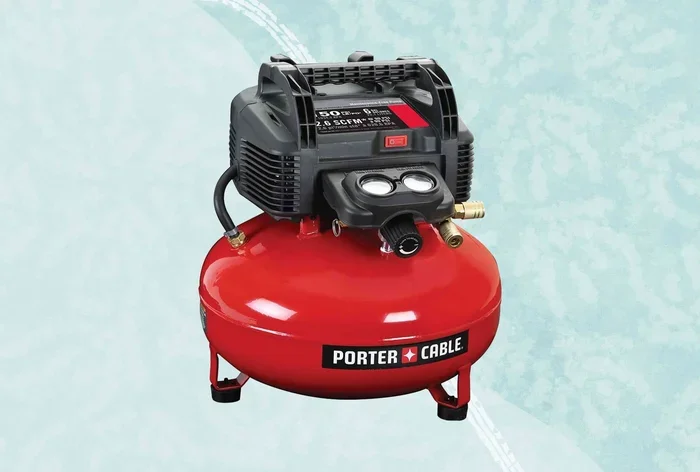
Before you compare models, you need to understand how an air compressor actually works. The concept is simple. A motor drives a pump that squeezes air into a tank. When you pull the trigger on a tool, that stored air rushes out and does the work.
But the simplicity of the idea hides a lot of important engineering. Different compressors handle air differently. Some run constantly. Others cycle on and off. Some are built for light home use. Others can power an entire workshop. Knowing the basics helps you make sense of the numbers and specs you will encounter.
How Air Compressors Work
Here is the basic process in plain terms. The motor spins a pump. The pump pulls in outside air and compresses it. The compressed air flows into the tank. A pressure switch turns the motor off when the tank reaches a set PSI level. When you use air, the pressure drops. The switch turns the motor back on to refill the tank.
This cycle repeats throughout your work session. The faster the motor cycles, the more wear it experiences. That is where tank size and duty cycle come into play. A bigger tank holds more air, so the motor does not need to kick on as often. Less cycling means less heat, less wear, and a longer machine life.
Common Types of Air Compressors
Not all compressors are built the same way. Here are the most common types you will encounter.
- Reciprocating Compressors: These use pistons to compress air. They are affordable, widely available, and great for home workshops and light commercial use.
- Rotary Screw Compressors: These use two spinning rotors to compress air. They run cooler, last longer, and handle heavy continuous use better. They cost more upfront but shine in professional settings.
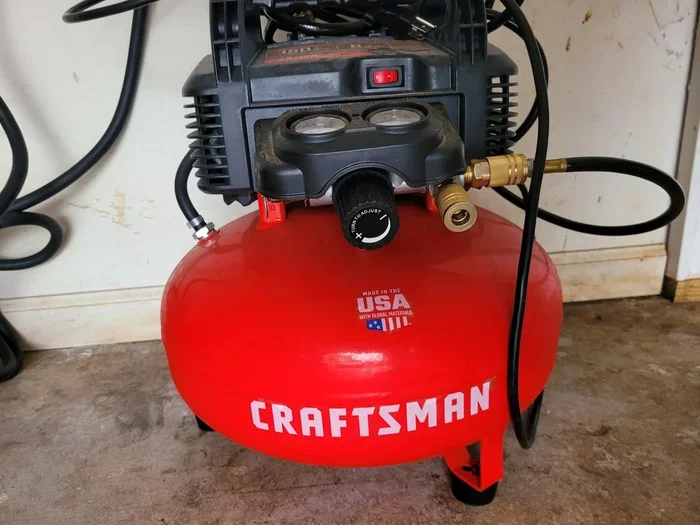
- Portable Compressors: Compact and lightweight. These are perfect for tire inflation, small nail guns, and occasional DIY tasks.
- Stationary Compressors: Larger and more powerful. These stay in one place and deliver consistent air supply for professional workshops and industrial applications.
Each type has its place. The key is matching the type to your actual use case. A portable electric air compressor makes sense for a garage hobbyist. A rotary screw unit makes sense for a full-time auto shop.
Key Features to Look For
Now let us get into the heart of the matter. What exactly should you be looking at when comparing compressors? Here are the features that matter most.
Tank Size and Capacity
Tank size is measured in gallons. A small compressor might have a 1- or 2-gallon tank. A large industrial unit could hold 80 gallons or more. The tank size directly affects how much compressed air is available before the motor needs to kick back on.
For light tasks like inflating a basketball or using a small brad nailer, a 1- to 6-gallon tank works fine. For heavier work like running a impact wrench or spray painting, look at tanks in the 20- to 60-gallon range. A larger tank means fewer interruptions and less motor strain.
Think of it like a fuel tank. A bigger tank lets you work longer without stopping to refuel. If you plan on running tools for extended periods, investing in a larger tank pays off quickly.
PSI and CFM Ratings
PSI stands for pounds per square inch. It measures the pressure of the air coming out of the compressor. CFM stands for cubic feet per minute. It measures the volume of air delivered at a given pressure.
These two numbers work together. Most pneumatic tools list their required PSI and CFM on the label. You want your compressor to meet or exceed those numbers. Here is a quick reference for common tools.
- Brad Nailer: 70-90 PSI, 0.3-0.5 CFM
- Impact Wrench: 90-100 PSI, 4-5 CFM
- Paint Spray Gun: 15-40 PSI, 5-15 CFM
- Sandblaster: 90-100 PSI, 10-15 CFM
- Tire Inflator: 30-35 PSI, 2-4 CFM
The trick is to add up the CFM requirements of all the tools you plan to run at the same time. Then add a 50% buffer. If your tools need 8 CFM combined, get a compressor that delivers at least 12 CFM. This prevents the compressor from running constantly and overheating.
Motor Power and Horsepower
Horsepower, or HP, tells you how much power the motor produces. But HP alone does not tell the whole story. A compressor with 5 HP and a small tank might not deliver as much usable air as a 3 HP unit with a large tank.
Focus on the combination of HP, tank size, and CFM. A higher HP motor can compress air faster, which means it can keep up with heavy tool use. For most home workshops, a 1- to 3 HP motor is plenty. For professional or industrial use, look at 5 HP and above.
Also pay attention to the motor type. Oilless motors require less maintenance. Oil-lubricated motors run cooler and last longer under heavy use. Choose based on how hard you plan to push the machine.
Duty Cycle Explained
Duty cycle is the percentage of time a compressor can safely run within a 10-minute period. A 50% duty cycle means the compressor can run for 5 minutes and then needs 5 minutes to cool down. A 100% duty cycle means it can run continuously without stopping.
This matters more than most people realize. If you are running a sandblaster or spray system for long stretches, a compressor with a low duty cycle will keep shutting off and interrupting your work. Look for compressors rated at 70% duty cycle or higher for serious work.
Noise Level
Compressors can be loud. Some models produce over 85 decibels, which is about the same as heavy traffic. If you are working in a garage attached to your house or in a neighborhood workshop, noise becomes a real concern.
Quieter models are available. Many oil-free compressors run at 60-70 decibels, which is about the level of a normal conversation. If noise matters to you, look for compressors specifically marketed as quiet or low-decibel. Your ears and your neighbors will thank you.
Choosing the Right Compressor Type
With so many options on the market, how do you decide which type is right for you? The answer depends on three things. What tools will you run? Where will you use the compressor? And how much are you willing to spend?
Portable vs Stationary
A portable compressor is lightweight and easy to move around. These are ideal for people who need to take their tools to different job sites. They also work great for garage storage where space is limited.
A stationary compressor stays in one spot. It connects to your workshop through air lines. The tradeoff is mobility. In exchange, stationary units typically offer larger tanks, higher CFM, and more consistent performance.
If you are a contractor moving between locations, a portable air compressor is the clear winner. If you have a dedicated workshop, a stationary model gives you more power and capacity.
Electric vs Gas Powered
Electric compressors plug into a standard outlet. They are quieter, cleaner, and require less maintenance. They are perfect for indoor use and home workshops. The downside is that they are limited by the power outlet. You cannot run an electric compressor in a remote field location without an extension cord or generator.
Gas compressors run on gasoline or propane. They deliver more raw power and do not need an electrical outlet. This makes them ideal for construction sites and outdoor work. The tradeoff is noise, fumes, and more maintenance. You also need to manage fuel costs and storage.
One thing worth noting. If you are considering using a generator to power an electric compressor at a remote site, you should understand what can and cannot run on your generator. For example, knowing how much is a generator for a house can help you budget for a backup power solution. Similarly, understanding how many watt generator to run a house helps you figure out whether your existing generator can handle the compressor load.
Budget and Value Considerations
Price is always a factor. But the cheapest compressor is rarely the best value. Here is why. A low-cost compressor might save you money upfront but cost you more in repairs, downtime, and frustration over time.
Set a realistic budget based on what you need the compressor to do. For occasional home use like inflating tires and running a brad nailer, a 1- to 2-gallon electric compressor in the $150-$300 range works well. For a serious workshop with multiple pneumatic tools, budget $500-$1,500 for a quality 20- to 60-gallon unit.
Professional-grade compressors for continuous industrial use can run well above $2,000. At this level, you are investing in durability, performance, and minimal downtime. Think of it like buying a vehicle. A reliable daily driver costs more than a cheap beater, but it saves you money and headaches in the long run.
Also consider the cost of accessories. You will need air hoses, fittings, regulators, and possibly an air dryer. These add up. Factor them into your budget from the start so there are no surprises when it is time to set up your system.
Maintenance and Longevity
A good compressor can last 10 to 15 years or more with proper care. The maintenance is not complicated, but it does require consistency.
Here are the basic maintenance tasks every compressor owner should follow.
- Drain the tank regularly. Moisture builds up inside the tank and can cause rust. Drain the tank after every few uses.
- Check and change the oil. Oil-lubricated compressors need oil changes every 500 to 1,000 hours of use. Check the manual for specific intervals.
- Clean or replace air filters. Dirty filters restrict airflow and force the motor to work harder. Inspect them monthly and replace as needed.
- Inspect hoses and fittings. Leaks waste compressed air and reduce efficiency. Check for cracks, loose connections, and worn seals regularly.
- Keep the unit clean. Dust and debris around the motor and cooling vents can cause overheating. Wipe down the unit after each use.
Following these simple steps keeps your compressor running efficiently and extends its lifespan significantly. It also means fewer unexpected breakdowns that interrupt your work.
Common Mistakes to Avoid
Even experienced buyers sometimes make mistakes when choosing a compressor. Here are the most common ones and how to avoid them.
Mistake 1: Ignoring CFM requirements. Many people focus only on PSI and tank size. But if your compressor cannot deliver enough CFM for your tools, it will struggle and overheat. Always check the CFM first.
Mistake 2: Buying a compressor that is too small. It is tempting to save money with a compact unit. But if you outgrow it quickly, you will end up replacing it sooner. Think about your future needs, not just today’s tasks.
Mistake 3: Overlooking the duty cycle. A compressor that keeps shutting off mid-job is incredibly frustrating. Always check the duty cycle rating before buying, especially if you plan on running tools for extended periods.
Mistake 4: Skipping the regulator. Not all tools need the same pressure. A regulator lets you adjust the output to match each tool. Without one, you risk damaging sensitive equipment or getting inconsistent results.
Mistake 5: Forgetting about installation. If you plan to hardwire your compressor into your shop’s electrical system, make sure your wiring can handle the load. You may also need to know how to connect generator to house safely if you plan to use a backup power source during outages. Proper installation prevents electrical hazards and ensures reliable performance.
Final Thoughts
Finding the right air compressor comes down to knowing what you need and matching the right features to those needs. Tank size, PSI, CFM, horsepower, duty cycle, and noise level all play a role in making the right choice.
Do not rush the decision. Take the time to understand your tools, your workspace, and your budget. A well-chosen compressor becomes a reliable partner that makes every project easier and more efficient. The wrong one, on the other hand, becomes a frustrating paperweight that costs you time and money.
Use this guide as your checklist when shopping. Compare specs, read reviews, and ask questions. The right compressor is out there. With the knowledge you now have, you will find it and make a purchase you can feel good about for years to come.
Frequently Asked Questions
What size air compressor do I need for home use?
For most home tasks like inflating tires and using a brad nailer, a 1- to 6-gallon tank with 1-2 HP is plenty. If you plan on running heavier tools like an impact wrench or paint sprayer, look at a 20- to 60-gallon tank with 3-5 HP. Match the CFM rating to your most demanding tool and add a 50% buffer for safety.
Is an electric or gas air compressor better?
Electric compressors are quieter, cleaner, and require less maintenance. They are ideal for indoor use and home workshops. Gas compressors offer more power and portability for outdoor and remote job sites. Choose electric for home use and gas for construction sites or areas without electrical access.
How often should I maintain my air compressor?
Drain the tank after every few uses to prevent moisture buildup. Check and change the oil every 500 to 1,000 hours of operation. Clean or replace air filters monthly. Inspect hoses and fittings for leaks regularly. Following this routine keeps your compressor running smoothly for many years.
Can I use a generator to power my air compressor?
Yes, but you need to make sure the generator can handle the compressor’s power draw. Check the compressor’s wattage requirements and compare them to the generator’s output capacity. If you are sizing a generator for your whole setup, understanding what size whole house generator do I need can give you a helpful baseline for matching power capacity to your tools.
What does duty cycle mean on an air compressor?
Duty cycle is the percentage of time the compressor can safely run within a 10-minute window. A 50% duty cycle means 5 minutes of run time followed by 5 minutes of rest. A 100% duty cycle means continuous operation. For heavy or extended use, choose a compressor with a duty cycle of 70% or higher to avoid interruptions and overheating.
Do I need an oil-free or oil-lubricated compressor?
Oil-free compressors require less maintenance and are lighter, making them great for home and light-duty use. Oil-lubricated compressors run cooler, last longer, and handle heavy continuous use better. They require regular oil changes but deliver superior performance for professional and industrial applications. Choose based on how frequently and how hard you plan to use the compressor.
=== CONCLUSION ===
Knowing what to look for in an air compressor saves you money, time, and frustration. The right compressor matches your tools, fits your workspace, and handles your workload without breaking a sweat. Focus on tank size, PSI, CFM, motor power, and duty cycle. Avoid the common mistakes that trip up most buyers. And invest in a machine that fits your real needs, not just the lowest price tag.
With the right air compressor in your shop, you will wonder how you ever managed without one. The tools are faster, the results are cleaner, and the work gets done right the first time. Take the knowledge from this guide, do your research, and make a confident purchase. Your future self will thank you every time you fire up that compressor and get to work.