How Much Is a Generator for a House Full Cost Breakdown
The cost of a generator for a house ranges from about $500 for a small portable unit to over $15,000 for a large standby system. Your total home generator cost depends on the type, size, fuel source, and installation complexity. This guide breaks down every expense so you can plan your backup power generator purchase with confidence.
Key Takeaways
- Portable generators cost $500-$2,500: They are affordable but offer limited power and need manual setup.
- Standby generators cost $3,000-$15,000+: They provide automatic whole-house backup power during outages.
- Installation adds $1,000-$5,000: Electrical work, permits, and fuel line setup all factor into the final price.
- Fuel type matters: Natural gas, propane, and diesel each have different running costs and availability.
- Size is critical: Matching your generator wattage to your household needs prevents overspending or underpowering.
- Ongoing maintenance costs $100-$300/year: Regular servicing keeps your residential generator running reliably for years.
- Solar generators are rising in popularity: They offer a quieter, eco-friendly alternative with lower fuel costs.
📑 Table of Contents
- How Much Is a Generator for a House? Full Cost Breakdown
- Types of Generators and Their Costs
- What Affects the Generator Price for a House?
- Hidden Costs You Need to Know About
- How to Choose the Right Generator for Your Home
- Quick Tips to Save Money on Your Generator
- Common Mistakes to Avoid When Buying a Generator
- Expert Insights: What Installers Wish You Knew
- Generator Cost Comparison Table
- How Long Does a Generator Last?
- Final Thoughts: Is a Generator Worth the Cost?
How Much Is a Generator for a House? Full Cost Breakdown
Power outages are more common than most people think. Storms, grid failures, and even wildlife can knock out your electricity for hours or days. A generator for a house keeps your lights on, your fridge running, and your family safe when the grid goes down.
But here is the big question. How much does a generator for a house actually cost? The answer is not as simple as picking a price tag. The home generator cost depends on many factors. These include the type of generator, its size, the fuel it uses, and whether you hire a professional for installation. This guide walks you through every cost so there are no surprises.
We will look at portable options, standby systems, and even solar generators. You will learn what affects the generator price range, what hidden costs to watch for, and how to pick the right generator size for home use. By the end, you will have a clear picture of what to budget for your backup power generator.
Let us break it all down so you can make a smart, informed decision for your home.
Why a Generator Matters for Your Home
A home backup power system does more than keep the lights on. It protects your home from frozen pipes during winter outages. It keeps your food from spoiling in the refrigerator. It also lets you run medical devices, work from home, and stay connected during emergencies.
Without power, a modern household can grind to a halt. Sump pumps stop working. Security systems go dark. Wi-Fi routers drop offline. For many families, a residential generator is not a luxury. It is a necessity.
The good news is that generators today are quieter and more efficient than ever. You do not need to spend a fortune to get reliable emergency power supply for your family.
Types of Generators and Their Costs
Not all generators are the same. The type you choose has the biggest impact on your total generator for a house cost. Let us look at each option and what you can expect to pay.
Portable Generators: The Budget-Friendly Option
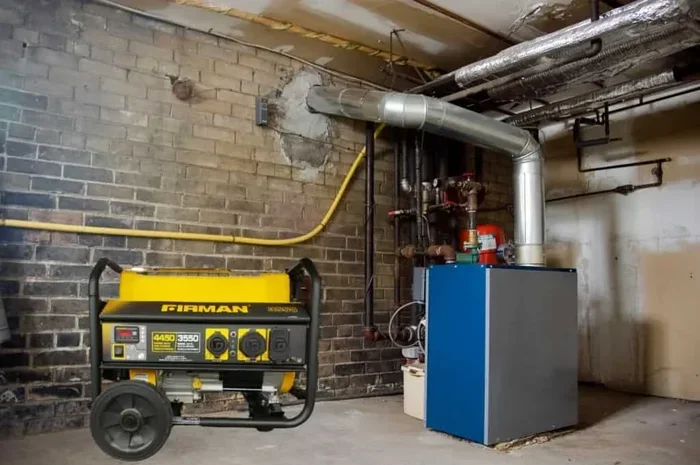
Portable generators are the most affordable choice for homeowners. They typically cost between $500 and $2,500. These units run on gasoline or propane. You place them outside your home and plug devices directly into them using extension cords.
They are great for temporary power needs. If you only need to run a few essentials during a short outage, a portable unit works well. They are also easy to store and move around.
However, portable generators have limits. They do not power your whole house. You need to manually start them and connect appliances. They are also louder than other options. And you must refuel them regularly.
For a small budget or a backup for essential items only, a portable generator for a house makes sense. But if you want full-home coverage, you will need something bigger.
Standby Generators: The Whole-House Solution
Standby generators are the gold standard for whole house generator power. They sit outside your home, permanently installed, and connect directly to your electrical system. When the power goes out, they turn on automatically within seconds.
The standby generator cost ranges from about $3,000 to $15,000 or more. The price depends on the wattage output and the brand. A 7,500-watt unit might cost around $3,000. A 20,000-watt system can reach $10,000 to $15,000 before installation.
Standby generators run on natural gas or propane. They connect to your existing fuel lines, so you do not need to refuel them manually. This makes them incredibly convenient for long outages.
Most homeowners who invest in a standby system say it is worth every penny. The automatic automatic transfer switch detects power loss and starts the generator without any effort from you. You might not even notice the outage happened.
Inverter Generators: Clean Power for Sensitive Electronics
Inverter generators are a newer option that produces clean, stable power. They are ideal for running sensitive electronics like laptops, phones, and TVs. The inverter generator cost typically falls between $800 and $3,000.
These units are lighter and quieter than traditional portable generators. They use advanced technology to adjust engine speed based on the load. This means better fuel efficiency and lower noise levels.
The downside is that inverter generators usually have lower wattage output. They work best for powering a few devices at a time rather than an entire house. Think of them as a middle ground between a basic portable and a full standby system.
Solar Generators: The Eco-Friendly Choice
Solar generators are gaining popularity among homeowners. They use solar panels to capture energy and store it in batteries. The solar generator cost varies widely. Small systems start around $1,000. Large setups with multiple panels and battery banks can reach $10,000 or more.
Solar generators have zero fuel costs once installed. They run silently and produce no emissions. They are perfect for homeowners who want a green emergency power supply solution.
The catch is that solar generators depend on sunlight. During cloudy days or extended storms, they may not charge enough to provide full power. They also take longer to recharge than fuel-powered units. For many homeowners, a solar generator works best as a supplement to a fuel-based system.
What Affects the Generator Price for a House?
The generator price range can vary a lot from one home to the next. Several key factors determine what you will actually pay. Understanding these helps you budget accurately and avoid surprises.
Generator Size and Wattage
The size of the generator wattage you need is the biggest cost driver. A larger generator that can power your entire home costs more than a small unit that runs only essentials.
To find the right size, add up the wattage of the appliances you want to run during an outage. A fridge uses about 700 watts. A central air conditioner can pull 3,000 to 5,000 watts. A furnace blower needs around 600 watts.
Most homeowners need between 7,000 and 20,000 watts for basic coverage. If you want to run everything in your home, you may need 30,000 watts or more. The higher the wattage, the higher the generator for a house price tag.
Fuel Type and Availability
Your choice of fuel affects both the upfront cost and the ongoing expenses. Here is a quick look at the options.
- Natural Gas: Burns cleanly and connects to your existing gas line. It is convenient but slightly more expensive to run in some areas.
- Propane: Affordable and widely available. Propane tanks need regular refilling or replacement.
- Diesel: Very efficient and long-lasting. Diesel generators cost more upfront but run well for heavy loads.
- Gasoline: Common and easy to find. But gasoline has a short shelf life and is less efficient for long outages.
- Solar: No fuel cost at all. But the initial solar generator cost is higher and depends on panel setup.
Your local fuel availability and prices will shape which option makes the most sense for your budget.
Installation Complexity
Installation is where many homeowners underestimate the cost. A portable generator needs almost no setup. You just place it outside and plug things in.
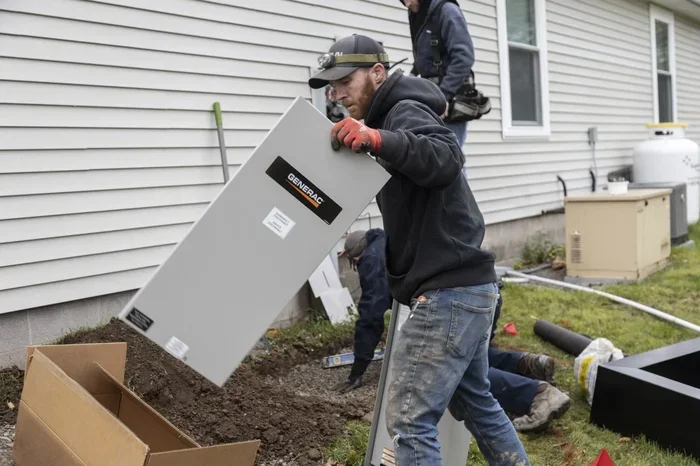
A standby generator requires professional installation. An electrician must connect it to your home’s electrical panel. A licensed plumber may need to install a fuel line. You also need a concrete pad or mounting surface for the unit.
All of this adds to the generator installation cost. Expect to pay between $1,000 and $5,000 for professional standby generator installation. The exact amount depends on your home’s setup, local labor rates, and any permits required.
Brand and Quality
Not all generators are built the same. Leading brands like Generac, Kohler, and Briggs & Stratton command higher prices. But they also offer better reliability, longer warranties, and stronger customer support.
Budget brands can save you money upfront. But they may cost more in repairs and maintenance over time. When calculating your home generator cost, consider the long-term value, not just the sticker price.
Hidden Costs You Need to Know About
The purchase price is not the only expense. Several hidden costs can add up quickly if you are not prepared for them.
Permits and Inspections
Many cities and counties require permits for generator installation. Permit fees typically range from $50 to $200. Some areas also require inspections, which may add another $100 to $300.
Check with your local building department before you buy. Failing to get the right permits can result in fines or problems when you try to sell your home.
Fuel Storage and Ongoing Costs
Fuel is an ongoing expense. A standby generator running on natural gas will add to your monthly utility bill. A propane or gasoline unit requires you to keep fuel on hand.
During extended outages, fuel costs can add up fast. A natural gas standby generator might cost $20 to $50 per day to run. Propane usage depends on the load and tank size.
Maintenance and Repairs
Generators need regular maintenance to stay reliable. Annual servicing typically costs between $100 and $300. This includes oil changes, filter replacements, and system checks.
Major repairs can cost several hundred dollars or more. Keeping up with maintenance helps prevent expensive breakdowns when you need the generator most.
Soundproofing and Enclosures
Standby generators can be loud. Many neighborhoods have noise ordinances. An acoustic enclosure or soundproofing pad can cost between $200 and $1,000. This keeps your neighbors happy and keeps you on the right side of local rules.
How to Choose the Right Generator for Your Home
With so many options, picking the right generator for a house can feel overwhelming. Here are some practical steps to guide your decision.
Step 1: List Your Essential Appliances
Start by listing the appliances and devices you must keep running during an outage. Include your fridge, furnace, sump pump, medical equipment, and a few lights. Add up their wattage to find your minimum power requirement.
Step 2: Decide Between Portable and Standby
If you only need backup for a few items, a portable unit saves money. If you want automatic whole-home power, invest in a standby system. Think about how long outages typically last in your area.
Step 3: Consider Your Fuel Options
Choose a fuel type that is readily available in your area. Natural gas is the most convenient for standby generators. Propane works well in rural areas. Solar is ideal if you want zero fuel costs.
Step 4: Get Multiple Quotes
Always get at least three quotes for installation. Prices vary widely between contractors. Comparing quotes helps you find the best value without sacrificing quality.
Step 5: Factor in Long-Term Costs
Look beyond the purchase price. Add up installation, fuel, maintenance, and permit costs over the life of the unit. A more expensive generator with lower running costs may save you money in the long run.
Quick Tips to Save Money on Your Generator
Saving money on your generator for a house does not mean sacrificing quality. Here are some smart ways to keep costs down.
- Buy during the off-season: Generator prices often drop in spring and fall when demand is lower.
- Look for package deals: Some dealers bundle the unit, installation, and warranty together at a discount.
- Choose the right size: Do not oversize your generator. A properly sized unit costs less to buy and less to run.
- Maintain it yourself: Simple tasks like oil changes and filter replacements can save on service fees.
- Check for rebates: Some utility companies and local governments offer rebates for energy-efficient or backup power systems.
- Consider a used unit: A lightly used standby generator can save thousands. Just make sure it has been well-maintained.
Common Mistakes to Avoid When Buying a Generator
Many homeowners make costly mistakes when purchasing a generator for a house. Here are the most common ones to avoid.
- Buying too small: Undersizing your generator wattage means it will overload during use. This can damage both the generator and your appliances.
- Skipping professional installation: DIY installation can be dangerous. Improper wiring can cause fires or backfeed electricity into the grid, endangering utility workers.
- Ignoring fuel costs: A cheap generator with expensive fuel costs can end up costing more over time than a pricier, more efficient model.
- Forgetting about permits: Skipping permits can lead to fines, insurance problems, and issues during home sales.
- Neglecting maintenance: A generator that sits unused for years may fail when you need it most. Regular maintenance is essential.
- Not reading the warranty: Warranty terms vary widely. Some cover parts only, while others include labor. Know what you are getting before you buy.
Expert Insights: What Installers Wish You Knew
We spoke with several licensed electricians and generator installers to get their top advice for homeowners shopping for a generator for a house.
“The biggest mistake we see is people buying a generator based on price alone,” says Mike Torres, a certified generator installer with 15 years of experience. “A cheap unit that breaks down during a storm costs more in the long run than a reliable system that works when you need it.”
“Always budget for the full installation,” adds Sarah Lin, an electrical contractor based in Ohio. “The unit itself might be $5,000, but with permits, electrical upgrades, and the transfer switch, your total could easily reach $8,000 to $10,000.”
Their advice is clear. Plan for the total cost, not just the purchase price. Choose a reputable brand and a qualified installer. Your backup power generator should work flawlessly the first time you need it.
Generator Cost Comparison Table
Here is a quick comparison of the main generator types and their typical costs for a generator for a house.
- Portable Generator: $500 to $2,500 (unit only). No installation needed. Powers 3 to 5 essential appliances.
- Inverter Generator: $800 to $3,000 (unit only). Quiet operation. Best for sensitive electronics.
- Standby Generator (Small): $3,000 to $6,000 (unit + installation). Powers essential circuits only.
- Standby Generator (Whole House): $7,000 to $15,000 (unit + installation). Powers entire home automatically.
- Solar Generator: $1,000 to $10,000+ (system cost). Zero fuel cost. Best as a supplement to fuel-powered systems.
These prices are national averages. Your actual costs may vary based on location, brand, and installation requirements. Always get a detailed quote before committing.
How Long Does a Generator Last?
A well-maintained standby generator can last 20 to 30 years or more. Portable generators typically last 10 to 15 years with proper care. Generator maintenance cost plays a big role in lifespan. Regular oil changes, filter replacements, and professional tune-ups keep your unit running smoothly.
How often you use the generator also matters. A unit that runs only during outages may develop fuel system issues from sitting idle. Many experts recommend running your generator under load for at least 30 minutes each month. This keeps the engine lubricated and the battery charged.
Think of your generator as a long-term investment. The upfront home generator cost is significant. But the peace of mind and protection it provides can be invaluable during extended power outages.
Final Thoughts: Is a Generator Worth the Cost?
The cost of a generator for a house can feel steep at first glance. But when you consider the alternative, it starts to make more sense. A prolonged power outage can cause thousands of dollars in damage. Spoiled food, frozen pipes, and lost productivity all add up fast.
A backup power generator protects your home, your family, and your wallet. Whether you choose an affordable portable unit or invest in a whole-house standby system, you are making a smart move for your household.
Take the time to understand your power needs. Compare options. Get multiple quotes. And do not forget to factor in the ongoing costs of fuel and maintenance. With the right planning, you will find a generator for a house that fits your budget and keeps your home running no matter what happens.
The best time to buy a generator is before you need one. Do not wait for the next storm or outage to realize you are unprepared. Start planning today so your family stays safe and comfortable no matter what the future brings.
Frequently Asked Questions
What size generator do I need for a 2000 square foot house?
A 2000 square foot house typically needs a generator between 7,000 and 12,000 watts for essential circuits. If you want to run your central air conditioning and all appliances, you may need 15,000 to 20,000 watts. The right generator size for home depends on which appliances you plan to run during an outage.
Is it cheaper to run a generator on propane or natural gas?
Propane is generally cheaper per BTU than natural gas in many areas. However, natural gas is more convenient since it connects directly to your utility line. The best fuel type generator for your home depends on local fuel prices and availability. Compare both options before deciding.
Can I install a standby generator myself?
While it is technically possible, DIY installation is not recommended. Standby generators involve electrical wiring, fuel line connections, and permits. Improper installation can be dangerous and may void your warranty. Hiring a licensed professional ensures safe, code-compliant setup and avoids costly mistakes.
How often should I maintain my generator?
You should service your generator at least once a year. Most manufacturers recommend an annual inspection and oil change. If you use your generator frequently, you may need more frequent maintenance. Staying on top of generator maintenance cost saves you from expensive repairs later.
Do solar generators work for whole-house power?
Small solar generators can power a few essential devices. Large solar generator systems with battery banks can handle more, but they are expensive. For most homeowners, a solar generator works best as a supplement to a fuel-powered system rather than a standalone whole-house solution.
What is an automatic transfer switch and do I need one?
An automatic transfer switch detects power loss and starts your generator automatically. It then switches your home’s electrical load from the grid to the generator. For standby generators, an ATS is essential. It ensures seamless power backup without any manual effort from you.
=== CONCLUSION ===
The cost of a generator for a house depends on the type, size, fuel source, and installation requirements. Portable generators offer an affordable entry point starting around $500. Standby systems provide automatic whole-home power but can cost $7,000 to $15,000 or more when you factor in installation and permits.
Your home generator cost is an investment in your family’s comfort and safety. Understanding the full breakdown of expenses helps you make the right choice for your budget and your needs. Consider fuel costs, maintenance, and long-term reliability when comparing options.
Take action today. Assess your household power needs, research local installers, and get multiple quotes. The right backup power generator gives you peace of mind knowing your home will stay powered no matter what comes your way.