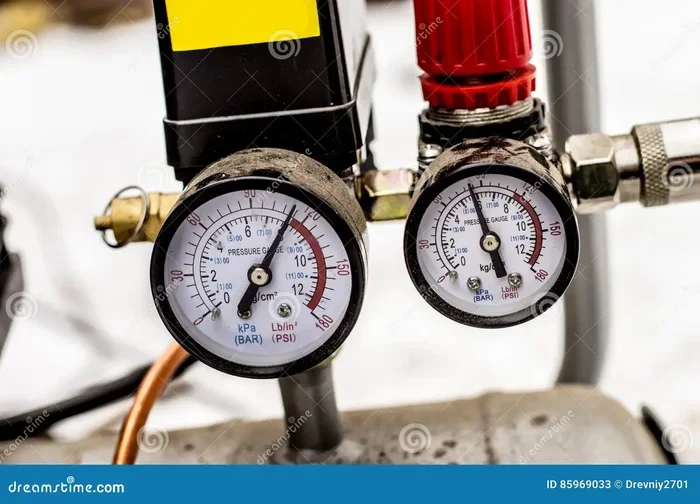
Everything You Need to Know About Oil Free Compressor
An oil free compressor delivers clean, dry air without any lubricating oil in the compression chamber. Whether you need one for home workshops, dental offices, or painting jobs, oil free compressor models offer lower maintenance and cleaner output. This guide covers types, benefits, buying tips, and maintenance to help you pick the best oil free compressor for your needs.
If you have ever walked into a workshop or garage and heard that loud, rhythmic hum of a compressor kicking in, you already know how essential these machines are. But not all compressors are created equal. The oil free compressor has become a go-to choice for hobbyists, professionals, and businesses alike. Whether you are inflating tires, running paint guns, or powering pneumatic tools, an oil free compressor might be exactly what you need.
So what makes an oil free compressor different from a traditional compressor? The answer is simple. An oil free compressor operates without any lubricating oil inside the compression chamber. This means the air it produces is completely clean and free of oil contamination. For many users, this is a game changer. Clean air means cleaner finishes, healthier breathing environments, and less maintenance overall.
In this guide, we will walk you through everything you need to know. We will cover how these machines work, the different types available, the benefits they bring, and how to choose the right one for your specific needs. By the end, you will feel confident about picking an oil free compressor that fits your budget and your projects.
Key Takeaways
- Clean Air Output: Oil free compressors deliver 100% oil-free air, making them ideal for sensitive applications like painting, dental work, and food processing.
- Lower Maintenance: Without oil in the compression chamber, you skip oil changes and reduce wear on internal parts.
- Lighter and Portable: Most oil free models are lighter than oil-lubricated units, making them easy to move around your shop or job site.
- Multiple Types Available: From scroll and diaphragm compressors to rotary screw and piston designs, there is an oil free compressor for every budget and use case.
- Longer Lifespan for Certain Tasks: Oil free compressors avoid oil contamination issues, which can extend the life of your tools and equipment.
- Energy Efficient Options Exist: Many modern oil free compressors are designed with energy-saving motors that cut electricity costs over time.
- Right Sizing Matters: Choosing the correct tank size and CFM rating ensures your oil free compressor handles your workload without straining.
📑 Table of Contents
- What Is an Oil Free Compressor?
- How Does an Oil Free Compressor Work?
- Types of Oil Free Compressors
- Benefits of Using an Oil Free Compressor
- How to Choose the Right Oil Free Compressor
- Maintenance Tips for Your Oil Free Compressor
- Common Mistakes to Avoid with Oil Free Compressors
- Expert Insights on Oil Free Compressor Technology
- Key Takeaways
- Conclusion
What Is an Oil Free Compressor?
An oil free compressor is a type of air compressor that does not use oil to lubricate the compression chamber. Instead, it relies on special materials and coatings inside the pump to reduce friction and heat. These compressors are sometimes called oil-less compressors, and they have grown in popularity over the past decade.
The main goal of an oil free compressor is to deliver clean, dry compressed air. This matters a lot in industries where even tiny amounts of oil in the air line can ruin a product or create safety hazards. Think about food packaging, pharmaceutical manufacturing, or automotive painting. In all of these cases, oil-free air is a must.
But you do not need to be a big manufacturer to benefit from an oil free compressor. Home users, small woodworking shops, and DIY enthusiasts all find real value in these machines. They are simple to use, easy to maintain, and they keep your tools running smoothly.
How Oil Free Compressors Differ from Oil-Lubricated Models
Traditional compressors use oil inside the pump to lubricate moving parts. This oil reduces friction and helps the machine run cool. However, it also means oil can leak into the air stream. An oil free compressor eliminates this problem entirely. The pump uses Teflon coatings, graphite components, or other synthetic materials to handle friction without oil.
Here is a quick comparison:
- Oil-Lubricated Compressor: Uses oil in the pump, requires regular oil changes, produces slightly contaminated air, and tends to last longer under heavy use.
- Oil Free Compressor: No oil in the pump, minimal maintenance, delivers clean air, and is generally lighter and more portable.
Both types have their place. But for users who prioritize clean air and easy upkeep, the oil free compressor is the clear winner.
How Does an Oil Free Compressor Work?
Understanding how an oil free compressor works does not require an engineering degree. The basic idea is the same as any air compressor. Air gets pulled into a chamber, compressed, and then stored in a tank or delivered directly to your tools. The difference lies in how the compression happens without oil.
Inside an oil free compressor, the pump uses a combination of materials and design features to handle the heat and friction of compression. Common materials include synthetic coatings, polymer rings, and ceramic-lined cylinders. These materials create a natural barrier that reduces wear and keeps oil out of the air stream.
Most oil free compressor models use a reciprocating piston design. The piston moves up and down inside the cylinder, compressing air as it goes. Since there is no oil inside the cylinder, the piston rings and walls must be made from durable, low-friction materials. This is what allows the machine to run smoothly without any lubrication.
The Role of Thermal Management
One challenge with any compressor is managing heat. Compression generates a lot of it. In an oil free compressor, the lack of oil means heat cannot be absorbed and carried away the same way. Instead, these machines rely on cooling fins, fans, and sometimes external cooling systems to stay at safe operating temperatures.
Modern oil free compressor designs have come a long way in this area. Many models now include thermal overload protection, which shuts the machine down automatically if it gets too hot. This feature protects both the compressor and the user. It also extends the overall lifespan of the unit.
Understanding the Compression Cycle
The compression cycle in an oil free compressor follows these basic steps:
- Intake: Air enters the pump through an intake valve.
- Compression: The piston or rotor compresses the air inside the chamber.
- Discharge: The compressed air moves into the tank or flows directly to the output.
- Cooling: Internal cooling mechanisms help manage the heat generated during compression.
Each cycle repeats rapidly, building pressure inside the tank until the motor shuts off at the desired level. When you use air, the motor kicks back on to refill the tank. This cycle continues throughout your work session.
Types of Oil Free Compressors
Not all oil free compressor models are the same. Different designs serve different purposes. Knowing the main types helps you make a smarter buying decision.
Reciprocating (Piston) Oil Free Compressors
The reciprocating or piston-style oil free compressor is the most common type for home and small workshop use. These machines use a back-and-forth piston motion to compress air. They are affordable, widely available, and come in a range of sizes. A small piston oil free compressor works great for inflating tires, running a brad nailer, or powering basic pneumatic tools.
These compressors tend to be louder than other types. The piston movement creates a rhythmic knocking sound during operation. However, newer models have improved noise reduction significantly. If you work in a garage or backyard shop, a quieter piston oil free compressor is definitely worth considering.
Rotary Screw Oil Free Compressors
Rotary screw compressors use two interlocking helical rotors to compress air. These machines are typically found in industrial settings, but smaller versions are available for lighter commercial use. A rotary screw oil free compressor delivers a continuous stream of compressed air, making it ideal for applications that require constant airflow.
These units are more expensive upfront, but they offer excellent durability and efficiency. Many businesses that need a steady supply of clean, dry air choose a rotary screw oil free compressor for long-term reliability. The initial cost pays off through lower maintenance and energy savings over time.
Scroll Oil Free Compressors
Scroll compressors use two interleaving spiral-shaped scrolls to compress air. One scroll stays fixed while the other orbits around it. This design creates very smooth, pulse-free airflow. Scroll oil free compressor units are quiet and compact, making them popular in dental offices, laboratories, and electronics manufacturing.
The downside is that scroll compressors are generally limited in output capacity. They work best for applications that need moderate air pressure and a consistent, clean air supply. If you need high volume, a scroll oil free compressor may not be the best fit.
Diaphragm Oil Free Compressors
Diaphragm compressors use a flexible membrane to compress air, completely isolating the air from any moving mechanical parts. This design guarantees absolutely zero oil contamination. Diaphragm oil free compressor units are used in highly sensitive environments like medical facilities, laboratories, and chemical processing plants.
These compressors are specialized and tend to be more expensive. They also have lower output compared to piston or rotary screw models. But for applications where air purity is non-negotiable, a diaphragm oil free compressor is the gold standard.
Benefits of Using an Oil Free Compressor
The popularity of the oil free compressor is not accidental. These machines offer several compelling advantages that make them a smart choice for a wide range of users.
Cleaner Air Quality
The biggest benefit of an oil free compressor is the air quality. Because there is no oil in the compression chamber, the output air is completely free of oil vapor and contaminants. This is critical for painting jobs, where oil in the air can cause defects in the finish. It also matters for food processing, where even trace amounts of oil could contaminate products.
Clean air also means healthier breathing for you and your coworkers. In enclosed spaces, oil-lubricated compressors can release tiny oil droplets into the air you breathe. An oil free compressor eliminates this risk entirely.
Lower Maintenance Requirements
With an oil free compressor, you never need to check oil levels or schedule oil changes. Traditional compressors require regular oil maintenance to keep running smoothly. Forgetting an oil change can lead to costly repairs and downtime. An oil free compressor removes this chore from your maintenance checklist entirely.
Of course, oil free compressors still need some basic upkeep. You should check air filters, drain moisture from the tank, and inspect hoses regularly. But overall, the maintenance burden is significantly lighter compared to oil-lubricated models.
Lighter Weight and Better Portability
Because they do not carry a reservoir of oil, oil free compressor units tend to be lighter and more compact. This makes them easier to move around a job site or store in a small garage. If portability matters to you, an oil free compressor gives you a clear advantage.
Many portable oil free compressor models are designed with carrying handles or wheels. You can roll them from your truck to your work area without breaking a sweat. Some even come with built-in storage for hoses and accessories, making them a complete portable solution.
Reduced Risk of Contamination
Oil contamination is a real concern in many industries. Even a small amount of oil in the air line can ruin a paint job, contaminate food products, or damage sensitive equipment. An oil free compressor virtually eliminates this risk. This is why so many professionals in painting, woodworking, and manufacturing prefer oil free models.
For home users, the reduced contamination risk means your pneumatic tools last longer. Oil residue can degrade seals and gaskets over time in traditional compressors. An oil free compressor keeps your tools running cleaner for longer.
Quieter Operation
While compressors are never truly quiet, many oil free compressor models run quieter than their oil-lubricated counterparts. The absence of oil reduces some of the mechanical noise generated during operation. Some modern oil free compressor units feature sound-dampening enclosures that bring noise levels down to a comfortable range.
If you work in a residential area or a shared workshop, a quieter oil free compressor is a definite plus. You can run your machine for hours without disturbing neighbors or coworkers.
How to Choose the Right Oil Free Compressor
Choosing the right oil free compressor comes down to matching the machine to your specific needs. Not every model works for every job. Here are the key factors to consider before you buy.
Consider Your CFM and PSI Requirements
CFM stands for cubic feet per minute, and it measures the volume of air your compressor can deliver. PSI stands for pounds per square inch, and it measures the pressure. Different tools require different CFM and PSI ratings. Before you buy an oil free compressor, check the requirements of the tools you plan to use.
For example, a simple brad nailer might need only 0.3 CFM at 90 PSI. But a sandblaster or a spray gun could require 10 CFM or more. Make a list of your tools, find their CFM and PSI needs, and choose an oil free compressor that exceeds the highest requirement on your list. This ensures your compressor can handle peak demand without struggling.
Tank Size Matters
The tank on your oil free compressor stores compressed air for use when the motor is not running. Larger tanks hold more air, which means the motor does not need to cycle on and off as frequently. This is important for tools that require a continuous air supply, like sanders or spray guns.
For intermittent tasks like inflating tires or using a nail gun, a smaller tank works fine. For continuous-use applications, go with a larger tank. Most home users find that a 6-gallon to 30-gallon oil free compressor covers their needs. Industrial users may need 60 gallons or more.
Motor Power and Duty Cycle
The motor is the heart of your oil free compressor. Look for a motor with enough horsepower to meet your CFM demands. A higher horsepower motor can sustain airflow for longer periods without overheating. The duty cycle refers to how long the compressor can run before it needs to cool down. A 50% duty cycle means the compressor runs for 5 minutes and rests for 5 minutes. For heavy use, look for a higher duty cycle or a continuous-duty motor.
Noise Level
If noise is a concern, pay attention to the decibel rating of your oil free compressor. Most standard models operate between 70 and 85 decibels, which is similar to a vacuum cleaner. Quieter models fall below 60 decibels, about the level of a normal conversation. If you work indoors or in noise-sensitive environments, investing in a quieter oil free compressor is well worth it.
Portability and Build Quality
Think about where and how you will use your oil free compressor. If you move it around frequently, look for a lightweight model with wheels and a carrying handle. If it stays in one place, you have more flexibility with size and weight. Build quality matters too. Look for sturdy frames, quality hoses, and reliable fittings. A well-built oil free compressor will serve you reliably for years.
Budget Considerations
Oil free compressor prices range widely. Small pancake models for home use can cost under $200. Larger wheelbarrow-style units may run $500 to $1,000. Industrial rotary screw oil free compressor units can cost several thousand dollars. Set a realistic budget based on your needs, and focus on getting the best features within that range. Do not overspend on features you will never use, but also do not cheap out on a unit that will struggle with your workload.
Maintenance Tips for Your Oil Free Compressor
Even though an oil free compressor requires less maintenance than an oil-lubricated model, it still needs regular care to perform at its best. Here are some simple tips to keep your machine running smoothly.
Drain the Tank Regularly
Moisture builds up inside the compressor tank every time you use the machine. This moisture can cause rust and reduce tank life. Make it a habit to drain the tank after every use. Most oil free compressor tanks have a drain valve at the bottom. Open it, let the water out, and close it again. This takes only a few seconds and adds years to your tank’s lifespan.
Check and Replace Air Filters
The intake filter on your oil free compressor traps dust and debris before they enter the pump. A clogged filter reduces airflow and forces the motor to work harder. Check the filter regularly, and replace it when it looks dirty or damaged. A clean filter keeps your compressor running efficiently and protects the internal components.
Inspect Hoses and Fittings
Over time, hoses can develop leaks or cracks. Check all hoses and fittings before each use. A small leak not only wastes compressed air but also forces your motor to run longer to maintain pressure. Tighten loose fittings and replace damaged hoses promptly. This simple habit keeps your oil free compressor operating at peak efficiency.
Keep the Unit Clean
Dust and debris can accumulate on the exterior and ventilation openings of your compressor. This can block airflow and cause the motor to overheat. Wipe down the exterior regularly, and use compressed air to blow out any dust from the cooling fins and vents. A clean oil free compressor runs cooler and lasts longer.
Store Properly When Not in Use
When you are not using your oil free compressor, store it in a dry, clean area. Moisture and extreme temperatures can damage internal components over time. If you live in a humid climate, consider running the compressor for a few minutes periodically to keep internal parts dry and functional.
Follow the Manufacturer’s Guidelines
Every oil free compressor comes with a user manual that includes specific maintenance recommendations. Read it carefully and follow the guidelines. The manufacturer knows the machine best, and sticking to their recommendations helps you avoid unnecessary repairs and keeps your warranty valid.
Common Mistakes to Avoid with Oil Free Compressors
Even experienced users sometimes make mistakes that shorten the life of their oil free compressor. Here are a few to watch out for.
- Overloading the compressor: Running tools that exceed the CFM and PSI ratings of your oil free compressor strains the motor and can cause overheating.
- Skipping moisture drainage: Letting water sit in the tank leads to rust and can eventually cause tank failure. Always drain after use.
- Ignoring unusual noises: If your oil free compressor starts making strange sounds, do not ignore it. Early diagnosis can prevent costly repairs.
- Using the wrong oil for accessories: While the compression chamber is oil free, some compressor accessories like certain pneumatic tools may still require their own lubrication. Check each tool’s requirements.
- Neglecting filter replacement: A dirty air filter reduces performance and can introduce contaminants into the system. Replace filters on schedule.
Expert Insights on Oil Free Compressor Technology
Industry experts agree that oil free compressor technology has improved dramatically in recent years. Modern units offer better efficiency, quieter operation, and longer lifespans than ever before. Many professionals now consider oil free models their first choice for a wide range of applications.
One expert tip from experienced users is to always buy a slightly larger oil free compressor than you think you need. Having extra capacity means your motor does not run at full blast every time, which reduces wear and extends the machine’s life. It also gives you room to add new tools to your setup without worrying about performance drops.
Another valuable insight is to invest in a quality moisture separator. While oil free compressor models deliver dry air, they still produce some condensation. A good moisture trap on the output line ensures your tools and finishes receive the cleanest possible air. This small addition can make a big difference in the quality of your work.
Key Takeaways
- Clean Air Output: Oil free compressors deliver 100% oil-free air, making them ideal for sensitive applications like painting, dental work, and food processing.
- Lower Maintenance: Without oil in the compression chamber, you skip oil changes and reduce wear on internal parts.
- Lighter and Portable: Most oil free models are lighter than oil-lubricated units, making them easy to move around your shop or job site.
- Multiple Types Available: From scroll and diaphragm compressors to rotary screw and piston designs, there is an oil free compressor for every budget and use case.
- Longer Lifespan for Certain Tasks: Oil free compressors avoid oil contamination issues, which can extend the life of your tools and equipment.
- Energy Efficient Options Exist: Many modern oil free compressors are designed with energy-saving motors that cut electricity costs over time.
- Right Sizing Matters: Choosing the correct tank size and CFM rating ensures your oil free compressor handles your workload without straining.
Conclusion
The oil free compressor has earned its place as one of the most popular and practical choices for compressed air needs. Whether you are a hobbyist working in a home garage or a professional running a busy workshop, an oil free compressor offers clean air, low maintenance, and reliable performance. The variety of types and sizes available means there is a suitable option for nearly every application and budget.
By understanding how these machines work, knowing the different types available, and following proper maintenance practices, you can get years of dependable service from your oil free compressor. Remember to match your compressor to your tool requirements, drain the tank regularly, and keep your filters clean. These simple habits go a long way toward keeping your machine running at its best.
Take the time to evaluate your needs, compare models, and invest in the right oil free compressor for your situation. The result will be cleaner air, easier maintenance, and better results in every project you tackle. Your future self will thank you for making the smart choice today.
Frequently Asked Questions
What is an oil free compressor used for?
An oil free compressor is used in any application where clean, dry compressed air is needed. Common uses include painting, woodworking, dental and medical equipment, food processing, and home workshop tasks like inflating tires and powering pneumatic tools. They are also popular in laboratories and electronics manufacturing where air purity is critical.
How long does an oil free compressor last?
The lifespan of an oil free compressor depends on the model, usage frequency, and maintenance habits. A well-maintained home-use unit can last 5 to 10 years or more. Industrial-grade rotary screw oil free compressor units can last 15 years or longer with proper care. Regular maintenance like draining the tank and replacing filters helps extend the life significantly.
Is an oil free compressor quieter than an oil-lubricated one?
Many oil free compressor models run quieter than their oil-lubricated counterparts, but this is not always the case. The absence of oil reduces some mechanical noise, but piston-style oil free compressors can still be quite loud. Scroll and diaphragm oil free compressor designs tend to be the quietest options. Look for decibel ratings when comparing models if noise is a concern for you.
Do oil free compressors need any oil at all?
The compression chamber of an oil free compressor contains no oil. However, some accessories and certain pneumatic tools may still require their own lubrication. Always check the manufacturer’s guidelines for each tool you connect to your compressor. The compressor itself operates without oil in the air path, which is the key benefit of this design.
Can I use an oil free compressor for painting?
Yes, an oil free compressor is actually the preferred choice for painting applications. Because it delivers oil-free air, there is no risk of oil contamination ruining your paint finish. Clean air from an oil free compressor helps you achieve smoother, more professional-looking paint jobs. Just make sure to pair it with a moisture separator for the best results.
What size oil free compressor do I need for home use?
For most home users, a 6-gallon to 30-gallon oil free compressor provides plenty of capacity. Consider the tools you plan to use and their CFM requirements. A small pancake oil free compressor works great for basic tasks like inflating tires and using a brad nailer. If you plan to run multiple tools at once or use high-demand tools like sanders or spray guns, opt for a larger tank and higher CFM rating.