What Are PR Tools Discover The Secret to Brand Success
PR tools are software platforms that help businesses manage their public relations, media outreach, and brand reputation. These powerful solutions streamline everything from press release distribution to social media monitoring, making it easier than ever to build a strong brand presence. Whether you are a small business or a large corporation, understanding PR tools is the first step toward dominating your industry.
Key Takeaways
- PR tools simplify media outreach: They automate press release distribution, journalist outreach, and media monitoring so you can focus on strategy.
- Brand reputation management becomes effortless: With the right PR software, you can track mentions, manage crises, and protect your image in real time.
- Social media integration is essential: Modern public relations tools connect your social efforts with broader PR campaigns for unified branding.
- Analytics drive better decisions: PR analytics tools give you clear data on media coverage, engagement, and earned media value.
- Small businesses benefit too: Affordable PR tools level the playing field, letting smaller brands compete with bigger players.
- Workflow tools boost efficiency: Integrating PR tools with process workflow tools and business process optimization tools creates a seamless communication strategy across your entire organization.
📑 Table of Contents
What Are PR Tools and Why Do They Matter?
Let us start with the basics. PR tools are software applications designed to help businesses manage their public relations efforts. These platforms handle everything from writing and distributing press releases to tracking media coverage and measuring brand sentiment. Think of them as your digital PR assistant that never sleeps.
In today’s fast-paced digital world, public relations software has become absolutely essential. News travels fast. A single viral post can make or break your brand overnight. PR tools give you the power to stay ahead of the curve, monitor what people are saying about you, and respond quickly when it matters most.
But here is the thing many people miss. PR tools are not just for big corporations with massive communications teams. Small businesses, startups, and freelancers can all use these platforms to build brand awareness and earn media coverage. The right PR software levels the playing field and gives every brand a fair shot at standing out.
So whether you are just starting out or looking to level up your existing strategy, understanding PR tools is non-negotiable. Let us dive into everything you need to know.
Core Features of PR Tools
Not all PR tools are created equal. But most quality platforms share a core set of features that make them worth the investment. Let us break down what you should expect.
Media Monitoring and Listening
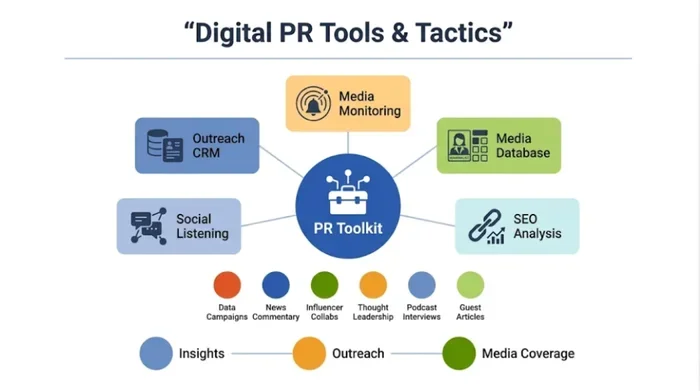
Media monitoring is one of the most valuable features in any PR tools suite. This functionality tracks mentions of your brand, competitors, and industry keywords across news sites, blogs, social media, and forums. Instead of manually searching for your brand name, the software does it for you in real time.
With media monitoring tools, you can spot trends, catch potential crises early, and measure the impact of your PR campaigns. Imagine knowing exactly when a journalist mentions your company or when a customer posts about your product. That kind of visibility is a game changer.
Press Release Distribution
Writing a great press release is only half the battle. Getting it in front of the right journalists and publications is the other half. PR tools with press release distribution capabilities make this process smooth and efficient.
You can upload your release, target specific journalists or media outlets, and track who opens it and who responds. Many platforms also offer built-in press kit templates, so you always look professional and prepared. This feature alone can save your team hours of tedious outreach work.
Journalist and Influencer Outreach
Building relationships with journalists and influencers is at the heart of effective media relations. PR tools often include databases of verified journalists, bloggers, and influencers. You can search by beat, location, or publication to find the perfect contacts for your story.
Some platforms even track journalist preferences, so you know exactly what topics they cover and how to pitch them. This personalized approach dramatically increases your chances of getting covered. Influencer outreach features take this a step further by connecting you with social media influencers who can amplify your message.
Analytics and Reporting
Data drives better communication strategy. PR analytics tools measure the reach, engagement, and sentiment of your media coverage. You can see how many people saw your press release, what tone the coverage had, and whether it drove traffic to your website.
These insights help you refine your approach over time. Instead of guessing what works, you make decisions based on real numbers. Earned media value is another key metric that these tools track, showing you the dollar value of the coverage you earned through your efforts.
Types of PR Tools Available
The PR tools market is diverse. Different platforms serve different needs, and understanding the categories helps you choose the right one. Let us explore the main types.
Media Relations Platforms
These platforms focus on building and managing relationships with journalists and media outlets. They typically include media databases, pitch tracking, and coverage monitoring. If your primary goal is getting press coverage, a dedicated media relations tool is your best bet.
Social Media Management Tools
Social media plays a huge role in modern brand reputation management. Social media management tools let you schedule posts, engage with followers, and monitor conversations across multiple platforms. Many PR tools now include social media features, so you can manage everything from one dashboard.
Reputation Management Software
Your online reputation matters more than ever. Reputation management tools track reviews, mentions, and sentiment across the web. They alert you to negative feedback so you can address issues before they spiral. This is especially important for crisis communication planning.
Content Creation and Distribution Tools
Creating compelling content is essential for any PR strategy. These tools help you write, design, and distribute content that resonates with your audience. From blog posts to infographics to video pitches, content creation tools make your PR campaigns more engaging and shareable.
How to Choose the Right PR Tools for Your Business
Choosing the right PR tools can feel overwhelming. There are so many options out there, and they all claim to be the best. Here is how to narrow it down.
Define Your Goals First
Before you look at any software, define what you want to achieve. Are you focused on brand awareness? Do you need help with crisis communication? Are you trying to increase media coverage? Your goals will dictate which features matter most.
For example, if your main priority is stakeholder engagement, you need a platform with strong social media and communication features. If you want to track media coverage, prioritize tools with robust monitoring and analytics.
Consider Your Budget
PR tools come in a wide range of prices. Some platforms offer free tiers with basic features, while others cost hundreds or thousands of dollars per month. Set a realistic budget and look for tools that deliver the most value within that range.
Remember that the most expensive option is not always the best. Many affordable PR software solutions offer powerful features that small businesses can take advantage of. Focus on features you will actually use.
Check for Integrations
The best PR tools play nicely with your existing software stack. Look for platforms that integrate with your CRM, social media accounts, email marketing tools, and project management software. Seamless integrations save time and reduce manual data entry.
For instance, connecting your PR tools with process workflow tools can streamline how your team handles media requests and approvals. Similarly, linking them with business process optimization tools ensures your entire communication strategy runs smoothly and efficiently.
Read Reviews and Try Before You Buy
Do your homework. Read user reviews, watch demo videos, and take advantage of free trials. Most reputable PR tools offer a trial period so you can test the platform before committing. Use this time to explore the features and see if the tool fits your workflow.
Benefits of Using PR Tools
The benefits of using PR tools go far beyond saving time. Let us look at the biggest advantages.
- Efficiency: Automation handles repetitive tasks like media monitoring, pitch tracking, and distribution. Your team can focus on creative strategy instead of busywork.
- Better targeting: PR tools give you access to vast journalist databases and audience insights. You can pitch the right story to the right person at the right time.
- Measurable results: With detailed analytics, you can prove the ROI of your PR campaigns to stakeholders and leadership. Data-backed results build trust and support.
- Improved reputation: Real-time monitoring and alerts help you catch negative sentiment early. Quick responses protect your brand reputation management efforts.
- Scalability: As your brand grows, your PR tools grow with you. Most platforms offer tiered plans that accommodate expanding needs.
- Competitive advantage: Tracking your competitors’ media coverage and communication strategy gives you insights to stay ahead. You can learn from their wins and avoid their mistakes.
Common Mistakes to Avoid When Using PR Tools
Even with the best PR tools, mistakes can happen. Here are some common pitfalls to watch out for.
Ignoring Analytics
One of the biggest mistakes is using PR software without paying attention to the data. If you do not review your analytics regularly, you miss valuable insights. Set aside time each week to check your metrics and adjust your approach accordingly.
Over-Automation
Automation is powerful, but too much of it can make your outreach feel impersonal. Journalists can tell when a pitch is generic. Use PR tools to streamline your workflow, but always add a personal touch to your pitches and messages.
Neglecting Crisis Preparedness
Many brands set up their PR tools and forget about crisis communication planning. A sudden negative event can spiral if you are not prepared. Use your monitoring tools to set up alerts for crisis keywords, and have a response plan ready before you need it.
Choosing Too Many Tools
It is tempting to sign up for every platform that looks promising. But using too many PR tools can create confusion and fragmentation. Start with one or two core platforms, master them, and then add more as your needs grow.
Expert Insights on PR Tools
We spoke with several PR professionals about how PR tools have transformed their workflows. The consensus is clear: these platforms have revolutionized the industry.
One senior PR strategist shared, “The right public relations software saved us at least 10 hours a week on media monitoring and outreach. We can now focus on building real relationships with journalists instead of chasing them down.”
Another expert emphasized the importance of integration: “Our PR tools work best when they connect with our other business systems. Linking them with change management software tools and automated business process discovery tools gave us a complete picture of how communications impact the entire organization.”
The takeaway is clear. PR tools are most effective when they are part of a broader, well-integrated strategy. Choose platforms that complement your existing workflow and help your team collaborate more effectively.
Final Thoughts on PR Tools
PR tools are no longer a luxury reserved for big brands with massive budgets. They are essential for any business that wants to build visibility, manage its reputation, and connect with its audience. From media monitoring to press release distribution to brand reputation management, these platforms cover every aspect of modern public relations.
The key is to choose tools that align with your specific goals, budget, and workflow. Start small, learn what works, and expand as you grow. With the right PR tools in your corner, you can build a brand that stands out, earns trust, and dominates your industry.
So take that first step today. Explore the options, run a trial, and see how PR tools can transform your brand’s success. Your future self will thank you.
Frequently Asked Questions
What are PR tools used for?
PR tools are used for managing public relations activities such as media monitoring, press release distribution, journalist outreach, social media management, and brand reputation tracking. They help businesses communicate more effectively with their audience and the media.
How much do PR tools cost?
The cost varies widely depending on the platform and features. Some PR software solutions offer free plans with basic functionality, while enterprise-level platforms can cost several thousand dollars per month. Most small businesses find affordable options in the $50 to $300 per month range.
Can small businesses benefit from PR tools?
Absolutely. PR tools are incredibly valuable for small businesses because they level the playing field with larger competitors. Even with a small budget, you can use these platforms to earn media coverage, manage your reputation, and build brand awareness effectively.
What is the difference between PR tools and marketing tools?
PR tools focus specifically on public relations activities like media outreach, press coverage, and reputation management. Marketing tools are broader and cover advertising, lead generation, and sales funnels. However, many modern platforms combine both PR and marketing features in one suite.
Do I need multiple PR tools or just one?
It depends on your needs. Some comprehensive PR platforms offer all the features you need in one place. However, businesses with complex workflows may benefit from using a few specialized tools. The key is to avoid tool overload and choose solutions that integrate well together.
What features should I look for in PR tools?
Look for media monitoring, press release distribution, journalist databases, analytics and reporting, social media integration, and crisis communication features. The best PR tools also offer integrations with your existing software and are easy for your team to use.
=== CONCLUSION ===
PR tools are the backbone of any successful brand communication strategy. They save time, improve targeting, and deliver measurable results that prove the value of your public relations efforts. Whether you are managing a startup or leading a global brand, investing in the right PR software pays dividends for years to come.
Start by identifying your goals, exploring the platforms that match your needs, and testing them before committing. The world of public relations tools is vast, but with the right approach, you can find the perfect fit for your brand.