Industrial Power Generator Guide Everything You Need to Know
An industrial power generator is a heavy-duty machine that keeps factories, construction sites, and businesses running during outages. This guide covers everything from sizing and fuel types to maintenance and cost. You will learn how to pick the right industrial power generator for your needs and avoid common buying mistakes.
Key Takeaways
- Right-sizing matters: Choosing the correct kW rating prevents overload and saves fuel.
- Fuel choice affects cost and runtime: Diesel, propane, and natural gas each have pros and cons.
- Maintenance extends lifespan: Regular service can push a generator’s life well beyond 20 years.
- Installation location is critical: Proper ventilation, noise control, and fuel access make a big difference.
- Backup power pays for itself: One major outage can cost more than the generator itself.
- Load management improves efficiency: Understanding your electrical needs helps you run the unit smarter.
📑 Table of Contents
- What Is an Industrial Power Generator?
- Why Does Your Business Need a Backup Generator?
- Types of Industrial Power Generators
- How to Size an Industrial Power Generator
- Fuel Efficiency and Runtime
- Generator Installation and Placement
- Maintenance Tips for Longevity
- How Much Does an Industrial Power Generator Cost?
- Final Thoughts
What Is an Industrial Power Generator?
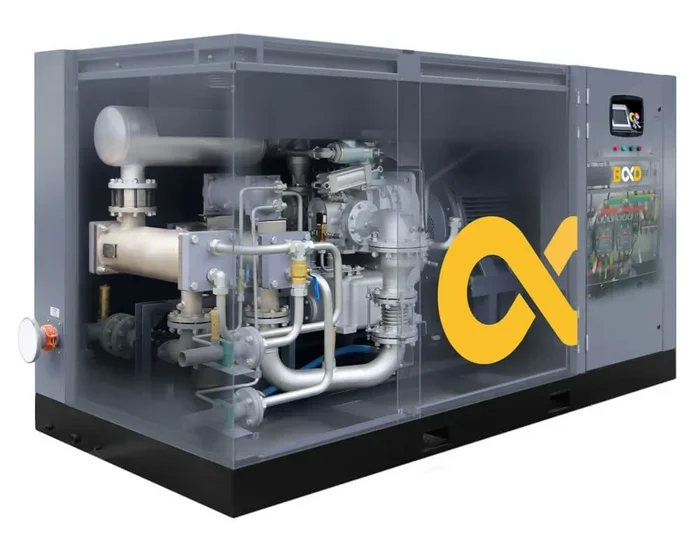
An industrial power generator is a large machine that produces electricity for factories, warehouses, construction sites, and other big operations. Unlike the small generator you might use for camping, these units can power entire buildings and heavy equipment.
Think of it as a backup brain for your business. When the grid goes down, the generator kicks in and keeps things running. Without one, a power outage can mean lost production, spoiled goods, and angry clients.
These generators come in many sizes. Some sit outside and run on diesel fuel. Others burn propane or natural gas. The right choice depends on your power needs, budget, and how long you need backup power to last.
In this guide, we will walk you through everything you need to know. We will cover types, sizing, fuel options, costs, and maintenance. By the end, you will feel confident making the right choice for your operation.
Why Does Your Business Need a Backup Generator?
Power outages happen more often than you might think. Storms, equipment failures, and grid overloads can shut down your site in minutes. For some businesses, even a short downtime means serious money loss.
The Cost of Downtime
A single hour of lost production can cost thousands of dollars. Manufacturing lines stop. Computers go dark. Refrigeration units fail. All of this adds up fast.
Having a reliable backup system means your operations keep moving. Your team stays productive. Your customers stay happy. It is one of the smartest investments a business can make.
Safety and Compliance
Many industries require backup power by law. Hospitals, data centers, and food storage facilities cannot afford to go dark. A power outage in these settings can put lives at risk.
Even if your industry does not mandate backup power, having one shows professionalism. It tells clients and partners that you take reliability seriously.
Types of Industrial Power Generators
Not all generators are the same. Different types serve different purposes. Let us break down the main options so you can find what fits your situation.
Diesel Generators
Diesel units are the most popular choice for industrial use. They are tough, fuel-efficient, and built to handle heavy loads. Diesel generators are great for construction sites and manufacturing plants.
One thing to keep in mind is fuel storage. Diesel fuel can degrade over time, so you need a solid fuel management plan. You also want to make sure your generator fuel consumption stays within budget for long runs.
Propane Generators
Propane burns cleaner than diesel. It produces fewer emissions, which matters if your facility has strict environmental rules. Propane also has a long shelf life, so stored fuel stays usable for years.
If you want to learn more about fuel use, check out this guide on how much propane a 20kw generator uses per hour. It gives a clear picture of what to expect with propane-powered units.
Natural Gas Generators
Natural gas generators connect directly to your gas line. This means you never run out of fuel, as long as the gas supply stays on. They are quieter than diesel units and produce lower emissions.
The downside is that natural gas may not be available in all areas. And during a major disaster, gas lines can get disrupted too. So you need to weigh the pros and cons carefully.
Standby vs. Portable
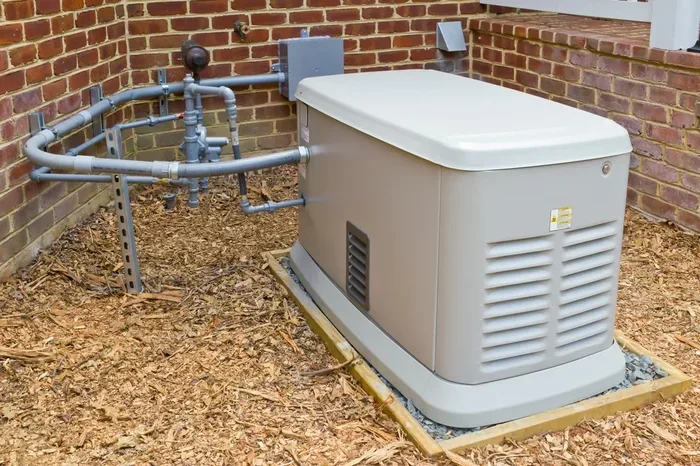
Standby generators are permanent installations. They automatically turn on when power drops. Portable units are smaller and can be moved around. For most industrial applications, a standby model is the better choice.
However, a portable generator can work well for temporary sites or smaller jobs. The key is matching the unit type to your actual needs.
How to Size an Industrial Power Generator
Sizing is one of the most important steps. A unit that is too small will overload. One that is too big wastes money and fuel. Getting the right size saves you from headaches down the road.
Understanding kW and kVA
Every generator has a power rating. Kilowatts (kW) tell you real power output. Kilovolt-amps (kVA) measure apparent power. Most industrial equipment lists its power need in kW.
Add up the wattage of all the tools and machines you need to run at the same time. Then add a buffer of about 20 to 25 percent. This extra room prevents the generator from working at full blast all the time.
Matching Generator Size to Your Electrical Load
Your electrical load is the total power draw of everything running on the generator. Heavy machines like compressors and motors need extra power to start up. This is called inrush current, and it can be much higher than running power.
If you are unsure about your load, an electrician can do a load calculation for you. This is a smart first step before you buy any unit.
Common Sizing Mistakes
Many buyers pick a generator based on guesswork. This is a costly mistake. Undersizing leads to overheating and shutdowns. Oversizing means higher purchase price and wasted fuel.
Here are a few tips to avoid common pitfalls:
- List every piece of equipment you need to power.
- Check the starting wattage, not just running wattage.
- Add a 20 to 25 percent safety margin.
- Consult a professional if you are unsure.
If you want guidance on matching generator size to specific appliances, this resource on what size generator to run furnace and refrigerator offers helpful starting points for residential and light commercial setups.
Fuel Efficiency and Runtime
Fuel costs add up fast, especially for generators that run for days. Choosing a fuel-efficient model and managing your consumption can save you a lot of money over time.
Diesel Fuel Economy
Diesel generators are known for being fuel-efficient. A well-maintained diesel unit can run for hours on a single tank. The exact generator fuel consumption depends on the load and the model size.
As a general rule, a larger diesel generator running at half load uses less fuel per kilowatt-hour than a smaller unit running at full load. This is why right-sizing your unit matters so much.
Propane and Natural Gas Runtime
Propane tanks can be sized to give you longer runtime. Some setups use multiple tanks that auto-switch when one runs low. Natural gas units run as long as the supply line stays active.
For long-term backup, natural gas has a clear advantage. You do not need to monitor fuel levels or schedule deliveries. The trade-off is that gas pressure can drop during high-demand periods.
Tips to Improve Runtime
- Run the generator at 70 to 80 percent load for best efficiency.
- Keep the unit well-maintained with regular oil changes.
- Use fuel stabilizers if the generator sits unused for long periods.
- Consider a fuel monitoring system for larger installations.
Generator Installation and Placement
Where you put your generator matters more than most people think. A poorly placed unit can cause safety hazards, noise complaints, and performance issues.
Ventilation and Air Flow
Generators need plenty of fresh air to run safely. They produce carbon monoxide and exhaust gases that must vent away from people and buildings. Never run a generator indoors or in enclosed spaces.
Outdoor installations should have a covered, open-air pad. The exhaust should point away from windows, doors, and air intakes.
Noise Control
Industrial generators can be loud. If you are near residential areas, noise becomes a real concern. Many modern units come with sound-attenuated enclosures that cut down on noise significantly.
You can also build a sound-dampening enclosure around the unit. Just make sure it does not block airflow.
Fuel Storage and Access
Keep fuel tanks in a secure, level area away from ignition sources. Follow local fire codes for fuel storage limits. Easy access to the tank makes refueling faster and safer.
For help with setting up the electrical connection between your generator and your building, this guide on how to run generator to house walks you through the key steps and safety considerations.
Maintenance Tips for Longevity
A well-maintained generator can last 20 to 30 years or more. Skipping maintenance shortens that lifespan and raises the risk of failure when you need the unit most.
Daily and Weekly Checks
Every day, check the fuel level and look for leaks. Once a week, inspect the oil level and coolant. These simple habits catch small problems before they become big ones.
Monthly and Annual Service
Run the generator under load for at least 30 minutes each month. This keeps the engine healthy and burns off moisture that can build up during idle periods.
Once a year, have a professional service the unit. This includes changing the oil, replacing filters, checking the battery, and inspecting the cooling system. A full annual service can add years to your unit’s life.
How Long Does an Industrial Generator Last?
With proper care, a quality industrial unit can run for 20,000 to 30,000 hours or more. That is roughly 20 to 25 years of regular use. For more details on expected lifespan, you can read this article on how long a whole house generator lasts, which covers general generator longevity in depth.
Common Maintenance Mistakes to Avoid
- Skipping oil changes or running with low oil.
- Letting the unit sit unused for months without starting it.
- Ignoring warning lights or unusual sounds.
- Using the wrong fuel type for your unit.
- Overloading the generator regularly.
Avoiding these mistakes keeps your machine running strong and ready when you need it most.
How Much Does an Industrial Power Generator Cost?
The price of an industrial generator varies a lot. Small units for light commercial use can start around $5,000. Large diesel generators for heavy industry can cost $50,000 or more.
Factors That Affect Price
Several things drive the cost of a generac generator or any industrial unit:
- Power capacity: Higher kW ratings cost more.
- Fuel type: Diesel units tend to cost more upfront but save on fuel over time.
- Brand and build quality: Well-known brands often cost more but offer better reliability.
- Installation complexity: Professional installation adds to the total cost.
- Additional features: Automatic transfer switches, sound enclosures, and remote monitoring all add price.
Is It Worth the Investment?
Absolutely. The cost of one major power outage, in lost production and damaged equipment, can easily exceed the price of the generator itself. A backup power system protects your bottom line and gives you peace of mind.
If you are comparing costs, check out this guide on what the average cost of a Generac generator is for a clearer picture of pricing across different models and sizes.
Final Thoughts
Choosing the right industrial power generator is a big decision. It affects your operations, your budget, and your peace of mind. Take the time to size it correctly, pick the right fuel type, and set up a solid maintenance routine.
Your business depends on reliable power. A good generator ensures that even when the grid fails, you keep moving forward. Start with your actual power needs, consult the experts, and invest in a unit that will serve you for decades.
The right backup plan today saves you from costly downtime tomorrow. Do not wait for the next outage to realize how important this decision really is.
Frequently Asked Questions
What size industrial generator do I need for my business?
Add up the running wattage of all equipment you need to power at once, then add a 20 to 25 percent buffer. A professional load analysis gives the most accurate number for your specific setup and needs.
How often should I service my industrial generator?
You should run a monthly test under load and schedule a full professional service once a year. Regular oil changes, filter replacements, and coolant checks keep the unit running smoothly and extend its lifespan significantly.
What fuel is best for an industrial generator?
Diesel is the most common choice for heavy industrial use because it is fuel-efficient and durable. Propane burns cleaner and has a long shelf life. Natural gas is great for continuous operation if a gas line is available at your site.
Can I install an industrial generator myself?
It is strongly recommended to hire a licensed professional for installation. Proper electrical wiring, ventilation, and fuel line setup require expertise. Incorrect installation can void warranties and create serious safety hazards.
How long can an industrial generator run continuously?
Most industrial diesel generators can run 24 to 72 hours on a full tank. With a larger fuel tank or a natural gas connection, runtime can extend to weeks. Regular maintenance and proper load management help maximize runtime and reliability.
What is the difference between a standby and a portable industrial generator?
A standby generator is a permanent installation that turns on automatically during a power outage. A portable unit is movable and typically smaller. For industrial applications, standby generators are preferred because they offer automatic backup and higher power capacity.