Replace AC Compressor or Replace the Entire AC Unit
Deciding between replacing just the AC compressor or the entire unit is one of the biggest HVAC choices homeowners face. A compressor replacement costs less upfront but may not save money long-term if your unit is aging. This guide covers cost comparisons, warning signs, and expert tips to help you choose wisely.
This is a comprehensive guide about replace ac compressor or whole unit.
Key Takeaways
- Compressor replacement is cheaper short-term: Expect to pay $1,500 to $2,500 for a compressor swap alone.
- Replacing the whole unit lasts longer: A new AC unit runs 15 to 20 years, giving you better value over time.
- Age matters a lot: If your unit is over 10 years old, replacing the whole system often makes more sense.
- Watch for these warning signs: Warm air, strange noises, and rising energy bills all point to compressor trouble.
- Warranty and efficiency play a role: New units come with full warranties and better energy ratings.
- Get multiple quotes: Always ask for at least three HVAC estimates before making a final call.
[FEATURED_IMAGE_PLACEHOLDER]
Your air conditioner works hard every summer to keep your home cool and comfortable. But what happens when it starts failing? One moment you are enjoying a chill room, and the next, warm air blows from your vents. That is when the scary question hits: replace AC compressor or replace the entire unit?
This decision can feel overwhelming. You do not want to spend thousands of dollars on something you do not need. But you also do not want to patch up an old system only to face the same problem a year later. The good news is that this guide breaks everything down in plain, simple terms. You will learn the signs of compressor failure, the real costs involved, and how to decide what makes the most sense for your home and budget.
Whether you are dealing with a central air conditioning unit that is losing its cool or a system that makes strange noises at night, you are in the right place. Let us walk through this together so you can make a confident, informed choice.
What Does an AC Compressor Do?
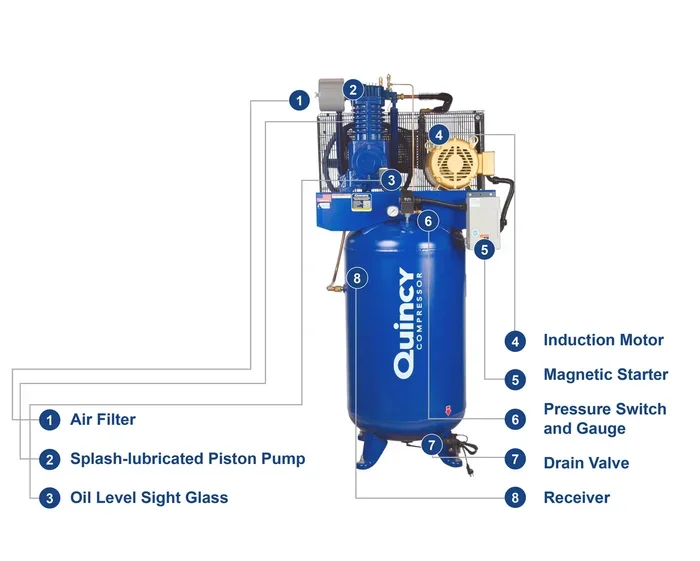
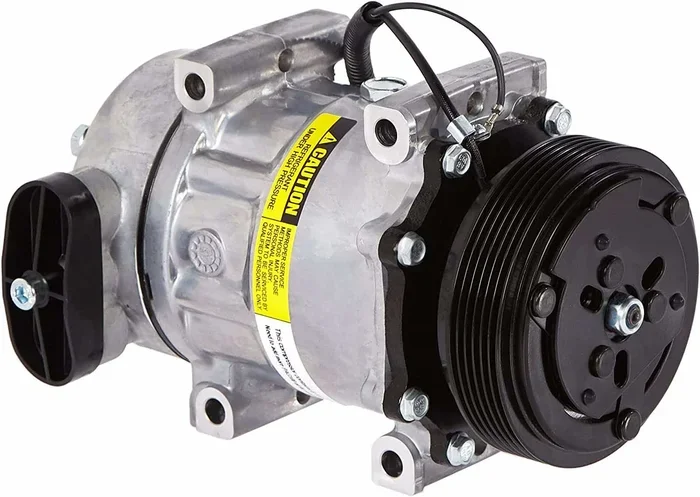
The compressor is the heart of your cooling system. It pumps refrigerant through the HVAC system and keeps your home at a comfortable temperature. Without a working compressor, your entire air conditioner cannot function. Think of it like the engine in your car. If the engine dies, the car stops. Same idea here.
Most people never think about their compressor until something goes wrong. That is when problems like refrigerant leaks, electrical failures, or worn-out parts start causing trouble. Understanding what the compressor does helps you see why a compressor replacement is such a big deal. It is not a small fix you can ignore.
Common Compressor Problems
Compressors fail for several reasons. Here are the most common ones:
- Refrigerant leaks: Low refrigerant forces the compressor to work harder, which leads to overheating and eventual failure.
- Electrical issues: Power surges or faulty wiring can damage the compressor motor over time.
- Dirty coils: Clogged condenser coils make the system strain, putting extra stress on the compressor.
- Age and wear: After 10 to 15 years, compressors naturally degrade and become less efficient.
- Blocked suction lines: Dirt or debris in the lines restricts airflow and causes the compressor to overheat.
Spotting these problems early can save you money. If you notice any of these issues, calling a professional for air conditioner repair right away is a smart move.
Signs You Need to Replace the AC Compressor
How do you know it is the compressor and not something else? Here are the top warning signs that point to a failing compressor:
Warm Air Coming From Vents
This is the most obvious sign. If your system runs but blows warm or lukewarm air, the compressor may not be pumping refrigerant properly. Before you panic, check your thermostat settings and air filter. Sometimes a dirty filter causes similar symptoms. But if those are fine, the compressor could be the culprit.
Strange Noises
Grinding, squealing, or clanking sounds from your outdoor unit are never good. These noises often mean the compressor motor is struggling or parts are loose. Ignoring them can lead to a full system breakdown.
Rising Energy Bills
A failing compressor works harder to cool your home, which drives up your cooling expenses. If your electricity bill jumps without a clear reason, your compressor might be losing efficiency. This is one of those hidden costs that sneaks up on homeowners.
Frequent Cycling
If your AC turns on and off constantly, it is short-cycling. A healthy system runs in steady cycles. Short cycling puts enormous strain on the compressor and other parts. It also reduces your cooling capacity and comfort.
Ice Buildup on the Unit
Ice forming on the refrigerant lines or outdoor unit usually means low refrigerant or poor airflow. Both issues put extra pressure on the compressor. Over time, this leads to compressor failure.
Replace AC Compressor or Replace the Entire Unit?
This is the million-dollar question. The answer depends on several factors, including the age of your unit, the cost of repairs, and your long-term plans for the home. Let us break it down.
When Compressor Replacement Makes Sense
Replacing just the compressor is a good option when:
- Your AC unit lifespan is less than 10 years old.
- The rest of the unit is in good working condition.
- You have a warranty that covers the compressor.
- The AC compressor replacement cost fits comfortably within your budget.
- No other major components are failing at the same time.
For example, if you have a five-year-old unit and the compressor fails due to a manufacturing defect, replacing just the compressor saves you thousands of dollars. Many manufacturers offer 10-year compressor warranties, so always check yours before making a decision.
When Replacing the Entire Unit Is Better
Sometimes, replacing the whole central air conditioning unit is the smarter investment. Consider full replacement when:
- Your unit is over 10 to 15 years old.
- Multiple parts are failing at the same time.
- Your system uses outdated refrigerant like R-22.
- You want better energy efficiency and lower monthly bills.
- The cost of compressor repair is more than 50 percent of a new unit.
A new HVAC system comes with a full warranty, better energy ratings, and modern features like programmable thermostats and variable-speed motors. These upgrades can make a real difference in your home comfort and long-term savings.
Cost Comparison Table
| Factor | Compressor Replacement | Full Unit Replacement |
|---|---|---|
| Average Cost | $1,500 – $2,500 | $4,000 – $12,000 |
| Lifespan | 5 – 10 years (remaining) | 15 – 20 years |
| Warranty | Limited (compressor only) | Full system warranty |
| Energy Efficiency | No improvement | Upgraded SEER rating |
| Labor Time | 4 – 8 hours | 1 – 3 days |
| Best For | Newer units with good condition | Older units or multiple failures |
As you can see, the upfront cost of a full replacement is much higher. But when you spread it over 15 to 20 years, the long-term value often wins. Think of it like fixing an old car versus buying a new one. Sometimes the repair is cheap, but the car keeps breaking down. Other times, the new car saves you money and headaches in the long run.
How to Decide What Is Right for You
Still not sure which path to take? Here is a simple way to think about it.
Check the Age of Your System
The age of your air conditioning system is the single biggest factor. Most units last 15 to 20 years with proper HVAC maintenance. If yours is older than 10 years and the compressor fails, replacing the whole unit is usually the better long-term choice. A new system also means better home comfort and fewer surprise breakdowns during the hottest months.
Consider the Repair Cost vs. Replacement Cost
A quick rule of thumb from HVAC experts: if the repair costs more than 50 percent of a new unit, go with replacement. For example, if a compressor replacement costs $2,500 and a new unit costs $6,000, that is about 42 percent. In this case, replacement might still make sense because you get a full warranty and better efficiency.
Think About Your Energy Bills
Older units run at lower energy efficiency levels. A new system with a higher SEER rating can cut your cooling costs by 20 to 40 percent. Over 10 years, those savings add up fast. If your energy bills have been climbing, a new unit pays for itself over time.
Check for Refrigerant Compatibility
If your unit uses R-22 refrigerant, you are dealing with an older system. R-22 has been phased out because of environmental concerns. Recharging it is expensive and getting harder to find. Replacing the entire unit with a modern R-410A system is the smarter and more environmentally friendly choice.
What Happens During Compressor Replacement?
If you decide to replace just the compressor, here is what the process typically looks like:
- Diagnosis: A certified HVAC technician inspects your system to confirm the compressor is the problem. They check refrigerant levels, electrical connections, and other components.
- System shutdown: The technician shuts off power and refrigerant flow to the unit for safety.
- Compressor removal: The old compressor is carefully disconnected and removed from the condenser unit.
- New compressor installation: The new compressor is installed, connected, and tested. The technician also checks for any leaks or damage to surrounding parts.
- System testing: The entire cooling system is run to make sure everything works properly. Refrigerant levels are checked and adjusted if needed.
The whole process usually takes one day. However, if the technician finds additional issues during the inspection, the timeline and cost may increase. That is why getting a thorough inspection first is so important.
What Happens During Full Unit Replacement?
Replacing the entire air conditioner unit is a bigger project, but it comes with big benefits:
- System evaluation: The technician assesses your home’s cooling needs, ductwork, and electrical setup.
- Old unit removal: The entire outdoor condensing unit and sometimes the indoor evaporator coil are removed.
- New unit installation: The new condenser and matching indoor components are installed and connected.
- Refrigerant charge: The system is charged with the proper refrigerant and tested for leaks.
- Thermostat setup: The thermostat is configured and tested to ensure proper communication with the new unit.
- Final inspection: The technician runs the system through a full cycle to verify everything works smoothly.
Full replacement typically takes one to three days depending on the complexity of the job. You may also want to ask about duct cleaning or duct sealing if your ducts are old or damaged.
Can a Failing Compressor Affect Your Whole Home?
Yes, it absolutely can. A failing compressor does not just affect your seasonal cooling. It can cause damage to other parts of your HVAC system if left unaddressed. Here are some ways a bad compressor can create bigger problems:
- Compressor debris: When a compressor fails, it can send metal fragments and debris through the refrigerant lines, damaging the condenser coil and other components.
- Electrical damage: A failing compressor can overload the circuit board and damage the contactor or capacitor.
- Refrigerant contamination: Internal compressor failure can release metal particles into the refrigerant, contaminating the entire system.
- Increased wear on the fan motor: When the compressor struggles, the fan motor works harder, leading to premature failure.
This is why prompt AC troubleshooting and professional inspection are so important. Ignoring compressor problems can turn a single repair into a full system replacement. If you suspect your compressor is failing, do not wait. Call a trusted HVAC professional right away.
Expert Insights on Compressor vs. Full Replacement
We asked several experienced HVAC technicians about their take on this common dilemma. Here is what they had to say:
“I tell my customers to think about the whole picture. A compressor replacement is a great short-term fix, but if the rest of the unit is old, you are just delaying the inevitable. Most people save more money by replacing the full unit within two to three years of a compressor failure.” Mark T., Licensed HVAC Technician with 18 years of experience.
“Energy efficiency is the big factor people overlook. A 10-year-old unit might run at 10 SEER, while a new unit runs at 18 SEER or higher. That difference alone can save a homeowner $300 to $500 per year on cooling costs.” Sarah L., HVAC Efficiency Specialist.
“Always check the warranty first. Many compressors come with a 10-year warranty, and new units often have a 10-year parts warranty and a 5-year labor warranty. That coverage alone can save you thousands.” David R., HVAC Service Manager.
These expert insights highlight a clear theme: do not just look at the short-term cost. Think about long-term comfort, efficiency, and savings. The right choice today saves you money and stress for years to come.
Quick Tips Before You Make Your Decision
- Get at least three quotes: Different contractors may give you different recommendations. Compare them carefully.
- Ask about warranty coverage: Find out what is covered and for how long. This can change your decision significantly.
- Check your energy bills: Compare your current cooling costs with what a new high-efficiency unit would cost to run.
- Do not ignore small problems: A minor issue today can become a major compressor failure tomorrow.
- Consider your plans: If you plan to sell your home soon, a new unit adds value. If you plan to stay for 10+ years, replacement is even more worthwhile.
Common Mistakes Homeowners Make
Avoid these common pitfalls when facing a compressor or unit replacement decision:
- Choosing the cheapest option without considering long-term costs: A low-priced compressor repair might not last, and you could end up paying more later.
- Ignoring the age of the unit: Replacing a compressor on a 15-year-old unit is rarely a smart investment.
- Skipping the professional inspection: Always let a qualified technician diagnose the problem before committing to any repair or replacement.
- Overlooking ductwork issues: Even a new unit will underperform if your ducts are leaking or blocked.
- Not comparing energy efficiency ratings: A higher SEER unit costs more upfront but saves significantly on energy bills over its lifespan.
Steering clear of these mistakes puts you in a much stronger position to make a smart, cost-effective decision. The goal is not just to fix the problem today but to set your home comfort up for success for years to come.
Final Thoughts
Deciding whether to replace AC compressor or replace the entire AC unit is a big decision. There is no one-size-fits-all answer because every home and system is different. But by understanding the signs of compressor failure, comparing costs, and considering the age and efficiency of your current unit, you can make a choice that fits your budget and your long-term goals.
If your unit is young and in good shape, a compressor replacement can get you back to cool comfort without breaking the bank. But if your system is older, struggling, or costing you more in energy every month, investing in a full unit replacement is the smarter move. Either way, the key is to act quickly and work with a trusted, licensed HVAC professional who can guide you through the process.
Do not let a broken compressor leave you sweating through the summer. Take the time to understand your options, ask the right questions, and choose the solution that gives you the best value and the most reliable cooling system for years to come. Your comfort is worth it.
Also, if you are planning a major home upgrade or considering backup power for your new system, you might want to explore options like a whole house generator to keep your home running smoothly during power outages. Having reliable backup power pairs perfectly with a new, efficient cooling system for complete home comfort.
Frequently Asked Questions
How long does an AC compressor last?
Most AC compressors last between 10 and 15 years with proper maintenance. However, factors like refrigerant leaks, electrical issues, and dirty coils can shorten that lifespan significantly. Regular HVAC maintenance helps your compressor run longer and more efficiently.
Is it worth replacing a compressor on an old AC unit?
Generally, no. If your unit is over 10 years old, replacing the entire system is usually a better investment. You get better energy efficiency, a full warranty, and a longer lifespan. A compressor replacement on an old unit is often a temporary fix that leads to more problems down the road.
How much does it cost to replace an AC compressor?
The average cost ranges from $1,500 to $2,500 for compressor replacement alone. This includes parts and labor. The exact cost depends on your unit’s brand, model, and the complexity of the installation. Always get multiple quotes from licensed HVAC professionals.
Can I replace just the outdoor unit and keep the indoor unit?
Yes, in some cases. If the indoor and outdoor units are compatible, you can replace just the outdoor condensing unit. However, mixing old and new components can reduce efficiency and void warranties. Always consult with a professional before making this decision.
What is the average lifespan of a full AC unit?
A well-maintained AC unit typically lasts 15 to 20 years. Factors like usage, climate, and maintenance frequency all play a role. Regular filter changes, annual inspections, and prompt repairs help extend the life of your system significantly.
How do I know if my compressor is failing?
Common signs include warm air from vents, strange grinding or squealing noises, rising energy bills, frequent cycling, and ice buildup on the unit. If you notice any of these symptoms, contact a licensed HVAC technician for a professional diagnosis as soon as possible.