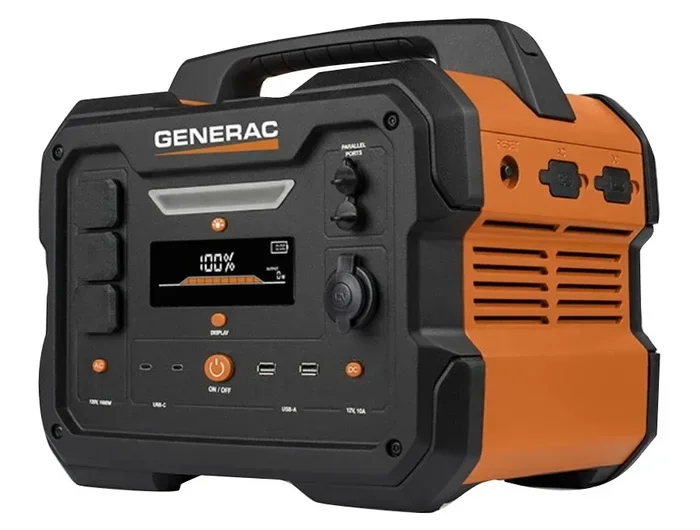
Best Battery Generator Top Picks for Reliable Power
A battery generator offers clean, quiet, and reliable power for homes, camping trips, and emergencies. Unlike gas generators, these units produce zero emissions and require minimal maintenance. In this guide, we break down the top battery generators, key features to consider, and expert tips to help you choose the right one for your needs.
When the lights go out or you head into the wilderness, having a dependable power source makes all the difference. A battery generator has become one of the most popular choices for people who want clean, quiet, and reliable energy on demand. Whether you need home backup power during a storm or a portable power station for a weekend camping trip, the right unit can keep your essential devices running without a hiccup.
Gas generators have long been the go-to option, but they come with downsides. They are loud, they produce harmful fumes, and they require regular fuel maintenance. A battery generator eliminates all of those problems. It runs silently, charges from wall outlets or solar panels, and stores energy safely for whenever you need it. This guide walks you through the best options available today, what to look for, and how to make the smartest choice for your situation.
We have tested and reviewed dozens of models to bring you the most up-to-date recommendations. From compact units that fit in a backpack to powerful home battery systems, there is something here for everyone. Let us dive into the world of portable power stations and find the perfect match for your energy needs.
Key Takeaways
- Battery generators are quiet, clean, and perfect for indoor use without the fume risks of gas models.
- Top brands like EcoFlow, Jackery, and Bluetti lead the market with strong lithium-ion battery technology.
- Battery capacity, wattage output, and charge time are the three most important factors when choosing a unit.
- Solar-compatible battery generators let you harness renewable energy for off-grid power solutions.
- Regular maintenance and proper storage extend the battery life of your generator significantly.
- Battery generators are ideal for power outages, camping, RV trips, and home backup power.
- Choosing the right size depends on your power needs, from small devices to running entire appliances.
📑 Table of Contents
- What Is a Battery Generator?
- Why Choose a Battery Generator Over a Gas Generator?
- Top Battery Generator Picks for 2024
- Key Features to Consider When Buying
- Common Mistakes to Avoid
- Expert Tips for Getting the Most from Your Battery Generator
- How Long Does a Battery Generator Last?
- Battery Generator vs Solar Generator: What Is the Difference?
- Final Thoughts
What Is a Battery Generator?
A battery generator is a portable or stationary device that stores electrical energy in a rechargeable battery. Most modern units use lithium-ion battery technology, which offers high energy density, long battery life, and lightweight design. You charge the battery ahead of time, and then use the stored power to run appliances, electronics, tools, and more.
These units are also called portable power stations by many manufacturers. They come in all shapes and sizes. Some are small enough to charge your phone and laptop during a hike. Others are large enough to power your refrigerator, lights, and medical equipment during a power outage. The key difference between a battery generator and a gas generator is simple: one uses stored electrical energy, and the other burns fuel to create electricity.
How Does a Battery Generator Work?
The process is straightforward. You plug the unit into a wall outlet, a car charger, or a solar panel to charge the internal battery. When you need power, you plug your devices directly into the generator’s outlets or USB ports. The battery converts stored DC power into AC power through an inverter, which is the same type of electricity your home uses. Most quality units include pure sine wave inverters, which deliver clean and stable power safe for sensitive electronics like laptops and medical devices.
Why Choose a Battery Generator Over a Gas Generator?
More and more people are making the switch from gas to battery-powered units. Here is why that trend is growing fast.
Silent Operation
One of the biggest advantages of a battery generator is how quiet it is. Gas generators can run at 60 to 80 decibels, which is about as loud as a vacuum cleaner. A battery unit operates at around 30 to 50 decibels, which is softer than a normal conversation. This makes it perfect for indoor use, camping, and situations where noise matters.
Zero Emissions
Battery generators produce no exhaust fumes. You can use them indoors without worrying about carbon monoxide buildup. This is a huge safety advantage, especially for families with children or elderly members who need reliable home backup power during emergencies.
Low Maintenance
With a gas generator, you need to change oil, replace spark plugs, add fuel stabilizer, and store gasoline properly. A battery generator requires almost none of that. You charge it, use it, and store it. The battery life of modern lithium-ion units typically lasts for hundreds or even thousands of charge cycles before you need to replace the battery.
Renewable Energy Compatibility
Many battery generators are solar-compatible, which means you can pair them with solar panels to create a fully renewable energy setup. This is ideal for off-grid power situations, sustainable living, and anyone who wants to reduce their carbon footprint. You get free energy from the sun and store it for later use.
Top Battery Generator Picks for 2024
After reviewing dozens of models, we have narrowed down the best options across different categories. Here are our top recommendations.
EcoFlow Delta 2 Max
The EcoFlow Delta 2 Max is a powerhouse that combines battery capacity with fast charging. It offers up to 2,048 watt-hours of storage and can recharge from 0 to 80 percent in under an hour. It supports solar panel input, has multiple outlet types, and can run essential household appliances during a power outage. It is one of the best choices for people who need serious portable power without the bulk.
Jackery Explorer 1000 Pro
The Jackery Explorer 1000 Pro delivers 1,002 watt-hours of energy and weighs just 31 pounds. It is lightweight enough for camping trips yet powerful enough to run a mini fridge, lights, and charging stations. The unit features a smart app for monitoring battery levels and charge status. It is a great blend of portability and performance for outdoor enthusiasts and emergency preparedness.
Bluetti AC200MAX
The Bluetti AC200MAX stands out with its expandable battery capacity. You can connect additional battery modules to reach up to 8,192 watt-hours. It has a pure sine wave inverter, multiple charging inputs including solar, and a long battery life designed for heavy-duty use. This is an excellent option for RV owners, off-grid cabins, and homeowners who want a robust home backup power solution.
Blimppower 500
The Blimppower 500 is a budget-friendly option that still delivers solid performance. It offers 500 watt-hours of storage, multiple USB and AC outlets, and a compact design that fits easily in a car trunk. It is perfect for charging phones, tablets, laptops, and small appliances during short trips or minor power outage situations.
Key Features to Consider When Buying
Not all battery generators are created equal. Here are the most important features to evaluate before making a purchase.
Battery Capacity and Wattage Output
Battery capacity is measured in watt-hours (Wh). It tells you how much energy the unit can store. A higher number means longer battery runtime. Wattage output tells you how much power the generator can deliver at once. If you want to run a microwave, refrigerator, or power tools, you need a higher wattage output. Make sure the unit’s continuous and peak wattage ratings match your needs.
Charge Time and Charging Options
Fast charging is a game-changer. Some units can recharge from empty to full in under two hours using a wall outlet. Solar charging takes longer but offers the benefit of renewable energy. Look for generators that support multiple charging methods, including wall outlet, car charger, and solar panel input. This flexibility ensures you can always keep your unit powered up, no matter the situation.
Portability and Weight
If you plan to carry your generator on camping trips or use it in different rooms, weight matters. Lightweight units under 20 pounds are ideal for portability. Larger units with bigger battery capacity often come with wheels or handles for easier movement. Consider where and how you will use the generator most often.
Output Ports and Connectivity
Check the types and number of outlets available. USB-A and USB-C ports are essential for charging phones and laptops. AC outlets power larger appliances. Some units also offer DC outlets for car-powered devices and even wireless charging pads. The more options you have, the more versatile your portable power station becomes.
Common Mistakes to Avoid
Buying a battery generator is an investment, and avoiding these common mistakes will save you money and frustration.
Underestimating Your Power Needs
Many people buy a unit that is too small for their actual needs. Before purchasing, make a list of the devices you want to power and add up their wattage. Always choose a generator with a higher capacity than your calculated total. This gives you a safety margin and ensures you do not run out of battery runtime when you need it most.
Ignoring Charge Time
A generator with a huge battery capacity means nothing if it takes two days to recharge. Pay attention to the charge time specifications. If you expect to use the unit frequently, a fast-charging model is essential. Pairing your generator with a compatible solar panel can also solve this problem during extended power outage situations.
Skipping the Warranty Check
Not all manufacturers offer the same warranty coverage. Some brands provide excellent customer support and long warranties, while others leave you on your own. Always check the warranty terms before buying. A solid warranty reflects the manufacturer’s confidence in their product and gives you peace of mind.
Expert Tips for Getting the Most from Your Battery Generator
Getting the best performance from your unit comes down to a few smart habits.
- Store your generator in a cool, dry place. Extreme heat and cold can degrade lithium-ion battery performance over time.
- Charge the unit every three to six months even if you are not using it. This prevents battery drain and maintains healthy battery life.
- Use solar panels for supplemental charging. This reduces your reliance on grid electricity and supports clean, renewable energy use.
- Monitor your power usage. Most quality units come with apps or displays that show real-time energy consumption. Use this data to manage your battery runtime more effectively.
- Keep your firmware updated. Manufacturers often release updates that improve performance, fix bugs, and add new features to their portable power stations.
How Long Does a Battery Generator Last?
The lifespan of a battery generator depends on several factors, including battery type, usage patterns, and maintenance. Most lithium-ion units are designed to last between 500 and 1,500 full charge cycles before the capacity drops to about 80 percent of its original level. With regular use and proper care, a quality unit can serve you well for five to ten years or more.
If you are curious about how long generators last in general, it helps to understand the difference between battery generators and fuel-powered models. A gas generator may need more frequent maintenance, oil changes, and part replacements over time. A battery unit has fewer moving parts, which means fewer things can break. For a deeper look at generator longevity, you might want to check out how long a whole house generator lasts for a broader comparison.
Proper storage is another key factor. Keeping your unit charged between 20 and 80 percent when not in use, avoiding extreme temperatures, and following the manufacturer’s guidelines all contribute to a longer lifespan. With the right care, your battery generator will be ready to go whenever you need reliable power backup.
Battery Generator vs Solar Generator: What Is the Difference?
You have probably seen the terms “battery generator” and “solar generator” used interchangeably. While they are closely related, there is a subtle difference. A battery generator refers to any generator that uses a rechargeable battery to store and deliver power. It can be charged from a wall outlet, a car, or any other power source.
A solar generator is a specific type of battery generator that is designed to work with solar panels. It typically includes solar-compatible charging ports and is optimized for renewable energy harvesting. In practice, most modern battery generators are solar-compatible, so the line between the two terms has blurred. The important thing is to choose a unit that fits your charging preferences and energy needs.
For example, if you live in a sunny area and want to go fully off-grid, a solar-compatible battery generator paired with a good set of panels is the way to go. If you mainly need backup power for home use and charge from the wall, any quality battery generator will serve you well. Understanding this distinction helps you make a more informed decision.
Final Thoughts
A battery generator is one of the smartest investments you can make for reliable, clean, and quiet power. Whether you are preparing for emergencies, enjoying the outdoors, or reducing your reliance on fossil fuels, the right unit delivers exactly what you need. The top picks we have covered in this guide offer a range of sizes, features, and price points to suit every situation.
Remember to assess your power needs carefully, choose a unit with adequate battery capacity and wattage output, and consider solar charging for the ultimate in renewable energy independence. With the right battery generator in your corner, you never have to worry about losing power again. Take your time, compare the options, and pick the unit that fits your lifestyle best.
For more information on generator fuel usage and efficiency, you can explore our article on how much propane a 20kw generator uses per hour to understand fuel consumption in traditional generators. Similarly, if you are considering a home setup, check out what powers a Generac home generator for insights into which appliances different generator sizes can handle.
Frequently Asked Questions
What is the best battery generator for home backup power?
The EcoFlow Delta 2 Max and Bluetti AC200MAX are among the best choices for home backup power. They offer high battery capacity, fast charging, and enough wattage output to run essential appliances during a power outage. Choose based on your specific energy needs and budget.
Can a battery generator power a refrigerator?
Yes, most battery generators with at least 1,000 watt-hours of capacity can run a refrigerator for several hours. The runtime depends on the refrigerator’s wattage and the generator’s battery capacity. Always check the wattage requirements of your appliances before purchasing.
How long does it take to charge a battery generator?
Charge time varies by model and charging method. Most units can recharge from 0 to 80 percent in one to two hours using a wall outlet. Solar charging takes longer, typically six to ten hours depending on sunlight conditions. Fast-charging models are ideal for users who need quick turnaround.
Are battery generators worth the money?
Absolutely. Battery generators offer silent operation, zero emissions, low maintenance, and renewable energy compatibility. They are a worthwhile investment for camping, emergency preparedness, and anyone who wants reliable portable power without the hassle of gas and fumes.
Can I use a battery generator while it is charging?
Yes, most modern battery generators support pass-through charging. This means you can use the unit to power your devices while it is simultaneously recharging. However, it may slow down the charging process, so check your specific model’s manual for best practices.
What is the difference between a battery generator and a portable power station?
There is essentially no difference. The terms are used interchangeably by most manufacturers. Both refer to rechargeable devices that store electrical energy in a battery and deliver it through AC and DC outlets. The key is to compare battery capacity, wattage output, and features when shopping.