Gasoline Generator Buying Guide for Beginners in 2024
A gasoline generator is one of the most reliable ways to keep your home powered during outages or enjoy off-grid adventures. This buying guide breaks down everything beginners need to know in 2024, from understanding wattage and fuel efficiency to choosing the right size for your needs. You will learn how to compare models, avoid common mistakes, and make a confident purchase.
Key Takeaways
- Know your power needs: Calculate your total wattage before buying to avoid under- or overspending.
- Consider fuel efficiency: A more efficient gasoline generator saves money on fuel over time.
- Portability matters: If you need to move the unit often, look for lightweight models with wheels.
- Safety first: Always operate your generator outdoors and follow manufacturer guidelines.
- Maintenance extends lifespan: Regular oil changes and fuel stabilizers keep your unit running smoothly.
- Match the generator to your use case: A generator for house use differs greatly from a small portable unit for camping.
- Budget wisely: Prices vary widely, so find the best value, not just the lowest price.
📑 Table of Contents
- Why a Gasoline Generator Matters for Every Home
- Understanding How a Gasoline Generator Works
- How to Choose the Right Size Gasoline Generator
- Fuel Efficiency and Runtime: What Really Matters
- Safety Tips Every Beginner Should Know
- Maintenance Tips to Keep Your Generator Running
- Gasoline Generator Cost: What to Expect in 2024
- Common Mistakes Beginners Make When Buying a Generator
- Final Thoughts: Making the Right Choice for Your Home
Why a Gasoline Generator Matters for Every Home
Power outages happen. Storms knock down lines. Grids fail. When that happens, a gasoline generator becomes your lifeline. It keeps your lights on, your fridge running, and your family comfortable. In 2024, more homeowners are realizing the value of having a backup power source ready to go.
A gasoline generator burns regular fuel to produce electricity. It is simple, widely available, and easy to use. Unlike diesel or propane units, gasoline is something you can find at almost any gas station. That makes it a popular choice for beginners who want a straightforward portable generator solution.
But buying the right one is not as simple as picking the cheapest model off the shelf. You need to understand wattage, runtime, fuel capacity, and safety. This guide walks you through every step so you can make a smart decision with confidence.
Understanding How a Gasoline Generator Works
The Basic Mechanics
A gasoline generator works by converting fuel into mechanical energy, which then creates electrical energy. Here is how it happens in simple terms:
- The engine burns gasoline to create motion.
- That motion spins an alternator.
- The alternator produces electricity.
- outlets on the unit deliver that power to your devices.
That is really all there is to it. The engine works much like a small car engine. It has a fuel tank, a carburetor, and a spark plug. When you pull the starter cord or press the electric start button, the engine fires up and begins generating power.
Starting Watts vs Running Watts
One of the most important things to understand is the difference between starting watts and running watts. Starting watts are the extra power needed to kick-start motor-driven appliances like refrigerators or air conditioners. Running watts are the steady power needed to keep those devices running.
For example, a refrigerator might need 1,200 running watts but 2,400 starting watts. If your generator cannot handle the starting surge, it will not power the appliance properly. Always check both numbers before making a purchase.
How to Choose the Right Size Gasoline Generator
Calculate Your Power Needs
The first step in choosing a gasoline generator is figuring out how much power you actually need. Make a list of the appliances and devices you want to run during an outage. Then add up their wattage. Here is a quick reference:
- Refrigerator: 1,200 to 2,400 watts
- Lights (10 bulbs): 300 to 500 watts
- Window AC unit: 1,000 to 2,000 watts
- Microwave: 1,000 to 1,500 watts
- Phone/laptop chargers: 100 to 300 watts
- Sump pump: 800 to 1,200 watts
Once you have your total, add a 20% buffer for safety. This ensures your generator can handle the load without straining.
Small, Medium, and Large Generator Categories
Generators come in three main size categories. Each serves a different purpose.
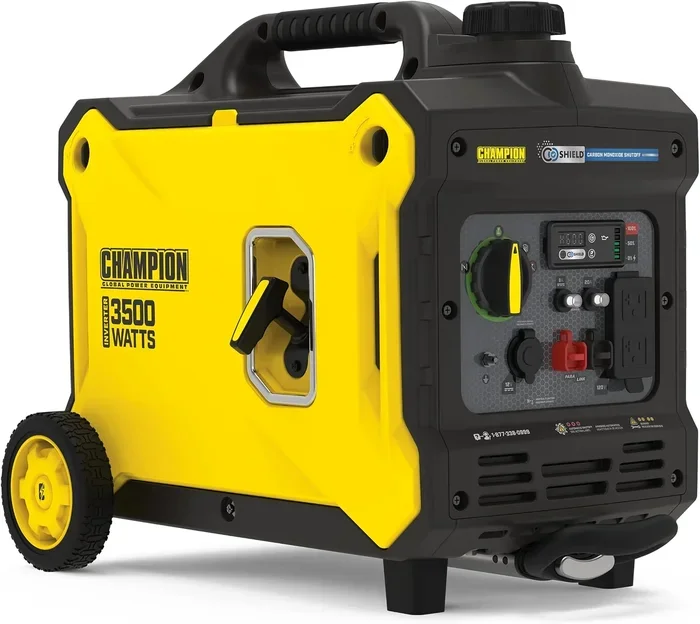
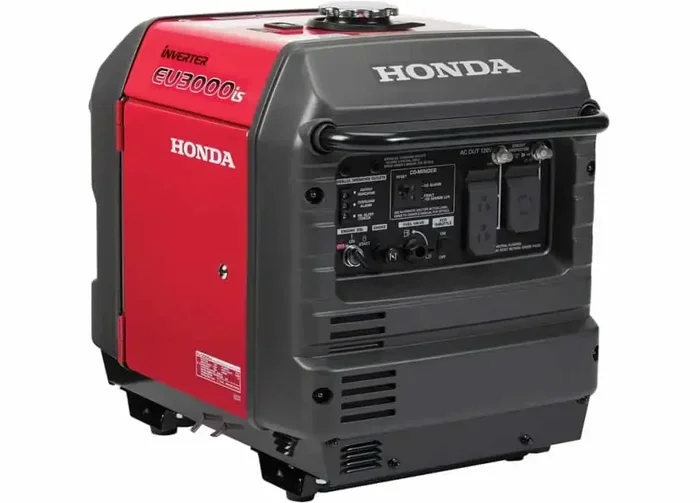
Small (1,000 to 3,000 watts): These are perfect for camping trips, tailgating, or running a few essential devices during a short outage. A mini generator in this range is lightweight and easy to carry. They are affordable and great for beginners who just want a simple backup for phones and lights.
Medium (3,000 to 7,000 watts): This is the sweet spot for most homeowners. A medium unit can run your refrigerator, a few lights, your furnace blower, and charge your electronics. It is large enough to be useful but small enough to store easily.
Large (7,000 to 10,000+ watts): These units can power most of your home during an outage. They handle central air conditioning and multiple heavy appliances. However, they are heavier, louder, and more expensive. They are best for people in areas prone to long outages.
What Size Generator to Run Furnace and Refrigerator
If your main goal is to keep your furnace and fridge running during winter outages, you need a unit that can handle both their starting and running wattage. A furnace blower typically draws around 600 to 800 watts, while a refrigerator needs around 1,200 running watts with a 2,400 starting surge. A medium-sized gasoline generator in the 3,500 to 5,000 watt range handles this combination comfortably. For more details on matching your generator to specific household appliances, check out this guide on what size generator to run furnace and refrigerator.
Fuel Efficiency and Runtime: What Really Matters
Why Fuel Efficiency Matters
Nobody wants to burn through fuel too quickly. Fuel efficiency determines how long your generator runs on a single tank. A more efficient unit saves you money and means fewer trips to the gas station to refill. In an emergency, this can make a big difference.
Look for generators with an eco-mode or idle control feature. These adjust the engine speed based on the load. When demand is low, the engine slows down and uses less fuel. This is a simple feature that makes a huge impact on runtime.
How Long Can You Leave Gas in a Generator
Fuel storage is an important but often overlooked topic. Gasoline degrades over time, typically within 30 to 90 days. Old fuel can clog your carburetor and cause starting problems. If you plan to store your generator for extended periods, use a fuel stabilizer or drain the tank completely.
Many people ask, how long can you leave gas in a generator? The answer depends on the fuel quality and whether you use a stabilizer. With a fuel stabilizer, gasoline can last up to 12 months in the tank. Without one, plan to use fresh fuel every 30 days for reliable starting. For more on this topic, visit this detailed guide on how long you can leave gas in a generator.
Runtime Comparison Table
Here is a general comparison of runtime across different generator sizes on a half-load scenario:
- Small generators (2,000W): 8 to 12 hours on a 1-gallon tank
- Medium generators (4,000W to 5,000W): 10 to 16 hours on a 1 to 2-gallon tank
- Large generators (7,000W to 10,000W): 8 to 14 hours on a 3 to 5-gallon tank
Keep in mind these numbers vary by brand, load, and fuel type. Always check the manufacturer’s specs for the most accurate runtime data.
Safety Tips Every Beginner Should Know
Never Run a Generator Indoors
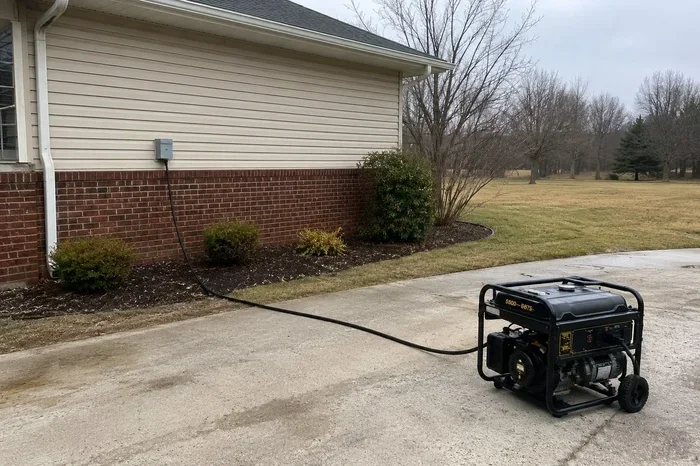
This cannot be stressed enough. A gasoline generator produces carbon monoxide, which is invisible and odorless. Running it indoors, in a garage, or near open windows can be fatal. Always place your generator at least 20 feet away from your home, with the exhaust pointing away from doors and windows.
Use Proper Extension Cords
Only use outdoor-rated extension cords that are rated for the wattage you are drawing. A cord that is too thin can overheat and cause a fire. Look for cords with a 12-gauge or 10-gauge rating for longer runs. Never daisy-chain cords together.
Let the Generator Cool Before Refueling
Always turn off your generator and let it cool for at least 5 minutes before adding fuel. Spilling gasoline on a hot engine can cause a fire. Keep a fire extinguisher nearby when operating any generator.
Ground Your Generator Properly
Most modern generators come with a grounding rod or a built-in grounding system. Follow the manufacturer’s instructions to ensure proper grounding. This protects you from electrical shock and ensures safe operation.
Maintenance Tips to Keep Your Generator Running
Regular Oil Changes
Just like a car engine, your generator needs regular oil changes. Most manufacturers recommend changing the oil after the first 20 hours of use, then every 100 hours after that. Use the oil type recommended in the owner’s manual. This simple step dramatically extends the life of your engine.
Air Filter and Spark Plug Care
Check your air filter monthly during heavy use. A dirty air filter reduces efficiency and can cause the engine to stall. Clean or replace it as needed. The spark plug should also be inspected and replaced annually to ensure reliable starting.
Store Fuel Properly
Use airtight fuel containers and store them in a cool, well-ventilated area. Label your containers with the date you filled them. Rotate your fuel supply regularly so you always have fresh gasoline on hand when you need it.
Gasoline Generator Cost: What to Expect in 2024
The price of a gasoline generator varies widely based on size, brand, and features. Here is a general price breakdown to help you budget:
- Budget models (1,000 to 2,500W): $300 to $600. Great for basic needs and beginners.
- Mid-range models (3,000 to 5,000W): $600 to $1,200. The best value for most households.
- Premium models (7,000 to 10,000W): $1,200 to $2,500. Ideal for whole-home backup and heavy-duty use.
Remember, the cheapest option is not always the best value. A slightly more expensive unit with better fuel efficiency and a longer warranty can save you money in the long run. Consider your actual needs before making a decision.
If you are trying to decide between different types of generators, it helps to understand how a gasoline generator compares to other fuel types. Gasoline is widely available and easy to store in small quantities. Propane burns cleaner but requires special tanks. Diesel is more fuel-efficient but costs more upfront. For most beginners, gasoline offers the best balance of convenience and cost.
Common Mistakes Beginners Make When Buying a Generator
- Buying based on price alone: The cheapest generator may lack the power or reliability you need. Always check wattage and runtime.
- Ignoring starting watts: Many beginners only look at running watts and get surprised when their generator cannot start a refrigerator or AC unit.
- Skipping the break-in period: New generators need a break-in period of about 5 hours of use before the engine fully seats. Run it lightly during this time.
- Neglecting maintenance: A generator that sits unused for months without maintenance will likely fail when you need it most.
- Overloading the unit: Plugging in too many devices at once can trip the breaker or damage the generator. Know your limits and prioritize essential loads.
Final Thoughts: Making the Right Choice for Your Home
Choosing the right gasoline generator does not have to be overwhelming. Start by understanding your power needs. Pick the right size. Focus on fuel efficiency and runtime. Follow safety guidelines. Maintain your unit regularly. And do not let price be your only deciding factor.
A good gasoline generator gives you peace of mind. It means you are prepared for storms, outages, and unexpected situations. Whether you need a small unit for camping or a larger one to run your house during extended outages, there is a perfect option out there for you.
Take your time, do your research, and invest in a unit that fits your lifestyle. The right gasoline generator will serve you well for many years to come. Start your search today and enjoy the confidence that comes with being prepared.
Frequently Asked Questions
What is the best gasoline generator for beginners?
A 3,000 to 5,000 watt gasoline generator is the best starting point for most beginners. It offers enough power to run essentials like a refrigerator, lights, and phone chargers without being too heavy or expensive. Look for models with electric start, eco-mode, and a warranty of at least 2 years.
How long does a gasoline generator last?
With proper maintenance, a quality gasoline generator can last 10 to 20 years or more. Regular oil changes, spark plug replacements, and proper fuel storage all contribute to a longer lifespan. Units that are used frequently and well-maintained often outlast those that sit idle for long periods.
Can I use a gasoline generator to power my whole house?
A large gasoline generator in the 7,000 to 10,000 watt range can power most essential circuits in your home. However, for full whole-house coverage including central air and electric heat, you may need a larger unit or a standby generator. If you want to learn more about running a generator for house use, check out this guide on how to run a generator to house.
Is gasoline or propane better for a generator?
Gasoline is more convenient because it is widely available and easy to store in small amounts. Propane burns cleaner and has a longer shelf life. However, propane requires a special tank and regulator. For most beginners, gasoline is the simpler and more practical choice.
How often should I change the oil in my gasoline generator?
Change the oil after the first 20 hours of use, then every 100 hours or at least once per season. Always use the oil type recommended by the manufacturer. Check the oil level before each use and top off as needed to keep the engine running smoothly.
What is the difference between a portable and a standby gasoline generator?
A portable gasoline generator is smaller, lightweight, and can be moved easily. It runs on gasoline and is perfect for camping, tailgating, or temporary backup power. A standby generator is a permanently installed unit that automatically kicks on during a power outage. Standby units are more expensive but offer greater convenience and higher power output. For a budget-friendly portable option, consider a mini generator that is easy to store and transport.