Is a Solar Generator Worth It for Your Home and Budget
Wondering is a solar generator worth it for your home? A solar generator can cut your electricity bills, provide reliable backup power during outages, and reduce your carbon footprint. However, upfront costs, location factors, and energy habits all play a role in whether this investment pays off. This guide breaks down everything you need to decide.
Key Takeaways
- Solar generators offer real savings: Over time, they reduce electricity bills and protect you from rising energy costs.
- Upfront costs can be high: A quality solar generator system typically costs between $1,000 and $15,000 depending on your needs.
- Backup power is a major benefit: Solar generators keep your home running during grid outages and emergencies.
- Location matters: Sunlight availability in your area directly impacts how effective your system will be.
- Tax incentives help offset costs: Federal and state incentives can significantly reduce your investment.
- Maintenance is minimal: Solar generators have few moving parts, making upkeep simple and affordable.
- It is a long-term investment: Most systems pay for themselves within 8 to 15 years.
📑 Table of Contents
- Why Solar Generators Are Gaining Popularity
- What Exactly Is a Solar Generator?
- The Real Cost of Solar Generators
- Benefits That Make Solar Generators Worth It
- Drawbacks and Challenges to Consider
- How to Decide if a Solar Generator Is Right for You
- Tips for Getting the Most from Your Solar Generator
- Expert Insights on Solar Generators
- Common Mistakes When Buying Solar Generators
- Is a Solar Generator Worth It? The Final Verdict
Why Solar Generators Are Gaining Popularity
Electricity prices keep climbing. Power outages seem to happen more often every year. More homeowners are asking a simple but important question: is a solar generator worth it? The answer is not a simple yes or no. It depends on your budget, your energy needs, and where you live.
Solar generators have come a long way in recent years. What once seemed like a niche product for off-grid enthusiasts is now a practical option for everyday families. Whether you want to cut monthly bills, prepare for emergencies, or shrink your carbon footprint, a solar generator might be the right move. Let us break down the real costs, the genuine benefits, and the hidden factors you should consider before buying.
What Exactly Is a Solar Generator?
How Solar Generators Work
A solar generator captures sunlight using panels and stores the energy in a battery. When you need electricity, the system draws from that stored power. Unlike traditional gas generators, there are no engines, no fuel, and very little noise involved.
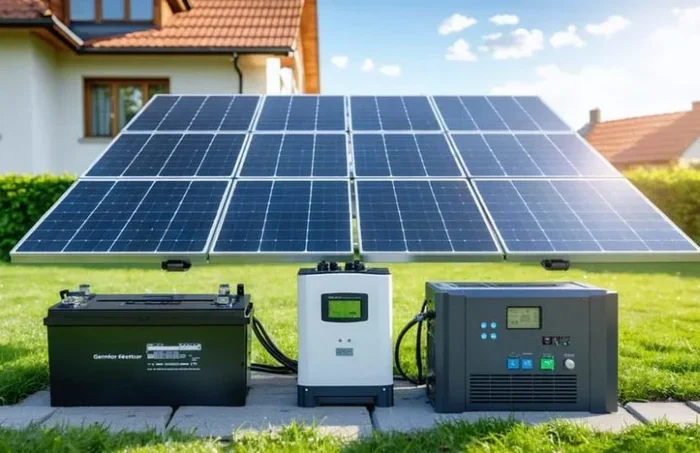
Most solar generator setups include three main parts:
- Solar panels that collect sunlight and convert it into electricity.
- A battery bank that stores the energy for later use.
- An inverter that converts stored DC power into the AC power your home uses.
Some systems are small enough to power a few devices. Others can run your entire house during a blackout. Understanding this range helps you decide if is a solar generator worth it for your specific situation.
Portable vs. Whole-House Systems
Not all solar generators are the same. Portable units are great for camping, tailgating, or powering a few essentials during a short outage. Whole-house systems connect directly to your home and can handle larger loads like refrigerators, air conditioners, and lighting.
Before purchasing, figure out what you actually need. A portable station rated at 1,000 watts might run your phone, a fan, and a small lamp. But it will not run your window AC unit. That is why knowing your energy habits is so important before committing to a purchase.
The Real Cost of Solar Generators
Upfront Investment
Let us talk money. The big question for most people is whether they can afford the upfront cost. Solar generator prices vary widely based on capacity and brand.
- Small portable units (300-500Wh): $300 to $800
- Medium systems (1,000-2,000Wh): $800 to $2,500
- Large home systems (3,000-15,000Wh): $2,500 to $15,000+
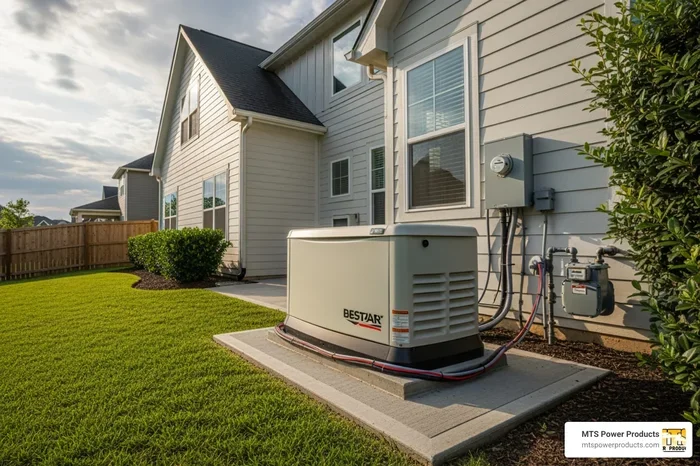
These numbers cover the generator unit itself. You also need to factor in solar panels if they are not included. Quality panels can add another $500 to $5,000 depending on your setup. For comparison, a traditional standby generator might cost similar amounts. You can learn more about how much a standby generator costs to compare your options side by side.
Ongoing Costs and Savings
Here is where solar generators shine. Once installed, the fuel is free. Sunlight costs nothing. Your ongoing costs are minimal, mostly limited to occasional maintenance and battery replacement every 5 to 10 years.
Compare that to a gas generator. You constantly buy fuel, change oil, and deal with engine wear. Over a 10-year span, a solar generator can save you thousands in fuel and maintenance. The key is patience. Solar generators are a long-term investment, not a quick fix.
Federal and State Incentives
Another factor that makes solar generators more affordable is available incentives. The federal solar tax credit currently offers up to 30% off your total system cost. Many states offer additional rebates, tax credits, or net metering programs.
These incentives can dramatically reduce your payback period. Always check what is available in your state before making a purchase. What looks expensive at first might become very affordable once incentives are applied.
Benefits That Make Solar Generators Worth It
Backup Power During Outages
Power outages are the number one reason most homeowners consider a solar generator. Storms, grid failures, and equipment malfunctions can leave you in the dark for hours or even days. A solar generator keeps your essentials running without relying on gasoline or a noisy fuel-powered unit.
During extreme weather events, having backup power is not just convenient. It can be critical. Medical equipment, refrigerated medications, and communication devices all need electricity. A solar generator gives you peace of mind that your family stays safe and connected.
Lower Electricity Bills
Even if you never experience a blackout, a solar generator can reduce your monthly bills. During peak sunlight hours, your panels generate free electricity. You can use that power instead of drawing from the grid. Over time, those savings add up significantly.
Some homeowners even produce more energy than they consume. In those cases, utility companies may credit your account through net metering. This means your solar generator could actually earn you money rather than just saving it.
Environmental Impact
More people care about their environmental footprint today. A solar generator produces clean, renewable energy. It emits no greenhouse gases and requires no fossil fuels. Switching to solar is one of the simplest steps a homeowner can take toward green energy and a healthier planet.
The environmental impact is significant over the long run. A single home solar system can offset several tons of carbon dioxide emissions each year. That is the equivalent of planting dozens of trees annually.
Energy Independence
One of the most exciting benefits of solar power is energy independence. You are no longer completely dependent on your utility company. Rising electricity rates, billing disputes, and grid failures lose their sting when you generate your own power.
This independence also protects you from volatile energy markets. Gas prices fluctuate. Electricity rates keep climbing. Solar power locks in a predictable, free energy source for decades to come.
Drawbacks and Challenges to Consider
Sunlight Dependence
The biggest limitation of any solar generator is its reliance on sunlight. Cloudy days, heavy rain, and long winters all reduce energy production. If you live in a region with limited sunshine, your system will generate less power than expected.
This does not mean solar is impossible in cloudy areas. It just means you need to size your system appropriately. Homes in the Pacific Northwest or northern states may need larger battery banks to compensate for shorter daylight hours. Understanding your local climate is essential before investing.
Limited Power Output
Solar generators produce a finite amount of energy based on their battery capacity. Once the stored power is used up, you need sunlight to recharge. This is very different from grid-connected power that is always available.
Heavy electricity users should think carefully about this limitation. Running multiple high-wattage appliances simultaneously can drain a system quickly. It is important to match your system size to your actual usage patterns rather than guessing.
Longer Payback Period
While solar generators save money over time, the payback period can be long. Most systems take 8 to 15 years to fully pay for themselves through electricity savings. For some homeowners, especially those with low current electricity bills, the return on investment might be modest.
This is where patience matters. If you plan to stay in your home for many years, the investment makes more sense. If you are likely to move within five years, you might not fully recoup your costs. Think of a solar generator as a long-term upgrade, not a short-term savings hack.
How to Decide if a Solar Generator Is Right for You
Assess Your Energy Needs
The first step is figuring out how much power your home actually uses. Start by reviewing your electricity bills. Look for your monthly kilowatt-hour (kWh) usage. This number tells you how much energy you consume on average.
Next, list the essential items you want to keep running during an outage. A typical household might prioritize:
- Refrigerator and freezer
- Lighting in key rooms
- Phone and laptop charging
- Heating or cooling systems
- Medical devices if needed
Add up the wattage for these items. That total helps you determine what size system you need. If you are unsure about sizing, you can check guides on what size generator will run a whole house to get a better sense of capacity requirements.
Evaluate Your Location
Your geographic location plays a huge role in solar generator effectiveness. Homes in sunny states like Arizona, California, and Texas benefit the most. But even in less sunny regions, solar technology has improved enough to produce meaningful energy year-round.
Consider your roof orientation too. South-facing roofs receive the most sunlight. Shaded areas from trees or neighboring buildings can reduce output. A professional solar assessment can help you understand your specific potential.
Compare Installation Options
You have a few options when setting up a solar generator. DIY kits are available for tech-savvy homeowners and can save on labor costs. Professional installation costs more but ensures proper setup, safety compliance, and optimal performance.
Some homeowners also choose to run a generator to their house through a transfer switch setup. This allows seamless switching between grid power and generator power during outages. A licensed electrician can help you set this up safely and efficiently.
Think About Resale Value
Homes with solar installations often sell for more than comparable homes without them. Buyers see solar as a valuable upgrade that lowers future utility costs. If you plan to sell your home eventually, a solar generator can be a smart investment that pays dividends beyond energy savings.
Tips for Getting the Most from Your Solar Generator
Start Small and Expand
You do not need to go all-in on day one. Many homeowners start with a portable solar generator for essentials and later expand their system. This approach lets you learn how you use energy before committing to a larger investment.
Maximize Sunlight Exposure
Place your solar panels where they receive maximum sunlight. Clean them regularly to remove dust and debris. Even a thin layer of dirt can reduce efficiency by 10 to 25 percent. Tracking the sun’s path across your property helps you find the optimal panel placement.
Monitor Your Usage
Most modern solar generators come with monitoring apps. Use them. Tracking your energy production and consumption helps you make smarter decisions about what to run and when. You might shift heavy energy tasks like laundry to peak sunlight hours for maximum efficiency.
Maintain Your System
Solar generators are low-maintenance, but not zero-maintenance. Check connections periodically. Inspect panels for cracks or damage. Replace batteries when performance drops. These simple habits extend your system’s lifespan and keep it running at peak efficiency.
Expert Insights on Solar Generators
Energy experts generally agree that solar generators are a smart investment for most homeowners, but with caveats. The technology is improving rapidly. Battery storage is getting cheaper every year. Solar panel efficiency continues to climb. These trends mean that what might not be worth it today could become even more valuable in a few years.
Industry professionals also recommend pairing solar generators with energy-efficient upgrades. LED lighting, smart thermostats, and efficient appliances reduce your overall demand. A smaller, less expensive solar system can cover your needs when you consume less energy in the first place.
Another expert tip is to plan for future needs. If you are considering an electric vehicle, a larger solar system now can power both your home and your car. Future-proofing your setup saves money and avoids the hassle of upgrading later.
Common Mistakes When Buying Solar Generators
- Undersizing the system: Buying too small a unit leads to frustration when it cannot handle your loads. Always add a 20% buffer to your calculated needs.
- Ignoring battery lifespan: Batteries degrade over time. Factor replacement costs into your long-term budget.
- Skipping professional advice: Even if you DIY, consulting an electrician for safety checks is always worthwhile.
- Overlooking warranty terms: Not all warranties cover battery degradation. Read the fine print before purchasing.
- Assuming constant power: Solar generators are not magic. They depend on sunlight and storage capacity. Plan accordingly for extended cloudy periods.
Is a Solar Generator Worth It? The Final Verdict
So, is a solar generator worth it for your home and budget? For most homeowners, the answer is yes, with qualifications. Solar generators offer genuine savings on electricity, reliable backup power, and environmental benefits that gas-powered alternatives simply cannot match. The upfront cost is real, but incentives and long-term savings make the investment worthwhile for those who plan ahead.
However, this is not a one-size-fits-all solution. Your location, energy habits, budget, and long-term plans all determine whether solar makes sense for you. The best approach is to start with your specific needs, research thoroughly, and invest in a system sized for your situation rather than the latest trends.
Solar technology will only get better and cheaper from here. If you have been waiting for the right time to make the switch, today is closer than ever to that sweet spot. Take your time, compare options, and choose a system that fits your home and your future.
Frequently Asked Questions
How long does a solar generator last?
Most quality solar generators last between 10 and 25 years depending on the brand and usage. The solar panels typically have the longest lifespan, while batteries may need replacement every 5 to 10 years. Proper maintenance can extend the overall life of your system significantly.
Can a solar generator power my entire house?
It depends on the size of the system and your energy consumption. Small portable units can power a few essentials during a short outage. Larger whole-house systems rated at 10,000Wh or more can run major appliances and circuits. To determine the right size, calculate your total wattage needs and add a safety margin.
Do solar generators work during cloudy days or at night?
Solar panels still produce some energy on cloudy days, though at reduced efficiency. At night, the system draws from stored battery power rather than generating new electricity. This is why having adequate battery capacity is so important for reliable 24-hour power.
What is the average payback period for a solar generator?
Most homeowners see a full return on investment within 8 to 15 years. This timeline depends on your electricity rates, sunlight availability, system size, and available tax incentives. Lower electricity costs mean a longer payback, while higher rates and strong incentives shorten it.
Are solar generators noisy like gas generators?
No. Solar generators operate almost silently because they have no engines or moving parts. The only sound you might hear comes from the inverter switching or fans cooling the battery. This makes them ideal for residential areas and noise-sensitive environments.
Can I install a solar generator myself?
Small portable units are ready to use right out of the box. Larger systems with rooftop panels and battery banks benefit from professional installation to ensure safety, proper wiring, and optimal performance. Many states require licensed electricians for grid-connected solar installations anyway.
=== CONCLUSION ===
Deciding if is a solar generator worth it comes down to your personal situation. The technology is proven, the benefits are real, and costs are dropping every year. Solar generators give you backup power, lower bills, clean energy, and long-term value that few other home investments can match.
Take the time to evaluate your energy needs, research your local incentives, and choose a system that fits your budget. Whether you start small or go big, adding solar power to your home is a step toward a more resilient, affordable, and sustainable future. The sun is free, and the technology is ready. Now it is your turn to make the switch.