Home Standby Generator The Ultimate Protection Guide
A home standby generator is your best defense against unexpected power outages, keeping your lights on, food cold, and family safe. This guide covers everything from installation and fuel types to maintenance tips and cost factors, so you can make the right choice for your home.
Key Takeaways
- Automatic power backup: A home standby generator kicks on within seconds of a power outage, providing seamless protection.
- Fuel options matter: Natural gas and propane are the most common fuel sources, each with pros and cons.
- Professional installation is key: Proper setup ensures safety, efficiency, and compliance with local codes.
- Regular maintenance extends lifespan: Annual servicing keeps your generator reliable when you need it most.
- Cost varies by size and features: Expect to invest between $3,000 and $15,000+ for a whole-house system.
- Noise and placement matter: Strategic positioning reduces disturbance and maximizes performance.
📑 Table of Contents
- Why a Home Standby Generator Is Your Best Investment
- What Exactly Is a Home Standby Generator?
- How a Home Standby Generator Keeps Your Home Safe
- Fuel Types and Generator Runtime
- Home Generator Installation: What You Need to Know
- Cost of a Home Standby Generator
- Maintenance Tips to Maximize Generator Lifespan
- Choosing the Right Size Home Standby Generator
- Noise, Safety, and Neighbor Considerations
- Expert Insights on Home Standby Generators
- Conclusion
Why a Home Standby Generator Is Your Best Investment
Power outages are more than just an inconvenience. They can ruin your food, knock out your heating or cooling, and even damage your home’s electrical system. That is exactly where a home standby generator steps in. Unlike portable units you drag out from the garage, a standby system installs permanently outside your home. It detects a power loss and starts working automatically, often within 10 to 30 seconds.
So why does this matter so much? Because backup power protection is not a luxury anymore. Storms are getting stronger. Grids are aging. And extreme weather events are happening more frequently. A whole house generator gives you peace of mind that no matter what happens outside, your home keeps running smoothly inside.
In this guide, we walk you through everything you need to know. From how these systems work to what it costs to install one, we have you covered. Let us dive in.
What Exactly Is a Home Standby Generator?
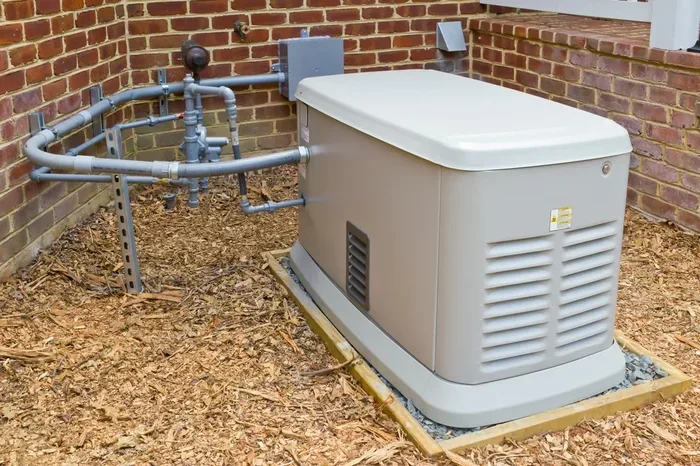
A home standby generator is a permanent power backup system installed at your property. It connects directly to your home’s electrical panel and fuel supply. When the grid goes down, an automatic transfer switch detects the interruption and signals the generator to start. Once it is running, power is restored to your home seamlessly.
How It Differs from Portable Generators
Portable generators are useful in a pinch. But they require manual setup, fuel handling, and extension cords. A residential generator does all of this automatically. Here is a quick comparison:
- Portable generators: You start them manually. They power a few appliances via extension cords. They run on gasoline and produce more noise.
- Standby generators: They activate on their own. They power your entire home through a direct wiring connection. They run on natural gas or propane.
The difference is huge. Think of a portable generator as a flashlight during a blackout. A standby power supply is like having your own personal power plant.
Core Components of a Standby System
Understanding the parts helps you appreciate the full picture. Every home backup power system includes:
- The generator unit: This houses the engine and alternator. It converts fuel into electricity.
- The automatic transfer switch (ATS): This brain monitors grid power and tells the generator when to start or stop.
- The fuel line: Connected to your natural gas line or a propane tank, this keeps the system fueled.
- Voltage regulator: This ensures clean, stable power flows through your home.
Together, these parts create a reliable emergency power source that works without any input from you.
How a Home Standby Generator Keeps Your Home Safe
The real magic of a home standby generator lies in its speed and automation. When a storm knocks out power, you do not even need to lift a finger. The system handles everything.
Automatic Activation Process
Here is what happens during an outage:
- The transfer switch detects a voltage drop from the grid.
- It sends a start signal to the generator unit.
- The engine fires up and reaches full speed within seconds.
- Power is routed to your home’s electrical panel.
- When grid power returns, the switch transfers back and shuts down the generator.
That whole cycle takes roughly 10 to 30 seconds. You might barely notice the interruption. This level of storm preparedness is what sets standby systems apart from every other option.
Protecting Critical Home Systems
A whole house generator does more than keep your lights on. It protects systems that matter most:
- Heating and cooling: Your HVAC system keeps running, preventing frozen pipes or heatstroke during extreme weather.
- Refrigerator and freezer: Your food stays safe. No more tossing out hundreds of dollars worth of groceries.
- Sump pumps: If you live in a flood-prone area, your pump keeps working to prevent basement flooding.
- Medical equipment: For households with oxygen machines or CPAP units, this is genuinely life-saving.
- Home security systems: Cameras, alarms, and smart locks stay online and protected.
Having a dependable home electrical system backup means every part of your daily life stays intact during an outage.
Fuel Types and Generator Runtime
Your fuel choice directly impacts how long your home standby generator can run and how much it costs to operate. The two most common options are natural gas and propane.
Natural Gas Generators
Natural gas is the most popular fuel for standby systems. It connects straight to your utility line, so you never run out of fuel during a long outage. The benefits include:
- Unlimited runtime as long as the gas supply is active.
- Cleaner burning than other fossil fuels.
- Typically lower fuel cost per hour.
The downside? If a gas line is damaged during a storm, your fuel source disappears too. That is rare, but it does happen.
Propane Generators
Propane is stored in tanks on your property. It is an excellent option if you do not have a natural gas connection. Here is what to know:
- You control your fuel supply, independent from utility companies.
- Propane burns very cleanly.
- Tanks need refilling, and runtime depends on tank size.
Many homeowners install dual-fuel systems that switch between natural gas and propane. This gives you the best of both worlds.
Understanding Generator Runtime
Generator runtime depends on fuel capacity and load. A typical residential generator running on natural gas can operate continuously for days or even weeks. On propane, a 100-gallon tank might last around 24 to 48 hours under moderate load. Understanding generator fuel consumption helps you plan for extended outages and keep your supply stocked.
For more details on fuel usage, check out this helpful resource on propane consumption rates.
Home Generator Installation: What You Need to Know
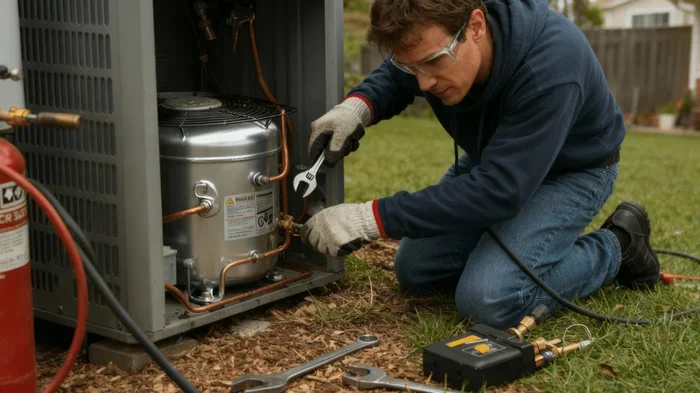
Installing a home standby generator is not a weekend DIY project. It requires professional work involving electrical wiring, fuel connections, and local building codes. Here is what the process looks like.
Step-by-Step Installation
- Site assessment: A technician evaluates your property, electrical panel, and fuel access.
- Permit acquisition: Most cities require permits for generator installation. Your installer handles this.
- Unit placement: The generator is positioned on a concrete pad or mounting platform outside your home.
- Fuel line connection: A licensed plumber connects the gas line or sets up the propane tank.
- Electrical wiring: An electrician connects the generator to your panel and installs the transfer switch.
- Testing and startup: The system is tested under load to confirm everything works correctly.
For guidance on running power from the generator into your home, this guide on how to run a generator to your house offers practical insights.
Placement Considerations
Where you place the unit matters. Keep it away from windows and vents to prevent exhaust from entering your home. Follow local setback requirements. And make sure it is accessible for maintenance. Generator noise levels vary by model, so placing it farther from bedrooms can help reduce disturbance.
Permits and Regulations
Every city has different rules. Some require noise limits. Others have specific distance requirements from property lines. Always check with your local building department before installation. Your installer usually knows the local codes and handles permits for you.
Cost of a Home Standby Generator
Let us talk numbers. The cost of a home standby generator varies based on size, brand, fuel type, and installation complexity. Understanding the breakdown helps you budget effectively.
Average Pricing Breakdown
| Generator Size | Fuel Type | Unit Cost | Installation Cost |
|---|---|---|---|
| 7-10 kW | Natural Gas / Propane | $2,000 – $4,000 | $1,500 – $3,000 |
| 12-15 kW | Natural Gas / Propane | $4,000 – $7,000 | $2,500 – $5,000 |
| 17-22 kW | Natural Gas / Propane | $7,000 – $12,000 | $4,000 – $7,000 |
| 24-28 kW (Whole House) | Natural Gas / Propane | $12,000 – $18,000 | $5,000 – $8,000 |
Total investment typically ranges from $3,500 to $25,000+ depending on your needs. For a deeper dive into Generac models specifically, this resource on Generac generator costs is worth a look.
Factors That Affect Price
- Power capacity: Larger units that power more circuits cost more upfront.
- Brand quality: Premium brands like Generac, Kohler, and Briggs & Stratton command higher prices.
- Fuel type infrastructure: Running a new gas line or installing a large propane tank adds cost.
- Electrical panel upgrades: Older homes may need panel upgrades to support a standby system.
- Location: Labor costs vary by region. Urban areas typically charge more.
Thinking about long-term value? A home backup system pays for itself over time. One major outage can cause thousands in damage and spoiled food. The protection alone justifies the expense.
Maintenance Tips to Maximize Generator Lifespan
A home standby generator is built to last. But like any mechanical system, it needs care. Regular maintenance ensures it starts when you need it most. Nobody wants to discover their generator fails during a real emergency.
Annual Maintenance Checklist
Here is what a typical service visit includes:
- Oil and filter change: Fresh oil keeps the engine running smoothly. Most manufacturers recommend changing it annually.
- Air filter inspection: A dirty air filter reduces efficiency and can cause overheating.
- Spark plug check: Worn spark plugs make starting unreliable.
- Battery test: The start-up battery must hold a strong charge. Replacement batteries are inexpensive.
- Fuel line inspection: Check for leaks, corrosion, or blockages in gas and propane connections.
- Load bank testing: Running the generator under load confirms it performs at full capacity.
For more on keeping your system running, here is a detailed guide on how long whole house generators last and what affects their longevity.
Common Mistakes That Shorten Generator Life
Avoid these rookie mistakes:
- Skipping annual servicing: Even if it looks fine, internal wear is invisible without inspection.
- Running low on fuel: Operating a generator on empty strains the engine and can cause damage.
- Ignoring warning signs: Strange noises, slow starts, or power fluctuations need attention immediately.
- Blocking airflow: Debris, overgrown plants, or snow around the unit restrict ventilation and cause overheating.
- Neglecting the transfer switch: This component is just as important as the generator itself. Have it inspected regularly.
Treat your automatic generator well, and it will serve you reliably for 15 to 30 years. That is a solid return on investment.
Choosing the Right Size Home Standby Generator
Size matters. Too small and your generator cannot handle your home’s demands. Too large and you overspend on a unit you do not need. Finding the right what size generator depends on your power needs, home size, and budget.
Essential Circuits vs. Whole House
Some homeowners choose to power only critical circuits. This approach uses a smaller, more affordable unit. Essential circuits typically include:
- Lights and outlets in main living areas
- Refrigerator and freezer
- Heating system blower
- Sump pump
- Well pump (if applicable)
Others want full whole-house coverage. That means powering everything, including central air conditioning, hot water heaters, and large kitchen appliances. For this, you need a unit in the 20 to 28 kW range.
Quick Sizing Guide
- Small home (1,000 – 1,500 sq ft): A 7 to 10 kW unit handles essential circuits.
- Medium home (1,500 – 2,500 sq ft): A 12 to 15 kW unit covers most needs comfortably.
- Large home (2,500+ sq ft): Go with 17 to 28 kW for full whole-house coverage.
If you are running heavy appliances like a furnace and refrigerator together, check out this sizing guide on generator sizing for furnace and refrigerator for specific wattage requirements.
Noise, Safety, and Neighbor Considerations
One concern homeowners always raise is noise. A home standby generator does produce sound. However, modern units are significantly quieter than older models. Many operate at 60 to 70 decibels, comparable to a normal conversation.
Reducing Noise Impact
Here is how to keep things neighbor-friendly:
- Place the unit as far from neighboring homes as possible while still meeting code.
- Choose models with sound-dampening enclosures.
- Install sound barriers like fences or landscaping walls around the unit.
- Avoid running the generator late at night unless absolutely necessary.
Safety First
Safety should always come first with any power outage protection system. Standby generators are among the safest options because:
- They are permanently installed and grounded.
- The exhaust is directed away from windows and vents.
- The automatic transfer switch prevents backfeeding into the grid.
- They shut down automatically when fuel runs low or issues are detected.
Never run any generator indoors or in an enclosed space. Carbon monoxide is deadly. Outdoor installation with proper ventilation eliminates this risk entirely.
Expert Insights on Home Standby Generators
Industry professionals agree that a home standby generator is one of the most practical home improvements you can make. Here is what the experts say:
- Invest in quality: Cheap units save money upfront but cost more in repairs and downtime. Buy from reputable brands.
- Plan for the future: If you are building or renovating, install the generator infrastructure now. Retrofitting later is more expensive.
- Insurance benefits: Many homeowners insurance policies offer discounts for homes with backup power systems. Check with your provider.
- Smart home integration: Newer models connect to Wi-Fi and send alerts to your phone. You can monitor status remotely.
These insights highlight that a standby system is not just about power. It is about smart home planning and long-term value.
Conclusion
A home standby generator is more than a convenience. It is a critical safeguard for your home, your family, and your comfort. From automatic activation during blackouts to protecting essential systems like heating, cooling, and refrigeration, these systems deliver reliable backup power protection day in and day out.
Whether you are dealing with aging power grids, increasingly severe storms, or simply want the comfort of knowing your home stays powered, investing in a whole house generator makes sense. The upfront cost is significant, but the protection, peace of mind, and long-term value make it well worth it.
Take the time to choose the right size, hire a qualified installer, and commit to regular maintenance. Your home standby generator will be there for you whenever the grid fails. And that is a promise no portable unit can make.
Frequently Asked Questions
How long can a home standby generator run continuously?
A home standby generator running on natural gas can operate continuously for as long as the fuel supply lasts, potentially weeks during extended outages. Propane-powered units are limited by tank size, with a 100-gallon tank lasting roughly 24 to 48 hours under moderate load.
Do home standby generators require a lot of maintenance?
Not really. Most systems need annual professional servicing, which includes an oil change, filter replacement, and a full system check. This is similar to maintaining a furnace or water heater. Staying on schedule keeps your automatic generator reliable and efficient.
Can a home standby generator power my central air conditioning?
Yes, but it depends on the generator size. Units in the 17 to 28 kW range can typically handle central AC along with other essential circuits. If you want to run heavy appliances like AC and a furnace together, make sure to size the unit correctly for your home’s total demand.
How much does it cost to install a home standby generator?
Total costs, including the unit and installation, range from about $3,500 to $25,000 or more. A basic 7 to 10 kW system for essential circuits costs less, while a 20+ kW whole-house system runs significantly higher. Fuel type, brand, and local labor rates all affect the final price.
Are home standby generators loud?
Modern standby generators operate at around 60 to 70 decibels, which is about the level of a normal conversation. They are much quieter than older models. Proper placement away from bedrooms and neighboring homes further reduces noise impact. Sound-dampening enclosures are also available for added quiet.
Will a home standby generator work during a gas or power grid emergency?
A natural gas-powered generator will work as long as the gas supply is intact. If the gas line is damaged, it cannot run. Propane units are independent from utility gas lines, so they keep working regardless of grid conditions. For added flexibility, dual-fuel systems switch between both sources automatically.