How To Tell If Your AC Compressor Is Bad Or Failing
Your AC compressor is the heart of your cooling system, and when it starts failing, your home comfort suffers fast. Watch for warning signs like strange noises, warm air from vents, frequent tripping, and ice buildup on the unit. Catching these AC compressor symptoms early can save you hundreds in repair costs and prevent a full system breakdown during the hottest days of the year.
Your air conditioning system works hard every summer to keep your home cool and comfortable. But there is one part that does the heaviest lifting of all. That part is the AC compressor. It sits in the outdoor condenser unit and pressurizes refrigerant so cool air can flow through your home. When this component starts to go bad, the whole system suffers. You lose cool air, you pay more in energy bills, and you risk a complete breakdown on the hottest day of the year.
So how do you know if your AC compressor is failing? The good news is that most compressors give you plenty of warning signs before they completely die. You just need to know what to look for. In this guide, we will walk you through every AC compressor symptom you should watch for. We will also cover why compressors fail, how to test them, and when it is time to call in a professional. By the end, you will feel confident spotting problems early and making smart decisions about repair or replacement.
Key Takeaways
- Strange noises like grinding, clicking, or humming are often the first telltale signs of a failing AC compressor.
- Warm air from vents despite the AC running means your compressor may not be pumping refrigerant properly.
- Frequent circuit breaker tripping or hard starting points to electrical or mechanical problems inside the compressor.
- Ice buildup on the condenser unit can signal low refrigerant, blocked airflow, or compressor issues.
- Repair vs replacement depends on the age of your unit, the cost of parts, and the severity of the damage.
- Regular maintenance like cleaning coils and checking refrigerant levels can extend compressor life significantly.
- Call a licensed HVAC professional if you suspect compressor failure to avoid dangerous or costly mistakes.
📑 Table of Contents
What Does an AC Compressor Do?
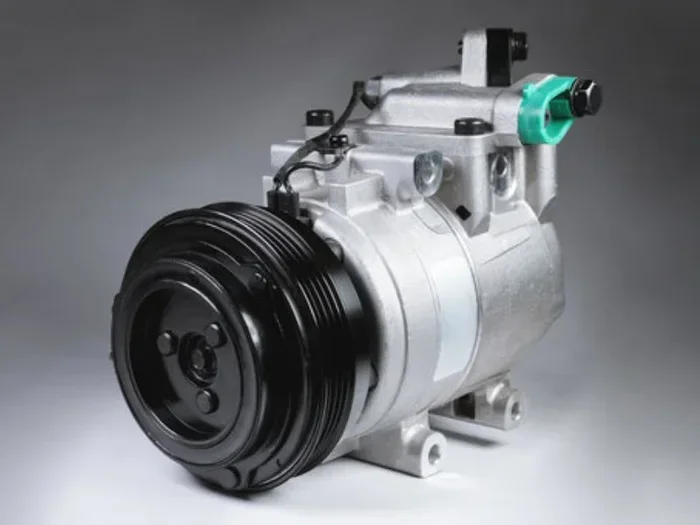
Before we dive into the signs of failure, it helps to understand what the compressor actually does. Think of the air conditioning compressor as the engine of your AC system. It takes low-pressure refrigerant gas from inside your home and compresses it into high-pressure gas. This process releases heat, which is then blown out of your outdoor unit. The refrigerant then cools down and cycles back inside to absorb more heat.
Without a working compressor, your AC system is basically just a big fan blowing warm air. The HVAC compressor is responsible for the entire cooling cycle. It keeps refrigerant moving through the system at the right pressure. When it starts to weaken or fail, that cycle breaks down. Cool air stops flowing, temperatures rise, and your comfort drops fast.
Common Signs Your AC Compressor Is Failing
The most important thing you can do for your AC system is to catch problems early. The earlier you spot AC compressor symptoms, the more options you have for fixing the issue. Here are the most common warning signs to watch for.
1. Warm Air Coming From the Vents
This is probably the most obvious sign that something is wrong. If your AC is running but the air coming out of your vents feels warm or barely cool, the compressor may not be doing its job. A failing AC compressor cannot properly pressurize the refrigerant, which means the system cannot extract heat from your indoor air.
Before you panic, make sure your thermostat is set correctly and your air filter is clean. Sometimes a clogged filter can mimic compressor problems. But if everything else checks out and you are still getting warm air, it is time to investigate the compressor further.
2. Strange Noises From the Outdoor Unit
Your AC unit makes some noise when it runs. That is normal. But loud, unusual sounds are a red flag. A compressor making noise like grinding, screeching, or loud clicking can mean serious internal damage. Grinding sounds often point to worn-out bearings inside the compressor motor. Clicking sounds may indicate a failing electrical relay or a loose component.
Another common noise is a loud humming that does not lead to the unit starting. This is called hard starting and it often means the AC compressor motor is struggling. If you hear any of these sounds, turn off the unit and call a technician. Running a damaged compressor can make the problem much worse and more expensive to fix.
3. Frequent Circuit Breaker Tripping
If your AC keeps tripping the circuit breaker, do not just keep resetting it. This is your system telling you something is wrong. A compressor tripping breaker often means the unit is drawing too much electricity. This can happen when the compressor is struggling to start or when there is an electrical short inside the motor windings.
Constant breaker tripping is not just annoying. It is dangerous. It can cause electrical fires or damage other components in your home. If this keeps happening, shut the system off completely and get it inspected by a professional.
4. Ice Buildup on the Condenser Unit or Refrigerant Lines
Ice forming on your outdoor AC unit is never a good sign. People often think ice means the system is working extra hard to cool. But in reality, ice buildup usually means something is blocking airflow or the refrigerant is not circulating properly. A failing AC compressor cannot move refrigerant through the system at the right pressure, which causes the temperature to drop below freezing and moisture to freeze on the coils.
Turn off the system and let the ice melt completely before calling a technician. Running the AC with ice on the unit can damage the compressor even further.
5. Short Cycling
AC compressor short cycling happens when the unit turns on and off repeatedly in short bursts. A healthy AC system runs in consistent cycles of about 15 to 20 minutes. If your unit is turning on for just a few minutes and shutting off, the compressor may be overheating or malfunctioning.
Short cycling puts enormous stress on the compressor motor. It also wastes energy and drives up your electricity bills. If you notice this pattern, do not ignore it. Short cycling is one of the clearest signs of a compressor failing and it will only get worse over time.
6. Refrigerant Leaks Around the Outdoor Unit
The compressor relies on the right amount of refrigerant to operate. If there is a refrigerant leak, the compressor has to work harder with less fluid. Over time, this causes overheating and eventual compressor failure. You might notice oily residue or small pools of fluid near the outdoor unit. Sometimes the leak is not visible, but you can still detect it by the way the system performs.
Low refrigerant also causes weak cooling and ice buildup. If you suspect a leak, a professional can use specialized tools to detect it and recharge the system. Never try to add refrigerant yourself. Handling refrigerant requires proper certification and equipment.
7. High Energy Bills Without Explanation
A bad AC compressor uses significantly more electricity than a healthy one. When the compressor struggles or runs inefficiently, it draws more power to try to cool your home. If your energy bills have spiked unexpectedly during the cooling season, the compressor could be the culprit.
Compare your current bills to the same months last year. If there is a noticeable jump and your usage habits have not changed, have your compressor and overall system checked. A failing compressor wastes energy in ways you can feel on your wallet every month.
Why Do AC Compressors Go Bad?
Understanding the causes of compressor failure can help you prevent it. Compressors do not just die for no reason. There is almost always a contributing factor. Here are the most common reasons AC compressors fail.
Lack of Regular Maintenance
This is the number one cause of premature compressor failure. When you skip annual HVAC maintenance, dirt and debris build up on the condenser coils. The system has to work harder to reject heat. Over time, this extra strain wears out the compressor motor. Simple tasks like cleaning the outdoor unit and changing air filters go a long way in protecting your compressor.
Low Refrigerant Levels
When refrigerant is low, the compressor has to compensate by running longer and harder. This causes overheating and eventually mechanical failure. Low refrigerant is almost always caused by a leak somewhere in the system. Fixing the leak and recharging the refrigerant can save your compressor if you catch it early enough.
Electrical Problems
Faulty wiring, damaged capacitors, or power surges can all damage the compressor motor. The AC capacitor helps start the compressor, and when it fails, the compressor may struggle to start or not start at all. Power surges from lightning storms or electrical grid issues can also cause immediate and catastrophic compressor damage.
Dirty or Blocked Condenser Coils
The outdoor condenser coils release heat from the refrigerant. When they get clogged with dirt, leaves, or debris, the system cannot release heat efficiently. This causes the compressor to overheat and eventually fail. Keeping the area around your outdoor unit clean and clear is one of the easiest ways to protect your compressor.
Age of the System
Most AC compressors last between 15 and 20 years with proper maintenance. As the system ages, components wear out and efficiency drops. If your compressor is over 15 years old and starting to show problems, replacement may make more sense than repeated repairs.
How To Test Your AC Compressor
Some basic checks can help you figure out whether your compressor might be going bad. While a full diagnostic requires professional tools, you can do a few things yourself before calling a technician.
Check the Thermostat Settings
Make sure your thermostat is set to cool mode and the temperature is set below the current room temperature. This sounds obvious, but it is a step many people skip. If the thermostat is set correctly and the system is still not cooling, the problem is likely the compressor or another major component.
Listen and Feel the Outdoor Unit
Go outside and listen to your condenser unit when it starts. A healthy compressor should start smoothly and produce a steady humming sound. If you hear clicking, grinding, or loud buzzing, the compressor may be struggling. Place your hand near the vent inside to feel if any cool air is coming out. If the air is warm, the compressor is likely not compressing refrigerant properly.
Check the Circuit Breaker
Go to your electrical panel and see if the breaker for the AC unit has tripped. If it keeps tripping after you reset it, do not keep trying. This is a sign of a serious electrical or mechanical problem. Call a professional to diagnose the issue.
Inspect the Condenser Coils
Walk around your outdoor unit and look at the coils. If they are heavily covered in dirt, leaves, or debris, clean them off with a garden hose. Clogged coils restrict airflow and cause the compressor to overheat. Cleaning the coils is a simple maintenance step that can prevent compressor problems.
For a more thorough check, you will need a multimeter to test the compressor motor windings and a manometer to check refrigerant pressure. These tools require professional knowledge to use safely. If you are not comfortable with electrical work, leave this to the experts.
AC Compressor Repair vs Replacement
When your compressor starts failing, the big question is whether to repair or replace it. This decision depends on several factors, including the age of your system, the cost of repairs, and the extent of the damage.
When Repair Makes Sense
If your system is less than 10 years old and the compressor issue is minor, repair can be a smart choice. Some common repairs include fixing refrigerant leaks, replacing a faulty capacitor, or cleaning clogged coils. These fixes are relatively affordable and can extend the life of your compressor by several years.
Another situation where repair makes sense is when the problem is caused by something external, like a power surge or a tripped breaker. Once the underlying cause is fixed, the compressor may resume normal operation without further issues.
When Replacement Is the Better Option
If your system is over 15 years old and the compressor has failed, replacement is usually the better path. The cost of a new AC compressor replacement can be significant, and older systems may have other worn-out components that will fail soon too. In these cases, replacing the entire unit can save you money and give you a more efficient system.
Modern AC systems are far more energy-efficient than older models. A new unit with a variable-speed compressor can cut your cooling costs significantly while keeping your home more comfortable. If you are facing a major compressor repair on an aging system, get quotes for both repair and replacement before deciding.
Cost Considerations
The cost of AC compressor repair typically ranges from a few hundred dollars for minor fixes to over a thousand dollars for compressor replacement. A full AC compressor replacement can cost anywhere from $1,500 to $3,000 or more, depending on the model and complexity of the installation. Keep in mind that these are rough estimates and actual costs vary based on your location, the size of your system, and the severity of the damage.
If you are considering a backup power solution for your home during outages, you might also want to look into how much a home generator costs as a way to keep your AC running even when the power goes out.
How To Protect Your AC Compressor
Prevention is always better than cure when it comes to your compressor. Here are some practical steps you can take to keep your AC compressor running strong for years to come.
- Schedule annual maintenance. A professional HVAC technician can clean coils, check refrigerant levels, and spot early warning signs before they become big problems.
- Change your air filter regularly. A dirty filter restricts airflow and forces the system to work harder. Replace it every 1 to 3 months during the cooling season.
- Keep the outdoor unit clear. Remove leaves, dirt, and debris from around the condenser unit. Maintain at least two feet of clearance on all sides.
- Install a surge protector. Power surges can fry your compressor motor. A surge protector adds a layer of defense against electrical damage.
- Do not ignore small problems. If you notice any of the warning signs we covered, address them quickly. A small issue left unchecked can turn into a compressor failure.
During extended power outages, if you need to keep your AC running, a properly sized generator can be a lifesaver. Check out our guide on how many watts you need to run your house to make sure your generator can handle the load.
When To Call a Professional
While some basic troubleshooting is fine to do yourself, compressor issues often require professional diagnosis and repair. You should call a licensed HVAC technician if you notice any of the following:
- The compressor makes loud or unusual noises and does not start.
- You see visible damage to the compressor or refrigerant lines.
- The circuit breaker trips repeatedly when the AC runs.
- You smell burning or notice a chemical odor near the outdoor unit.
- Your home is not cooling at all despite the system running constantly.
Trying to fix a compressor problem yourself can be dangerous and may void your warranty. A professional has the tools, training, and experience to diagnose the issue accurately and recommend the best solution. If you live in an area prone to power outages and want to keep your AC running during blackouts, learning how to connect a generator to your house can be a valuable step for protecting your comfort.
Final Thoughts on AC Compressor Failure
Your AC compressor is one of the most important components in your entire cooling system. When it starts to fail, your home comfort, energy bills, and even your safety can all be affected. The key is to stay alert and catch the warning signs early. Warm air from vents, strange noises, frequent breaker tripping, ice buildup, and short cycling are all signals that your compressor needs attention.
Regular maintenance is your best defense against compressor failure. Keep your coils clean, change your filters, and never ignore unusual behavior from your AC system. And when in doubt, call a professional. A licensed HVAC technician can give you an accurate diagnosis and help you decide whether repair or replacement is the right move.
Taking care of your compressor today means you will enjoy reliable cooling for years to come. Do not wait until the middle of a heatwave to find out your compressor has given up. Stay proactive, stay informed, and keep your home cool no matter how high the temperature climbs outside.
Frequently Asked Questions
What are the first signs of a bad AC compressor?
The first signs usually include warm air from the vents, strange noises like grinding or humming from the outdoor unit, and the system short cycling or tripping the circuit breaker. These symptoms often appear well before the compressor completely fails, giving you time to address the issue.
Can a bad AC compressor still run?
Yes, a failing compressor may still run but will not cool your home effectively. You might notice weak airflow, warm air coming from vents, or the unit running constantly without reaching the set temperature. These are clear signs the compressor is struggling.
How much does it cost to replace an AC compressor?
The cost of replacing an AC compressor typically ranges from $1,500 to $3,000 or more, depending on the model and complexity of the installation. Labor costs, refrigerant charges, and any additional repairs can affect the final price. Always get multiple quotes from licensed professionals.
Is it worth replacing just the compressor?
It depends on the age of your system. If your AC unit is less than 10 years old, replacing just the compressor can be cost-effective. But if the system is over 15 years old, replacing the entire unit is often a better investment because other components are likely nearing the end of their lifespan too.
Can low refrigerant cause compressor failure?
Yes, low refrigerant is one of the most common causes of compressor failure. When refrigerant levels drop, the compressor has to work harder to cool your home. This causes overheating and can lead to mechanical failure over time. Regular maintenance helps prevent refrigerant leaks.
How long should an AC compressor last?
With proper maintenance, an AC compressor typically lasts between 15 and 20 years. However, factors like usage patterns, climate, and maintenance habits can affect its lifespan. Keeping up with annual HVAC service is the best way to maximize your compressor’s longevity.
=== CONCLUSION ===
Knowing how to tell if your AC compressor is bad or failing is one of the most valuable skills any homeowner can have. You do not need to be an HVAC expert. You just need to pay attention to the warning signs and act quickly when something seems off. Warm air from vents, unusual noises, frequent breaker trips, ice buildup, and short cycling are all clues that your compressor needs help.
Take charge of your home comfort by staying proactive. Schedule regular maintenance, keep your outdoor unit clean, and never ignore the early symptoms of compressor trouble. And when the problem goes beyond DIY fixes, reach out to a trusted professional who can give you honest advice on repair or replacement.
Your compressor works hard every day to keep your family cool. Give it the attention it deserves, and it will keep running strong for years to come.