How Much Is a Portable Generator and What You Should Know
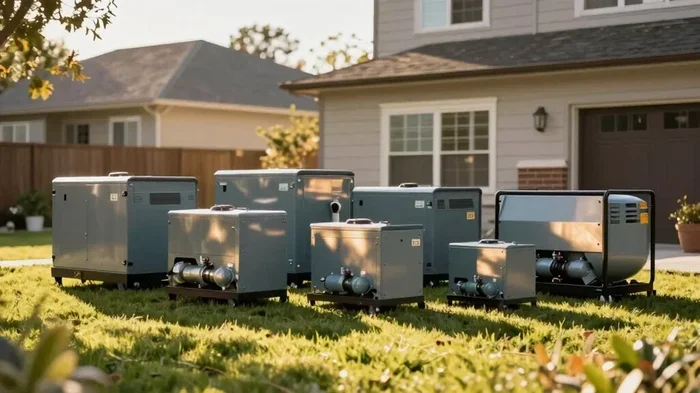
So how much is a portable generator? Prices typically range from about $100 for small budget models to over $3,000 for premium units. The cost depends on wattage, fuel type, brand, and features like inverter technology. This guide breaks down every price tier so you can find the right portable generator for your power needs and budget.
Key Takeaways
- Portable generator prices vary widely: Budget models start around $100, while premium units can exceed $3,000.
- Wattage is the biggest cost driver: Higher wattage models cost more but can power more appliances.
- Inverter generators are pricier but quieter: They deliver clean power and are ideal for camping and sensitive electronics.
- Fuel type matters for long-term costs: Gasoline, propane, and solar generators each have different operating expenses.
- Hidden costs exist: Fuel, maintenance, and accessories add to the total ownership cost.
- Brand reputation affects price: Trusted brands like Honda, Yamaha, and Generac command higher prices but offer reliability.
- Matching size to your needs saves money: Buying the right wattage prevents overspending on power you won’t use.
📑 Table of Contents
- How Much Is a Portable Generator and Why Prices Vary So Much
- What Drives the Price of a Portable Generator
- Portable Generator Price Ranges Explained
- Types of Portable Generators You Should Know
- How to Choose the Right Portable Generator for Your Needs
- Hidden Costs of Owning a Portable Generator
- Is a Portable Generator Worth the Investment
- Common Mistakes People Make When Buying a Portable Generator
- Expert Insights on Choosing the Best Portable Generator
- Key Takeaways
- Conclusion
How Much Is a Portable Generator and Why Prices Vary So Much
If you have ever searched for a portable generator, you probably noticed something right away. The prices are all over the place. Some units sell for under $150. Others cost more than $3,000. So what gives? Why does a portable generator price swing so wildly from one model to the next?
The short answer is that many factors shape the final number. Generator size, fuel type, wattage output, brand reputation, and extra features all play a role. A small camping generator costs far less than a heavy-duty unit built to power your entire home during an outage. Understanding these differences helps you avoid overpaying or buying something too weak for your needs.
In this guide, we break down every price range, explain what drives costs, and help you pick the right portable power solution. Whether you need a backup power generator for emergencies or a quiet unit for weekend camping trips, you will find clear answers here. Let us dive in.
What Drives the Price of a Portable Generator
Before we look at specific numbers, it helps to understand what actually goes into the cost of a portable generator. Several key factors determine the final generator price. Knowing these lets you make a smarter buying decision.
Wattage and Power Output
The most important factor is wattage. A generator wattage rating tells you how much power the unit can produce. Small units handle 1,000 to 3,000 watts. Large portable models push 7,500 watts or more. Naturally, higher wattage means a higher portable generator cost. If you only need to run a few lights and a phone charger, a low-wattage model saves you real money.
Fuel Type
Different fuel types affect both purchase price and long-term costs. Gasoline generators are the most common and affordable. Propane models offer longer shelf life for fuel storage. Dual-fuel units give you flexibility but cost more upfront. Solar-powered portable generators are the most expensive but save money on fuel over time.
Inverter Technology
Inverter generators produce clean, stable power safe for laptops, phones, and TVs. They also run much quieter than conventional models. This technology adds to the portable generator price, but many users feel it is worth it. If you plan to power sensitive electronics, an inverter model is the smart choice.
Brand and Build Quality
Trusted brands like Honda, Yamaha, and Generac charge a premium. Their units last longer, run more reliably, and come with better warranties. A no-name brand might save you money upfront, but it could cost more in repairs later. Portable generator brands with strong reputations justify higher prices through durability and support.
Portable Generator Price Ranges Explained
Now let us get into the numbers. Here is a clear look at what you can expect to pay across different tiers of portable generator price ranges.
Budget Generators: Under $300
Budget portable generators typically offer 800 to 3,000 watts. These units work great for basic needs. You can run small appliances, charge devices, and power a few lights. They usually run on gasoline and are easy to move around.
These models are perfect for camping, tailgating, or as a basic emergency backup. Brands like WEN, DuroMax, and Westinghouse offer solid options in this range. Just keep your expectations realistic. You may hear more noise and get shorter runtime per tank of fuel.
Quick Tip: Even at the budget level, look for units with at least a one-year warranty. It protects you from early failures.
Mid-Range Generators: $300 to $1,000
The sweet spot for most buyers falls in the mid-range. You get 3,000 to 7,000 watts of generator power here. These units balance affordability with real capability. You can run a refrigerator, sump pump, and several tools at once.
Many mid-range models include inverter technology. This means cleaner power and quieter operation. Brands like Honda EU2200i and Yamaha EF2000iSv2 sit in this range and are extremely popular. Their generator runtime is also impressive, often lasting 8 to 12 hours on a single tank.
This tier is ideal for homeowners who want reliable backup power during outages without spending a fortune.
Premium Generators: $1,000 to $3,000+
Premium portable generators deliver 7,500 watts or more. They feature advanced inverter systems, large fuel tanks, and extended runtime. Some models can power an entire household during an emergency. These units also tend to be more fuel-efficient, saving money on gas over the long run.
Top brands like Honda, Yamaha, and Generac dominate this space. The Honda EU3000iS, for example, is a favorite among RV owners and homeowners alike. It runs quietly, produces clean power, and lasts for years with proper maintenance.
If you need serious backup power or plan to use the generator frequently, investing in a premium model pays off. The generator cost up front is higher, but the reliability and longevity offset that over time.
Types of Portable Generators You Should Know
Not all portable generators are the same. Different types serve different purposes. Understanding each type helps you pick the right one for your situation and budget.
Conventional Generators
Conventional generators are the most basic type. They run on gasoline or propane and produce AC power directly. They are affordable and widely available. However, they tend to be louder and produce less stable power than inverter models.
These units work well for tools on job sites and basic backup needs. They are not ideal for powering sensitive electronics like laptops or TVs for long periods.
Inverter Generators
Inverter generators convert AC power to DC and then back to AC. This process produces a clean, steady electrical current. It is safe for smartphones, computers, and other delicate devices.
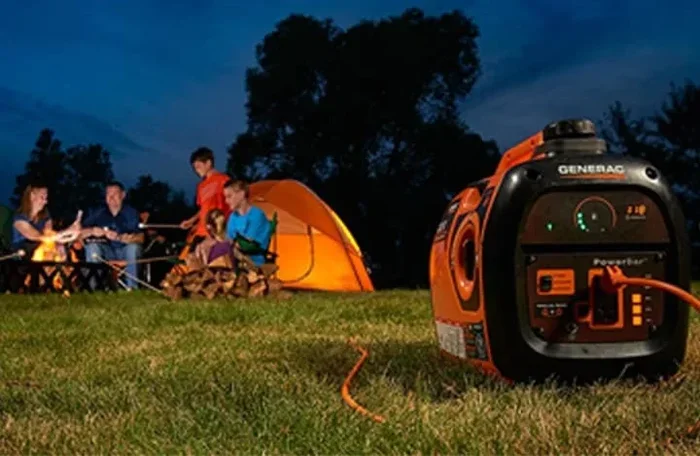
They are also significantly quieter than conventional models. Many inverter units run below 60 decibels. That is about the volume of a normal conversation. This makes them perfect for camping, tailgating, and residential use.
The tradeoff is a higher portable generator cost. But for many users, the benefits far outweigh the extra expense.
Solar Generators
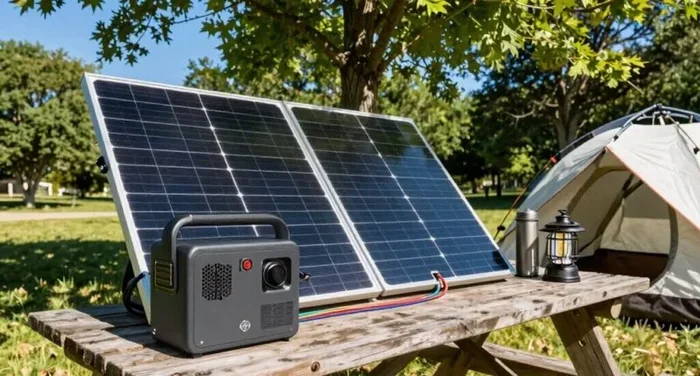
Solar generators use panels to capture sunlight and store energy in batteries. They produce zero emissions and run silently. There is no fuel cost after the initial purchase.
These units are growing in popularity. They work great for camping, RV trips, and as a supplementary home backup power source. The downside is that they depend on sunlight and have limited wattage compared to gas models.
Solar generators also carry a higher upfront generator price. But if you factor in free fuel and zero maintenance, they can save money over the long term.
How to Choose the Right Portable Generator for Your Needs
Buying the right portable generator means matching the unit to your actual needs. Here are the key steps to follow.
Step 1: Calculate Your Power Needs
Start by listing the appliances or tools you want to run. Add up their starting and running watts. A refrigerator might need 1,200 watts to start and 800 watts to run. A phone charger uses only about 10 watts.
Once you know your total wattage needs, choose a generator that exceeds that number by at least 20 percent. This buffer prevents the unit from overloading and ensures smooth operation.
Step 2: Consider Runtime and Fuel Capacity
Generator runtime tells you how long the unit can run on a full tank. For emergency backup, longer runtime is better. You do not want to refuel every few hours during a power outage.
Look for units with fuel gauges and low-oil shutoff features. These protect the engine and extend the life of your portable power station.
Step 3: Think About Portability
Despite the name, not all portable generators are easy to move. Check the weight and look for wheels and a carrying handle. A unit that weighs 60 pounds or more needs wheels for easy transport.
If you plan to carry the generator on camping trips, go lighter. Many inverter models weigh under 50 pounds and fit easily in an SUV or RV storage area.
Hidden Costs of Owning a Portable Generator
The sticker price is not the whole story. Several hidden costs come with owning a portable generator. Planning for these expenses prevents surprises.
Fuel Costs
Gasoline prices fluctuate, but a typical portable generator uses about 0.5 to 1 gallon per hour. If you run the generator for 10 hours a week, that adds up fast. Propane burns cleaner but may cost more per unit of energy. Factor fuel into your long-term budget.
Maintenance Expenses
Regular maintenance keeps your generator running smoothly. Oil changes every 50 to 100 hours are standard. Spark plugs and air filters also need periodic replacement. These small costs add up over the life of the unit but are far cheaper than repairs caused by neglect.
Accessories and Add-Ons
You may need extra items to get the most from your generator. A transfer switch lets you safely power your home’s electrical panel. Extension cords, fuel stabilizers, and generator covers are also worth considering. These accessories can add $50 to $200 to your total portable generator cost.
Is a Portable Generator Worth the Investment
The short answer is yes, for most people. A portable generator provides peace of mind during power outages. It keeps your fridge running, your lights on, and your devices charged. For outdoor enthusiasts, it opens up camping and RV trips with modern comforts.
The key is buying the right size for your needs. Overspending on a massive unit when you only need basic power wastes money. Underspending on a weak unit leaves you in the dark when you need it most.
Take time to assess your power needs, compare models, and read reviews. A well-chosen portable generator delivers reliable backup power for years. It is one of those investments that proves its value the first time the lights go out.
Common Mistakes People Make When Buying a Portable Generator
Avoid these common pitfalls to save money and frustration.
- Buying based on price alone: The cheapest model often lacks the features and reliability you need. Look at overall value, not just the sticker price.
- Ignoring starting watts: Many appliances need extra power to start up. A generator that meets running watts may still struggle with startup loads.
- Overlooking noise levels: A loud generator can disturb neighbors and family members. Inverter models run much quieter and are worth the extra cost.
- Skipping the warranty: A good warranty protects you from defects. Always check the warranty length and what it covers before buying.
- Forgetting about fuel storage: Gasoline degrades over time. You need fuel stabilizers or a plan for fresh fuel storage, especially for emergency use.
Expert Insights on Choosing the Best Portable Generator
Industry experts agree that inverter technology is the future of portable power. It delivers cleaner energy, runs quieter, and uses fuel more efficiently. If your budget allows, an inverter model is the best long-term investment.
Experts also recommend matching the generator to your most common use case. If you camp occasionally, a lightweight 2,000-watt inverter unit is perfect. If you need whole-home backup during storms, invest in a 7,000-watt or larger conventional or inverter model.
One piece of advice from seasoned users: always test your generator before you need it. Run it for 30 minutes every few months. This keeps the engine fresh and ensures it starts when you truly need backup power.
Key Takeaways
- Portable generator prices range widely: From under $150 for basic models to over $3,000 for premium units.
- Wattage drives cost: Higher wattage means more power but also a higher price tag.
- Inverter generators cost more upfront: They save money on fuel and protect sensitive electronics.
- Brand reputation matters: Trusted brands charge more but deliver reliability and better support.
- Hidden costs add up: Fuel, maintenance, and accessories all contribute to total ownership cost.
- Match the generator to your needs: Avoid overspending on power you do not need or underspending and getting stuck in the dark.
Conclusion
So how much is a portable generator? The answer depends on what you need. Budget models under $300 handle basic tasks. Mid-range units between $300 and $1,000 offer the best balance of power and value. Premium models above $1,000 deliver serious backup power for homes and heavy-duty use.
Understanding what drives generator cost helps you make a confident choice. Consider wattage, fuel type, inverter technology, and brand reputation. Factor in hidden costs like fuel and maintenance. And always buy a unit that matches your real-world power needs.
A portable generator is more than a machine. It is insurance against power outages, a companion for outdoor adventures, and a tool that keeps your life running smoothly. Take your time, do your research, and invest in the right unit. You will be glad you did the first time you flip the switch and everything works.
Frequently Asked Questions
How much does a basic portable generator cost?
Basic portable generators start around $100 to $300. These units typically offer 800 to 3,000 watts of power. They work well for camping, charging devices, and running a few small appliances. Popular budget brands include WEN, DuroMax, and Westinghouse.
What is the average price of a mid-range portable generator?
Mid-range portable generators cost between $300 and $1,000. These models offer 3,000 to 7,000 watts and often include inverter technology. They are ideal for home backup and recreational use. Brands like Honda and Yamaha offer excellent options in this range.
Are portable generators expensive to run?
Running costs depend on fuel type and usage. A typical gasoline portable generator uses about 0.5 to 1 gallon per hour. Propane and solar models have different fuel costs. Regular maintenance like oil changes also adds to the long-term expense.
What is the best portable generator for home backup?
For home backup, look for a unit with at least 5,000 to 7,500 watts. Inverter models provide clean power for sensitive electronics. The Honda EU3000iS and Generac GP7500E are popular choices. Always match the wattage to the appliances you need to run during an outage.
How long does a portable generator last?
A well-maintained portable generator can last 10 to 20 years or more. Regular oil changes, spark plug replacements, and proper storage extend its lifespan. Premium brands tend to last longer due to better build quality and durable components.
Can I use a portable generator indoors?
No. Portable generators produce carbon monoxide, which is deadly. Always use them outdoors in well-ventilated areas. Keep the unit at least 20 feet away from doors, windows, and vents. This safety rule applies to all gasoline and propane models.