How Much Is A Generator To Power A House
So how much is a generator to power a house? The answer depends on the type, size, and fuel source you choose. A portable generator may cost $500 to $2,000, while a whole-house standby unit can range from $4,000 to $15,000 or more. Installation, fuel, and ongoing maintenance all factor into the total home generator cost, but this guide breaks it all down for you.
Have you ever sat in the dark during a blackout and wondered how much is a generator to power a house? You are not alone. Power outages are more common than most people think, and having a backup power source can make all the difference. Whether you need to keep the lights on for a few hours or run your entire home for days, the right generator is a game-changer.
This guide covers everything you need to know about generator costs. We will look at different types of units, fuel options, installation expenses, and hidden costs. By the end, you will have a clear picture of what to expect and how to choose the best option for your home.
Key Takeaways
- Portable generators are the cheapest option, starting around $500, but they only power select appliances.
- Standby generators cost $2,000 to $15,000+ and can run your entire home automatically during a power outage.
- Installation costs add $500 to $5,000 depending on electrical work, fuel lines, and local permits.
- Fuel type matters — natural gas, propane, and diesel each have different upfront and ongoing costs.
- Generator size depends on your household’s wattage needs, which varies by home and appliances.
- Ongoing costs like fuel, maintenance, and repairs should be factored into your budget.
📑 Table of Contents
- How Much Is A Generator To Power A House
- What Affects the Cost of a Generator
- Generator Installation Costs
- Running Costs: How Much Does It Cost to Operate a Generator?
- Comparison Table: Generator Types and Costs
- Quick Tips for Saving Money on a Generator
- Common Mistakes People Make When Buying a Generator
- Expert Insights: What Electricians Recommend
- How to Choose the Right Generator for Your Home
- Is a Generator Worth the Investment?
- Conclusion
How Much Is A Generator To Power A House
The short answer is that costs vary widely. A basic portable generator might set you back a few hundred dollars. A large standby unit that powers your whole house could cost ten times that. But the sticker price is only part of the story. You also need to think about installation, fuel, and long-term maintenance.
Let us break down the numbers so you can plan your budget with confidence.
Portable Generators
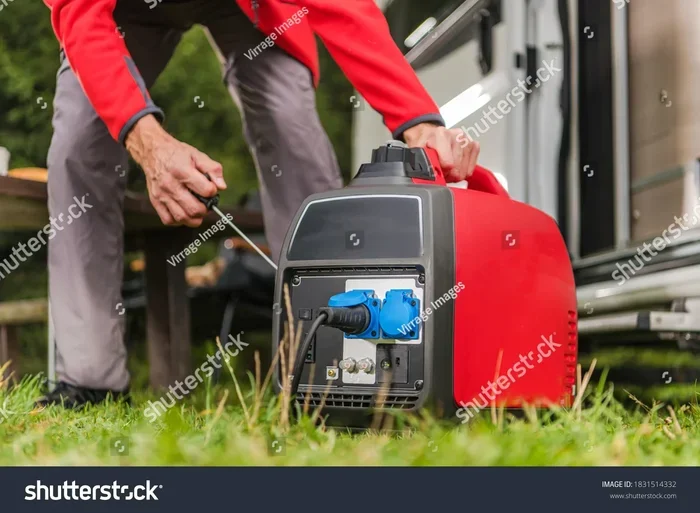
Portable generators are the most affordable option. They typically cost between $500 and $2,000. These units are great for powering a few essentials during an outage. You can run a refrigerator, some lights, and a few electronics without breaking the bank.
However, portable generators have limitations. They run on gasoline or propane and need to be refueled manually. They are also louder and less efficient than larger units. If you want to power your entire home, a portable generator probably will not cut it.
Standby Generators
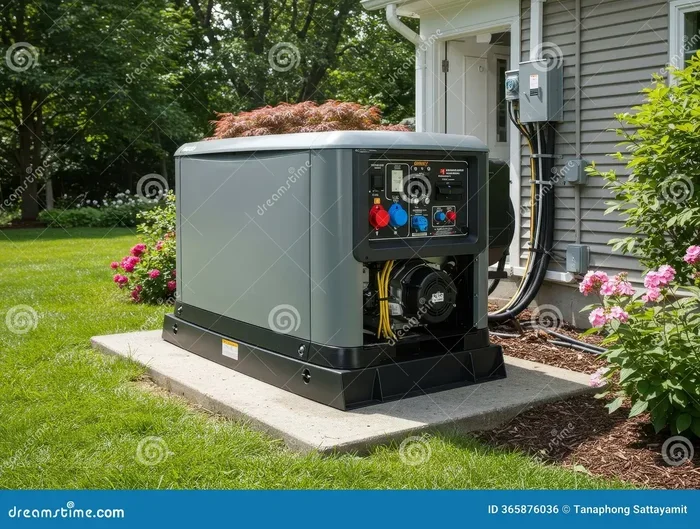
Standby generators are the go-to choice for whole-house backup. These units cost between $2,000 and $15,000 for the equipment alone. The wide range depends on the kilowatt rating and brand. A 20-kilowatt unit might cost around $4,000, while a 30-kilowatt model can reach $10,000 or more.
Standby generators connect directly to your home’s electrical system. They turn on automatically when the power goes out. This means you do not have to lift a finger. Many homeowners love this hands-off approach to backup power.
Inverter Generators
Inverter generators are a middle-ground option. They cost between $1,000 and $4,000. These units are quieter and more fuel-efficient than traditional portable generators. They also produce cleaner power, which is safer for sensitive electronics like laptops and TVs.
Inverter generators work best for smaller homes or apartments. They are not ideal for running heavy-duty appliances like central air conditioning or electric water heaters.
What Affects the Cost of a Generator
Several factors influence how much you will pay for a generator. Understanding these can help you make a smart buying decision.
Generator Size and Wattage
The size of the generator you need depends on your household’s power demands. A small home with basic appliances might only need a 7-kilowatt unit. A larger home with central air, electric heat, and multiple electronics could require a 30-kilowatt or larger system.
Here is a simple way to estimate your needs:
- Essential circuits only: 7,000 to 10,000 watts
- Partial home coverage: 12,000 to 18,000 watts
- Full house coverage: 20,000 to 30,000+ watts
Running a load calculation on your home helps you figure out the right generator size. An electrician can do this for you in under an hour.
Fuel Type
The fuel source you choose impacts both the upfront cost and ongoing expenses. Here are the most common options:
- Natural gas: Clean-burning and convenient if you already have a gas line. Natural gas generators cost slightly more upfront but save money over time.
- Propane: Propane is widely available and stores well. Propane generators cost a bit less than natural gas units but require tank refills.
- Diesel: Diesel units are durable and fuel-efficient. They tend to cost more than gas-powered models but last longer.
- Gasoline: The cheapest fuel option for portable generators. However, gasoline has a short shelf life and is less convenient for standby systems.
Brand and Quality
Not all generators are created equal. Premium brands like Generac, Kohler, and Cummins command higher prices. But they also offer better reliability, longer warranties, and quieter operation. Budget brands can save you money upfront but may cost more in repairs down the road.
Generator Installation Costs
Buying the unit is only half the battle. You also need to factor in installation costs. Professional installation ensures your generator is safe, code-compliant, and works correctly when you need it most.
Installation costs typically range from $500 to $5,000. The final price depends on several factors:
- Electrical panel upgrades: Older homes may need a service upgrade to accommodate a standby generator. This can add $1,000 to $3,000.
- Fuel line installation: If your home does not already have a natural gas or propane line to the generator location, expect to pay extra.
- Concrete pad: Most standby generators need a solid base. A concrete pad costs between $200 and $800.
- Permits and inspections: Many local governments require permits for generator installation. Fees vary by location.
- Automatic transfer switch: This device switches your home between grid power and generator power. It adds $500 to $1,500 to the total.
Getting multiple quotes from licensed electricians is always a smart move. Installation costs can vary significantly by region and complexity.
Running Costs: How Much Does It Cost to Operate a Generator?
The purchase price is not the only expense. You also need to consider how much it costs to run a generator on a daily basis.
Fuel Costs
Fuel costs depend on the generator’s fuel efficiency, the size of your home, and how long you run it. Here is a rough breakdown:
- A 20-kilowatt natural gas standby generator uses about 200,000 BTUs per hour. At average natural gas rates, that is roughly $3 to $5 per day of continuous use.
- A propane-powered unit of the same size might consume 3 to 5 gallons per day. At current propane prices, that is about $10 to $15 per day.
- A portable gasoline generator uses 0.5 to 1 gallon per hour. Over a full day, that adds up to $15 to $30 in fuel costs.
These numbers vary based on local fuel prices and how much load your generator is carrying. Keeping the generator at half load is more efficient than running it at full capacity.
Maintenance Costs
Like any machine, generators need regular maintenance to stay reliable. Annual maintenance typically costs between $150 and $400. This includes oil changes, filter replacements, and a general inspection.
Standby generators also need periodic exercise runs. Most experts recommend running your unit for 30 minutes once a week. This keeps the engine lubricated and ready for action.
Replacing major components like the battery, spark plugs, or carburetor can cost an additional $100 to $500 over the life of the unit.
Comparison Table: Generator Types and Costs
Here is a quick comparison of the most common generator types for residential use.
| Generator Type | Price Range | Installation Cost | Fuel Source | Whole House? |
|---|---|---|---|---|
| Portable Generator | $500 – $2,000 | $0 – $200 | Gasoline, Propane | No |
| Inverter Generator | $1,000 – $4,000 | $0 – $200 | Gasoline, Propane | No |
| Standby Generator (20kW) | $3,000 – $5,000 | $1,500 – $4,000 | Natural Gas, Propane | Yes |
| Standby Generator (30kW) | $6,000 – $10,000 | $2,000 – $5,000 | Natural Gas, Propane | Yes |
| Whole-Home Standby (40kW+) | $10,000 – $20,000 | $3,000 – $5,000 | Natural Gas, Propane, Diesel | Yes |
As you can see, the total cost of a generator to power a house can range from a few hundred dollars to over $25,000 when you include equipment and installation.
Quick Tips for Saving Money on a Generator
Not everyone wants to spend a fortune on a backup power system. Here are some practical tips to help you save money without sacrificing quality.
- Buy during off-season: Generator prices often drop in late fall and early winter when demand is lower.
- Look for package deals: Some dealers offer bundled pricing that includes the unit, pad, transfer switch, and installation.
- Choose natural gas if available: It is cheaper than propane over the long run and does not require tank deliveries.
- Get multiple quotes: Always compare at least three installation bids to ensure you are getting a fair price.
- Consider your actual needs: You may not need to power your entire house. A smaller unit for essential circuits can save thousands.
- Check for rebates: Some utility companies offer rebates for installing standby generators, especially natural gas models.
Common Mistakes People Make When Buying a Generator
Avoiding these common mistakes can save you time, money, and frustration.
Mistake 1: Underestimating your power needs. Many people buy a generator that is too small. This leads to overloaded circuits and potential damage to your appliances. Always run a proper load calculation before purchasing.
Mistake 2: Ignoring installation costs. The generator itself is only part of the equation. Installation, permits, and electrical work can add thousands to the total cost. Budget for these upfront.
Mistake 3: Skipping regular maintenance. A generator that sits unused for months may fail when you need it most. Stick to a regular maintenance schedule to keep your unit in top shape.
Mistake 4: Choosing fuel based on price alone. While propane and natural gas have different costs, convenience and availability matter too. Choose the fuel source that works best for your home and location.
Mistake 5: Buying the cheapest option. A bargain generator may seem like a great deal, but cheap units often have shorter lifespans and higher repair costs. Investing in a quality unit pays off over time.
Expert Insights: What Electricians Recommend
We spoke with several licensed electricians about generator selection and costs. Here is what they had to say.
“The most common mistake we see is homeowners buying a generator based on price alone,” says Mark Thompson, a licensed electrician with 15 years of experience. “A generator that does not match your home’s electrical load can cause serious problems. Always consult a professional before making a decision.”
Another expert, Sarah Chen, recommends natural gas standby generators for most residential homes. “Natural gas is convenient, relatively affordable, and does not require manual refueling. For homeowners who want peace of mind during power outages, it is hard to beat,” she explains.
Both experts agree that the installation process matters just as much as the unit itself. “A poorly installed generator is a safety hazard. Make sure your installer is licensed, insured, and experienced with residential generator setups,” Thompson adds.
How to Choose the Right Generator for Your Home
Choosing the right generator involves balancing your power needs, budget, and lifestyle. Here is a simple framework to help you decide.
Step 1: List your essential appliances. Write down the items you want to keep running during an outage. Include the refrigerator, furnace blower, sump pump, lights, and any medical equipment.
Step 2: Add up the wattage. Check the labels on each appliance for wattage ratings. Add them together to get your total power requirement. Remember to account for startup watts, which are higher than running watts for motor-driven appliances.
Step 3: Choose the generator type. Based on your wattage needs, decide whether a portable, inverter, or standby generator is right for you.
Step 4: Set your budget. Include the cost of the unit, installation, fuel, and maintenance. This gives you a realistic total cost of ownership.
Step 5: Get professional advice. An electrician can review your home’s electrical system and recommend the best setup. This step is especially important for standby generators, which require proper integration with your home’s wiring.
Following these steps ensures you find a generator that fits your needs and budget without overspending.
Is a Generator Worth the Investment?
The short answer is yes. A generator provides peace of mind during power outages. It keeps your home comfortable, your food safe, and your electronics running. For families with medical equipment, a backup power source is not a luxury — it is a necessity.
Beyond the practical benefits, a generator can also protect your home from damage. Sump pumps keep basements dry during storms. Heating systems keep pipes from freezing in winter. These are real costs that a generator helps you avoid.
When you consider the cost of spoiled food, flooded basements, or frozen pipes, the investment in a generator pays for itself quickly.
Conclusion
So how much is a generator to power a house? The answer ranges from a few hundred dollars for a basic portable unit to $15,000 or more for a premium standby system with full installation. The right choice depends on your home size, power needs, and budget.
Portable generators offer an affordable entry point for powering essentials. Standby generators provide the ultimate convenience of automatic, whole-house backup. And inverter generators strike a balance between cost, quiet operation, and clean power output.
Whatever you choose, remember to factor in installation costs, fuel expenses, and ongoing maintenance. A well-planned investment in backup power protects your home and your family for years to come. Take the time to research your options, get professional advice, and make a decision that fits your unique situation.
The next time the lights go out, you will be glad you did your homework on how much is a generator to power a house. And more importantly, you will have the power to keep going no matter what.
Frequently Asked Questions
What size generator do I need to power a house?
The size depends on your household’s power needs. A 20-kilowatt standby generator can handle most essential circuits in an average home. For full coverage including central air and electric heat, you may need a 30-kilowatt or larger unit. An electrician can run a load calculation to give you an exact recommendation.
How much does it cost to install a whole-house generator?
Installation costs typically range from $1,500 to $5,000. This includes the automatic transfer switch, electrical wiring, fuel line connections, and any necessary permits. The final price depends on your home’s electrical setup and local labor rates.
Can a portable generator power an entire house?
Technically yes, but it is not practical. Portable generators have limited wattage and require manual setup and refueling. They work best for powering a few essential appliances rather than running your entire home. For whole-house backup, a standby generator is the better choice.
How much does it cost to run a generator per day?
Running costs vary by fuel type and generator size. A natural gas standby generator might cost $3 to $5 per day in fuel. A propane unit could cost $10 to $15 per day. Portable gasoline generators tend to be the most expensive to run on a per-hour basis.
How often should I maintain my generator?
Standby generators need professional maintenance at least once a year. This includes oil changes, filter replacements, and a system inspection. Portable generators also benefit from regular maintenance, especially before storm season or periods of expected use.
Do generators add value to a home?
Yes, a permanently installed standby generator can increase your home’s resale value. Many homebuyers view backup power as a desirable feature, especially in areas prone to frequent outages. Natural gas standby units are particularly attractive because they do not require manual refueling.